Hello.
I am Dr. Won Yujin, a smile surgeon who rebuilds your healthy smile,
a dentist at Magok Sedation Dentistry.
Today, I’d like to talk about one of the main reasons many people give up on treatment:
the “gagging reflex.”
Among patients, there are quite a few who find it difficult even to receive scaling because of the gagging reflex.
In severe cases, some people complain of extreme discomfort even during a simple oral examination.
Because of this, I have seen many people postpone the treatment they need
for years.
But what is truly unfortunate is
when people give up, saying, “I guess I’ll have to live like this forever..”
Even if gagging is severe,
it is absolutely not impossible to resolve.
Gag reflex,
why does it occur so severely?
Actually, it is difficult to simply say that a person is just “sensitive.”
At Magok Sedation Dentistry,
I believe the following factors
work together.
First, there are constitutional traits in which the gag reflex is innately sensitive.
Second, past experiences
often act as psychological trauma.
Third, anxiety and tension about treatment
can make the symptoms worse.
There are several ways to address these problems.
Magok Sedation Dentistry
First visit
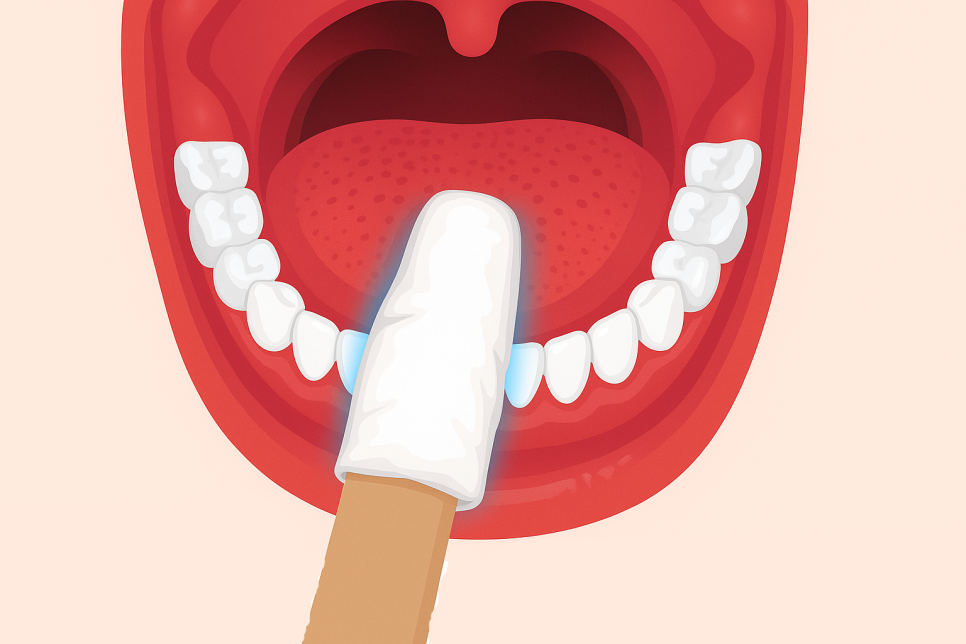
The gagging reflex is
a physiological protective response triggered by stimulation of the soft palate, pharyngeal wall, back of the tongue, and similar areas.
In general, when symptoms like this are present,
there are many situations in which painless scaling and wisdom tooth extraction
are needed at the same time.
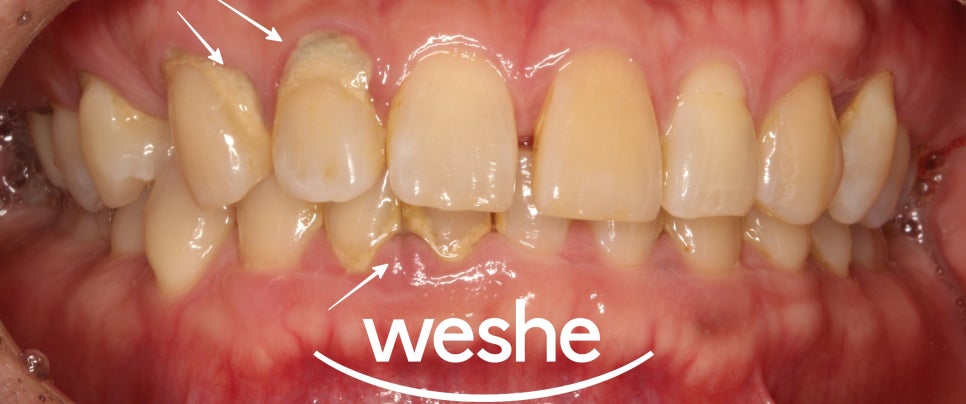
Looking at the findings confirmed in the oral examination,
there is overall calculus accumulation because proper oral care has not been performed for years.
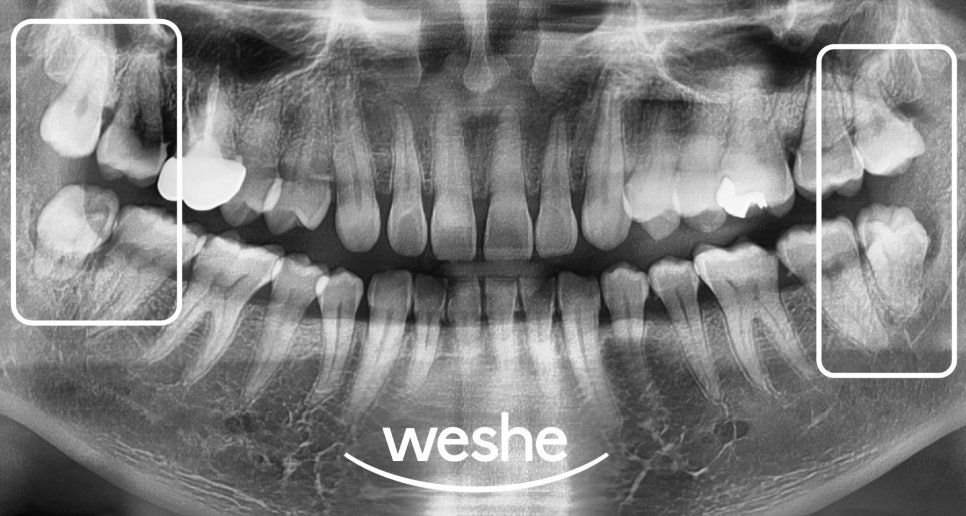
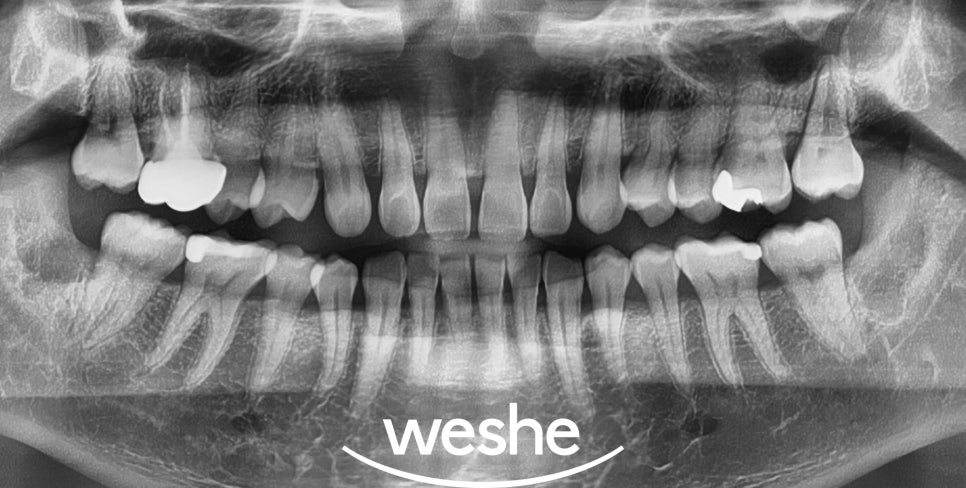
Through X-ray examination,
we can accurately assess the inflammatory condition around the wisdom teeth
and the degree of impaction.
Because the four wisdom teeth (18, 28, 38, 48)
have not been properly managed, calculus, inflammation, and cavities around them
have progressed, and extraction is considered necessary.
In this situation, what should be used first is a spray-type scaling device such as Airflow.
Airflow works by spraying water and fine powder
to remove calculus and discoloration.
The principle of calculus removal is the same,
but the discomfort experienced by the patient
differs significantly.
Magok Sedation Dentistry
What is the treatment plan?
First,
overall calculus removal and improvement of gum inflammation
Second,
extraction of the four wisdom teeth
Third,
inlay restoration of the decayed areas
Fourth,
removal of inflamed tissue in the deep gum area (curette)
However, when the gagging reflex is severe,
there are significant limitations in each step
if the treatment is done in the usual way.
In such cases, one solution to consider is
a method using conscious sedation,
which keeps the patient conscious while
relaxing the muscles and reducing anxiety.
Gagging is also significantly reduced,
making treatment possible in ways that were not possible before.
Because multiple treatments can be performed consecutively,
there is also the advantage of reducing the number of visits.
First, a general health evaluation is performed
to confirm indications and contraindications,
and equipment for monitoring vital signs
is prepared.
In healthy adults, conscious sedation is
a method with proven safety,
but a thorough preparation process is necessary.
In the case of simultaneous extraction of four wisdom teeth,
swelling and discomfort during recovery
may be greater than when each tooth is removed separately.
However, considering the difficulty of repeated visits caused by the gagging reflex,
a one-day comprehensive treatment becomes the appropriate choice.
Magok Sedation Dentistry
What is the process?
First, scaling is performed using Airflow.
Because Airflow operates on a spray-based principle,
unlike a conventional ultrasonic scaler,
it does not require deep contact inside the oral cavity.
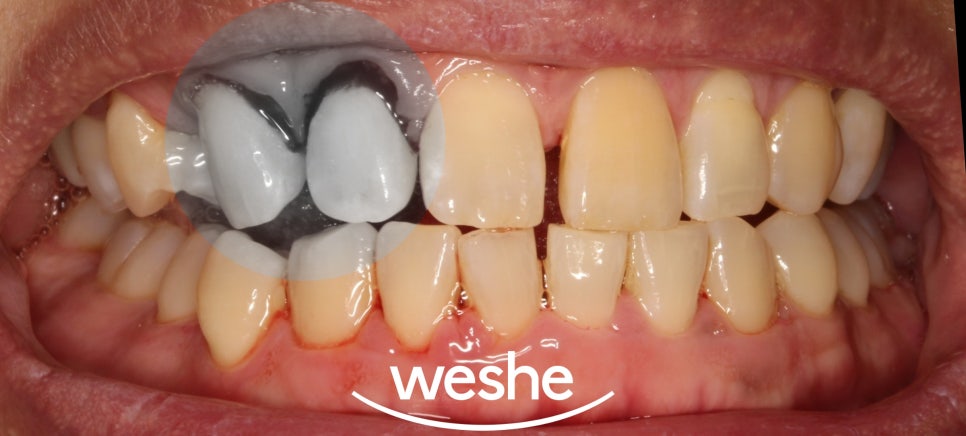
As a result, calculus can be removed
without triggering the gag reflex.
After the first treatment, conscious sedation is started.
When 10–15 minutes have passed after the sedative is administered,
a conscious sedation state is reached.
In this state, gagging is
significantly suppressed,
making deep-area treatment that was previously impossible
proceed more easily.
The four wisdom teeth (18, 28, 38, 48)
are extracted sequentially.
Under sedation, muscle relaxation occurs,
allowing the extraction process to proceed smoothly.
One-day inlay restoration for the decayed areas
is also carried out consecutively.
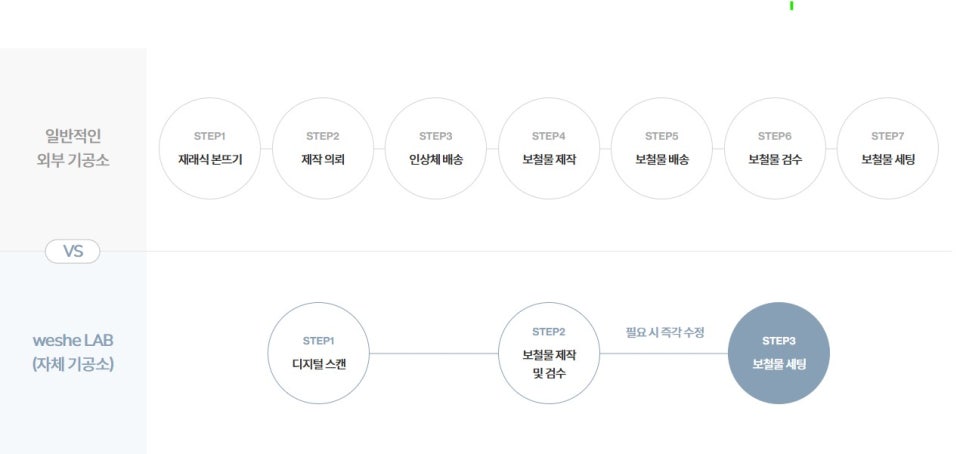
Previously, after tooth preparation, impression taking,
laboratory fabrication, and return visit for placement,
a two-visit process was required.
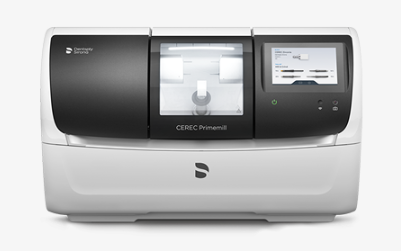
By using a CAD/CAM system,
digital scanning, design, fabrication, and placement
can all be completed on the same day.
In particular, when gagging is severe,
the impression-taking process is difficult,
and digital scanning can solve this.
Periodontal treatment using a curette
is performed last.
A curette is a specialized instrument used to remove calculus beneath the gum line
and infected periodontal tissue.
Normally, it is difficult to perform because of gagging,
but in a sedated state, it can be completed without problems.
Magok Sedation Dentistry
Completion
A comprehensive treatment lasting about 3 hours
can be completed,
and after 30 minutes of recovery,
the patient regains consciousness,
and can return home normally after 1 hour.
After the simultaneous extraction of four wisdom teeth,
recovery management is important.
For the first 2–3 days, swelling should be controlled
with regular cold compresses.
The prescribed painkillers, antibiotics, and anti-inflammatory medications
must be taken correctly.
Swelling generally peaks on the third day
and then gradually decreases over the course of a week.
Compared with individual extractions, the recovery period
may be somewhat longer,
but there is the advantage of resolving everything at once.
One-day inlays are completed and placed on the same day,
so they can be used immediately, but
it is best to avoid hard foods for the first few days.
The gum treatment area recovers over 2–3 weeks,
during which the gingival tissue heals.
I hope this information has been helpful to you,
and I will end the post here.
This was Dr. Won Yujin from Magok Sedation Dentistry.
Thank you for reading this long post.

20250630~20250630