Hello~
I’m Magok Dental Clinic, wishing for a world full of everyone’s beautiful smiles.
Before we begin today’s topic,
it might be nice to imagine something first.

Let’s say you’re traveling to Africa.
In particular, you’re crossing the middle of the Sahara Desert.
Of course, it isn’t easy.
The weather is so hot it feels like the ground is burning, and even a single drop of water becomes desperately precious.
Even in such an arid land, insects still seem to live there, and no matter where you go, unwelcome visitors are a headache.
That was only an image of crossing a desert,
but in fact, something like this can happen inside our mouths at any time.
Just like today’s topic.
What and Why?
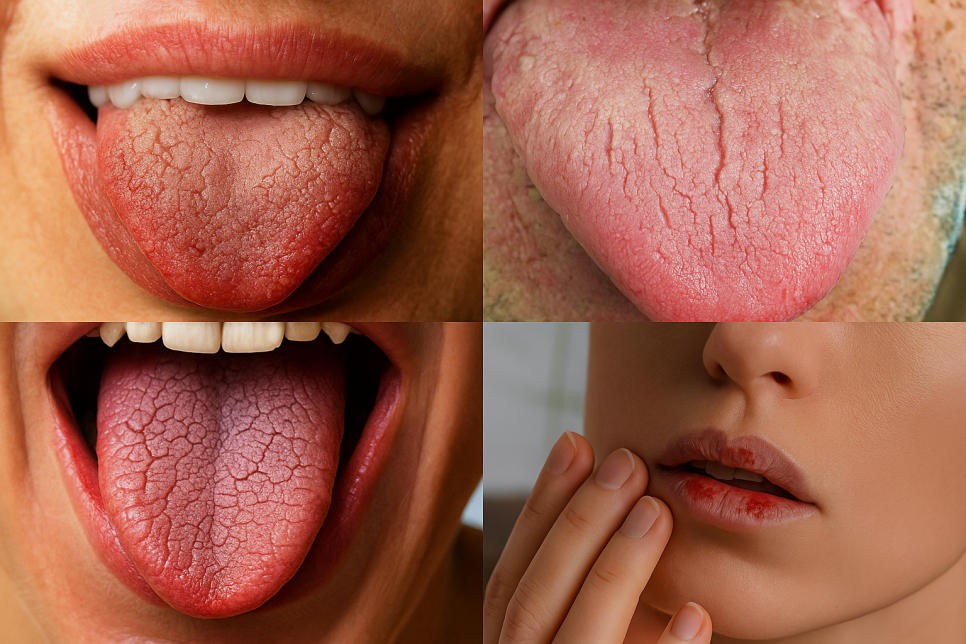
Today’s topic at Magok Dental Clinic is xerostomia, or dry mouth.
You’ve probably heard of it many times.
Let’s take a look at what kind of condition it is, what causes it, what symptoms it produces, and how it can be prevented and treated.
A healthy person secretes about 1,000 to 1,500 ml of saliva per day.
Its role is to keep the oral mucosa from drying out,
so that moisture is always maintained.
However, when this condition develops,
the inside of the mouth becomes severely dry, and the mucosa can crack or become sunken.
There are two broad categories of causes for this.
First, it can appear due to salivary gland tumors, infections, radiation therapy, or diseases such as Sjögren’s syndrome.
This is considered primary dry mouth, where pathological findings are found in the salivary glands.
The other is secondary dry mouth,
in which it is difficult to identify one specific cause.
This includes side effects from medication, as well as vitamin deficiency, anemia, diabetes, dehydration, stress,
and even the habit of sleeping with your mouth open.
What symptoms appear?
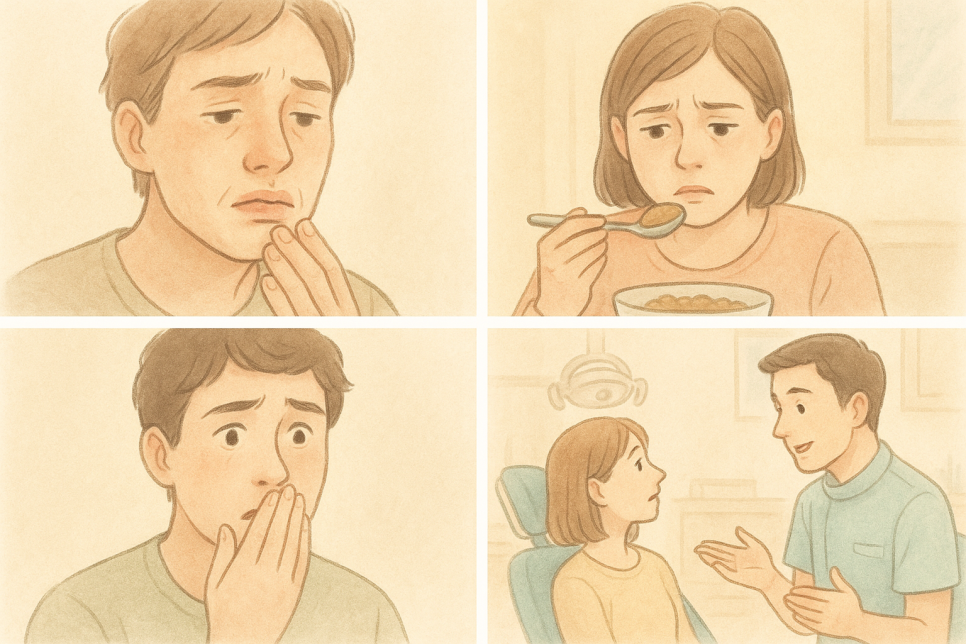
Then you may also be wondering what symptoms appear.
Let Magok Dental Clinic continue and summarize them.
Simply put, this condition refers to dryness in the spaces of the mouth, including the teeth and tongue, due to reduced saliva secretion or various factors.
If you think about it simply, you might assume symptoms such as a dry mouth and cracked tongue will appear.
But that is not all.
Pain can accompany the cracking of the tongue, and because there is no lubricant to help with chewing and swallowing, that also becomes difficult.
You may find it surprising, but even speaking can become difficult.
In addition, saliva surprisingly has antibacterial functions and plays many roles in the body, so problems also begin to arise when this function declines.
Bacteria find a better environment in which to multiply, providing ideal conditions for tartar left around the teeth and tongue,
which can lead to diseases such as cavities, gingivitis, and periodontitis.
Moreover, when bacteria increase like this,
bad breath becomes more severe.
Dry Mouth in Older Adults
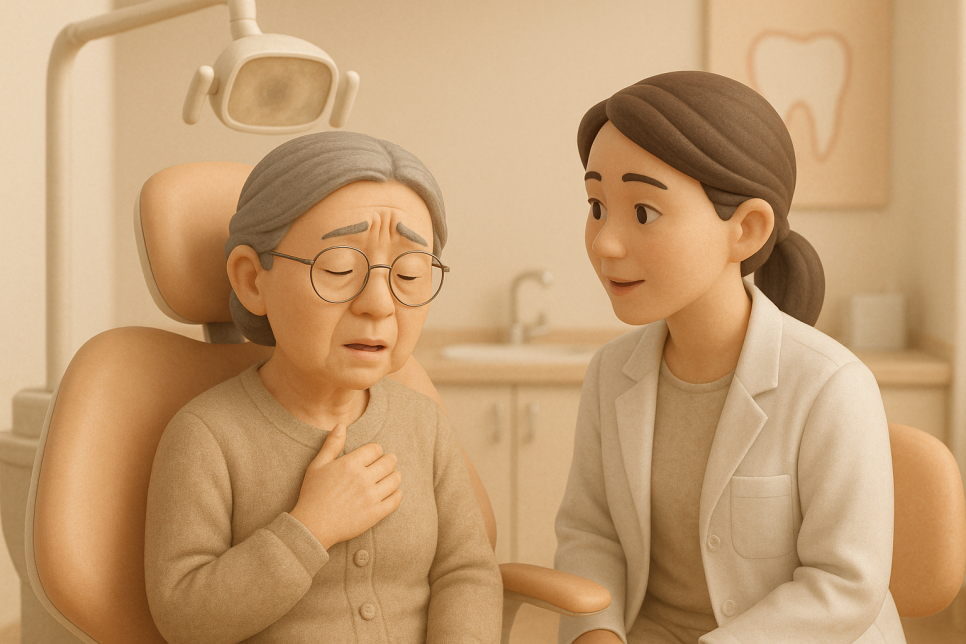
In particular, this is often found in older adults.
Let Magok Dental Clinic look at the reasons.
First, aging brings degenerative changes to the salivary glands.
And when this happens, the salivary gland cells atrophy and dry out.
In addition, it can also appear as a side effect of medication,
or during menopause or periods of stress.
If you wear dentures, it can dry out to the point that it becomes difficult to keep using them.

As ways to cope with this,
Magok Dental Clinic recommends the following:
First, there is artificial saliva.
Using medication that stimulates saliva secretion can also be considered, and receiving treatment through regular checkups is advisable.
Of course, if you keep yourself well hydrated,
brush your teeth consistently and thoroughly in everyday life,
and stay away from alcohol and tobacco,
that would be ideal.
If you want to take action quickly,
sour snacks or sugar-free gum can also be used to stimulate the salivary glands.
What foods are good and what foods are bad?
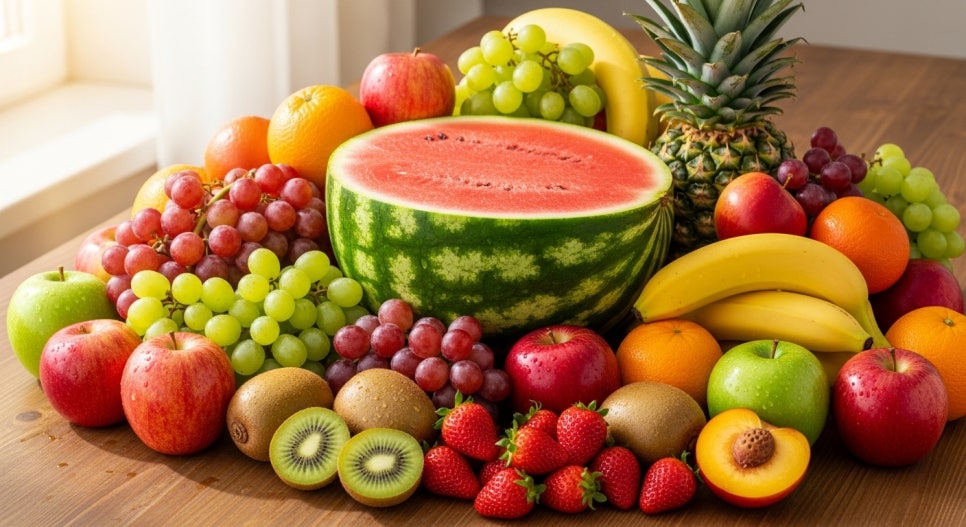
Let Magok Dental Clinic also look at what other methods can help.
First, as mentioned above,
you can respond through food intake.
Representative foods that can have a positive effect include
fruits and vegetables with high water content,
such as watermelon, oranges, and strawberries.
In addition, sour foods such as lemons and grapefruits, as mentioned earlier, are also good.
Along with sugar-free gum and candy,
fermented foods such as yogurt and kimchi,
and teas rich in antioxidant compounds such as green tea, mint tea, and herbal tea
can also have a positive effect.
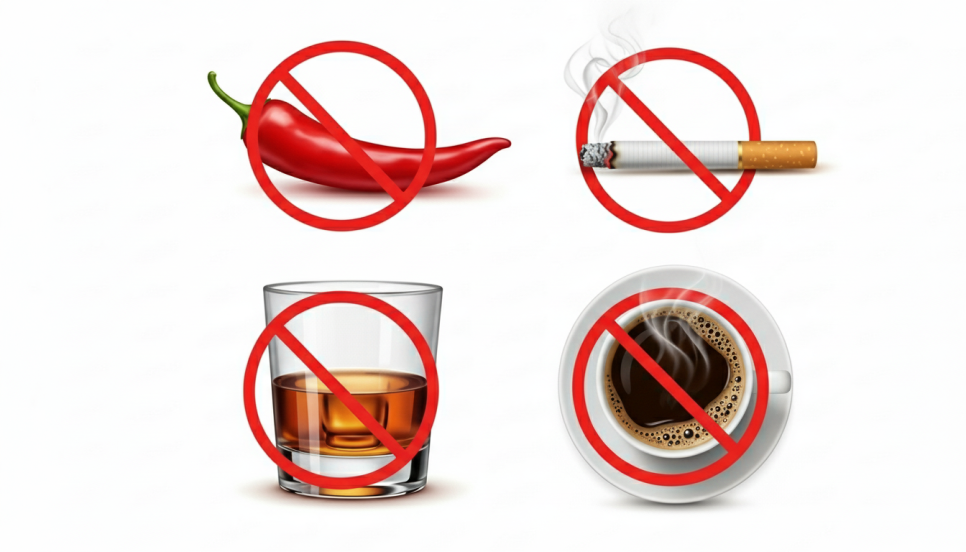
On the other hand, things that can have a negative effect include the usual “spicy, salty, and sweet” foods.
Especially in Korea, where meals are often spicy and salty, and dessert snacks are eaten sweetly,
this may sound like very bad news.
Among things to avoid, alcohol and tobacco are also essential to mention.
First, looking at alcohol,
when we drink, the acidity in our mouth increases.
If this change continues,
the enamel layer can weaken,
dull the shine,
and cause discoloration.
And tobacco.
As you know,
it contains large amounts of harmful substances that have a very significant direct and indirect impact.
These substances seriously harm gingival tissue
and suppress immune function,
which is why they can trigger various diseases, including periodontal disease.
The heat can also dry out the inside completely.
And because it also causes discoloration and bad breath,
it is best to avoid it.
It may sound too obvious,
but you need to quit smoking and quit drinking.

In addition to alcohol and tobacco,
it is also best to avoid caffeine.
Yes, coffee..
the coffee many people feel they must drink at least one cup a day is included here too.
Caffeine has a diuretic effect,
which means
it can cause the body to lose water and dry out.
It also stimulates the sympathetic nervous system,
which is why drinking coffee wakes you up when you’re sleepy.
However, when this part is stimulated,
the body becomes tense
and can likewise dry out.
These days, people jokingly refer to caffeine, nicotine, and alcohol
as the three major nutrients of modern people,
but I hope you remember that these three are truly the worst.
What other prevention methods are there?

Then let Magok Dental Clinic explain what other preventive methods there are.
First, hydration is necessary.
Drinking water little by little and often,
and using a humidifier indoors,
can also be good approaches.
In particular, making a habit of rinsing with water after eating
is very helpful in many ways.
When brushing, be sure to use dental floss,
and we recommend choosing toothpaste without surfactants.
Along with the smoking cessation, reduced drinking,
and cutting back on caffeine mentioned earlier,
we recommend lowering the proportion of spicy, salty, and sweet foods you eat,
and eating more fruits and vegetables with high water content.
If you habitually breathe through your mouth during the day or while sleeping,
and keep your mouth wide open,
it is important to improve that habit.
In addition, we encourage you to receive regular checkups consistently
so you can stay healthy before pain occurs.

This concludes today’s content prepared by Magok Dental Clinic.
Because it is related not only to simple dryness but also to other diseases,
it seems important to remember that everyday management is essential
and to pay close attention to your daily condition.
What feels especially fortunate is that among the preventive measures mentioned,
there is nothing we do not already know.
We already know that drinking and smoking are not good for the body,
that it is better not to drink too much coffee,
and that it is good to drink plenty of water and brush our teeth well.
Just putting into practice what we already know
can make our tomorrow a little more beautiful and sparkling.
Thank you to everyone who read this long post until the end.
Wishing everyone a peaceful day~