Hello, this is Magok Station Dental Clinic.
When you are advised to have a tooth extracted,
most people are faced with two options.
Either simply remove it, or look for another method.
Of course, with the advancement of implant technology,
it is true that the options after extraction have increased.
However, it is still not a full replacement for the
functionality and aesthetics of natural teeth.
So I first consider whether this is truly a tooth
with no other options left, or whether there is a method
that has simply not been tried yet.
Intentional tooth replantation, which I am introducing today,
may be one of the remaining options.
- What is intentional tooth replantation?
Let me first explain what this treatment is.
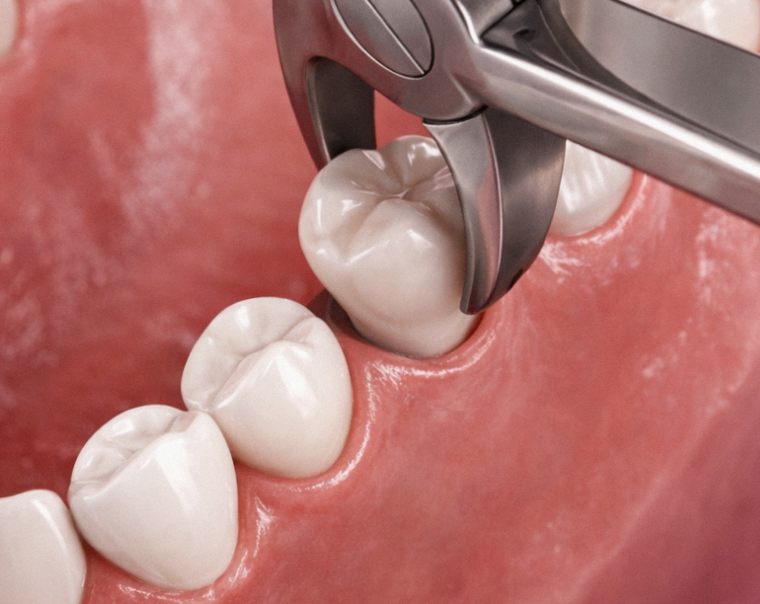
Intentional tooth replantation is a procedure in which
a problematic tooth is temporarily removed from the oral cavity,
necessary treatment is completed,
and then the tooth is placed back into its original position.
The word “intentional” may feel unfamiliar,
but this is different from emergency repositioning of a tooth
that has been knocked out due to trauma.
The difference is that it is planned and performed
from the beginning for treatment purposes.
It is mainly considered when conservative root canal treatment
or apical surgery cannot resolve the problem.
To give an example from Magok Station Dental Clinic,
the following situations may apply.
✔️ Recurrent inflammation or cysts at the root tip
✔️ Teeth that are difficult to access with apicoectomy
✔️ Cases where a fractured instrument or post remains inside the root canal,
but cannot be removed inside the mouth
- What factors determine the chance of success?
The prognosis differs from patient to patient.
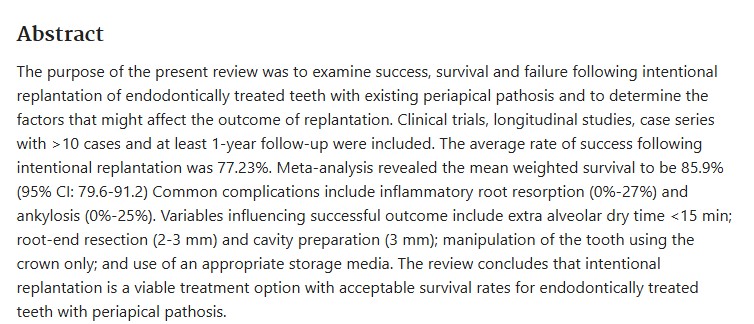
https://pubmed.ncbi.nlm.nih.gov/
When multiple literature reviews are combined,
the overall average survival rate is reported to be about 88%.
This figure also changes over time.
The short-term survival rate within 6 months is about 90%,
it drops to 65–80% between 12 and 36 months,
and then tends to stabilize.
So what conditions improve the survival rate?
This is exactly why Magok Station Dental Clinic explains
that this procedure is highly demanding.
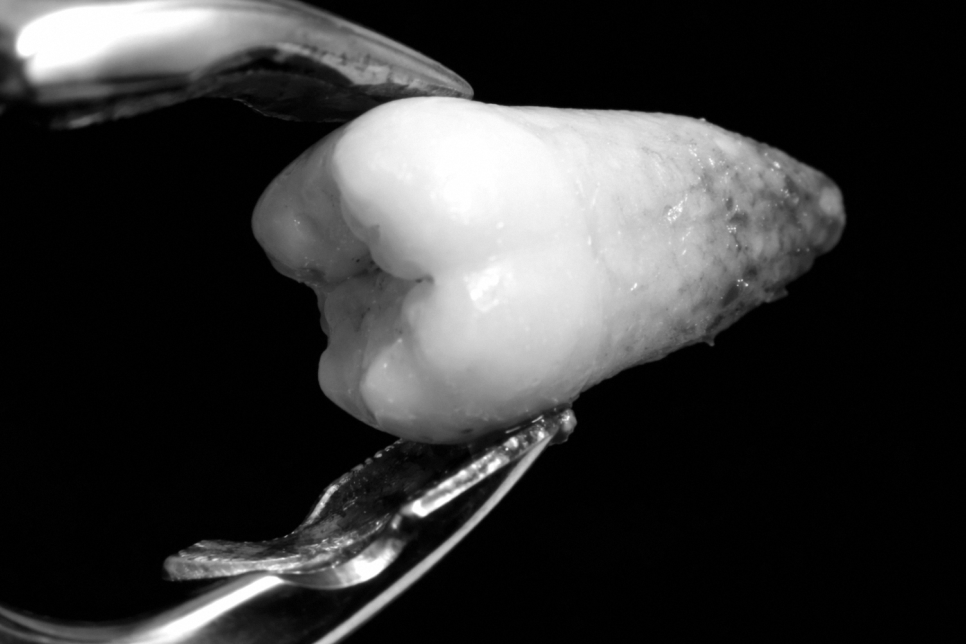
The amount of time the tooth remains outside the oral cavity
should usually be within 15 to 20 minutes.
The longer this takes,
the more likely the periodontal ligament cells are to be damaged,
which increases the possibility of ankylosis or resorption
after replantation.
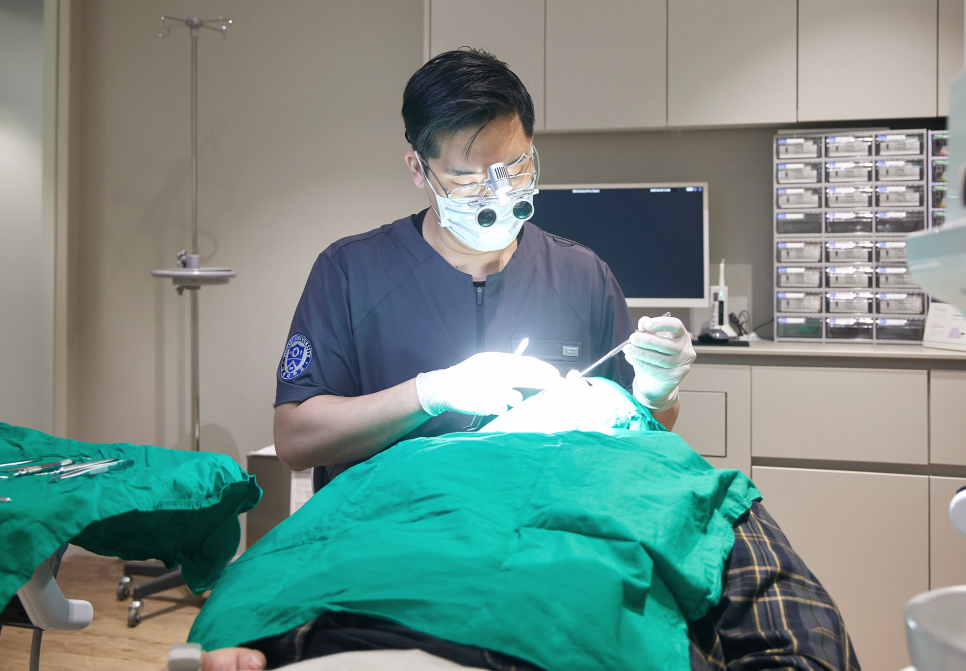
Within this short time,
the inflammatory tissue at the root tip must be removed,
and all procedures such as retrograde filling must be completed.
After that, the tooth is placed back into the original extraction socket,
and stabilization is maintained for a certain period.
Then, through radiographic imaging,
periodically observe whether the periodontal ligament is regenerating
and the bone is recovering.
In other words, the accuracy of the procedure and the treatment time
are key variables that determine the outcome.
- Indications must be checked first.
There is one thing I want to make clear at Magok Station Dental Clinic.
Intentional tooth replantation cannot save just any tooth.
If the periodontal tissue has severely deteriorated,
there is insufficient bone,
or if root fracture is present,
and the chance of improvement after replantation is low,
the procedure itself may not be applicable.
This treatment is selected only when there is a possibility of preservation
under the correct indications.
In other words, it is not something to be attempted unconditionally;
whether it is possible is determined in advance through precise examination.
- Answers to frequently asked questions
I will answer them here.
Since this is an unfamiliar procedure,
I think many of you may have questions.
So Magok Station Dental Clinic will answer some of the questions
we are often asked,
so please read carefully.
Q1. Is replantation better than an implant?
A. These two treatments are more a matter of sequence
than a direct comparison.
If a natural tooth can be preserved,
that direction is reviewed first.
An implant is the option chosen
when the natural tooth can no longer be maintained.
Q2. Can the tooth become weaker or fall out after replantation?
A. It is not possible to completely rule out the possibility.
If periodontal ligament regeneration does not occur well after replantation,
inflammatory resorption may appear.
As mentioned earlier,
treatment time, the procedure itself,
and the patient’s healing ability can all have a combined effect.
Q3. When does the pain go away after the procedure?
A. Pain and swelling may occur due to inflammatory reactions in the extraction socket.
In most cases, these subside within a few days,
but if there is infection or delayed recovery,
additional treatment may be needed.
Therefore, if the discomfort lasts longer than expected,
please do not hesitate to visit us.
Q4. I was advised to have an extraction at another clinic.
Can I get a second opinion?
A. Just because you were advised to have a tooth extracted,
that judgment is not necessarily final.
Whether intentional tooth replantation is possible
must be determined through CT and clinical examination,
by comprehensively reviewing the root shape, periodontal condition,
and previous treatment history.
Going through that process first is a good option,
but please do not wait too long.
Thank you for reading this long post.
This has been Magok Station Dental Clinic.