Hello.
This is Maggok Station Dental Clinic.
After receiving aesthetic prosthetic treatments such as all-ceramic crowns and laminates,
we often hear questions like these.
How long can I use them?
In fact, the lifespan of a restoration
is not determined by the material alone.
Some people use them for more than 10 years,
while others receive treatment again
within just 1 to 2 years.
Today, I will explain the factors that help aesthetic prosthetics stay healthy
and last longer.
Article contents
-
What happens after treatment is even more important
-
What happens if the prosthesis does not fit well?
-
Are there habits that shorten the lifespan without me realizing it?
-
Frequently asked questions
-
What happens after treatment is even more important
When treatment is completed well,
people tend to think everything is over.
However, the lifespan of a prosthesis
can vary greatly depending on whether it is properly managed after placement.
From the moment it enters the oral cavity,
it is exposed to various stimuli such as saliva,
temperature changes, and chewing pressure.
Especially after the initial restoration,
there is a certain amount of time needed
for the adhesive to fully cure.
During this period, avoid sticky or hard foods,
and take care of it until it settles stably.
Even when this initial settling goes well,
small changes can occur over time.
Just as natural teeth wear down as we age,
restorations can also wear on the surface during use,
which may lead to deformation or fracture.
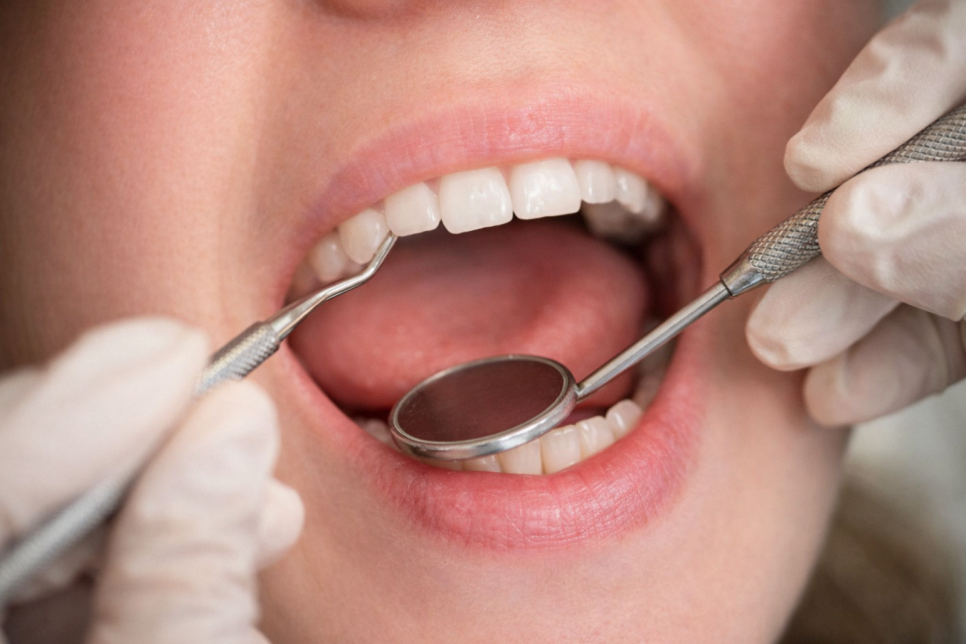
Therefore, Maggok Station Dental Clinic recommends checkups every 6 months to 1 year.
This is not simply about checking the oral condition,
but a way to inspect both the seal at the margin and changes in the bite.
- What happens if the prosthesis does not fit well?
The fit between the prosthesis and the tooth
is one of the key factors that determines its lifespan.
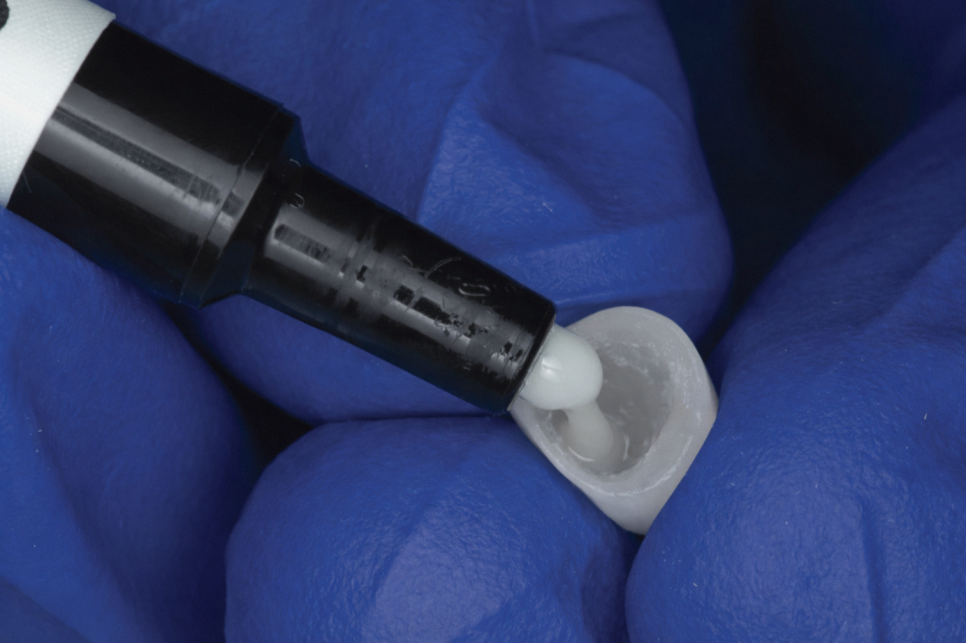
If a gap forms between the prosthesis and the tooth,
the cement layer can dissolve through that space,
leading not only to detachment
but also a very high possibility of secondary decay.
That is why the outcome varies greatly depending on
how precisely the impression-taking and lab work are performed.
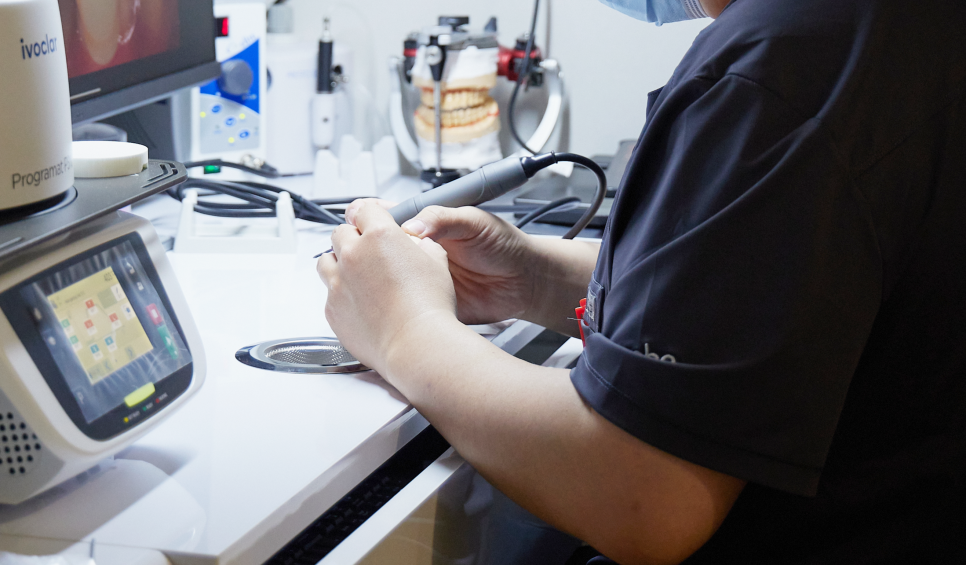
Some medical institutions, such as Maggok Station Dental Clinic,
which place importance on this, also have an in-house dental lab,
allowing careful fabrication tailored to each patient’s oral structure.
- Are there habits that shorten the lifespan
without me realizing it?
No matter how well a restoration is made with high-quality materials,
daily habits can shorten its lifespan.
A representative example is teeth grinding.
During sleep, teeth grinding applies strong friction dozens of times
without the person even realizing it,
and this force is much stronger than the chewing force used during meals.
As a result, natural teeth gradually become shorter,
and there are also many cases in which prostheses wear down and fracture.
If you have the teeth grinding mentioned by Maggok Station Dental Clinic,
it cannot be solved with restoration treatment alone,
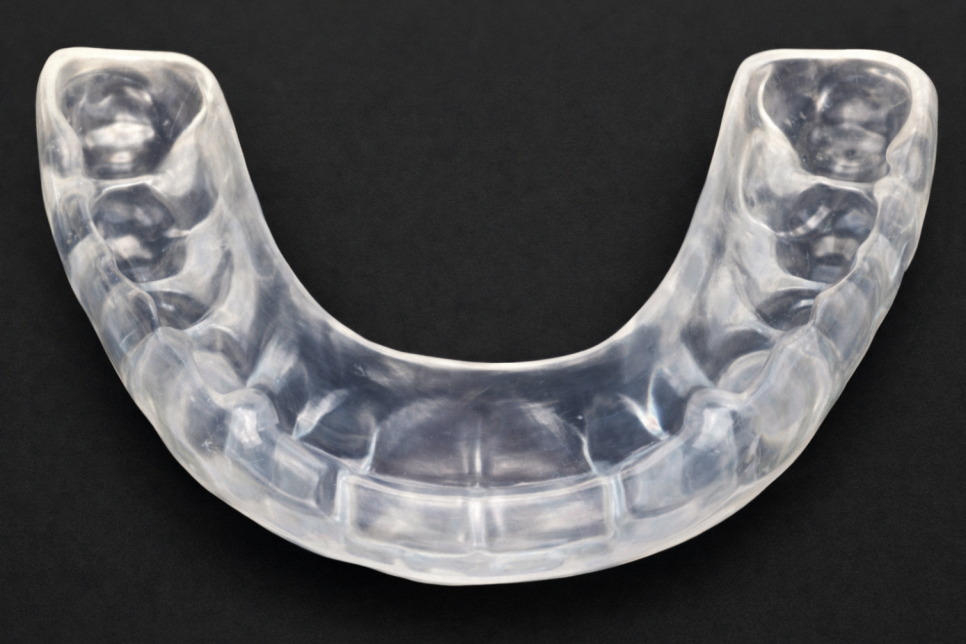
and we recommend protecting the teeth by using a night guard.
Other examples of strong stress include nail-biting
and eating hard, chewy foods frequently.
If you feel that you have these habits,
it is better to let us know in advance during consultation.
- Frequently asked questions
Today, we have organized below the questions
many people commonly wonder about.
If you refer to them before and after treatment,
it may be very helpful for using them longer and more healthily.
Q1. How long does a laminate last?
As mentioned earlier by Maggok Station Dental Clinic,
it depends on the material and the level of care,
but if well maintained, it can last more than 10 years.
However, this is based on the assumption that regular checkups and daily care
are consistently carried out,
and there are many cases where it lasts much less than that.
Q2. Is a sensitive feeling right after restoration okay?
At the beginning of restoration, during the tooth reduction process,
exposed dentin or a reaction to temperature stimuli
may cause sensitivity.
It usually eases within a few days,
but if the symptoms do not go away and continue
or become more severe, you should get evaluated.
Q3. Is it okay to receive scaling?
In fact, regular scaling is necessary.
Around the margin, tartar that cannot be removed with ordinary brushing alone
tends to build up easily,
and if left untreated, it can lead to inflammation.
Therefore, we recommend having it done together with a checkup
about once every 6 months.
Q4. How can I tell when a prosthesis needs to be redone?
If the prosthesis itself is chipped or comes off,
or if there is sensitivity or pain,
that is definitely a time when replacement should be considered.
On the other hand, even if it is not obvious,
if there is discoloration at the margin or the gums have receded,
you should get a detailed examination.
When the above symptoms appear,
it is already a stage that could lead to major treatment,
which is why regular visits are important.
Thank you for reading this long post.
This has been Maggok Station Dental Clinic.