If you’re looking for a dentist that explains things well
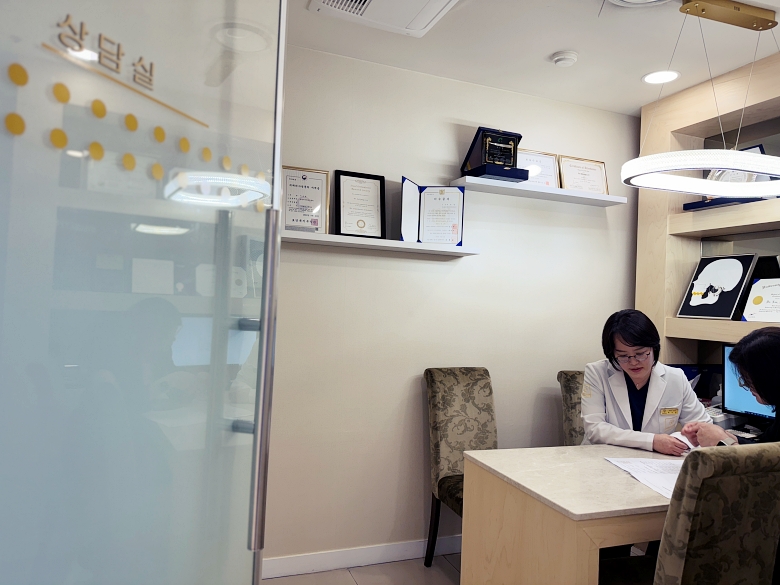
"I want to become a doctor who explains things well." That was the promise I made when I opened my practice. I was determined, but once I became a private practice dentist responsible for every aspect of running a dental clinic, I found myself having those oh-no moments without even realizing it. Recently, I’ve had a few experiences where communication problems came up, or I felt I hadn’t explained things enough, and I broke into a cold sweat.
I want to provide care by explaining things in everyday language, tailored to each person, and by first listening carefully to what they have to say, except when specialized medical terms are truly necessary. I think many people don’t just care about the diagnosis; they want to know what situation they’re in now and what to expect next. So how should we go about solving it? I believe that’s what they want to understand.
Even though that idea is clear in my mind, I recently realized that when my eagerness to offer the best possible improvement comes first, my explanations become insufficient. I feel it’s important to move forward with the mindset of being a little calmer, a little slower, and one step at a time.
A patient I could never forget
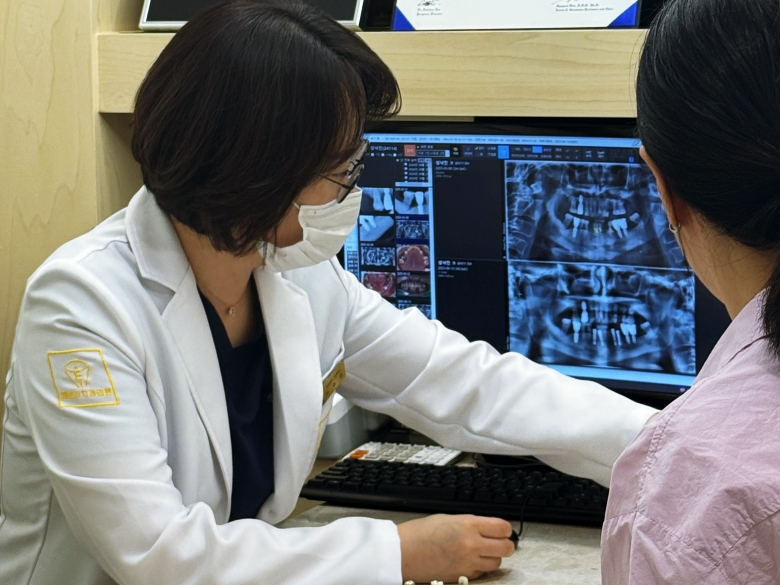
While providing dental care, I often feel that the most important thing is listening well to the patient. When I first became a doctor, I also thought, "Aren’t skill and knowledge the most important parts of treatment?" So during my years as a salaried dentist, I think I focused only on the oral conditions of the people I saw each day.
In the midst of a tightly packed treatment schedule and a busy environment, rather than listening to what patients were saying, I focused as much as possible on their symptoms, making a quick diagnosis, and moving on with treatment. But one day, a meeting with a patient changed that way of thinking.
That person came in because of tooth pain, but throughout our conversation, they seemed uneasy about something. At first, I also wasn’t able to listen carefully enough because I was so busy. But as we talked through things one by one and the tension gradually eased, they slowly told me what was bothering them. This patient had previously undergone treatment without a detailed explanation, and that had left them hesitant about expressing their symptoms.
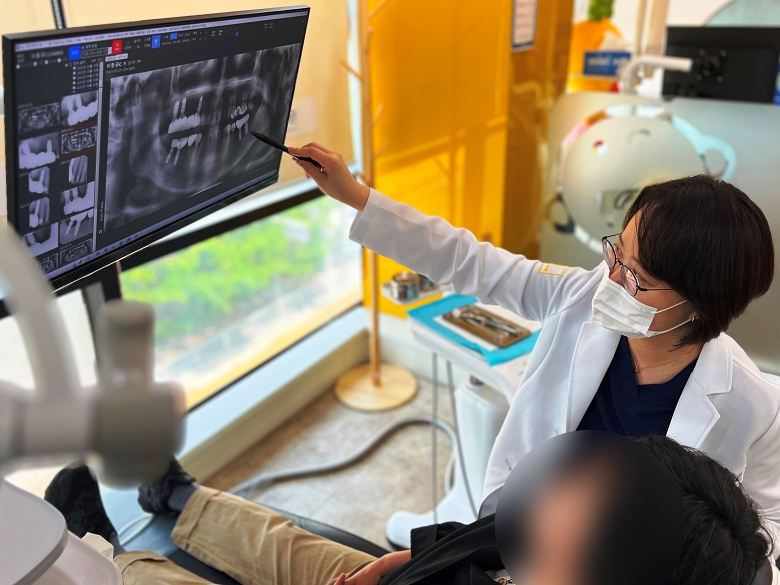
"Will what I say actually help with treatment?" "Won’t they just figure it out on their own?" or "Maybe it’s not really a big issue, and I’m just being too sensitive?" They said they didn’t know whether it was okay to talk about these things because those thoughts kept coming up first. As they shared more and more, I could see their expression gradually relaxing. And little by little, they started listening more closely to my explanations as well. It seemed like before treatment, they had been waiting for someone who would listen to their story.
The moment they had been able to speak fully and their tension eased, I realized something. What the patient really needed was not only medical help, but also empathy and understanding for their anxious feelings, as well as attentive listening to build trust.
Since then, I’ve started paying first attention to the emotions shown in a patient’s expression and tone of voice. If I carefully look for signs that someone may be uncomfortable, and if I understand in advance where and how much it hurts, how uncomfortable they are, I can provide quicker emergency care and make the process more comfortable. In the end, I came to believe that the true role of a dentist is to listen well to the patient and treat even their worries and feelings.
Listening and sufficient explanation
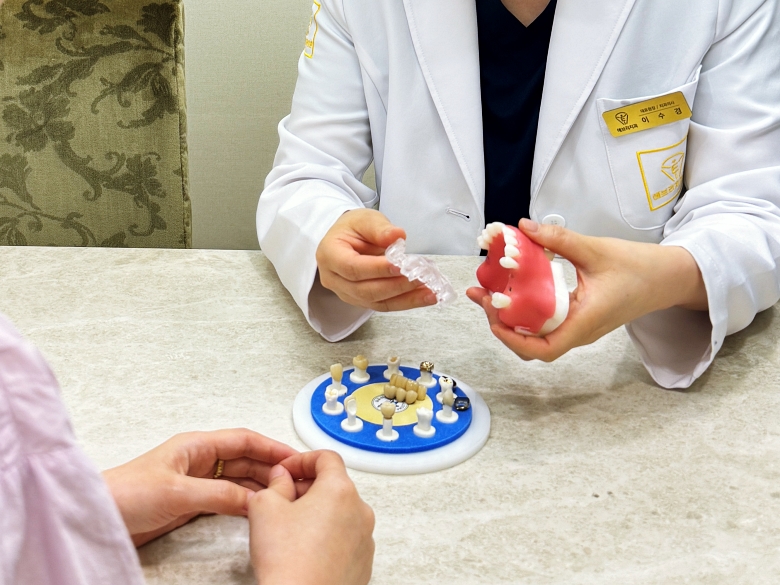
That experience also became the turning point that placed not only "listening" but also "sufficient explanation" at the center of my treatment philosophy. When providing care, I think the most important thing is whether the patient understands their condition and the treatment process well. They need to know in detail what treatment will be done so they can trust the doctor and lie back in the chair with less anxiety. If you’re lying there with a green surgical drape over your face without really knowing what’s going on, how worried would you be?
In the past, when I worked as a salaried dentist, there were times when there were too many patients and not enough time to explain things to each person individually. Most of the limited explanation was handled by the counseling manager, so patients also had too little time to ask the doctor questions. I always felt that was such a shame. So when I opened my own practice, I promised myself that I would make sure to set aside enough time for explanations.
Now, I do my best to explain a detailed treatment plan tailored to each person’s situation. This time is not simply about delivering information; it is also a valuable moment for emotional exchange and building trust. Keeping in mind that the person lying in the chair is not just a patient, and that this is not just a one-time procedure but something that can become part of everyday life, I try not to miss even the smallest expression or gesture.
I’ll listen first
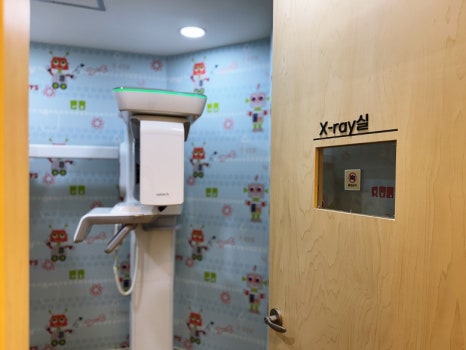

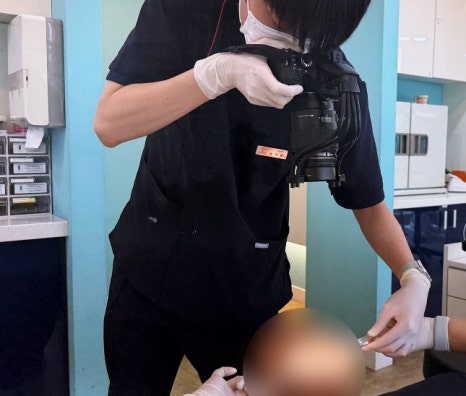
At Every, to explain an accurate diagnosis and treatment plan to patients, we take photos of the oral condition so they can see it directly with their own eyes. In particular, for adults visiting for the first time, we take intraoral photos from multiple angles and show them to them, and some people are surprised when they see the photos because the condition didn’t hurt much at first and they hadn’t realized how serious it was.
After treatment, we take photos again and show them the before-and-after comparison so they can see for themselves how much improvement has been made. We explain everything thoroughly once more so they can see and understand the results. This explanation-centered philosophy is something we make sure is naturally reflected throughout the treatment process. Explanations that support the patient’s understanding and trust are an essential part of care and the top priority.
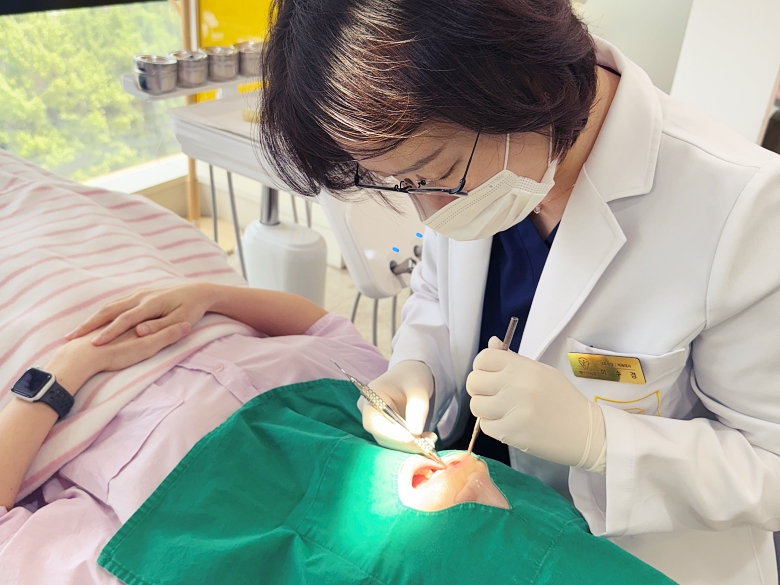
I fully understand the unfamiliar and frightening feelings that come with visiting a dentist for the first time. Anyone would feel anxious in an unfamiliar clinic with a doctor they don’t know. That’s why I always try to think from the patient’s perspective and work toward an accurate diagnosis, sufficient explanation, and attentive aftercare.
"They really explain things well here," and "Just having someone listen to me makes me feel reassured" are the best feedback I can receive. If you’ve ever hesitated to say what you wanted to say, or if you’ve had the experience of receiving treatment while feeling anxious because you weren’t given enough explanation, I hope you’ll open your heart once more. Every believes that listening to and understanding the mind is the true beginning of care, and we will continue to think together and do our best so that you can maintain healthy teeth for a long time.


Today as well, to become an even better Every, I’ll gather my resolve and cheer myself on. Have a great weekend!