Hello, this is Wujangsan Station Dental Clinic.
I’m Lee Su-gyeong, a specialist in integrated dentistry.
“Do children’s root canal treatments really need to be done?”
.
.
.
Since baby teeth are teeth that will eventually fall out,
many parents wonder whether it is okay to leave them alone.
However, a child’s dental health means more than just
‘preventing tooth decay.’
Baby teeth have a major impact on a child’s overall growth,
including the development of permanent teeth, eating, and speech.
So even a small cavity or pain should never be overlooked.
In particular, when decay reaches the nerve (pulp),
it can cause pain and infection,
which is why children need special care and treatment.
The method used at this point is
‘pediatric root canal treatment (Pulp Therapy).’
Unlike adults, children’s teeth are still growing,
so treatment must be tailored to the tooth structure,
resorption status, and developmental stage.
Today, at Wujangsan Station Dental Clinic,
we would like to introduce in detail
the necessity and methods of pediatric root canal treatment,
as well as post-treatment care, so parents can better understand the key information.
Wujangsan Station Dental Clinic Oral Health Information
- Why pediatric root canal treatment is needed
As mentioned earlier,
baby teeth are often left untreated because they are thought to be teeth that will fall out anyway.
However, children like sweet foods and
a have not yet developed proper brushing habits,
so cavities can occur easily.
At first, decay stays only on the surface of the tooth,
but it can gradually deepen and reach the pulp.
At this stage, inflammation and infection begin.
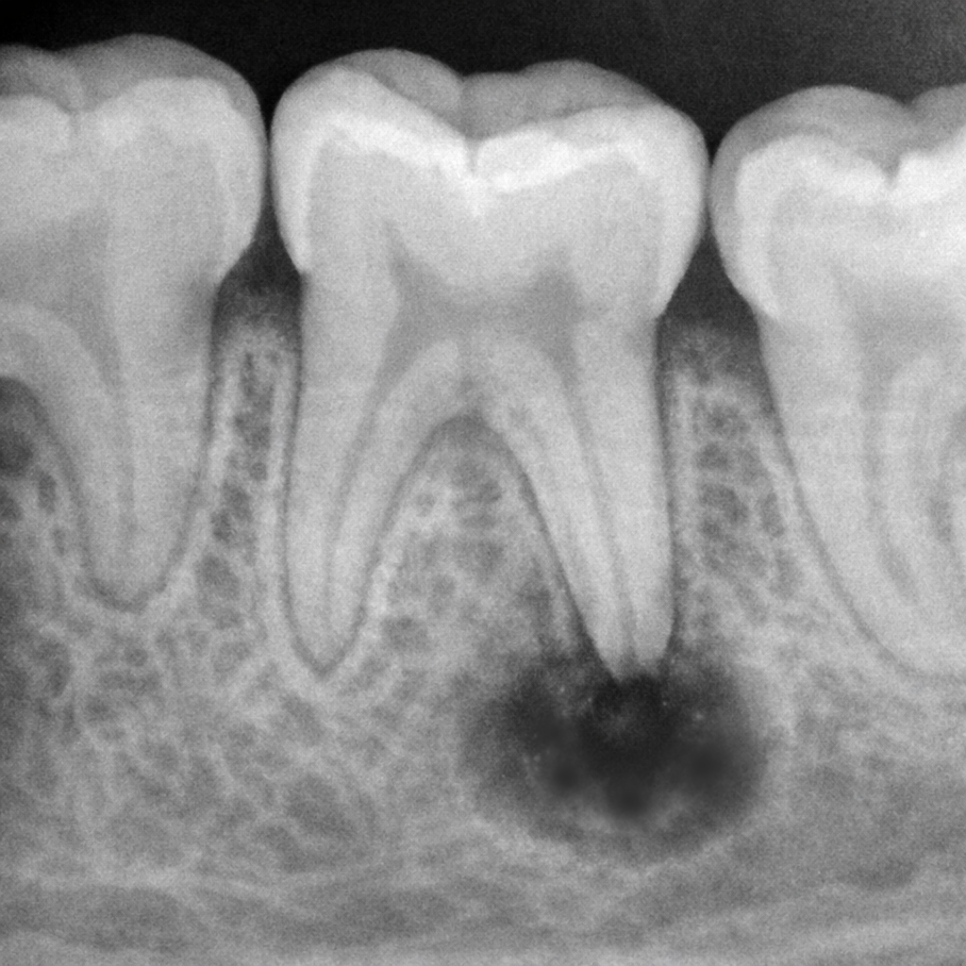
If left untreated,
an abscess can form at the root tip,
and in severe cases, it can affect the germ of the permanent tooth below
(*the early developmental stage of the permanent tooth that will grow in that space after the baby tooth falls out)
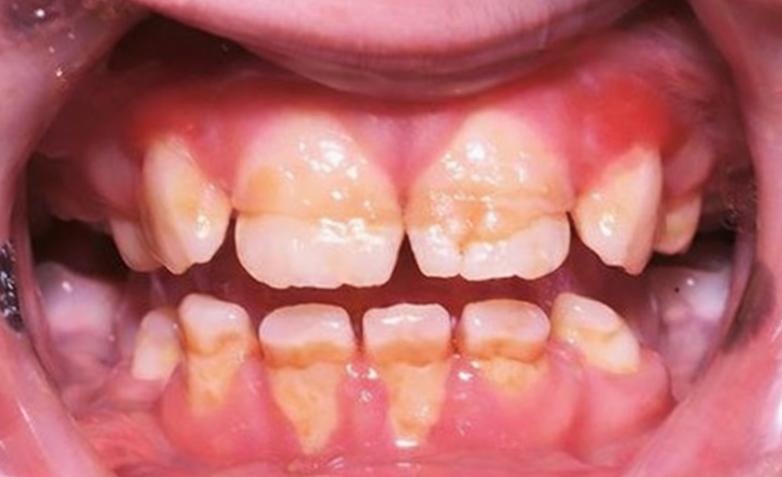
Enamel Hypoplasia
and may cause discoloration or developmental abnormalities in permanent teeth.
Also, if baby teeth are lost too early,
there may not be enough space for the permanent teeth to erupt,
which may even lead to orthodontic treatment being recommended.
Wujangsan Station Oral Health Information
- Pediatric root canal treatment methods
The treatment process itself is not very different from that for adults.
However, the treatment method varies depending on the condition of the tooth
and the stage of growth.
Broadly speaking,
it can be divided into
pulpotomy and pulpectomy.
- Pulpotomy
This is a method in which only part of the nerve infected by decay is removed,
while the remaining healthy pulp is left in place.
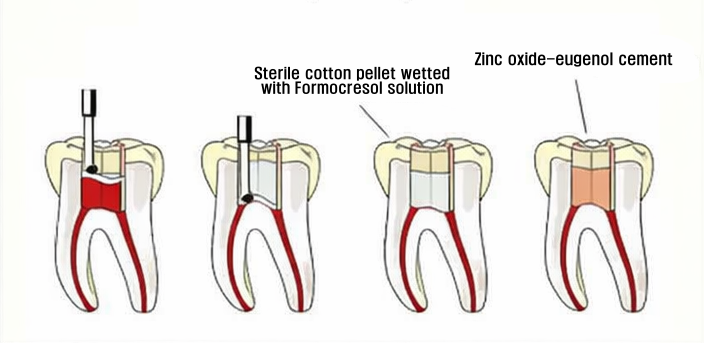
Baby teeth have a large pulp chamber and good healing ability,
so even if only part is removed, their function and development can be maintained.
After treatment, infection is blocked through disinfection,
medication application, and sealing of the tooth.
- Pulpectomy
If the entire pulp is infected,
it is all removed, the root canal is disinfected,
and then filled.
For baby teeth, biodegradable materials are used
in consideration of their resorbing structure.
*Substances that naturally break down, are absorbed, or are excreted in the body
Even after treatment, careful management is provided
so that the natural resorption of the baby tooth and the development of the permanent tooth are not interfered with.
Compared with adults,
for children the goal is not simply to remove the nerve,
but to preserve the tooth while supporting natural growth and development.
Wujangsan Station Dental Clinic Oral Health Information
- Post-treatment care
In principle, brushing should be
maintained properly,
and cold or hard foods should be avoided as much as possible,
while care should be followed according to the instructions given by the clinic.
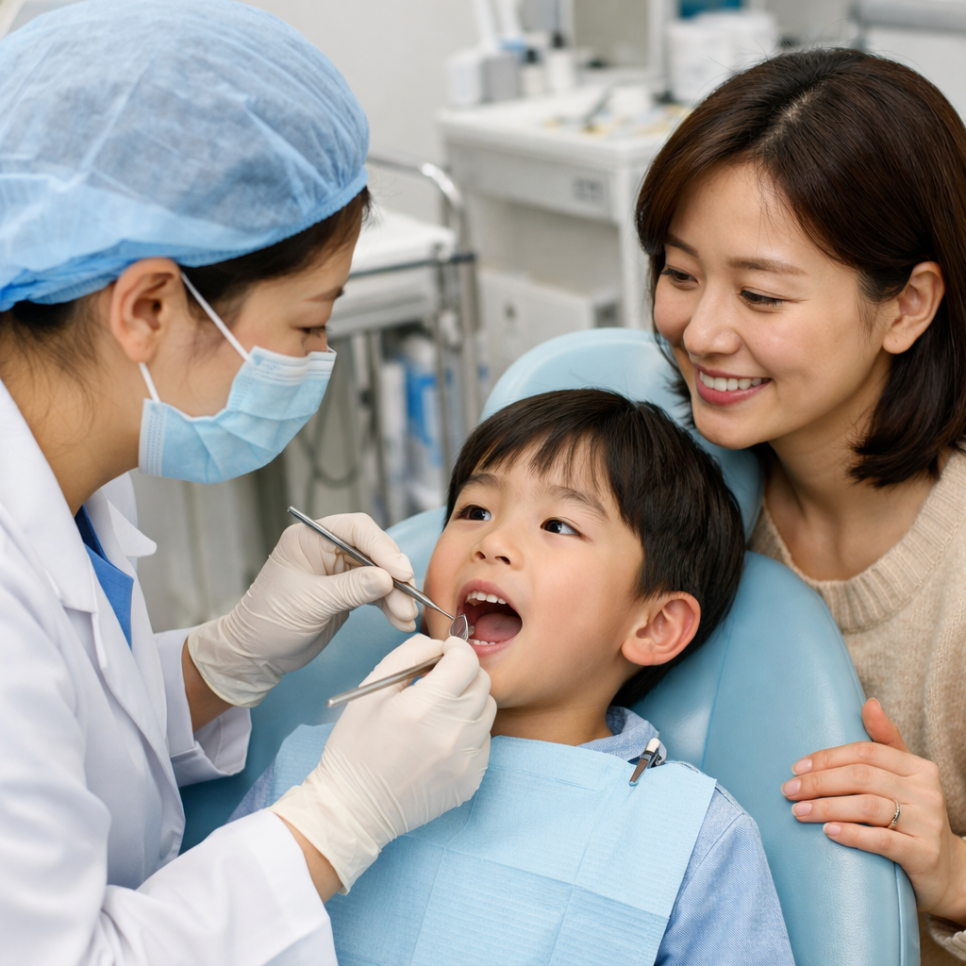
Above all, regular checkups are important.
By observing and recording the child’s dental condition,
chewing habits, and whether there is pain,
problems can be detected early.
Thanks to proper treatment and care,
the child can maintain tooth function
without discomfort in chewing or speaking.
If baby teeth are maintained at the right time,
permanent teeth can develop normally,
which can also reduce the likelihood of alignment problems or the need for orthodontic treatment.
The key to post-treatment care for children’s root canal treatment is not limited to brushing and food control,
but also observation and recording,
and protecting dental health through the child’s own participation.
A parent’s small habits and attention
can make a big difference in a child’s lifelong dental health.
Wujangsan Station Dental Clinic
- In closing
Pediatric root canal treatment is an essential procedure
that helps prevent the early loss of baby teeth
and supports the healthy eruption of permanent teeth.
Above all, early detection and treatment at the right time are key.
If any abnormal symptoms are found in a child’s natural teeth,
we recommend that you do not hesitate and have them examined during a regular checkup.
Lastly,
we recommend having a checkup every 3 to 6 months!
With that, I’ll finish today’s post here.
Wujangsan Station Dental Clinic
Lee Su-gyeong, Specialist in Integrated Dentistry
Thank you :)