Hello. We are Reborn Plastic Surgery, where we have been meeting with you for over 20 years at Sinnonhyeon Station Exit 1. :)
Aging usually starts to speed up in the late 20s. In particular, the face is an area that is completely exposed, so it can age more quickly due to the effects of ultraviolet rays and other harmful substances.
Our skin is generally divided into five layers: the skin layers (epidermis and dermis), the subcutaneous fat layer, the fascia layer, and the muscle layer.
When people usually say, “the skin has sagged,” many understand it to mean that the epidermis and dermis have aged, but in fact, the subcutaneous fat layer and fascia layer underneath can also sag together and change the shape of the face.
Even someone who had well-defined contours when young may develop nasolabial folds after entering their 30s, and as the flesh above them sags, the overall look of the face changes. The flesh around the jawline may also sag, making the face look broader or completely changing the impression.
At this point, one option to consider is a “facelift.”
Facelifts can be divided into two types: full facelifts and mini facelifts.
A full facelift offers definite results, but because the incision range is larger, there can be various burdens related to surgery and cost. For that reason, many people these days consider a mini facelift.
The effect of a mini facelift can vary slightly depending on which area is lifted.
If the forehead is lifted, sagging of the eyebrows or eyelids can be improved, and if the temples are lifted, nasolabial folds, jowls, and the jawline can be improved.
Among these, today we will take a closer look at the “temple lift (3-step temple lift).”
If you are curious about what changes occur before and after a mini facelift, please read carefully. :)
As people age, skin sagging is natural, but not many people clearly understand why this happens.
Of course, reduced cellular elasticity is one factor, but areas where the skin tissue is relatively thick and where some fat has accumulated are often the problem.
In these areas, because there is some space where the bone and tissue are attached, this area gradually becomes looser over time, and sagging becomes more noticeable.
On the other hand, let’s think about the scalp.
When you touch your cheek and then touch your scalp, what does it feel like?
It feels tight, and you can tell that the tissue is firmly attached to the bone to the point where the shape of the skull beneath can be felt 그대로.
That is why sagging of the scalp is generally much less pronounced and slower than sagging in the facial area.
This is exactly why the temples are lifted.
The temples cover a wide area, including the hollow space between the eyes and ears, as well as the area behind the ears—that is, the part covered by hair.
In other words, part of the temple area is included in the scalp.
If the temples are lifted, even when aging occurs later, loosening appears more mildly, so incising this area and pulling it up is more efficient than procedures in other areas.
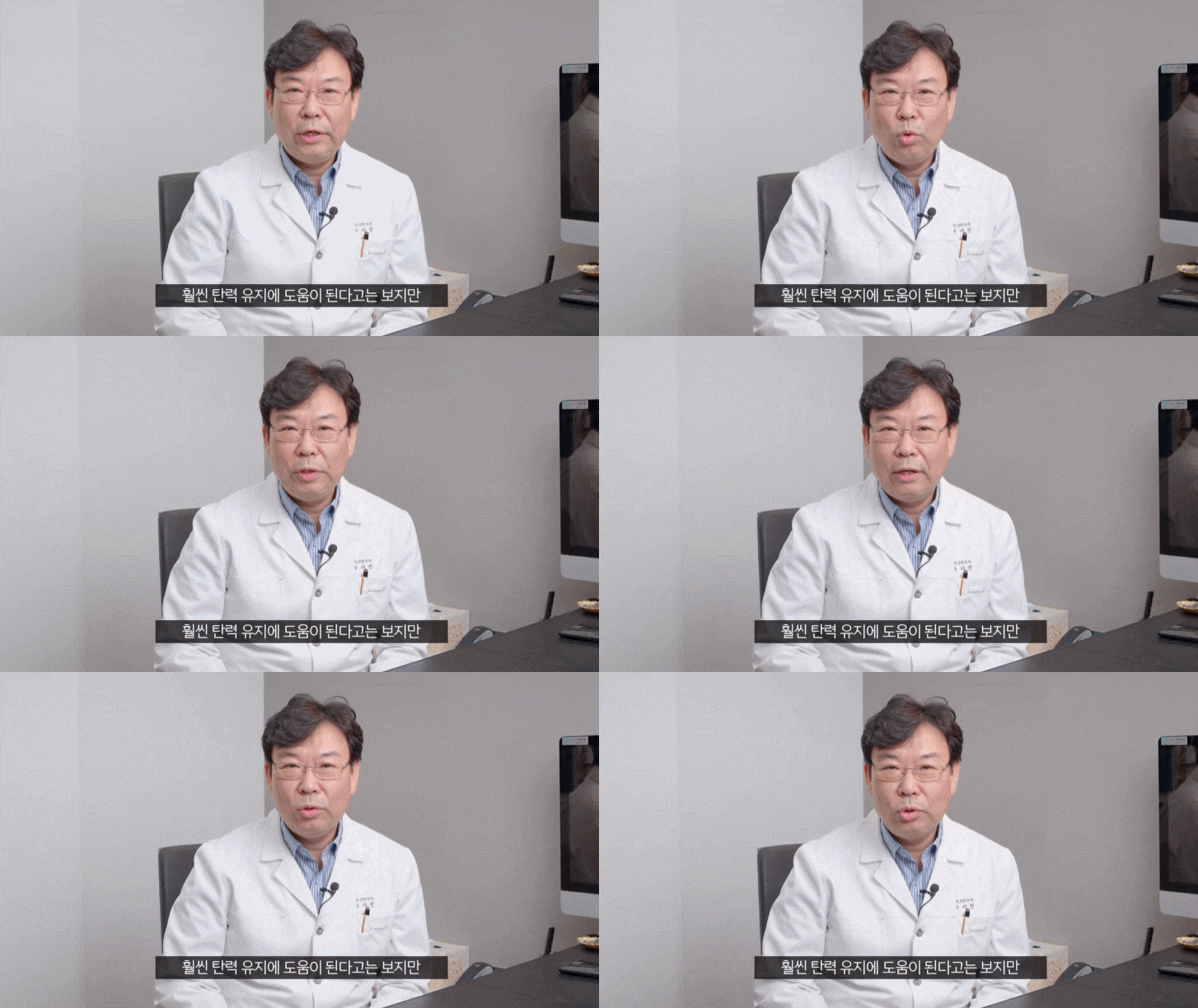
A temple lift is a lifting method that makes a small incision above the ear in the temple area and pulls the skin and fascia layer at the same time.
Because it is located on both sides, lifting this area can also lift the nasolabial folds, jawline, cheekbones, and cheek fat together, helping create a sharper facial shape.
It can be performed on its own, but for better results, it can also be done together with thread lifting.
In the case of thread lifting, threads are inserted into the skin tissue and pulled in the desired direction.
However, because it is a procedure rather than surgery, there are clearly limitations.
For example, if existing threads are used, the thread length is short, so they need to be inserted toward the cheekbone area, and if the force gathers around the cheekbones because of this, the cheekbones may become more prominent.
That is why our clinic uses threads that we manufacture ourselves, inserting them into the temples and using them to lift the cheekbone area as well.
However, if only thread lifting is performed, the effect is clearer than not doing it at all, but the effect lasts only until the threads dissolve and then gradually returns to the original state. To extend the maintenance period, we combine it with a temple lift.

No lifting procedure lifts only the skin.
In particular, what causes cheek and jaw sagging is the sagging of the fascia layer, so the skin and fascia layer must be lifted together to achieve good results.
At this time, the important thing is to carefully release the retaining ligaments without touching the nerves and to smoothly pull the SMAS layer.
If the nerves are affected incorrectly, side effects such as facial paralysis can occur, so it is important to have the surgery performed by a medical team with extensive experience.
Also, if the temple area is cut incorrectly, the hair roots and follicles can be damaged, and hair may not grow back.
That is why our clinic performs an oblique incision that protects the hair follicles and roots, allowing hair to grow back in the incision area and helping prevent such issues.
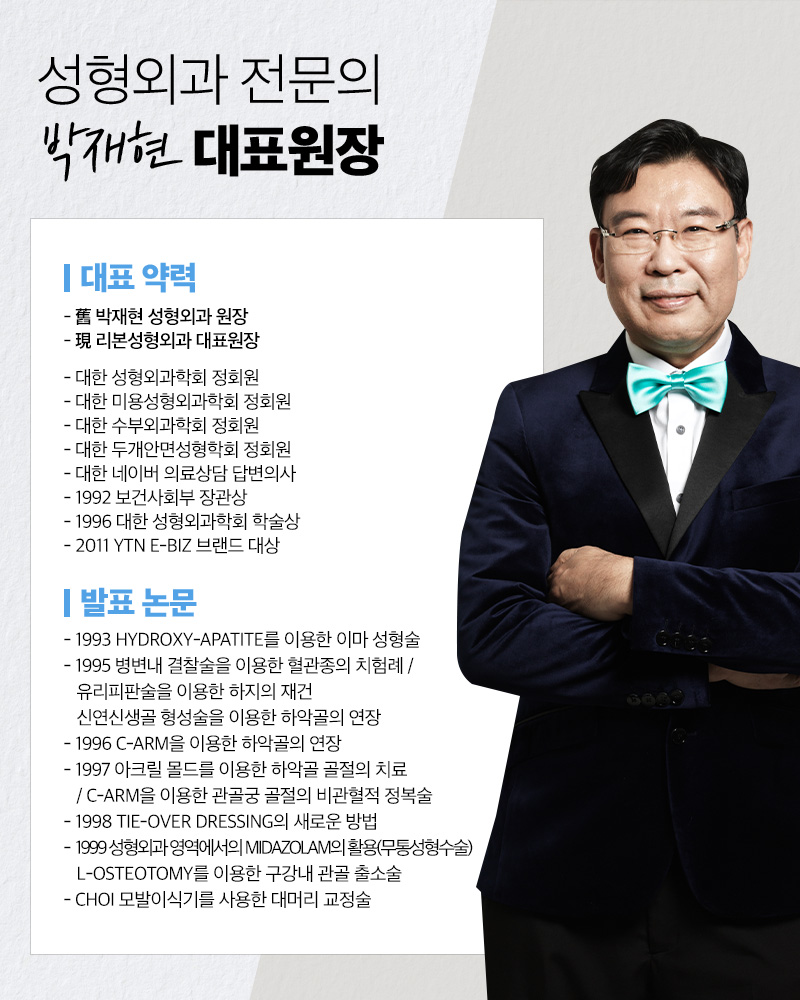
I think the reason we have been able to meet patients in one place for over 20 years is because they have trusted us.
We perform surgery based on long experience, so if you need help, please contact us.
Thank you. :)