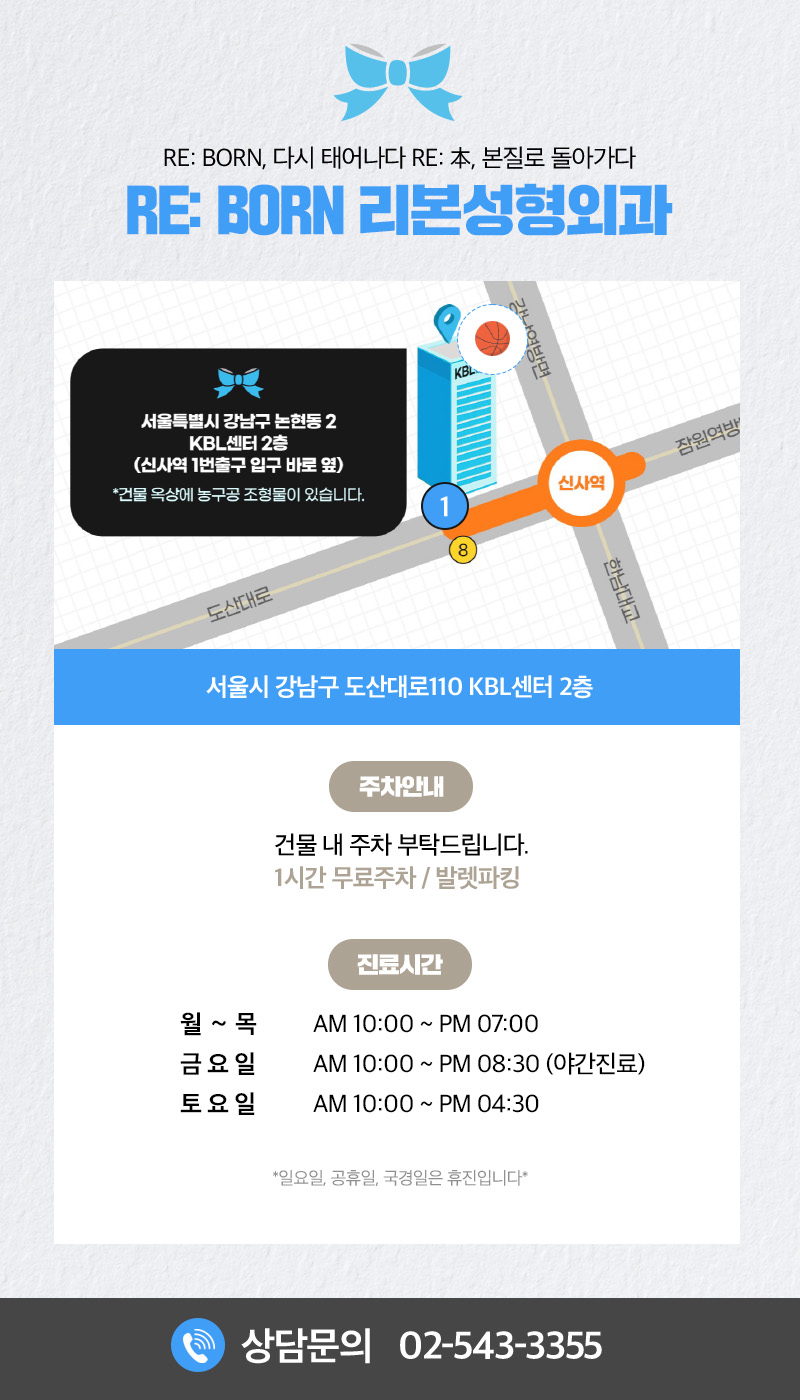
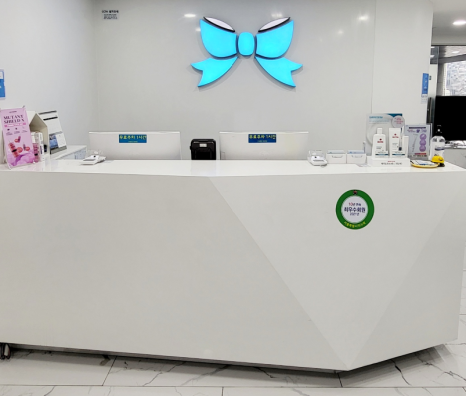
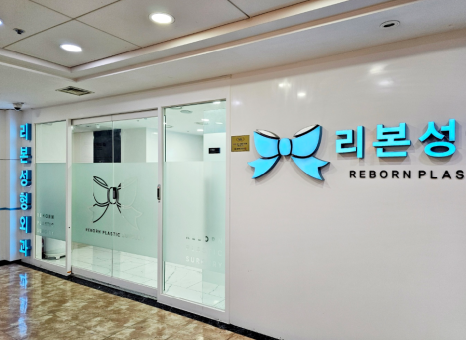
Hello. We are Ribon Plastic Surgery, welcoming you at Exit 1 of Sinsa Station. :)
Aging refers to the gradual degeneration of the body’s structure and function over time. First, at the cellular level, differentiation and proliferation decrease, causing the structure of certain molecules to change.
Using the skin as an example, collagen, elastin, and hyaluronic acid, which play very important roles in elasticity, are lost faster than they are regenerated, leading to various structural changes.
In particular, skin is located in the outermost layer to protect our body. As a result, it is exposed to many irritants from harmful substances, and the effects of ultraviolet rays, which accelerate aging, can make signs of aging stand out more clearly.
Recently, with major advances in medical technology, methods for improving this kind of skin aging have been introduced.
A representative example is the 'facelift'.
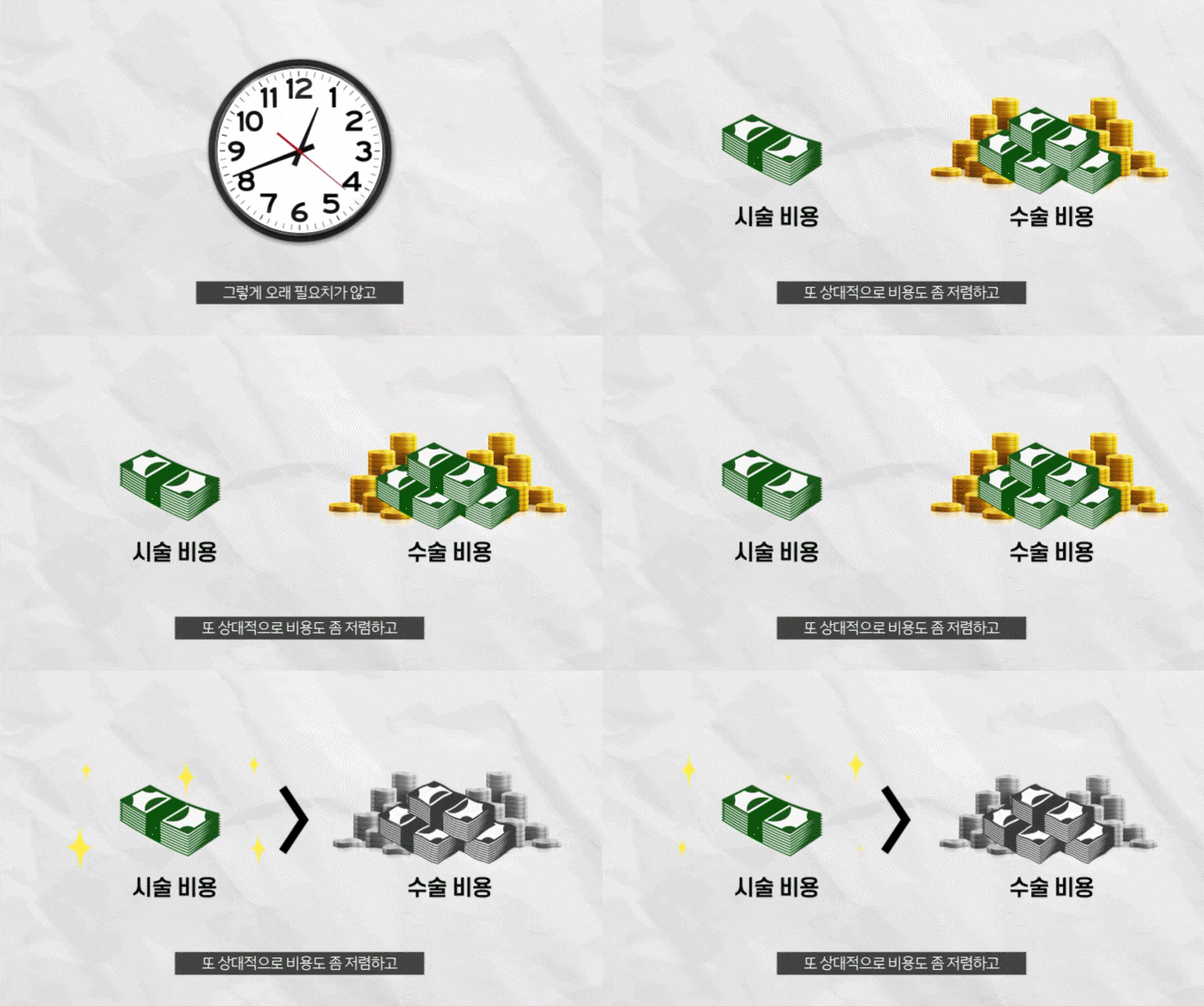
A facelift is a surgery in which an incision is made along the hairline and the entire skin is pulled upward. Because it involves removing sagging tissue, the visible effects are clear, but it also carries risks and can be costly.
That is why, in recent years, many people have chosen a mini facelift, which is stronger than a procedure but less burdensome in many ways than lifting the entire face.
One of the representative options is the <Three-Step Temple Lift> we will introduce today.
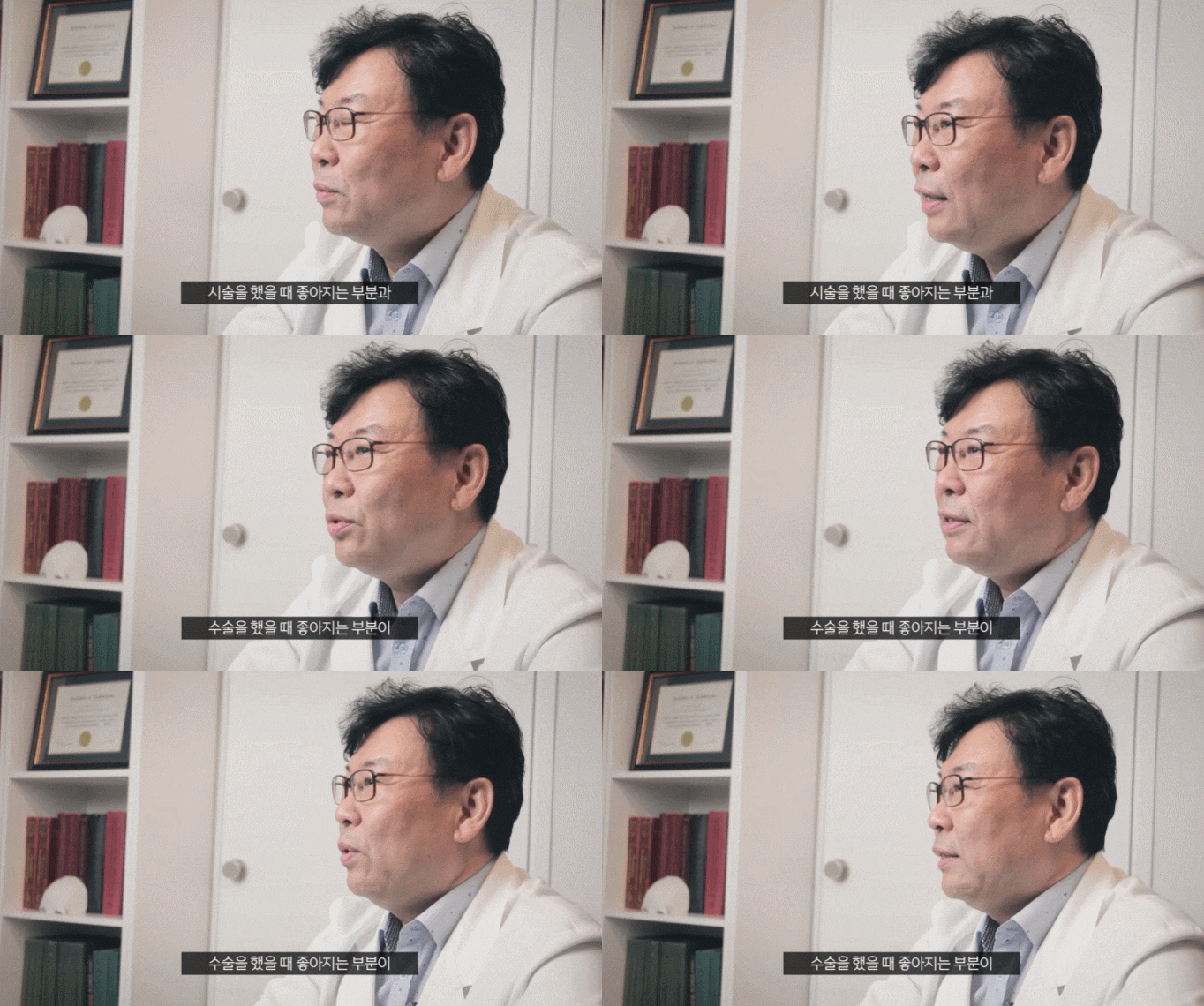
What is a Three-Step Temple Lift?
When we usually think of the temple, we refer to the hollow area between the eyes and the ears.
However, medically, it is considered to include the area where muscles are connected, so the temporal area hidden by hair is also referred to as the temple.
A Three-Step Temple Lift is a surgery that lifts the temple area, that is, the 'temporal region.' :)
The temple has very unique characteristics. First, compared to the face, the skin is thin and firm. Also, unlike the area under the cheekbone or around the eye sockets, it is attached to the skull, so the space between the bone and the skin is very narrow.
In other words, compared to the face, the skin tissue is much more firmly attached to the bone structure, which means it is less likely to sag.
If the temple is incised as much as needed and the lateral area is lifted, excess tissue remains. By removing this part and suturing it carefully, it is possible to lift the side contour and even sagging cheek tissue.
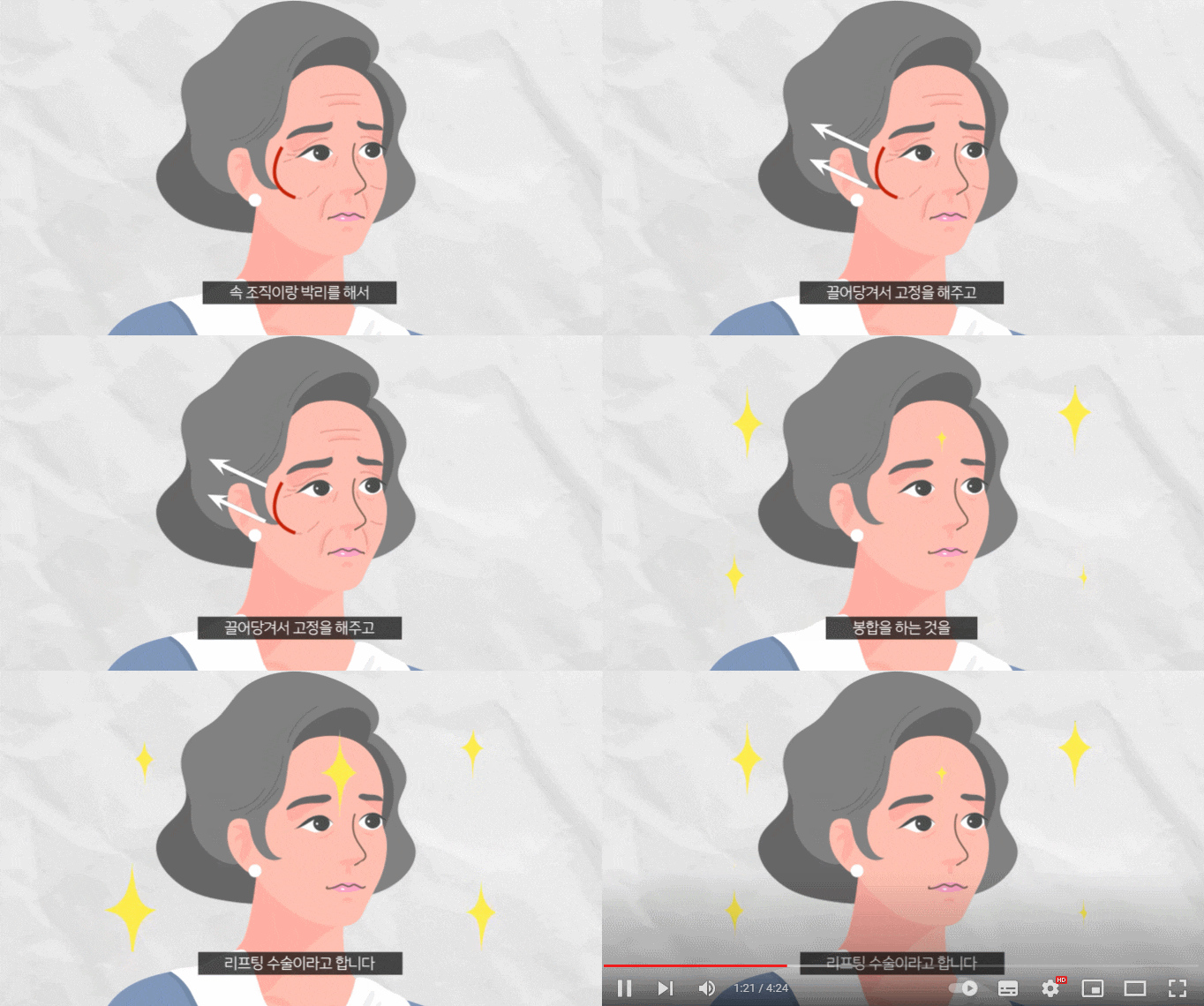 What areas can benefit from a Three-Step Temple Lift?
Depending on the direction in which the temple is incised and pulled, various effects can be expected.
For example, if it is incised and pulled horizontally, the sagging jawline can be pulled upward, creating a much more refined impression.
However, if the incision is made at a slight angle, it can also improve the outer corners of the eyes, which tend to droop with age, as well as fine wrinkles.
That is why some middle-aged patients, when procedures limited to the eyes (such as upper blepharoplasty or brow lift) are not suitable because of the structure of their eyes, often undergo a temple lift to improve the outer corners of the eyes and the surrounding wrinkles.
However, when lifting is needed in areas with thin skin, such as around the eyes, pulling the tissue too strongly can instead cause the eyes to be pulled upward,
making the expression look sharper or wrinkles appear deeper.
Therefore, depending on which area you want to lift, a thorough plan must be established in advance, and the incision and traction must be performed in a way that is appropriate for the patient so that a natural lift can be achieved.

What should be kept in mind during a Three-Step Temple Lift?
- It is not enough to simply pull the skin; the SMAS layer must be appropriately dissected.
Inside our skin is a fascial layer called the SMAS layer. It is a very thin membrane located between the subcutaneous fat layer and the muscle layer.
Above this fascial layer are the subcutaneous fat layer, dermal layer, and epidermal layer, and to firmly support these tissues, retaining ligaments are connected upward from the fascial layer.
As aging progresses, this fascial layer also gradually weakens, and this is one of the main causes of sagging cheeks.
If, in this state, only the skin (dermis and epidermis) is pulled upward, what happens? The force of the retaining ligaments anchored in the fascial layer continues to act, pulling the lifted skin back to its original position.
Then, even after surgery, there is a high possibility that the area will return to its previous state before long.
That is why the key to a Three-Step Temple Lift is not merely pulling the skin, but carefully dissecting the retaining ligaments in the fascial layer so that the skin can naturally move upward and be secured in place.
- When making the incision, care must be taken to avoid damage to nerves and hair follicles.
The temple area has sensitive nerves passing through it.
In particular, because hair follicles are located there, improper handling of this area may cause concerns about nerve paralysis and side effects such as hair not growing back.
That is why our clinic makes the incision diagonally to preserve the nerves and avoid disturbing the hair follicles, reducing the likelihood of postoperative side effects.

If you need help, please feel free to contact us anytime. Our entire medical team always has an open heart and is waiting to welcome you warmly. Thank you!