It has already been well over two years since the virus called COVID-19 broke out. There is still no perfect vaccine or treatment, but as the fatality rate has fallen and it has come to feel like a virus that lives with us like the common cold, another virus is now spreading worldwide.
That virus is monkeypox.
Many people may be hearing about the disease called monkeypox for the first time.
What is monkeypox (Monkeypox)?
It is a zoonotic infectious disease caused by infection with the Monkeypox virus. It is a viral disease with low transmissibility and moderate severity, similar to human smallpox, which has been declared eradicated worldwide, and is endemic in regions of West Africa such as Nigeria.
It is known to spread between people through contact with lesions and bodily fluids, respiratory droplets, and contaminated materials such as bedding.
According to the World Health Organization (WHO), most infected people recover naturally, and the fatality rate is said to be around 3% to 6%.
*Zoonotic infectious disease refers to an infectious disease caused by a pathogen that is mutually transmitted between humans and animals, generally meaning an infection that is 'passed from animals to humans.'
The definition of a zoonotic infectious disease given at a 1952 World Health Organization (WHO) expert meeting was 'a disease or infection naturally transmitted between vertebrates and humans.'
The first confirmed case of monkeypox was reported in the UK on May 6, and as of the 30th, the number of confirmed or suspected cases has risen to 542 in 36 countries worldwide. That naturally raises concerns about whether it could become a pandemic like COVID-19.
However, experts still believe the likelihood of monkeypox becoming a pandemic like COVID-19 is low. Still, because cases are occurring simultaneously in many countries, people are curious about the cause, symptoms, transmission routes, and whether there is a vaccine.

As for the cause of monkeypox spreading globally, Dr. Bernimoss of the U.S. National Institute of Allergy and Infectious Diseases wrote in Nature on the 27th that 'the simplest explanation is that the non-African person who first became ill this year had contact with an animal or person infected with the virus in West Africa.'
Also, on the 20th, the Tropical Medicine Institute of Belgium stated, 'Based on the gene sequencing results, it is certain that the virus in our country’s patient came from Portugal.' In fact, the Belgian patient had visited Lisbon, Portugal. However, it is said that it has not been confirmed where the Portuguese patient was infected.
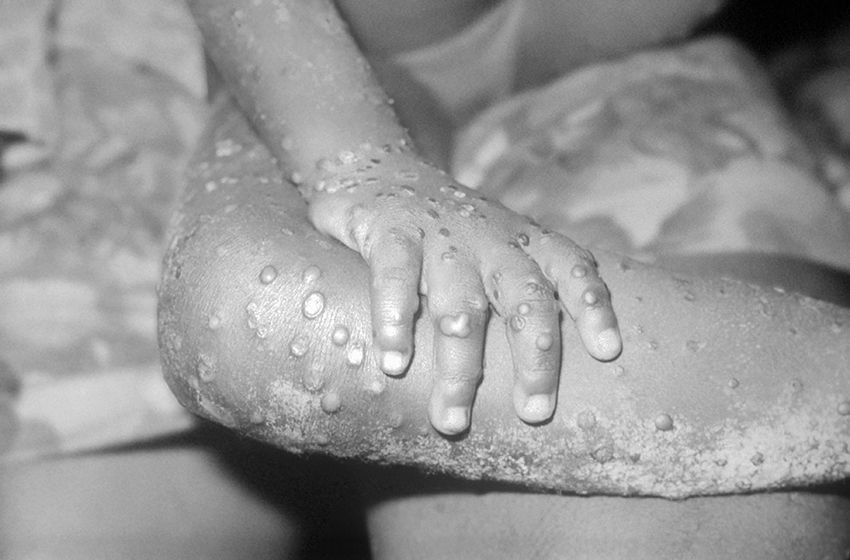

The main symptoms of monkeypox are fever and headache. In addition, it usually begins with muscle aches, back pain, swollen lymph nodes, and fatigue, followed by a skin rash centered on the face 1 to # days later, which then spreads to other parts of the body.
Symptoms usually appear and then disappear within 2 to 4 weeks. However, in severe cases, the fatality rate is higher in children, people with weakened immunity, and pregnant women, so caution is needed.
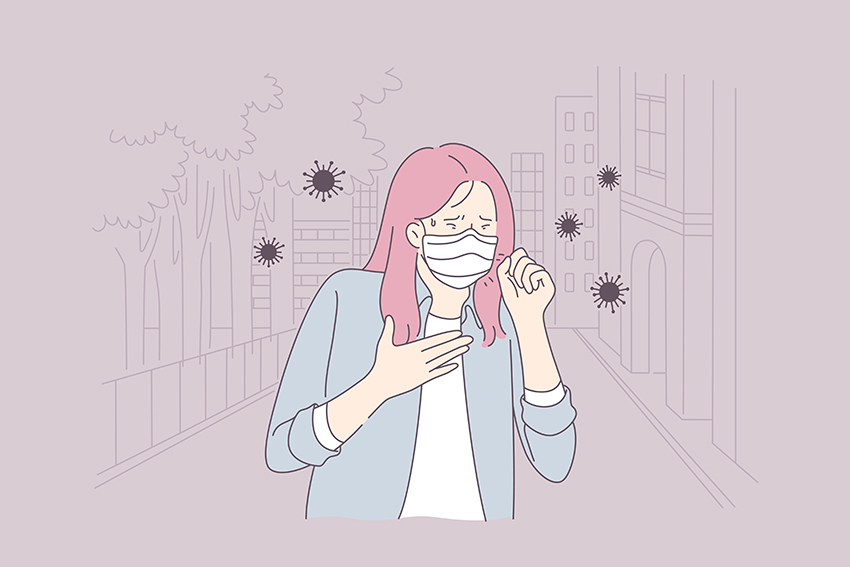
Because many infected people were concentrated at gay events in Spain and Belgium, it was announced that monkeypox was related to men who have sex with men. However, experts say monkeypox is not transmitted through semen or secretions during intercourse like the AIDS virus. Instead, like COVID-19, it spreads through close physical contact via skin wounds, bodily fluids, and droplets. In other words, the monkeypox virus appears to have simply entered and spread within the gay community by chance.
In this way, monkeypox is transmitted through an infected person’s lesions, droplets, bodily fluids, and so on.
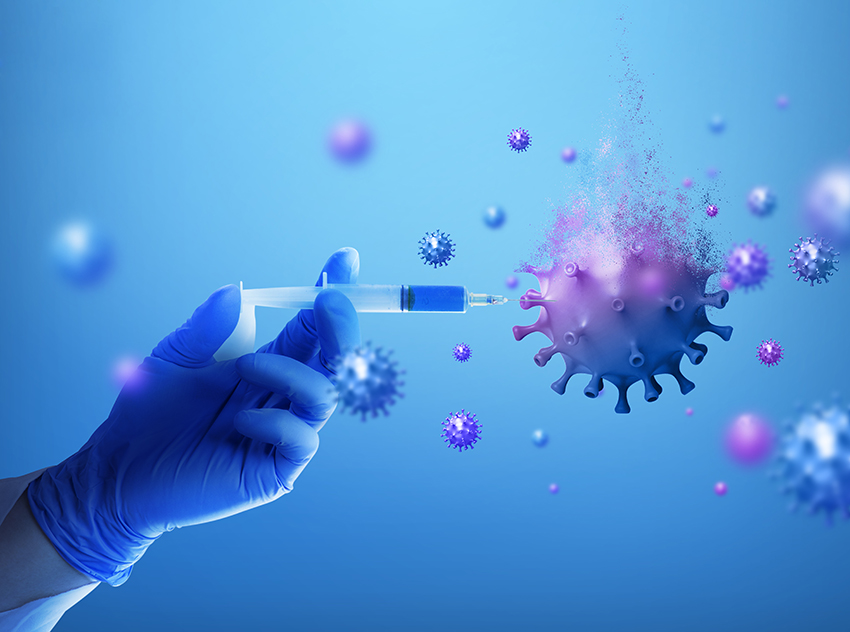
The biggest reason human smallpox was eradicated was the role of vaccines. Unlike smallpox, which had a high fatality rate, monkeypox has a fatality rate of 3% to 6%, so it is natural to wonder whether vaccination is necessary. Since confirmed cases continue to appear in various countries, it seems that getting vaccinated would be a good idea. However, because it has never been transmitted to humans in this way before, it also raises the question of whether a vaccine even exists.
There is a vaccine for monkeypox.
However, there is no treatment developed specifically for monkeypox, and it is said that prevention is possible with the smallpox vaccine, which is similar to monkeypox. Since smallpox has not occurred since the 1980s, vaccination was discontinued, but many countries, including Korea, are said to stockpile smallpox vaccines.
Unlike ordinary vaccines, the smallpox vaccine is said to be difficult to administer. Because it is a live vaccine, it must be quickly pricked 10 to 20 times using a bifurcated needle with a split tip. In addition, care must be taken to keep the vaccinated area from being exposed to the outside.
In the case of COVID-19, it spread rapidly as mutations increased transmissibility. Because of that, there is also concern that monkeypox may mutate and cause a pandemic.
Fortunately, monkeypox is said to be DNA with fewer genetic material mutations.
Since it is a zoonotic infectious disease that can be transmitted between humans and animals, it could spread to pet dogs and various other animals and become an endemic disease not only in Africa but worldwide, so I hope no additional cases of infection are reported.