Many East Asians have short, small noses, but some people do have a long nose.
Because the nose is located at the center of the face, a long nose can make the face look longer, especially the midface, and this can become a source of stress.
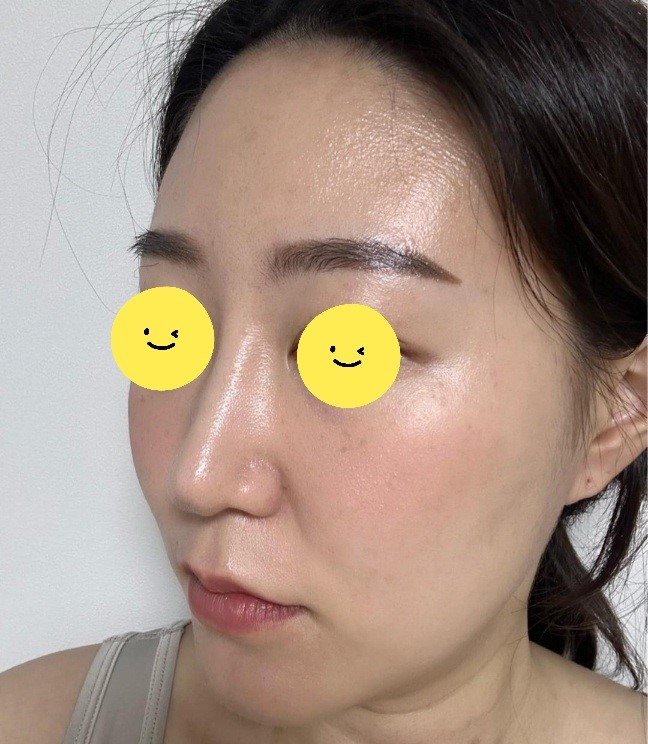
A real model who consented to disclosure. Case of long nose, arrow nose, and revision rhinoplasty
In addition, a nose that appears long relative to the face can make a person look older, so more people are considering it along with anti-aging plastic surgery.
Because the nose also has facial expression muscles, it can look longer depending on facial expressions. In particular, when smiling, the tip of the nose may droop more and fall downward in an arrow-like shape.

The length and shape of the nasal tip change depending on facial expressions
When the nasal tip hangs down in a long shape, it is called a long nose or arrow nose. There are several factors that create this shape, but the depressor septi nasi (DSN) muscle is important.
The depressor septi nasi is also called the nasal septum depressor muscle depending on the translation of the medical term.
The depressor septi nasi (DSN) is a muscle located between the orbicularis oris muscle, which moves the mouth, and the alar cartilage at the tip of the nose. It is the muscle that creates the movement of pulling the nasal tip downward when making facial expressions.
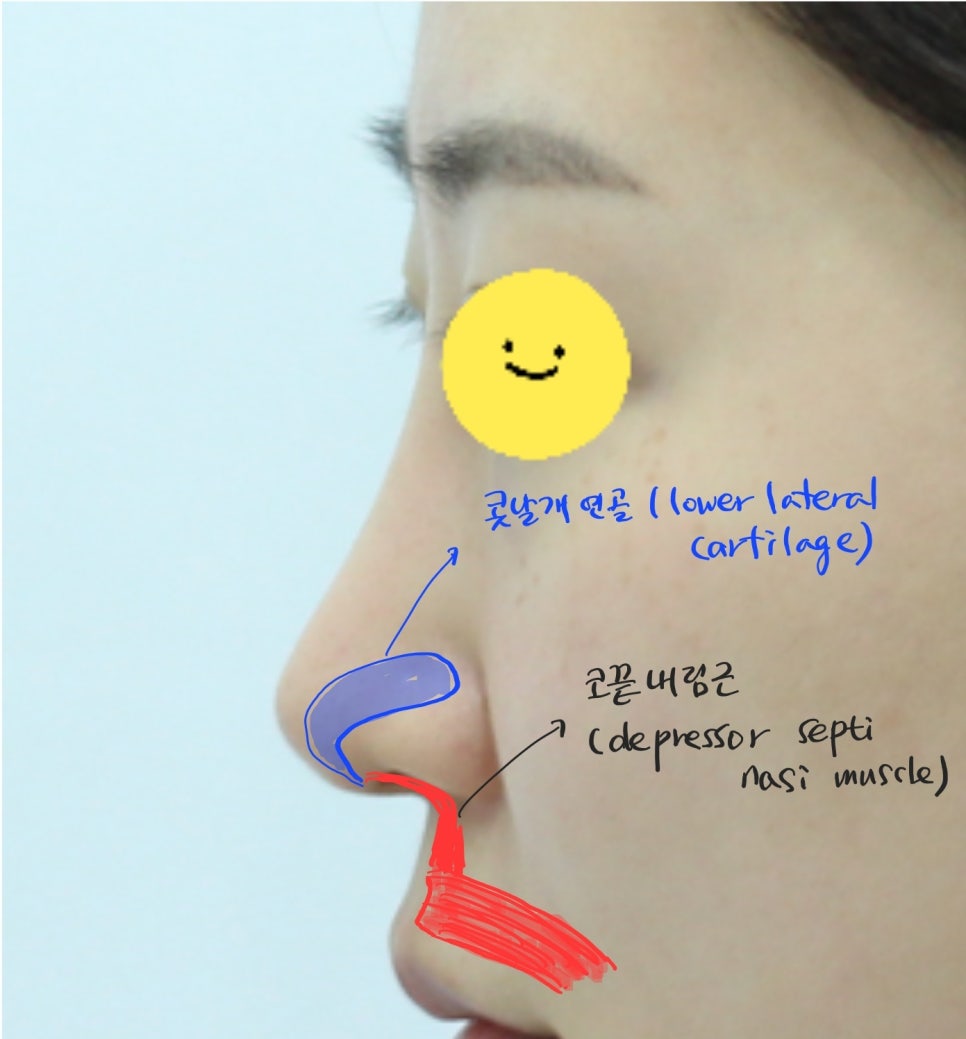
Depressor septi nasi muscle, DSN
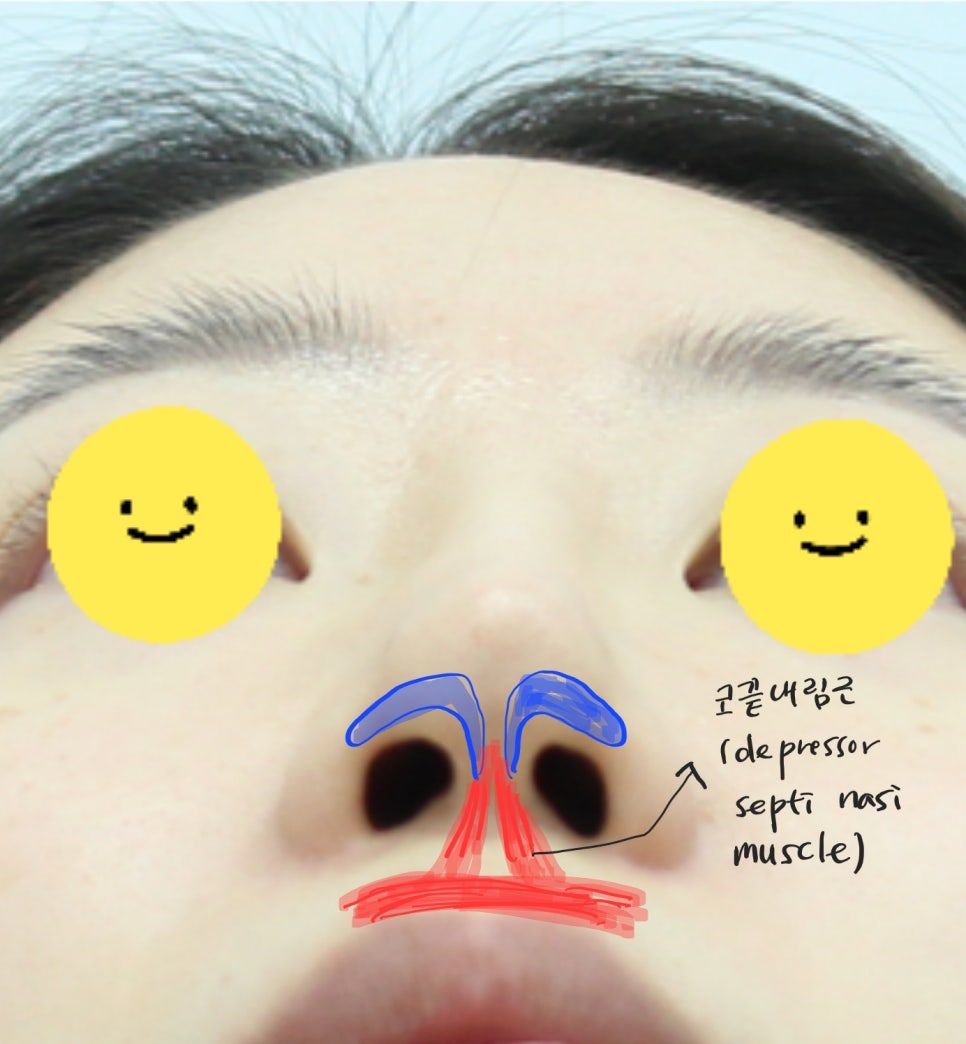
Depressor septi nasi (DSN)
Because of this muscle, the nasal tip can look longer or droop into an arrow-nose shape when smiling, and even after rhinoplasty, the nasal tip may drop during recovery, which can also be influenced by this muscle.
The angle formed by the nasal tip and the upper lip is called the nasolabial angle.
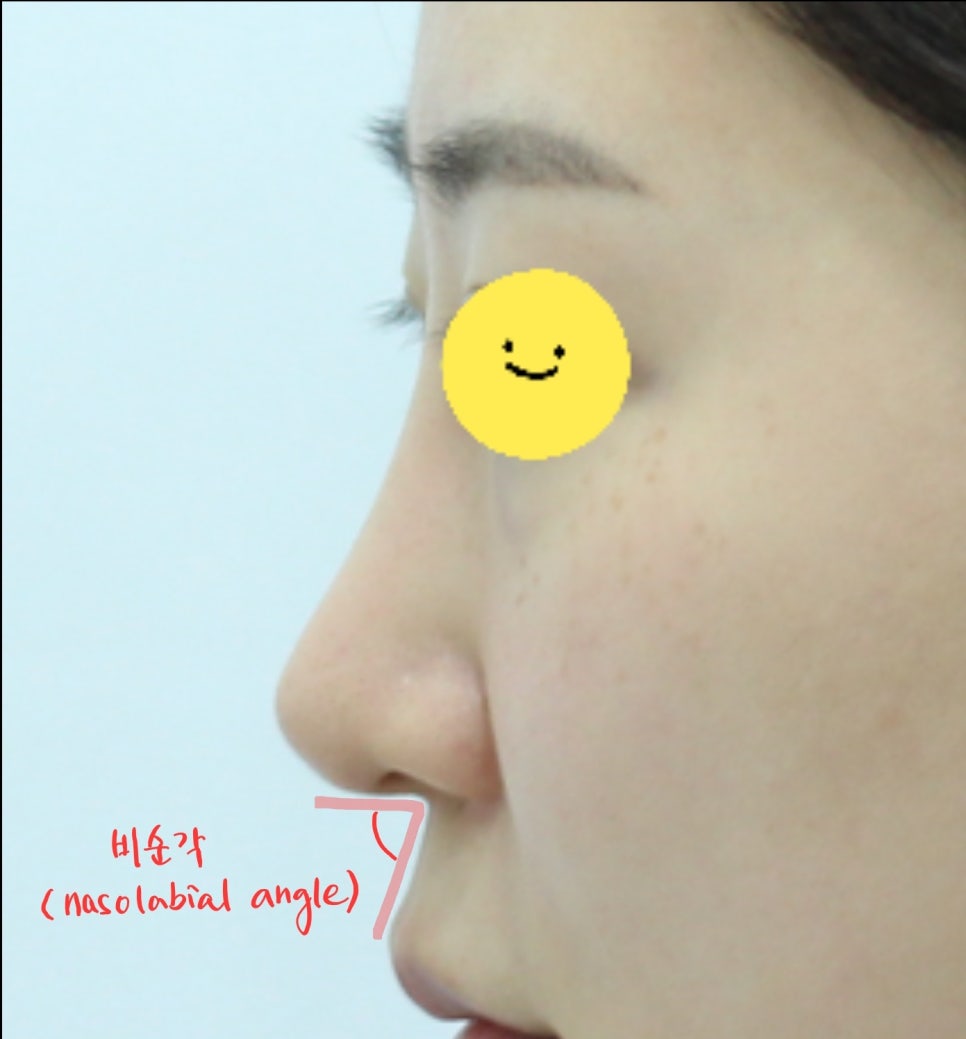
The nasolabial angle
In long noses or arrow noses, the nasolabial angle between the nose and upper lip is usually an acute angle of 90 degrees or less, which can make the mouth look protruded or give an unrefined impression.
Nasolabial angle correction is a surgery that adjusts the angle formed by the nose and upper lip using implants, fillers, or autologous cartilage.
Among these, the safest and most natural method is to adjust the nasolabial angle using autologous cartilage together with tip plasty. Ear cartilage, septal cartilage, and costal cartilage can all be used, but the stronger septal cartilage and costal cartilage tend to be more effective.
To correct a long nose or arrow nose and adjust the nasolabial angle, it is better to use strong cartilage as support for the nasal tip.
If there is enough septal cartilage available, or in the case of a first surgery, rhinoplasty can be performed using septal cartilage. If it is a revision surgery or if you want a more definite nasolabial angle adjustment, it is better to perform rhinoplasty using autologous costal cartilage.
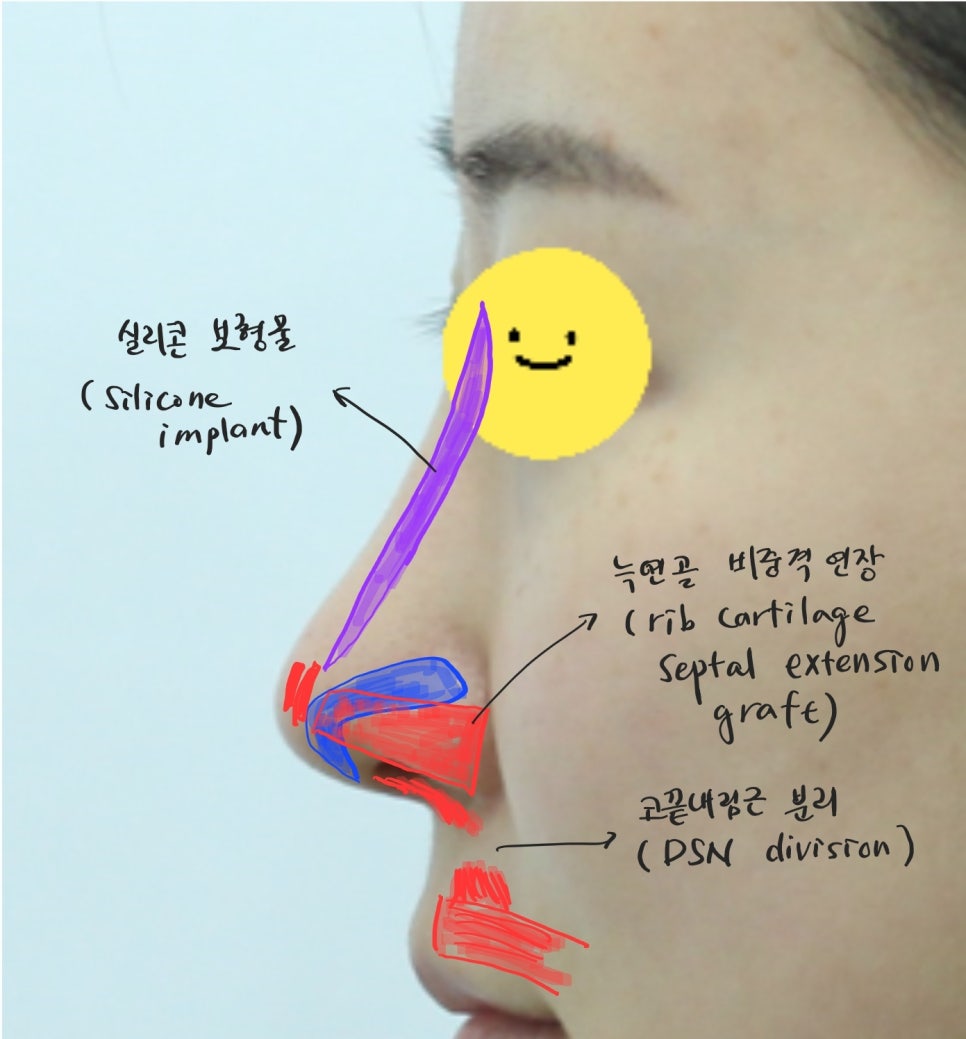
Correction of a long nose, arrow nose, and separation of the depressor septi nasi muscle
When performing an extended graft on the septum using autologous costal cartilage, the graft is placed in a direction that shortens the nose in order to adjust the length of the nasal tip.
If the area between the alar cartilages is dissected to locate and separate the depressor septi nasi muscle, it can help prevent the nasal tip from drooping.
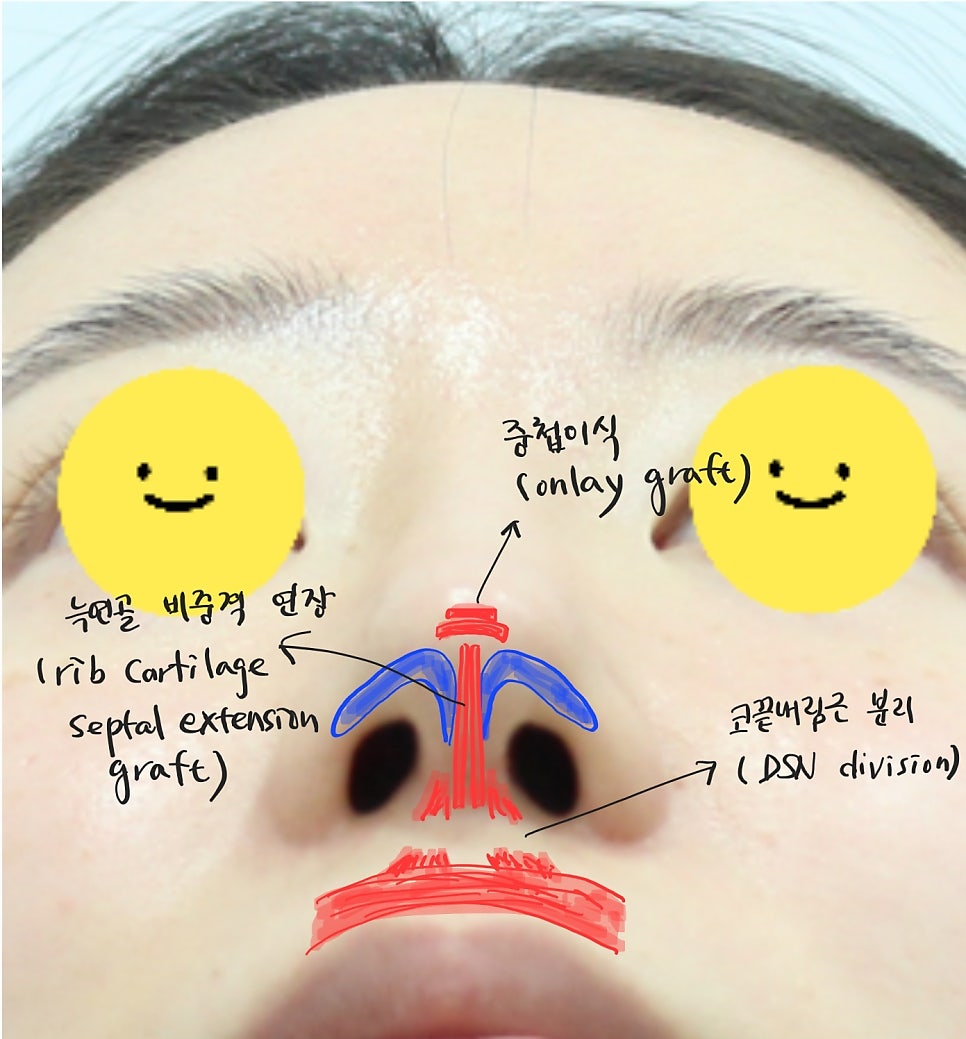
Separation of the depressor septi nasi muscle
In revision rhinoplasty, the previously inserted silicone implant is replaced to match the newly corrected nasal tip, the alar cartilage is securely sutured to the nasal tip support, and any insufficient height of the nasal tip is adjusted through overlapping grafting.
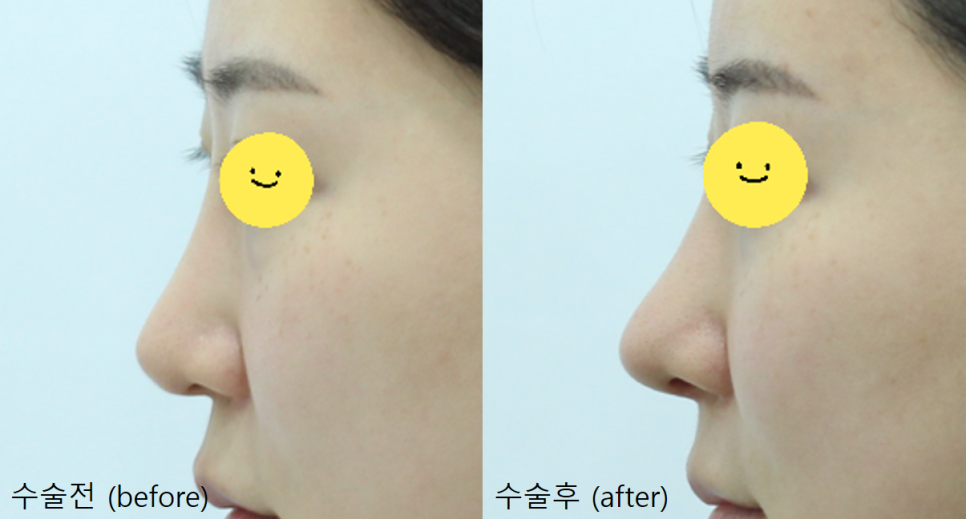
Before-and-after comparison of long nose and arrow nose surgery, before-and-after comparison of nasolabial angle correction
Surgery that changes an acute nasolabial angle into an obtuse angle is called nasolabial angle correction, and through the tip remodeling process of firmly building up the nasal tip support and separating the depressor septi nasi muscle, both the shape of the nasal tip and the angle of the nasolabial angle can be refined.
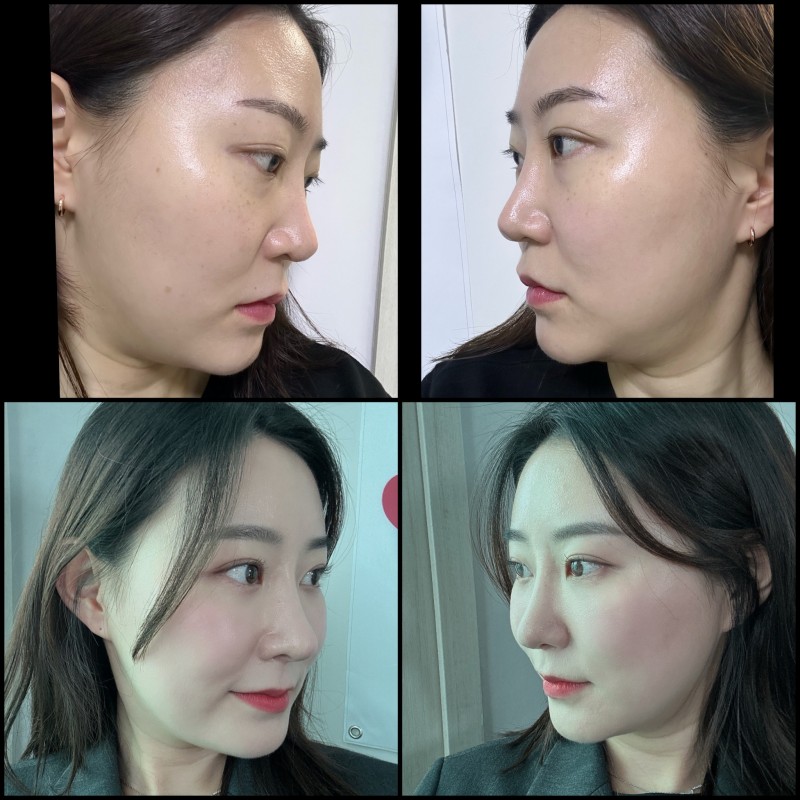
A real model who consented to disclosure. Review after arrow nose and long nose surgery