Zygoma reduction surgery is one of the representative facial contouring procedures that makes the face look smaller and more three-dimensional. However, as time passes after surgery, many people report sagging in the front cheek (anterior zygoma area), deepening nasolabial folds, and cheek sagging that can make the face look like jowls.
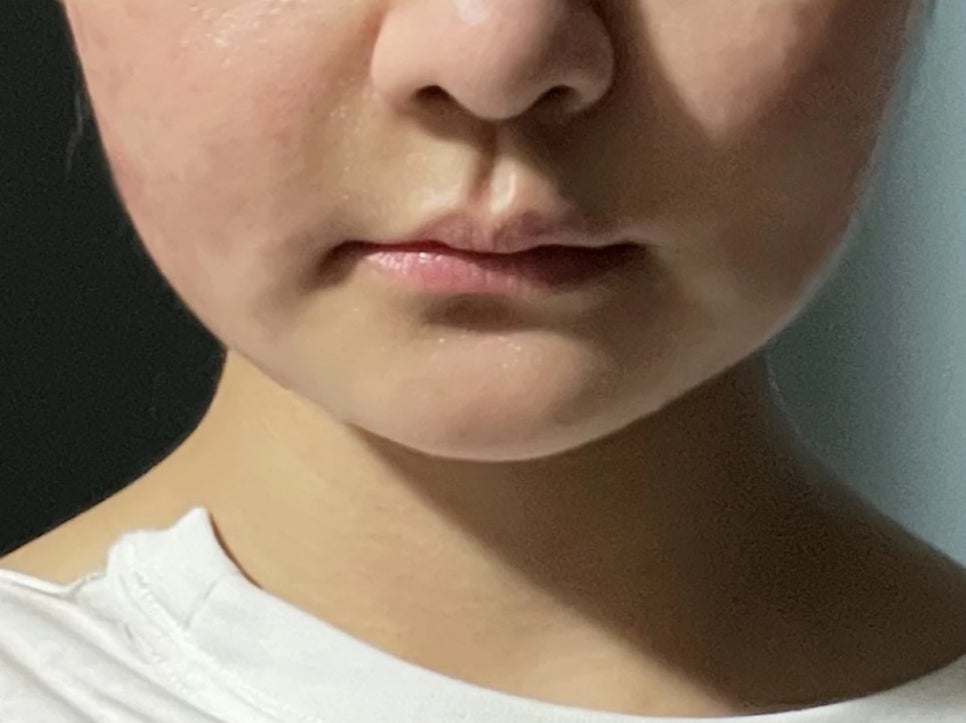
Cheek sagging that occurred after zygoma reduction. This is a partially released model with consent for publication.
'Typical cheek sagging that occurs after zygoma reduction'
The cheekbone is not only a structure that determines the outer shape of the face, but also acts as a "pillar" that supports the soft tissue of the cheek.
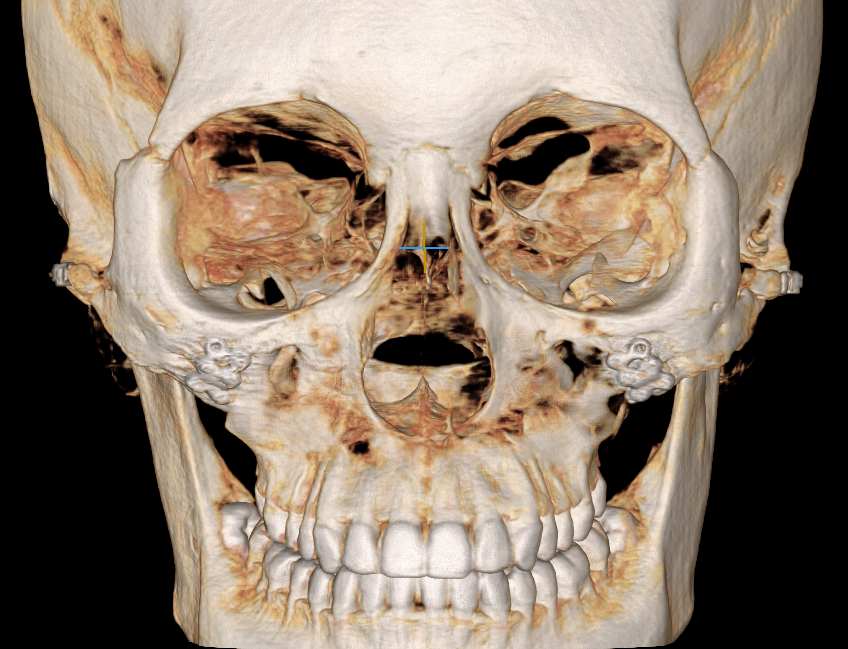
Condition after zygoma reduction surgery. After zygoma reduction, an L-shaped osteotomy is performed, followed by medial movement and fixation.
Zygoma reduction surgery usually involves removing part of the bone fragment through an L-shaped osteotomy, then moving it inward and securing it with fixation devices such as plates and screws.
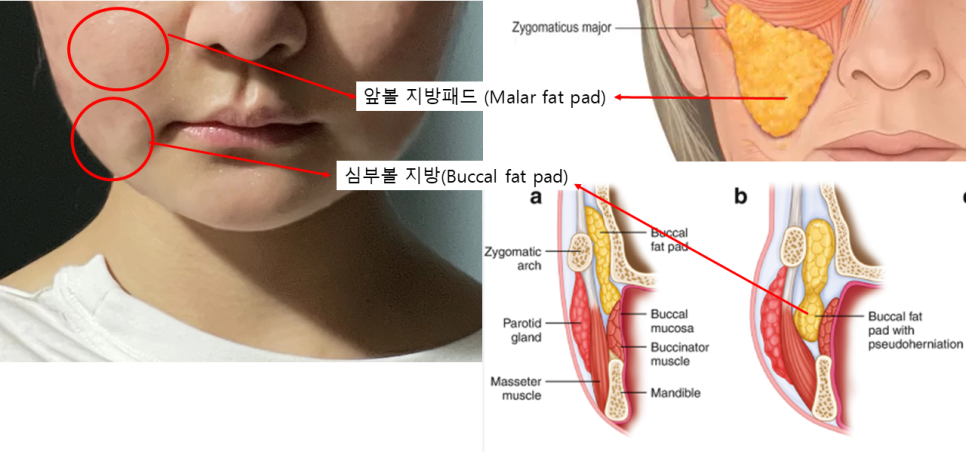
Causes of cheek sagging after zygoma reduction. Cause of mid-cheek sagging after zygoma reduction. Cause of deep cheek sagging after zygoma reduction.
When the cheekbone is reduced, the malar fat pad that had been resting on top of it can sag downward, and the bone fragment, including the zygomatic arch that was pushed inward, can cause the deep buccal fat to be pushed downward.
As a result, the nasolabial folds can become deeper than expected for one’s age, and a heavy impression may develop, with the cheek fat seeming to gather toward the corners of the mouth and the jawline.
'An approach to mid-cheek fat and deep buccal fat through the Deep Mini Lift'
To address facial sagging, a technique is needed that carefully dissects the SMAS layer and retaining ligaments of the face to reach the malar fat and buccal fat for anatomical correction.
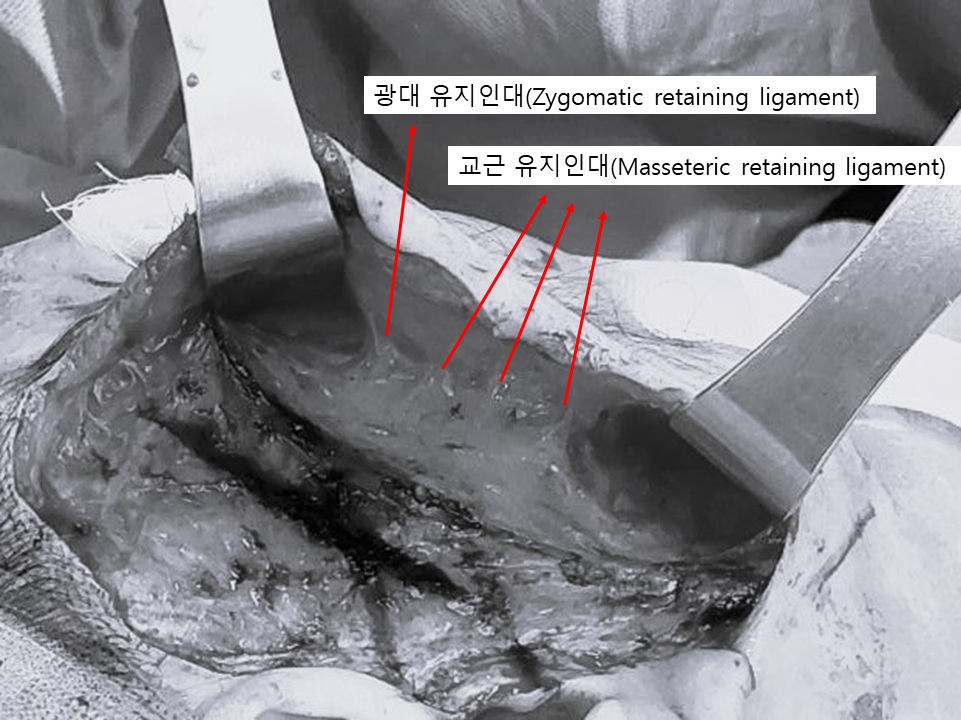
Dissection of the retaining ligaments during the Deep Mini Lift. Zygomatic retaining ligament. Masseteric retaining ligament. SMAS dissection.
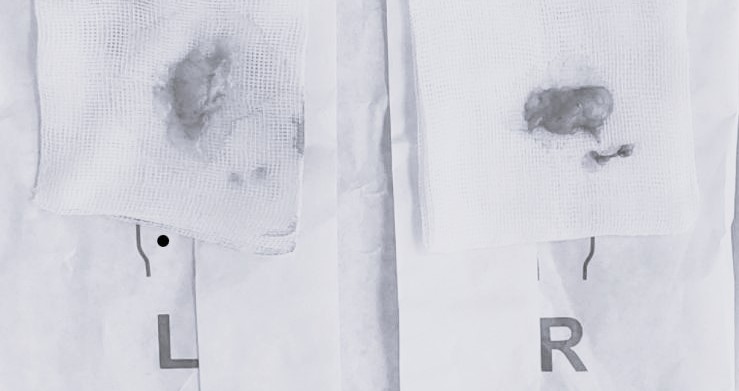
Removed deep buccal fat. Deep buccal fat removal.
Summary of surgical points
1️⃣ Anatomical repositioning of the malar fat pad (mid-cheek fat)
-
Malar fat that has descended from above the cheekbone is difficult to restore to its original position with simple pulling alone.
-
Through deep-plane dissection, the zygomatic cutaneous ligament and masseteric ligament are released, allowing the malar fat pad to be naturally lifted back to its original upper position.
-
This restores the sunken-looking mid-cheek and softens the nasolabial folds.
2️⃣ Partial removal of deep buccal fat
-
In the narrower structure after zygoma reduction, deep buccal fat can be compressed, making the face look heavy and saggy.
-
The deep-plane approach allows safe access to the deep buccal fat, so part of the fat can be removed and the cheek contour refined without nerve or blood vessel injury.
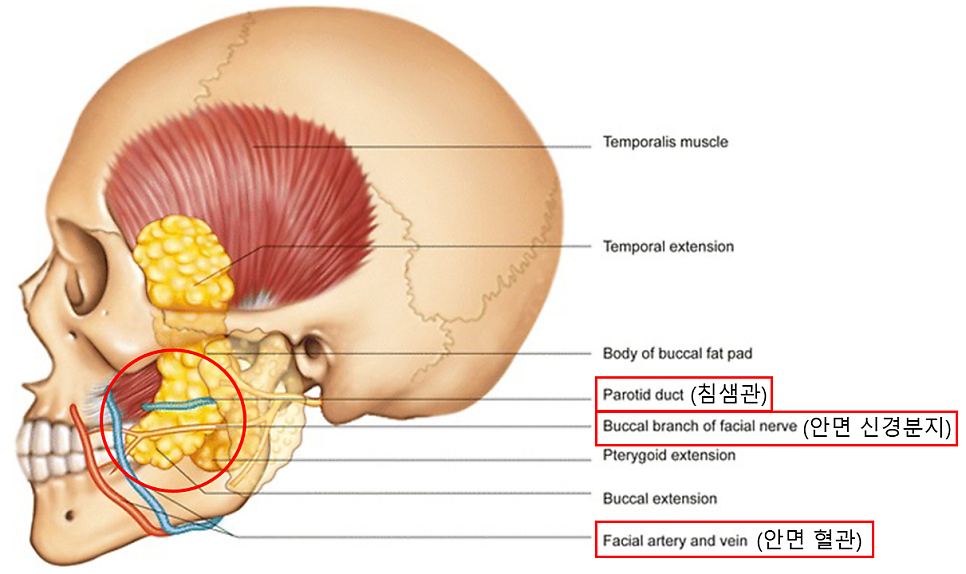
Major structures around the deep buccal fat. Facial nerve. Salivary duct. Facial blood vessels.
Below the SMAS layer, salivary glands and ducts, multiple branches of the facial nerve, and major facial blood vessels pass through, so a thorough anatomical understanding is very important in order to dissect sufficiently without damaging major structures.
'Before and after cheek-sagging lifting surgery after facial contouring surgery'
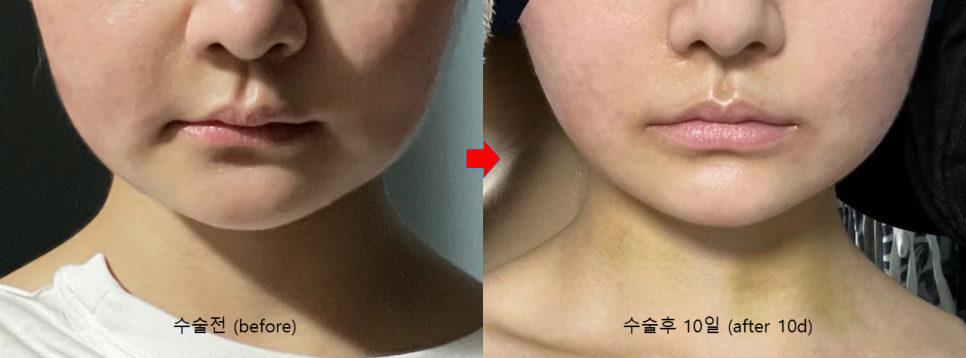
Before and after the Deep Mini Lift. Deep Mini Lift review. Swelling after lifting surgery. Review of cheek-sagging lifting. This is a partially released model with consent for publication.
Closing thoughts: Cheek sagging requires not simple pulling, but a reorganization of the structure.
Cheek sagging that occurs after zygoma reduction cannot be resolved by simply pulling the skin or outer layer.
True correction is possible only by anatomically addressing the structures that cause sagging, such as the malar fat, deep buccal fat, and retaining ligaments.
The 'Deep Mini Lift' is a lifting method that can precisely handle these structures, and it is especially suitable when changes in midface volume and cheek sagging occur together after zygoma reduction.
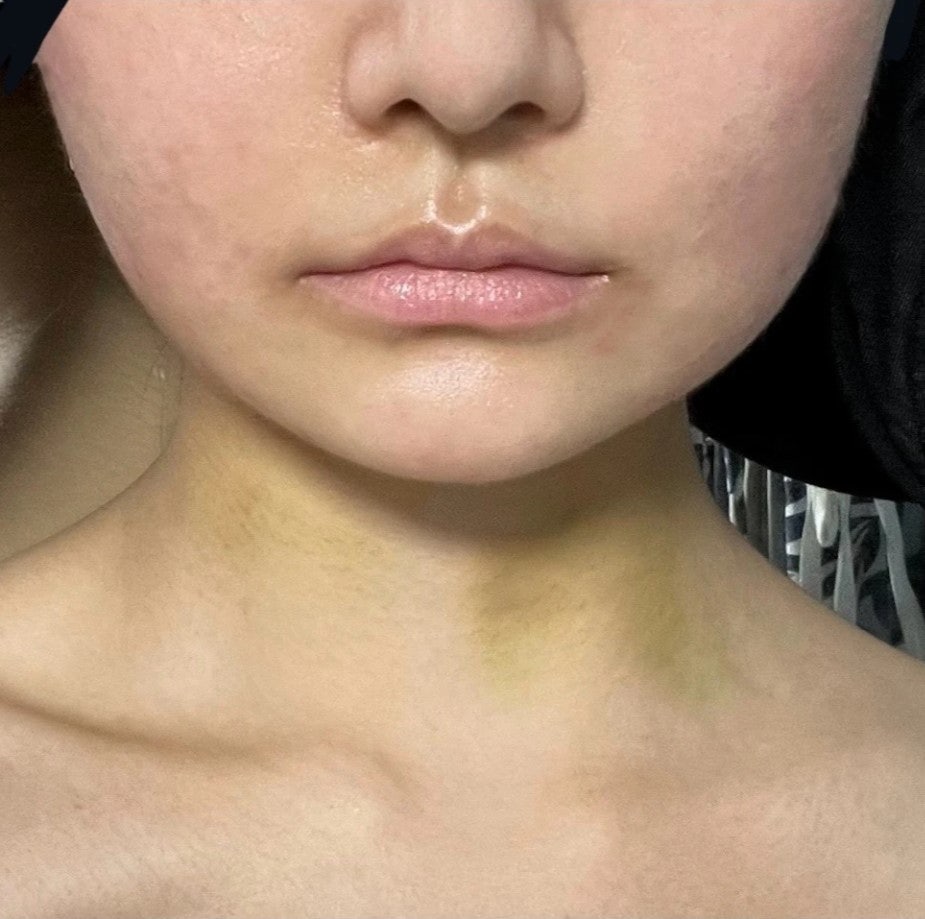
Review of surgery for cheek sagging. This is a partially released model with consent for publication.