An endoscopic brow lift is a procedure many people choose because it leaves minimal scarring and offers a quick recovery. However, because delicate sensory nerves run through the forehead and around the eyebrows, nerve symptoms such as altered sensation, tingling, and numbness may occur after surgery.
Most of these are temporary, but protecting the nerves as much as possible during the procedure is especially important.
A key nerve among them is the supraorbital nerve.
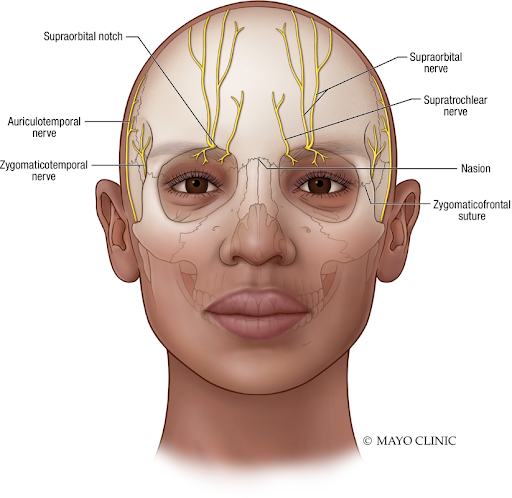
Sensory nerve distribution of the forehead. Distribution of the supraorbital nerve. Distribution of the supratrochlear nerve.
The supraorbital nerve is a major nerve responsible for sensation in the forehead, frontal hairline area and scalp, and the skin above the eyebrows.
In endoscopic brow lift surgery, dissection is performed mainly around the area where this nerve passes. If the nerve is tractioned during dissection, or if the periosteum surrounding the nerve is pulled excessively, various sensory discomforts may appear after surgery.
That is why it is very important to safely “preserve” the nerve during surgery.
-Dissection around sensory nerves in endoscopic brow lift-
Using an endoscope allows the surgeon to proceed with dissection while directly identifying the structures on an enlarged screen.
Therefore, it is possible to safely dissect while avoiding the supraorbital nerve and the supratrochlear nerve.
However, simply avoiding the nerve may not be enough.
If the periosteum around the nerve is completely removed or thinned, the nerve becomes more easily tractioned.
For this reason, a delicate dissection technique called plane shifting has recently been used as an important method.
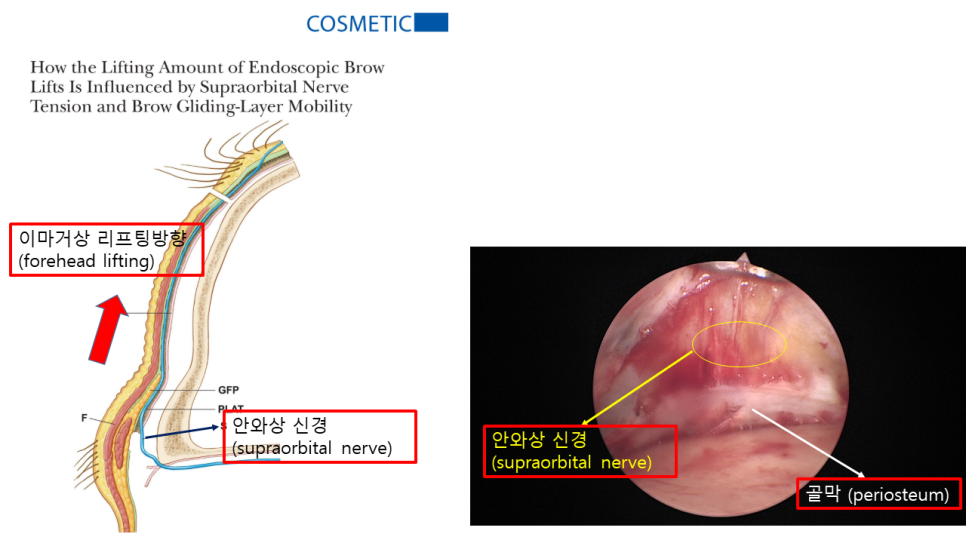
Dissection around sensory nerves in endoscopic brow lift. Source: Plastic and Reconstructive Surgery. Actual intraoperative endoscopic brow lift footage.
Plane shifting, as the name suggests, is a technique that changes the dissection layer from beneath the periosteum to the muscle layer.
Especially in areas where nerves pass, the periosteum is dissected somewhat more anteriorly
so that the periosteum remains around the supraorbital nerve and serves as a protective layer like “padding.”
You can think of it as similar to wrapping the exposed part of a wire with insulating tape when the outer covering has been stripped away.
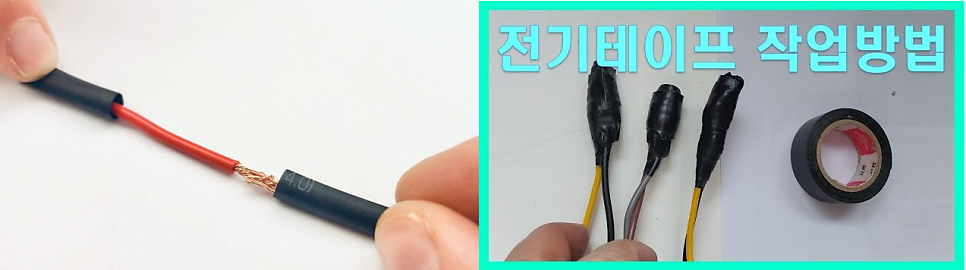
Example of electrical wire insulating tape.
-Before and after endoscopic brow lift surgery-
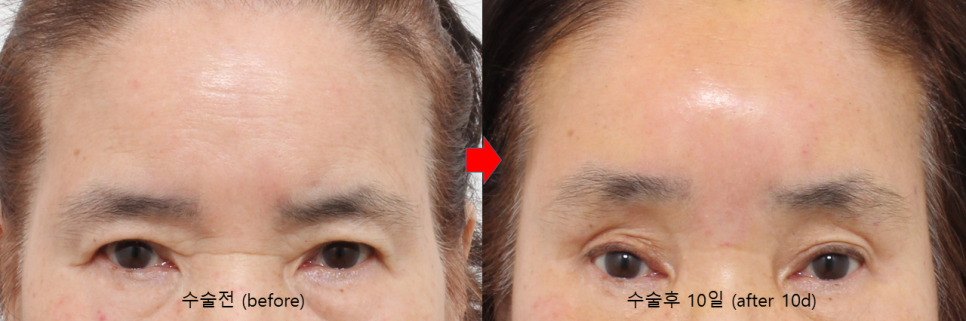
Before and after endoscopic brow lift. Endoscopic brow lift, 10 days after surgery. Brow lift swelling. Brow lift recovery. Partial model with consent for release.
If the Plane shifting technique is applied in brow lift surgery, the following benefits can be expected.
✔ Reduced sensory discomfort caused by nerve traction
✔ Reduced frequency of neurological symptoms such as numbness and tingling
✔ A more comfortable recovery process
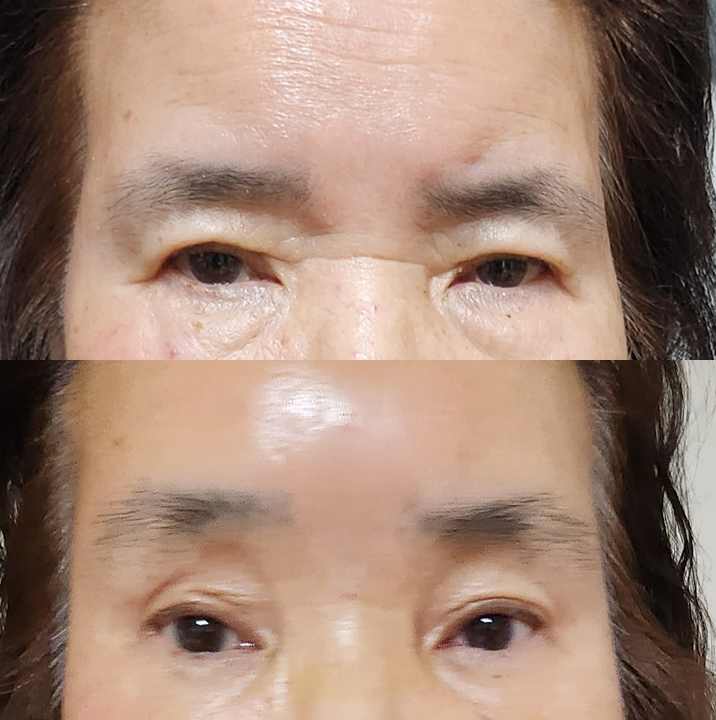
Endoscopic brow lift review. Before and after endoscopic brow lift. Before and after brow lift. Brow lift review. Brow lift recovery. Partial model with consent for release.