Hello, this is Dana Plastic Surgery, where we transplant as planned.
Recently, a “long-hair non-shaven non-incisional” transplant method was introduced, in which transplantation is performed without cutting the hair short.
Long-hair non-shaven non-incisional transplantation has the advantage of allowing the hair’s curl to be visible during hair transplant surgery because the transplant is done while the hair remains long, so many people are showing interest in it because it can lead to a more natural surgical result.
So how was long-hair non-shaven non-incisional transplantation developed?
Hair transplant surgery began with the incision method.
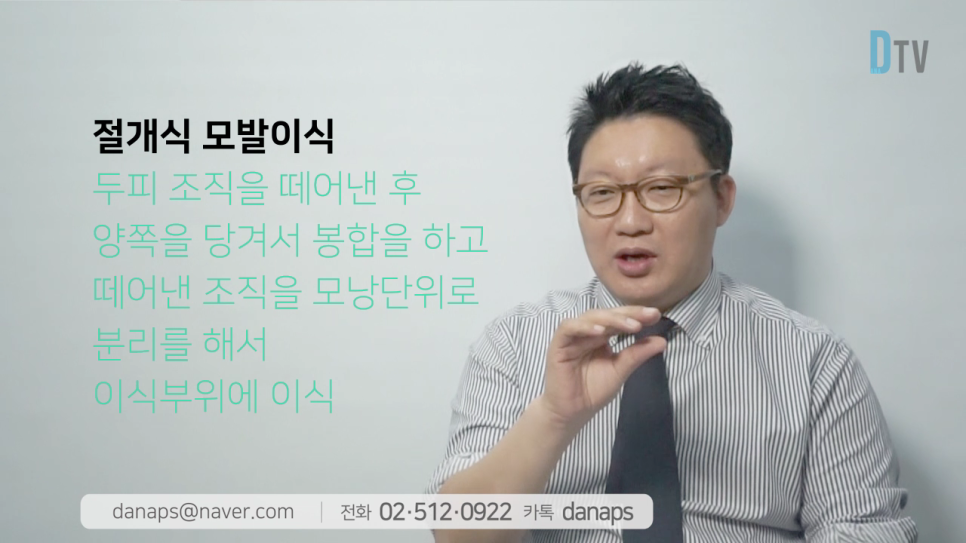
Incisional hair transplantation involves removing a strip of scalp tissue, pulling the two sides together and suturing them, then separating the removed tissue into follicular units and transplanting them to the recipient area. Because of this, a scar may remain at the sutured site after surgery, and in some cases there may also be pain.
Ultimately, because of these drawbacks, people who were afraid of surgery were not easily able to decide to undergo hair transplant surgery.
To address these drawbacks, many doctors conducted extensive research and developed various surgical methods.
From the mid-2000s onward, non-incisional hair transplant surgery was introduced, allowing even those who were afraid of surgery to undergo it with peace of mind.)

However, non-incisional surgery has the drawback of requiring shaving.
This is because, when harvesting follicular units, the end of the hair to be extracted must fit inside the punch, so the hair has to be cut short.
So, to perform non-incisional surgery, the entire head had to be shaved, or at least partially shaved, or cut in a two-block style.
However, in Korea especially, prejudice against shaving is quite strong, so people began to feel reluctant toward non-incisional surgery as well.
Prejudice against shaving in Korea (from the long-hair non-shaven non-incisional video)
Having to shave became a major obstacle in deciding on non-incisional surgery,
and the surgical method developed to solve this problem was the non-shaven non-incisional procedure.

In non-shaven non-incisional transplantation, only the hair to be harvested is cut short and extracted for transplantation, so full shaving is no longer necessary, while the advantage of non-incisional surgery—leaving no long scar after surgery—has also been preserved.
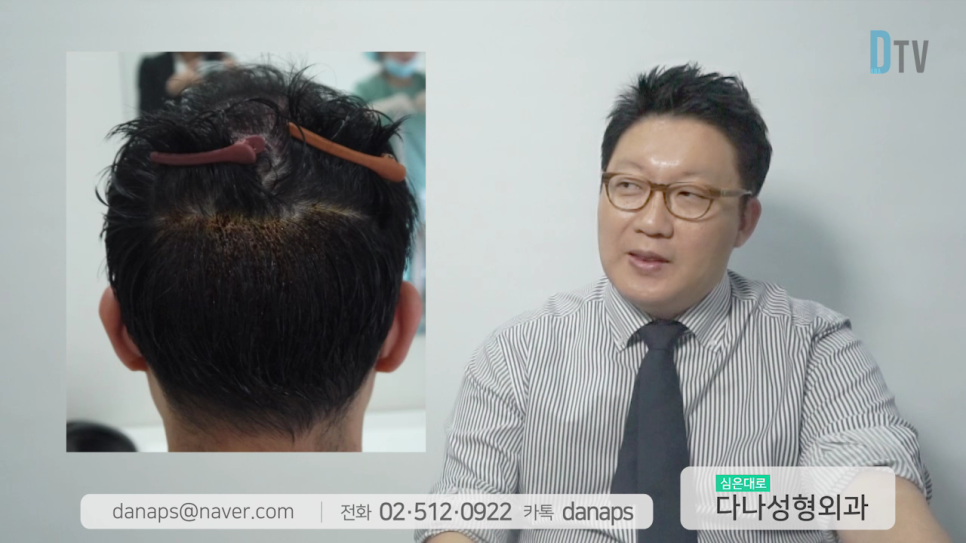
As shown in the photo above, only a small scar remains at the extraction site after surgery, so if it is covered by the hair on top, normal daily life is possible immediately after surgery.
Non-shaven non-incisional surgery, which once seemed to need no further development, underwent another advancement due to the medical team’s concern for more natural surgical results.
However, non-shaven non-incisional surgery does not mean the entire head is not shaved at all; the hair to be harvested still has to be cut short.
Therefore, because the harvested hair is short, there is a drawback in that the hair’s original curl cannot be seen.
If transplantation is performed without being able to see the hair’s original curl, the result may not look natural no matter how good the density is.
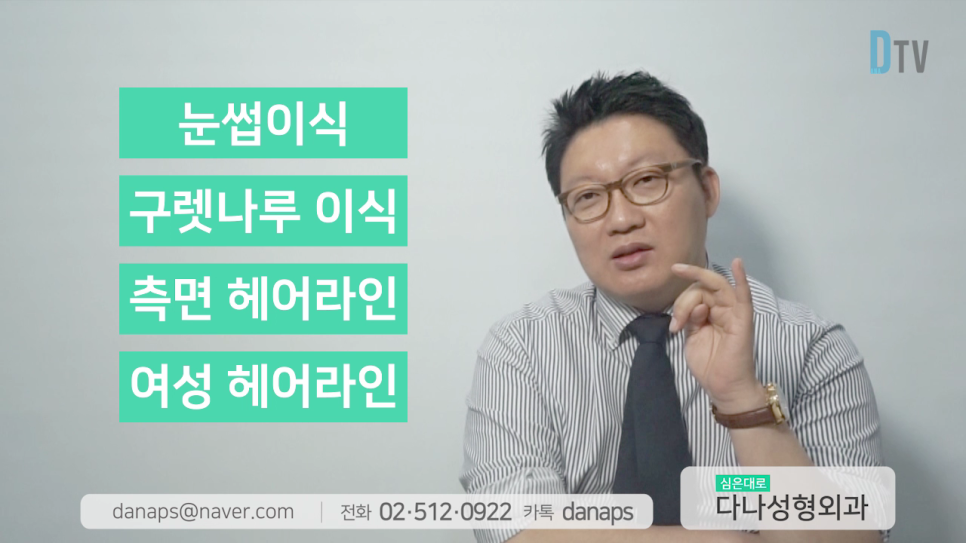
In particular, this issue can become more prominent in eyebrow transplantation, sideburn transplantation, side hairline procedures, and women’s hairline surgery.
Ultimately, the surgical method developed to solve these problems is the “long-hair non-shaven non-incisional” procedure.
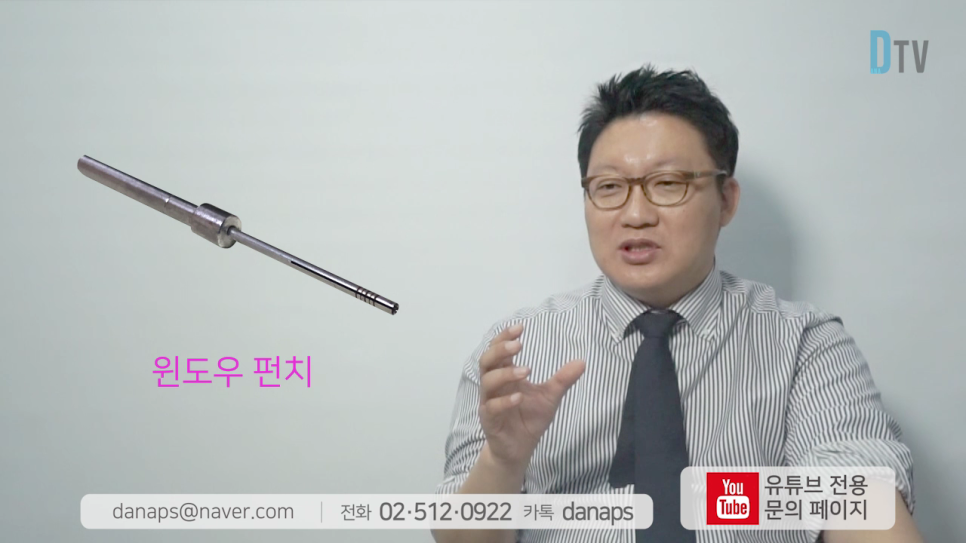
To perform long-hair non-shaven non-incisional surgery, existing equipment is not suitable, so a “window punch” and even a computer program that can operate this new-concept punch were developed together.
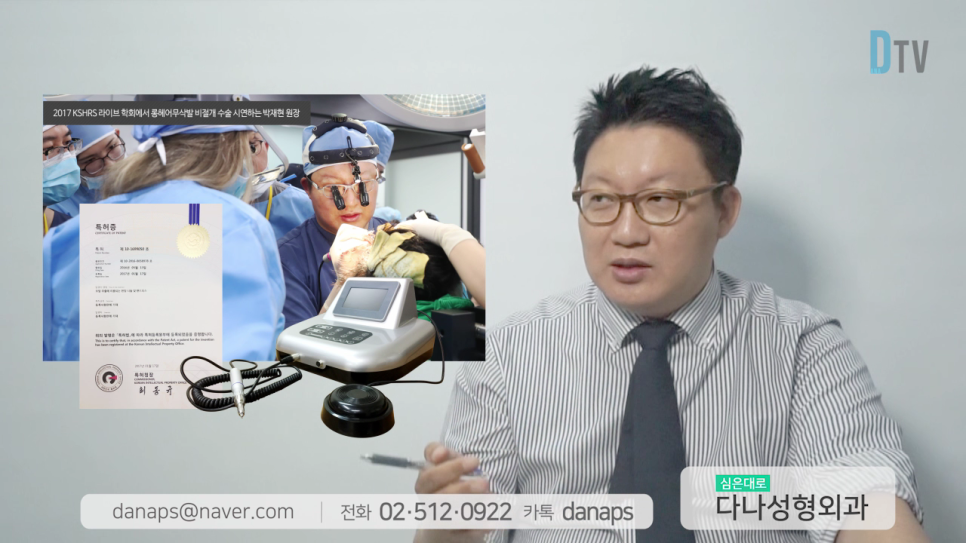
Dr. Park Jae-hyun, the chief director of Dana Plastic Surgery, received a patent for the window punch, presented it at an academic conference, and even demonstrated the long-hair non-shaven non-incisional procedure, earning recognition for its excellence.
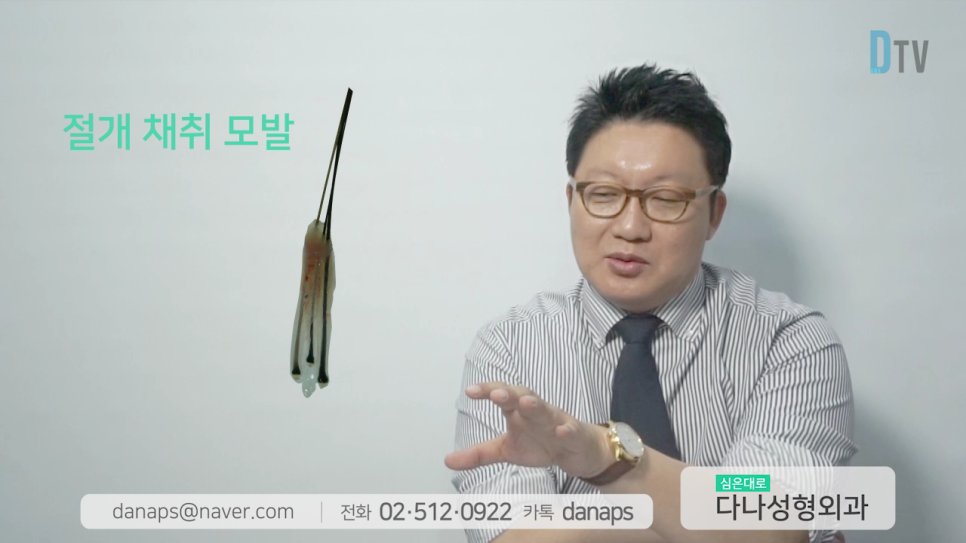
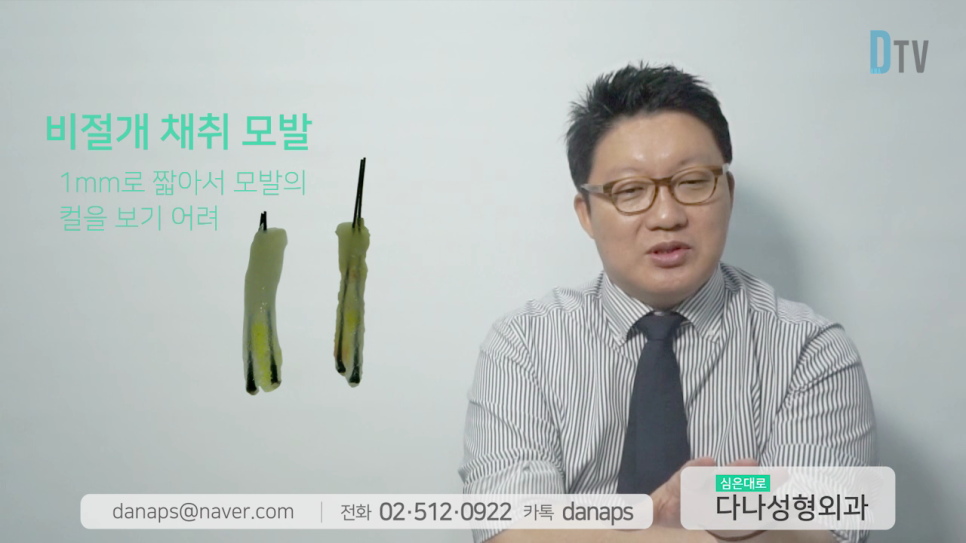
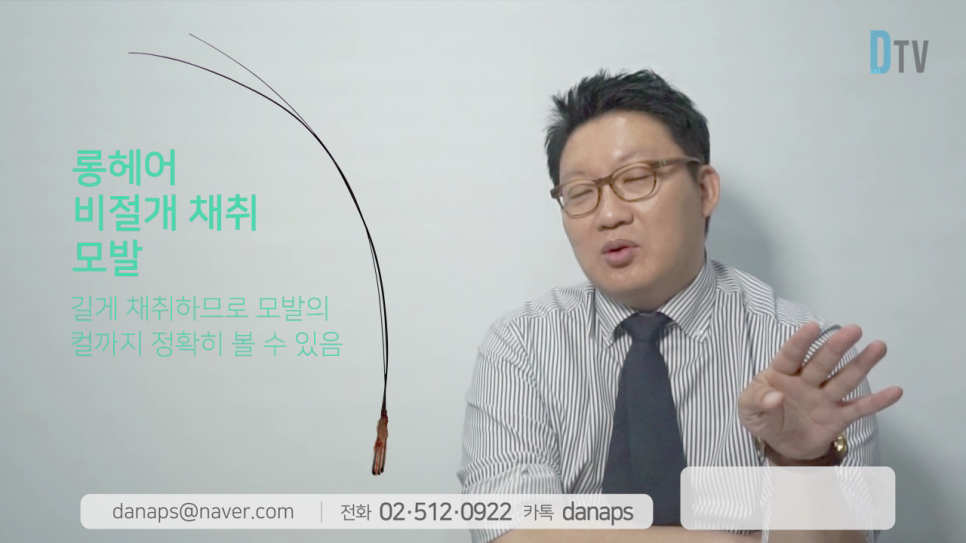
Long-hair non-shaven non-incisional transplantation is a new technology developed by Dana that allows the curl of the harvested hair to be seen, making the result more natural.
If you have been hesitating about surgery because you were worried that the result would not look natural, it may be a good idea to find a hospital where long-hair non-shaven non-incisional transplantation is available and receive a consultation.