Hello!
This is Dana Plastic Surgery, a hospital specializing in hair transplant surgery!
Are you one of those people who washes your hair clean every morning, only to feel stressed when white flakes like snow fall onto your shoulders by the afternoon?
Dandruff is easily misunderstood as simply a hygiene issue, but in reality, it is a problem involving the skin and scalp ecosystem that can occur no matter how well you wash your hair!
Today, we will organize the differences between scalp flakes and dandruff, their causes, and useful tips for managing and reducing dandruff!
Scalp Flakes vs. Dandruff: Are They Really Different?

To give you the conclusion first,
scalp flakes and dandruff are essentially the same thing.


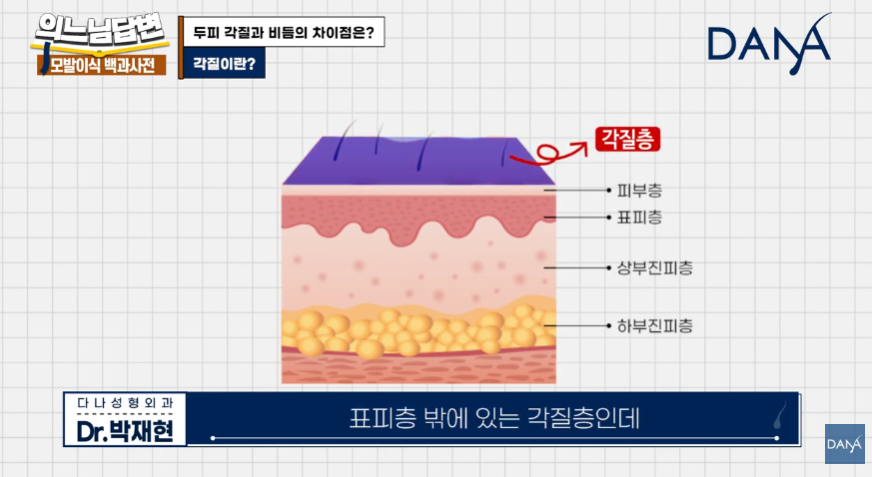
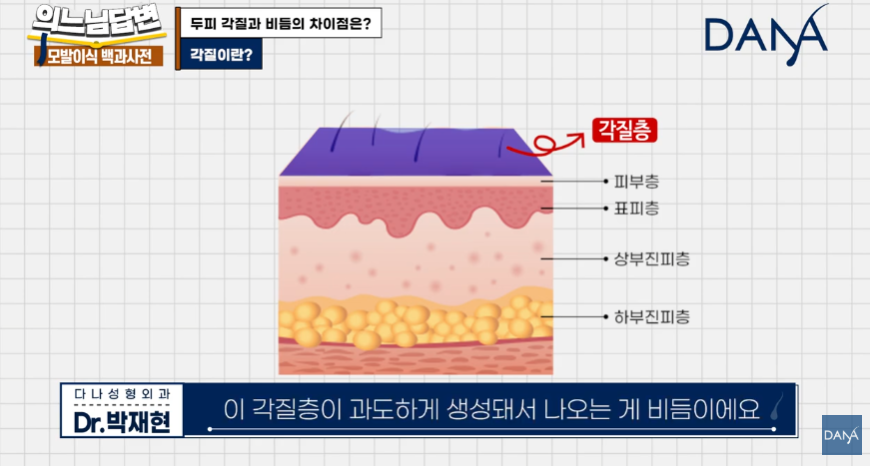
Scalp flakes: Byproducts produced when the outermost epidermal cells naturally shed as our skin regenerates
Dandruff: A condition in which this layer of flakes is produced and shed excessively due to certain causes, becoming prominent enough to be visible
Therefore, having dandruff does not automatically mean that you are unclean because you do not wash properly.
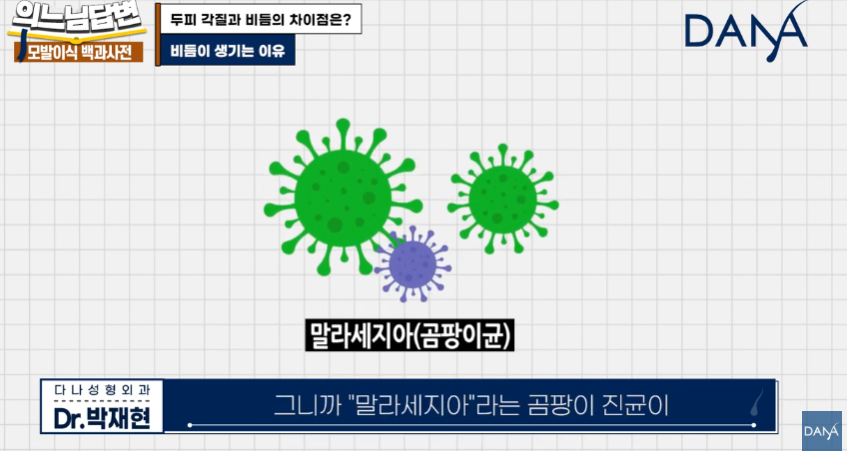
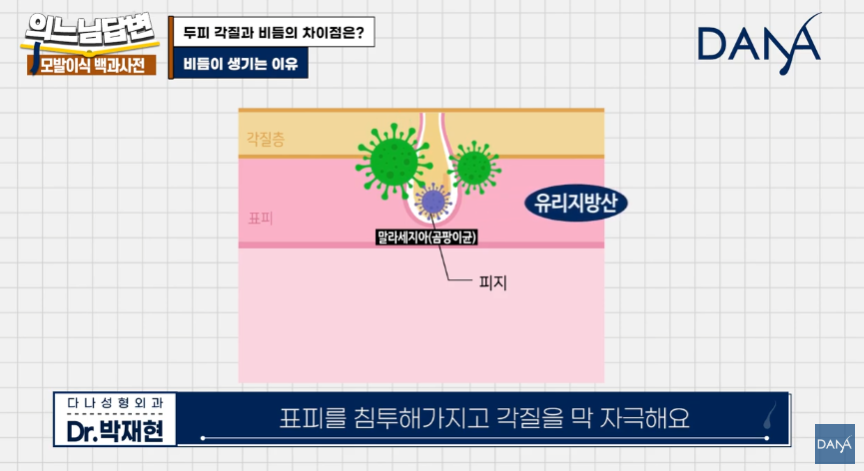
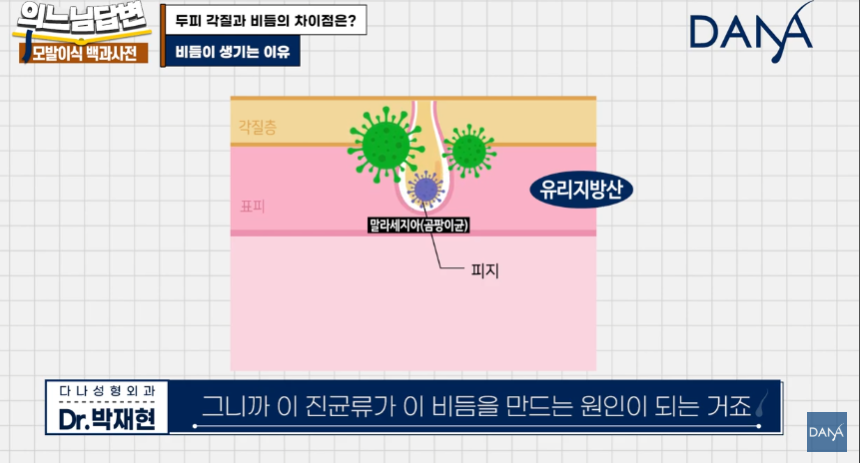
A fungus called Malassezia lives on our scalps.
It feeds on scalp sebum and produces a byproduct called free fatty acids.
When this substance irritates the skin, epidermal cells proliferate excessively and shed as dandruff.

In addition,
the causes of dandruff may include
hormonal imbalance, unhealthy lifestyle habits, excessive consumption of greasy foods,
stress, and washing your hair either too infrequently or too frequently.
Not washing your hair can cause problems because sebum builds up, but washing too often or scrubbing too vigorously can also be problematic.
When the scalp's natural protective barrier is disrupted, the scalp becomes dry and flakes may increase significantly.




Also, developing a large amount of dandruff may be an early sign of seborrheic dermatitis.
If your scalp is red and swollen, feels itchy,
or becomes greasy by the afternoon even though you washed your hair in the morning,
you should consider the possibility of seborrheic dermatitis.

How to Treat Seborrheic Dermatitis
1️⃣ Improve your diet and lifestyle patterns
Very greasy foods can increase sebum production.
Steroids only provide temporary improvement, so consistent long-term management through dietary changes and medicated shampoo is important.
2️⃣ Use medicated shampoo correctly (recommended twice a week)
Medicated shampoo can be used to control fungi.
Because resistance may develop, using it twice a week is recommended.
If symptoms are very severe, you can increase use to three times a week,
but once the condition improves, it is best to reduce use to once a week for maintenance.
3️⃣ Avoid ingredients that irritate the scalp
If you use topical minoxidil as a hair-loss treatment,
the propylene glycol it contains may irritate the scalp.
If the irritation is severe, switching to oral minoxidil or Rogaine Foam is recommended.

Dandruff is not a sign of poor hygiene!
Do not stress too much. With management through these simple treatments,
you may see improvement quickly.
https://www.youtube.com/watch?v=kLwDmYzPlqo&t=58s