Hello. This is Lipton Dermatology.
Last time, I explained the difference between ONDA Lifting and InMode in terms of fat breakdown and deep-layer principles. Let’s take a look at how they differ in terms of effectiveness as well.
Before that, shall we look more closely at the fat breakdown process?
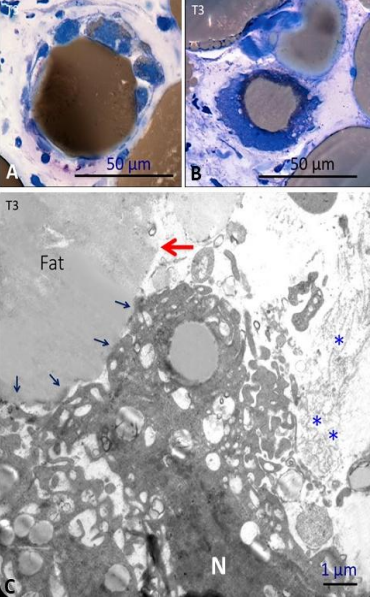
The photo shows changes in fat cells after ONDA Lifting treatment. You can see the fat cells surrounded by inflammatory cells.
Through this process, the fat cells gradually break down after ONDA Lifting. One very good point is that even long after the procedure, the process of fat cell breakdown continues.
So what do the clinical results look like?
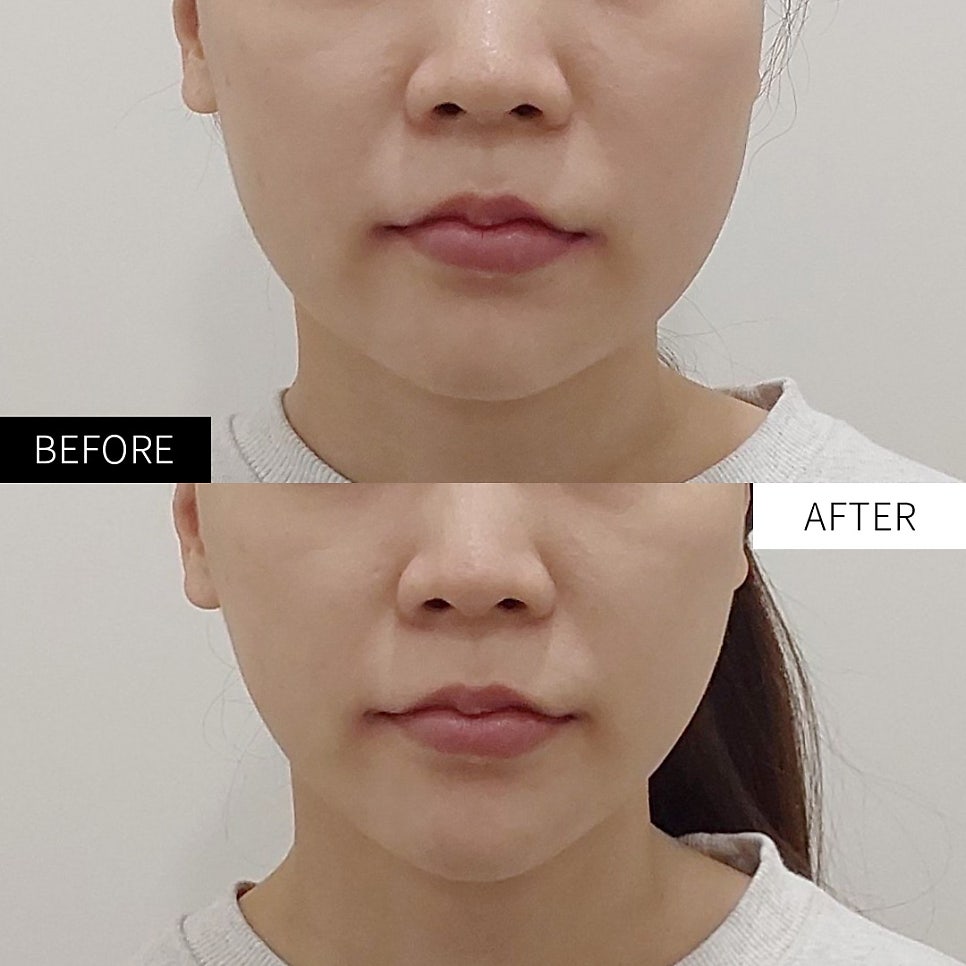
As shown in the photo, you can see that the fat is broken down and the contours become smoother. The key point is not that it makes you look like you had liposuction, but rather that it leads to natural volume reduction!
So how does it compare with InMode in terms of results?
Since there are still no one-to-one comparative studies between InMode and ONDA Lifting, it is difficult to make an exact comparison. Both are very good devices, so it is not easy to say one is better than the other.
However, the difference in discomfort during the procedure is significant. In my personal opinion, this seems to be connected to whether patients continue treatment or not.
InMode can feel very hot during treatment, and bruising can last for several days, so people often hesitate before undergoing the procedure because of this downtime.
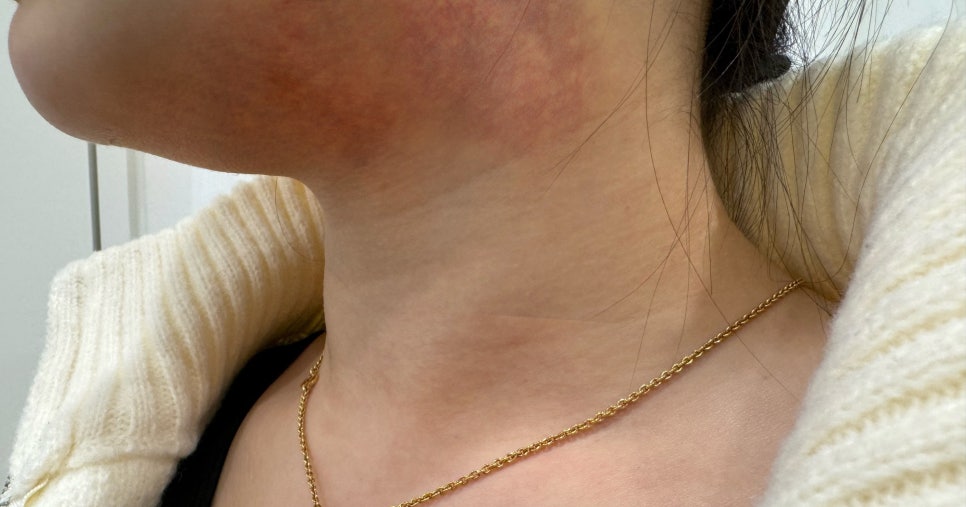
InMode mini fx,,,
And if suction is not done well, there is also the question of whether the heat can penetrate deeply enough.
On the other hand, ONDA has no downtime. Therefore, it is very good for patient compliance. Also, while many posts emphasize that it is usually painless... in reality, it is a procedure that feels a bit tight and sore. It is not uncomfortable to an unpleasant degree.
Then does it have a better lifting effect than Ultherapy, the representative lifting treatment?
I’ll explain this part next time if there is a chance.