Hello. This is Lifton Dermatology.
When you search for pores, the first things that come up are pore reduction and how to reduce pores.
So many people think of pores as something that needs to be eliminated.
In reality, that is not the case. Pores are, quite literally, openings through which hair grows. Through these openings, sebum is also secreted.
When a lot of sebum is secreted, it can make the skin look oily, so people often want to get rid of it. However, sebum is a substance that is very helpful for skin moisture and overall skin health.
That said, aesthetic concerns also need to be considered.
People with high sebum production and acne-prone skin usually have enlarged pores.
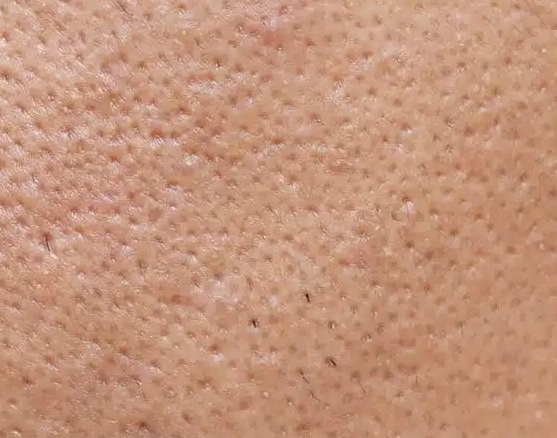
Therefore, one approach is to reduce the sebaceous glands so that the pores appear smaller. Representative examples include isotretinoin, an oral sebum-suppressing medication, and Aklief, a topical medication.
Another cause of pore enlargement should also be considered: what is commonly called “stretched pores.”
This is when reduced elasticity of the skin surface makes the pores look stretched, and because they look stretched, the pores appear enlarged.
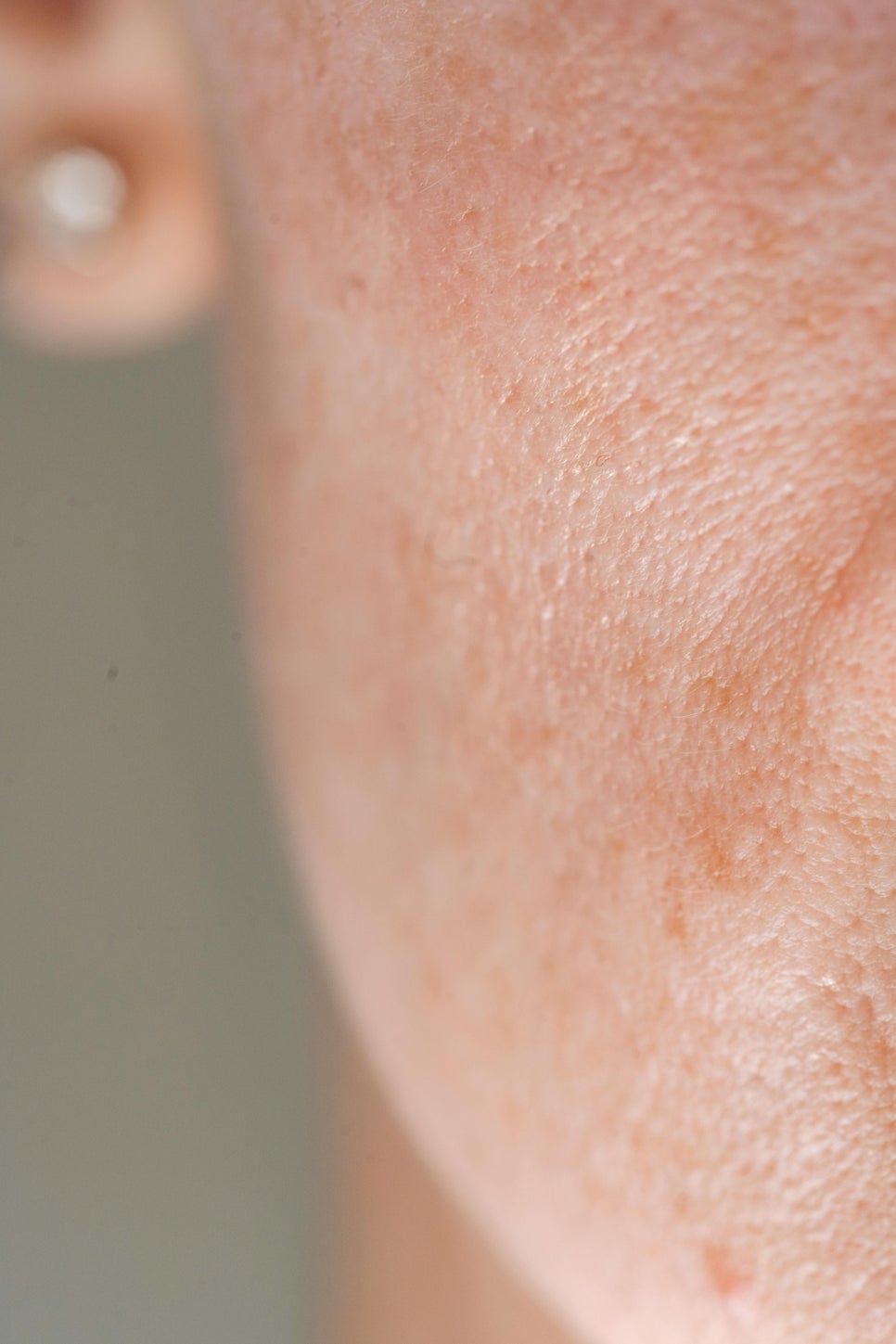
So in the case of stretched pores, treatment should be matched accordingly. If the skin lacks elasticity and is stretched, trying to reduce pores with isotretinoin would not be appropriate.
To improve elasticity, there is a common principle behind all procedures.
-
Provide stimulation.
-
Add regenerative substances.
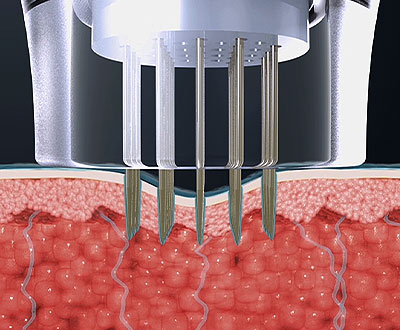
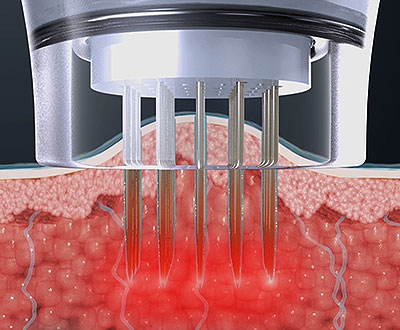
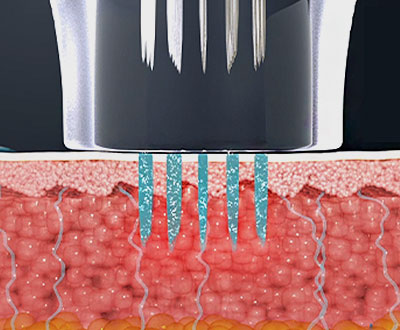
For example, Potenza provides microneedling and radiofrequency stimulation, and exosomes help support skin regeneration. Or, with a laser device called Re:Sure FX, fractional stimulation is applied to the skin surface, and JuvèLook is injected to encourage collagen growth.
Previous image
Next image
There are also countless other combinations of treatments. Rather than sticking to just one, combining different treatments can lead to better results.
Pores cannot be completely eliminated, but they can be managed sufficiently.
Thank you.