Hello. This is Lifton Dermatology.
When consulting about filler procedures, one product that is often mentioned is Juvederm.
There must be a clear reason why it is mentioned so often.
Personally, I think Juvederm is one of the most refined filler products.
That is because its balance of texture, spread, and longevity is relatively stable.
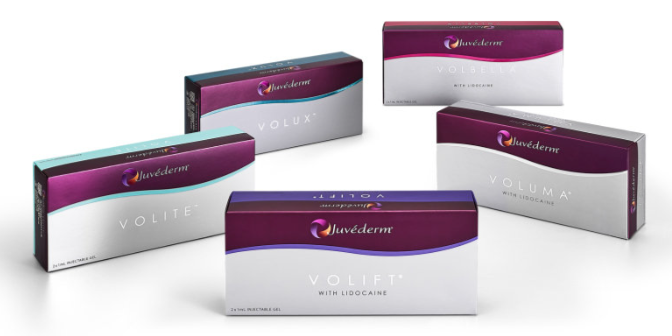
Juvederm also has the advantage of adapting naturally to tissue after injection
and offering a relatively predictable duration of effect.
Its product lineup is highly segmented, making it possible to choose options suited to the area and purpose, such as volume creation, contour refinement, and improvement of fine lines.
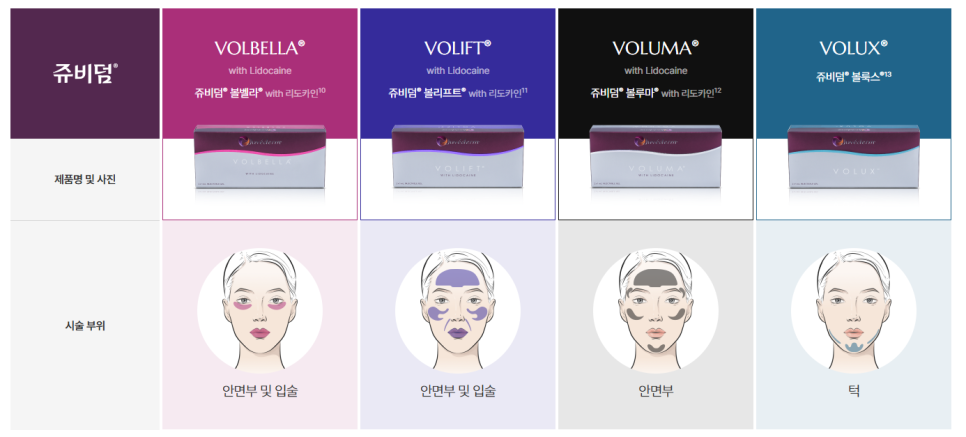
However, a good filler does not automatically produce a good result.
Even when using the same filler, one person may look more refined,
while another may look swollen. In other words, results can vary greatly depending on the skill of the medical professional, the procedure method, and the amount used.
Juvederm is also influenced much more by the injection site, depth, direction, and dosage settings.
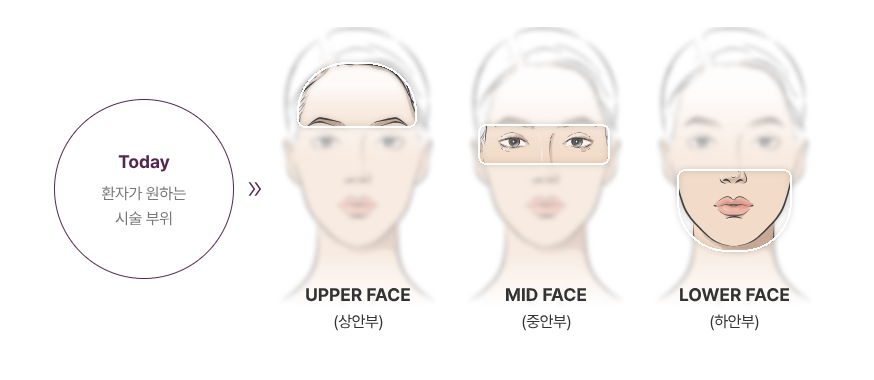
The concept used to reduce these differences is MD Codes.
MD Codes is a facial filler injection guidance system proposed by Dr. de Maio.
Rather than simply filling a specific area, it is an approach that divides the face into anatomical units and systematically organizes the injection points, depth, direction, and recommended dosage for each area.
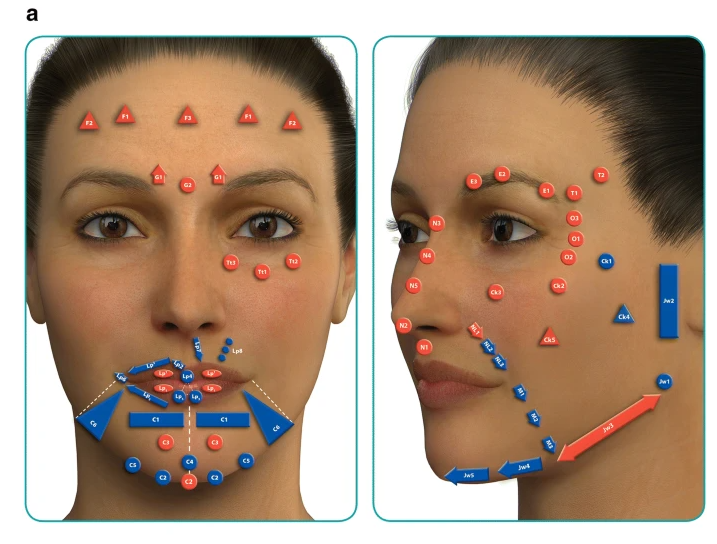
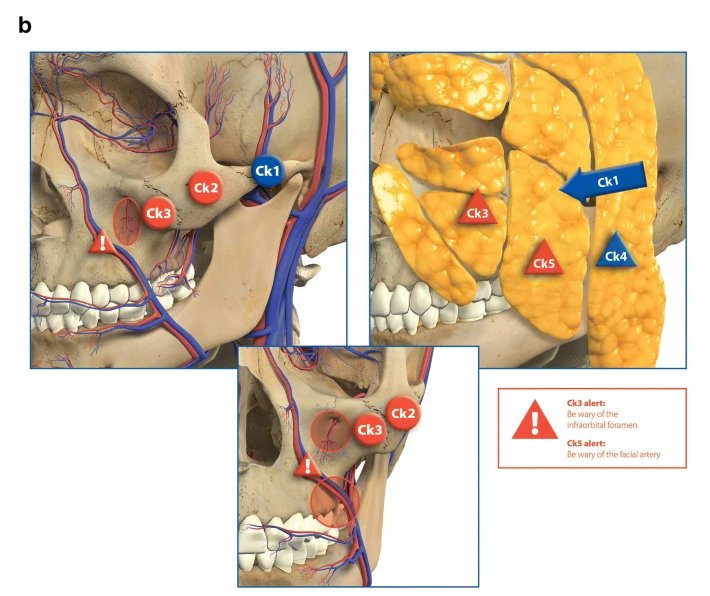
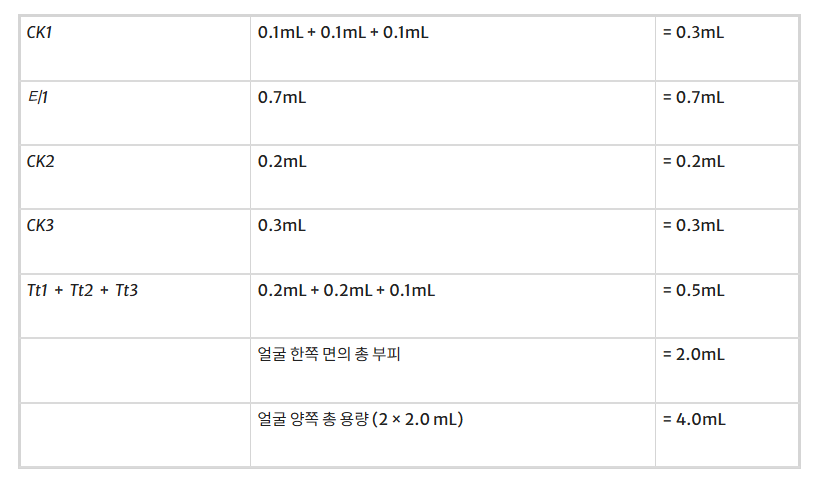
It codes the main facial structures such as the cheekbones, temples, nasolabial folds, and jawline, organizing them like coordinates while also considering the order of treatment and the direction of approach.
This approach is not simply about filling wrinkles; it can also help support facial structures, rebalance harmony, and even create a lifting effect.
The key point of MD Codes is that it focuses not on simply increasing volume, but on changing the impression.
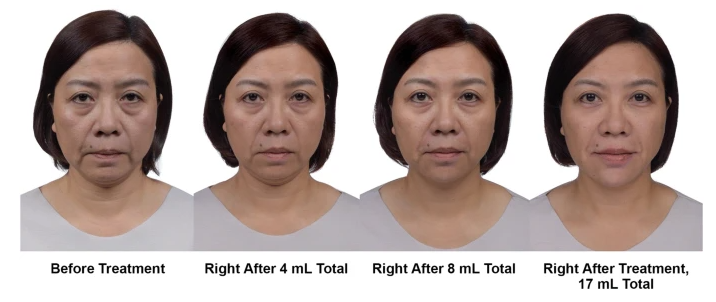
In overseas papers on this topic,
-
a less tired-looking appearance
-
a less angry-looking expression
-
creating a softer atmosphere
are presented together as design concepts aimed at improving emotional impression.
In other words, MD Codes is best understood not as a procedure that simply fills with filler, but as a facial design guide that considers both structure and impression.
In fact, positive results have been reported not only in patient satisfaction but also in cosmetic improvement as evaluated by external reviewers.
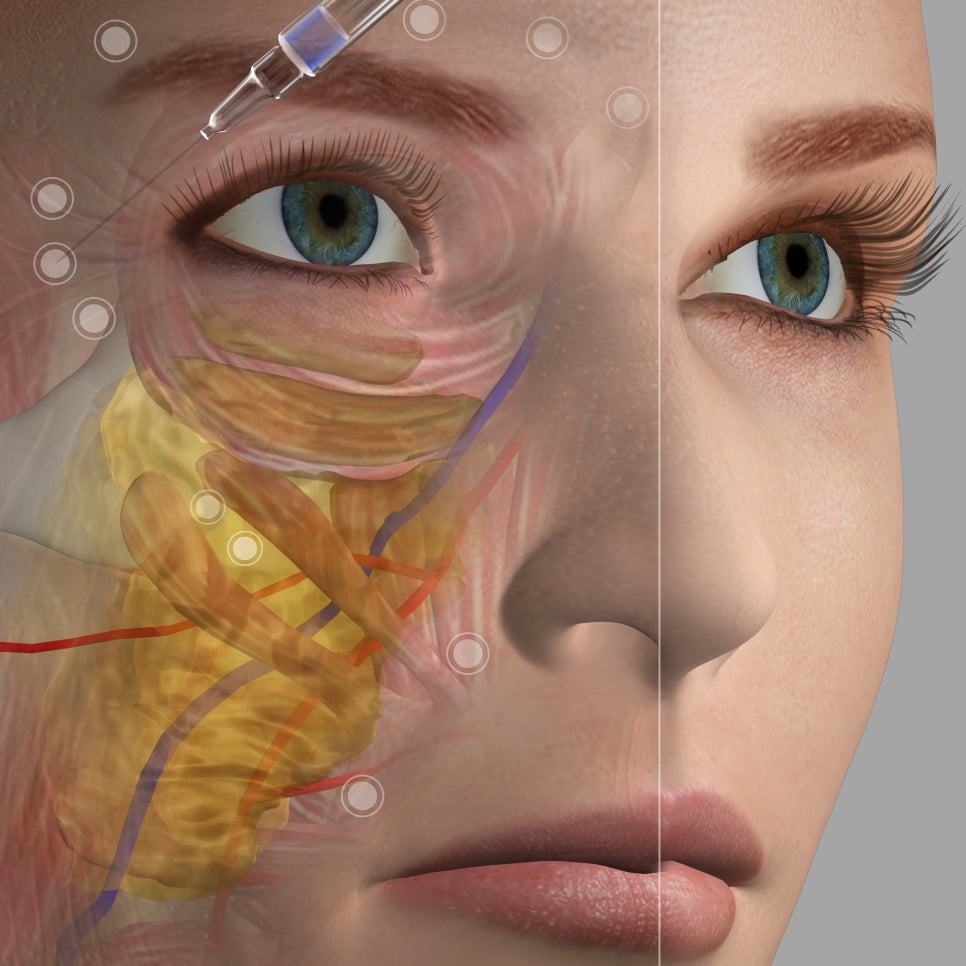
However, even though MD Codes is a systematic standard, it is difficult to apply it directly to procedures as is.
That is because each person has a different facial shape, cheekbone position, jawline angle, skin thickness and elasticity, and desired impression.
In particular, unlike Westerners, Koreans tend to feel uneasy about excessive filler treatment in the outer parts of the face.
This is because it can unintentionally make the cheekbones and jawline stand out.
It also does not match the recent Korean aesthetic trend of pursuing changes that are subtle and barely noticeable, nor does it fit well in terms of dosage.
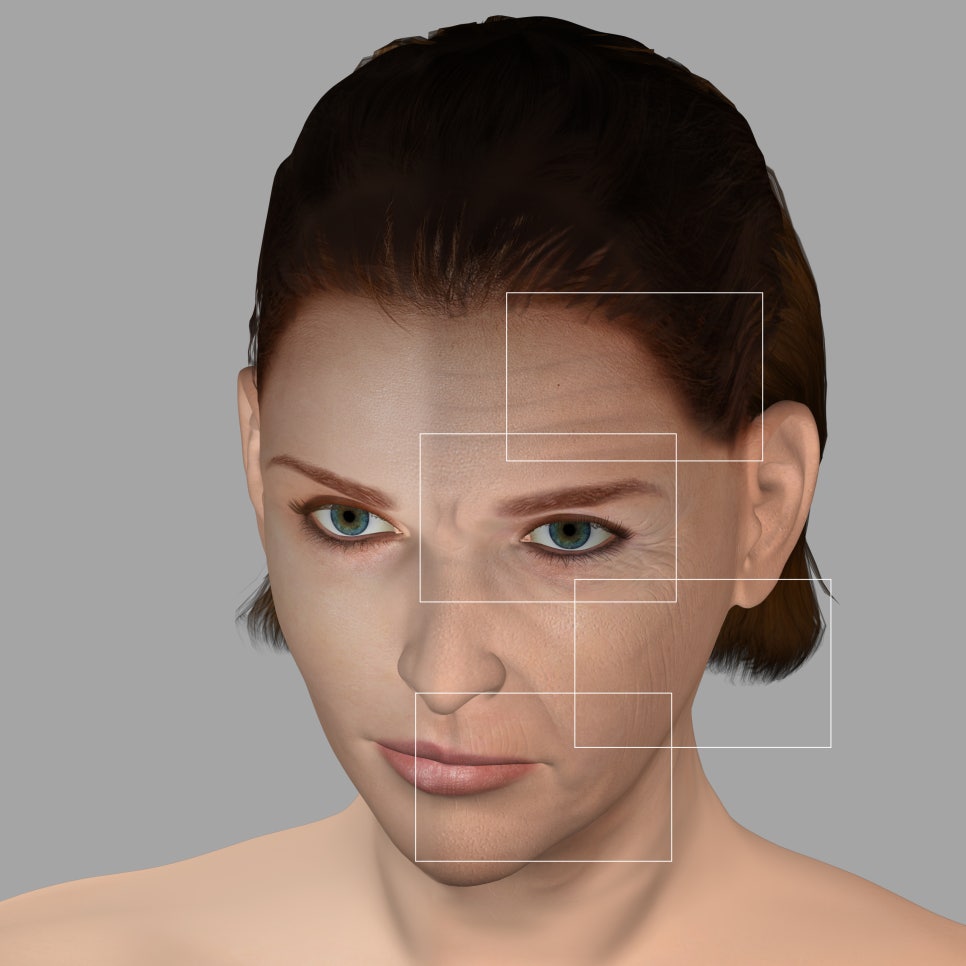
Therefore, when performing filler procedures, it is important not to apply MD Codes like a formula, but to interpret the facial structure and understand the patient’s needs.
After all, filler is a procedure in which the doctor’s aesthetic sense plays a role.
Even with a good material like Juvederm and a systematic standard like MD Codes, it is experience, judgment, and aesthetic sense that create the result.
I believe that providing personalized care suited to each individual based on standardized treatment is the true capability of the medical team.

At Lifton Dermatology, we identify precise points based on anatomical knowledge and perform refined design that takes the client’s facial structure and emotional expression into account.
Rather than simply injecting filler, we will provide treatment that restores natural beauty and balance through a design that considers the harmony of the entire face.
Thank you.