Hello.
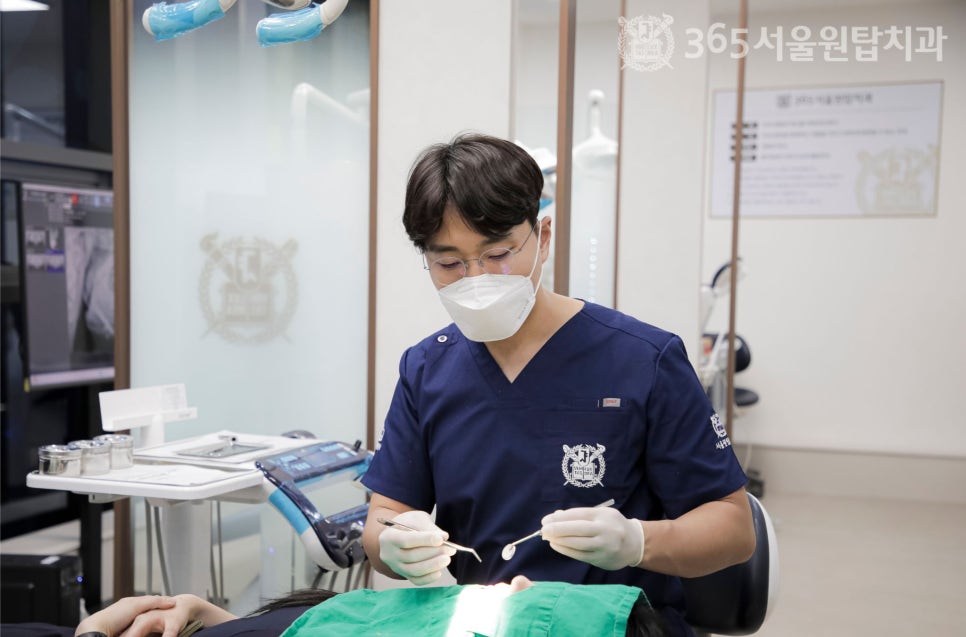
I am Kim Geun-il, the director of 365서울원탑치과.
I mainly provide implant treatments and general dentistry,
but since our clinic also offers orthodontic treatment,
many adult patients visit us
for the purpose of straightening their teeth.
When I consult with patients in the treatment room,
I sometimes meet people who are deeply concerned
because their oral condition is complex and unfavorable.
Among the questions that particularly stay with me
is this one:
“Doctor, my teeth are crooked, so I want orthodontic treatment,
and I also need implants where I am missing teeth...
Can I have both treatments at the same time?”
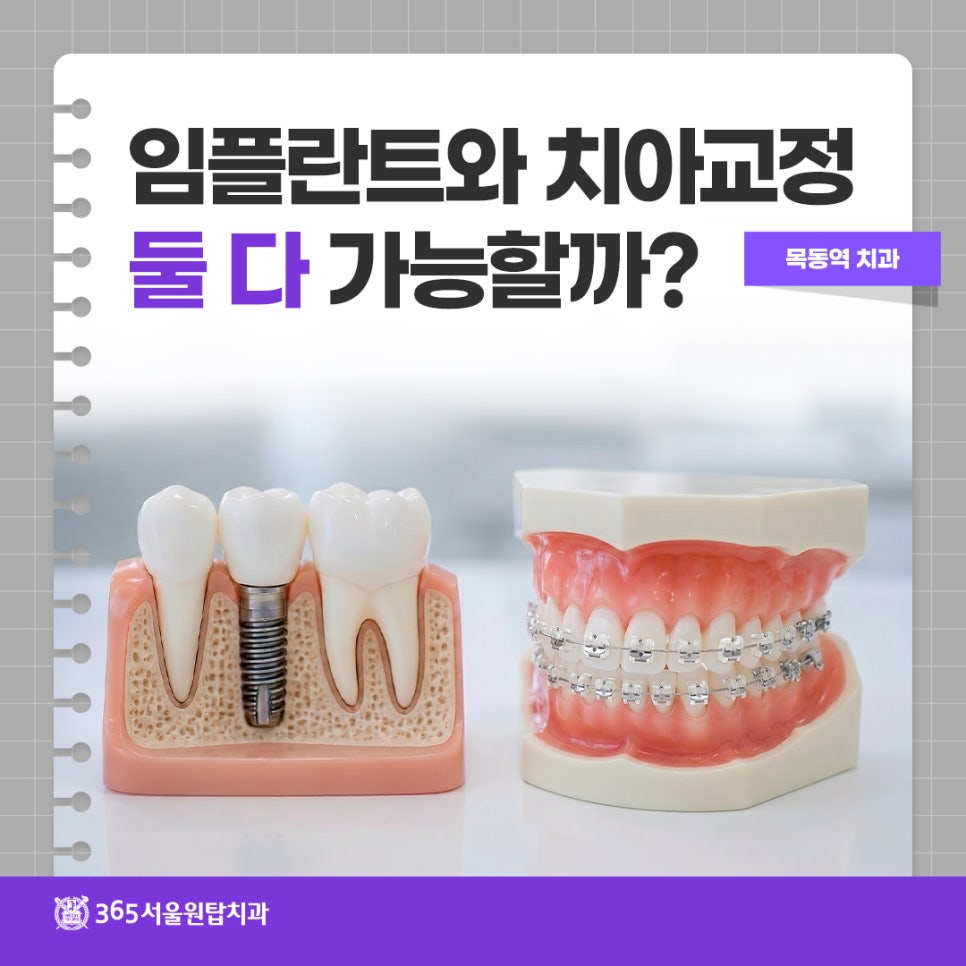
Since implants and orthodontic treatment are different procedures,
you may wonder whether they can be carried out together.
Although it depends on the patient’s condition,
it is often sufficiently possible.
However, from my perspective as a dentist,
the key factor that determines the quality of the treatment
is “what order to follow and how thoroughly to plan it.”
Today, based on my clinical experience,
I will honestly explain the specific reasons
and how to approach each situation.
Case 1) Orthodontic Treatment ‘Before’ Implants (When the Implant Has Not Yet Been Placed)
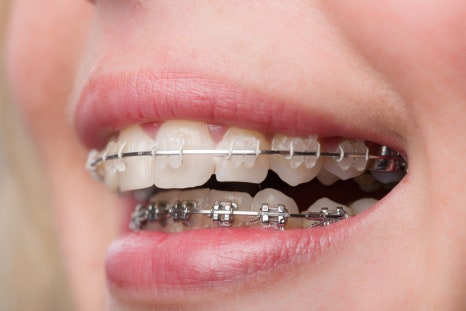
If you are still considering both treatments,
I generally recommend having orthodontic treatment first,
followed by implant placement.
This is because it involves a very important point
that I mentioned previously:
the structural difference between natural teeth and implants.
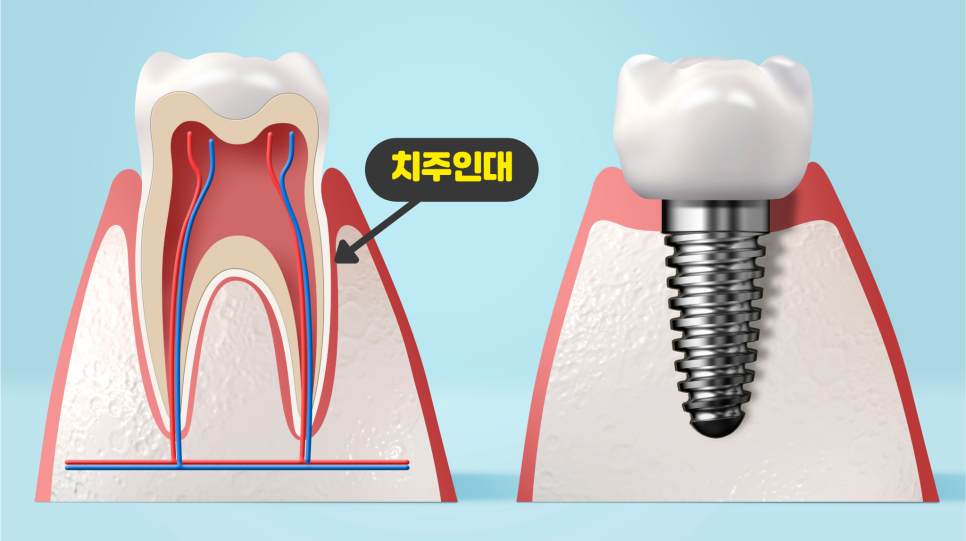
The Critical Difference Between Natural Teeth and Implants
Our natural teeth have a fine tissue called the periodontal ligament
between the tooth and the jawbone.
When force is applied by orthodontic appliances,
natural teeth can gradually move.
In contrast,
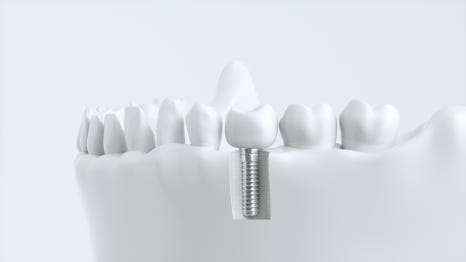
implants are firmly and directly fused
with the jawbone.
Once placed, they do not move,
regardless of how much force is applied.
When a tooth has been missing for a long time,
neighboring teeth may tilt sideways
to fill the empty space,
or teeth in the opposing arch may rise
to meet the teeth above or below them.
This is called extrusion.
If you try to place an implant without addressing this condition,
there may not be enough space.
The restoration may then need to be made in an abnormal shape,
or it may be prone to damage soon afterward
because the bite does not fit properly.
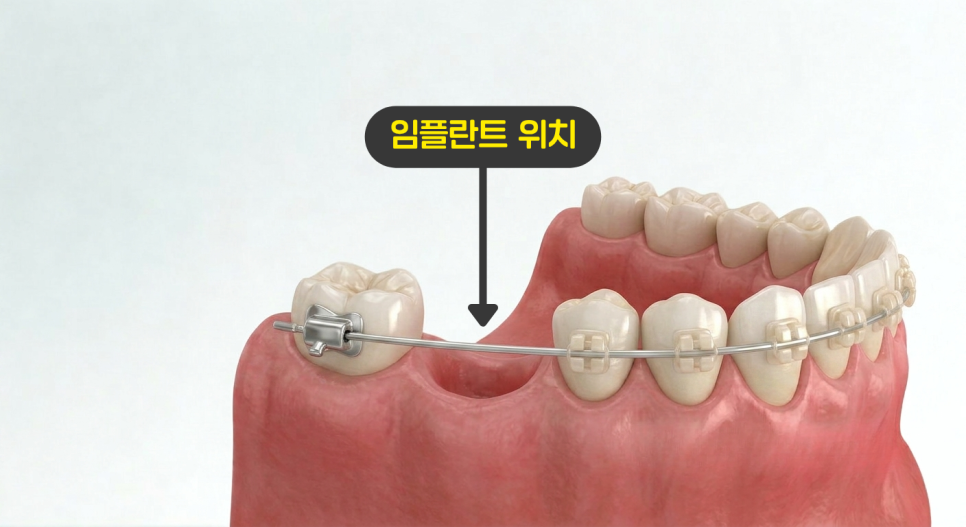
Therefore,
through orthodontic treatment,
it is safest to straighten tilted teeth,
restore the proper alignment,
secure “the ideal space for the implant,”
and then place the implant.
Once the harmony of the overall alignment and bite
has been established through orthodontic treatment,
the implant placed at the end
can be used comfortably and securely for a long time,
as if it had originally been your own tooth.
Case 2) Orthodontic Treatment ‘After’ Implants (When the Implant Has Already Been Placed)
“Doctor, I searched online and read that
orthodontic treatment is difficult for people who have implants.”
Yes, to be honest,
what you heard is partly true.
From a dentist’s perspective as well,
orthodontic treatment for someone who already has implants
is much more complicated,
and it is not a commonly preferred approach
in actual clinical practice.
As mentioned earlier,
implants are completely fixed in the bone
and do not move,
so they can impose significant limitations
when planning the overall path of tooth movement.
However, “complicated” does not mean “impossible.”
Depending on the patient’s oral condition,
it can be sufficiently addressed
by developing precise strategies such as the following.
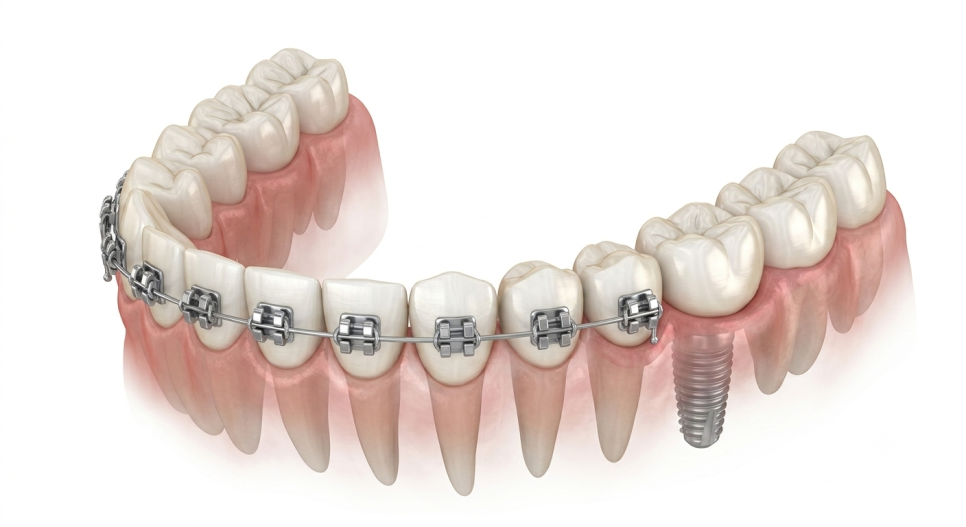
Move Only the Surrounding Teeth While Keeping the Implant Fixed
If you do not need comprehensive orthodontic treatment
but want to correct the alignment of the front teeth
or a specific area,
the implant area that has already been placed is left untouched.
Only the problematic natural teeth are precisely moved
to achieve overall harmony.
Making Use of the Implant’s Inability to Move
From an academic perspective, implants do not move
no matter how much force is applied.
By using this characteristic in reverse,
an existing implant can serve as a “solid pillar (anchor)”
to pull the surrounding natural teeth
into their desired positions.
Although the design is complicated,
this approach may allow for efficient movement
when used appropriately.
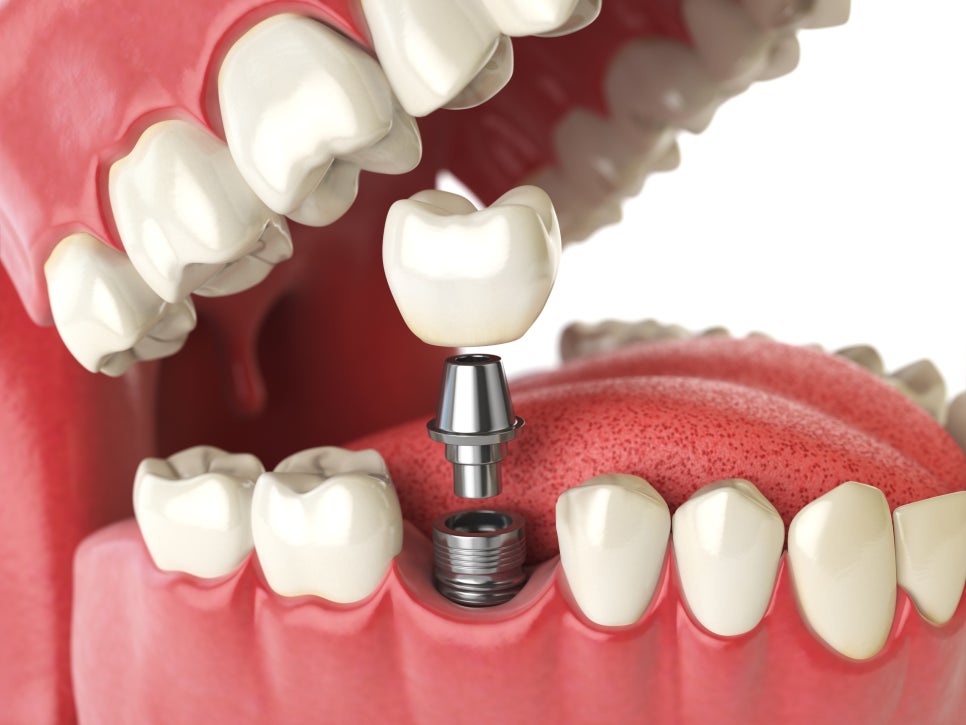
Recreating Only the Crown After Orthodontic Treatment Is Complete
As the surrounding natural teeth move,
small gaps may develop between them
and the existing implant restoration,
or the way the teeth come together when chewing
may change.
In such cases, after orthodontic treatment is complete,
the implant root (fixture) is left in place,
while only the crown (restoration) placed on top
is newly custom-made to match the current alignment,
finishing the treatment neatly without gaps.
Whether it is an implant or orthodontic treatment,
the purpose is the same.
Implants and orthodontics are two of the most technically demanding
areas of dental treatment.
When the two treatments are combined,
in particular, “the ability to assess the overall oral structure broadly”
is essential.
The surgical plan for placing the implant
and the orthodontic plan for moving the teeth into proper alignment
must be coordinated organically in one treatment plan
so that the most favorable approach for the patient
can be identified.
Ultimately, both orthodontic treatment and implants are intended
to “create a healthy oral environment
where patients can eat comfortably
and smile openly.”
Rather than worrying on your own
about the order becoming complicated
or the treatment being impossible,
please feel free to share your concerns with us at any time.
We will consider the best path forward together.
As July begins and summer approaches in earnest,
the weather has been getting hotter.
I hope everyone reading this
has a safe and uneventful summer.
This was dentist Kim Geun-il.
Thank you.
📍 365서울원탑치과의원
4th Floor, Dongmyeong M Building, 179 Gangseo-ro, Gangseo-gu, Seoul
Mokdong Station Dentist / Hwagok Station Dentist / Gangseo-gu Dentist
A 1-minute walk from Exit 8 of Hwagok Station