Hello.
I am dentist Kim Geun-il.
As you get older, when you are stressed,
or because of medication you regularly take,
have you ever felt that your mouth
becomes particularly dry?
It is easy to dismiss this as mild thirst
that can be resolved by simply taking a sip of water,
but from a dentist’s perspective,
the symptom of a dry mouth—xerostomia—is
one of the oral conditions that can undermine
the health of your teeth and gums.
I would like to explain what happens inside your mouth
the moment its moisture disappears.
Ujangsan Dental Clinic: Why Does Dry Mouth Cause Cavities?
Saliva, the “natural disinfectant”
in your mouth, disappears.
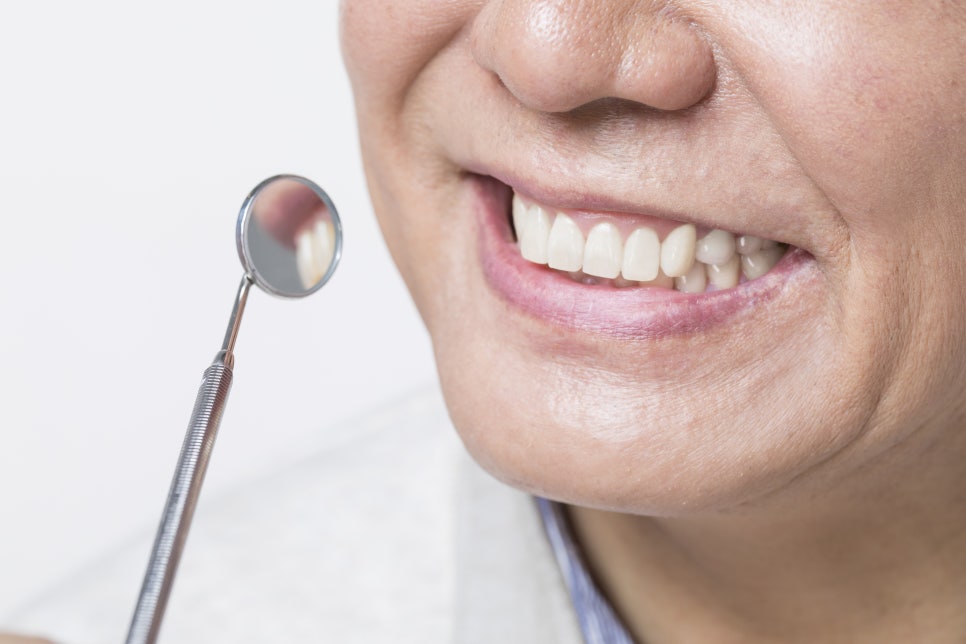
Saliva is not simply water;
it is a defense system that protects your mouth.
- It washes away and disinfects bacteria
Saliva contains antibacterial substances
that kill bacteria.
It also flows continuously, helping wash away
food particles and bacteria attached to
your teeth and gums through a natural cleansing process.
- It helps prevent tooth decay
When you eat, your mouth becomes acidic,
creating an environment where tooth decay can easily occur.
Saliva neutralizes this acidity and protects your teeth.
However, when saliva dries up due to xerostomia,
this strong protective barrier disappears,
and your mouth turns into an environment where bacteria can thrive.
It becomes an “acidic environment”
that is favorable for cavity-causing bacteria.
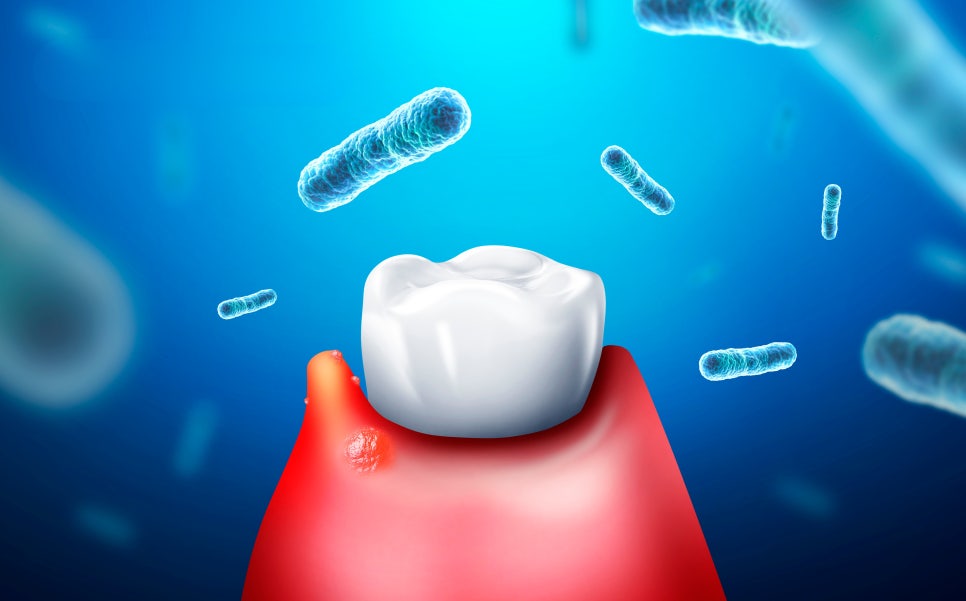
When saliva dries up, its ability to rinse the mouth stops,
allowing sugar and bacteria to remain in the mouth for longer.
Cavity-causing bacteria multiply much more actively in an acidic environment.
Because saliva can no longer neutralize the acidity,
teeth decay much faster than usual.
Gum-disease bacteria that dislike oxygen
become more active.
In addition to cavities, many of the harmful bacteria
that cause gum disease—periodontitis—
are bacteria that “dislike oxygen
and prefer sticky environments.”
- Plaque and tartar build up quickly
When saliva dries up, it becomes more viscous,
so food particles and bacteria easily stick together,
causing plaque and tartar to form much faster.
- Gums swell and bleed
As gum-disease bacteria
multiply rapidly, they attack the gums.
Eventually, your gums may bleed every time you brush,
become swollen, and, in severe cases, the bone supporting your teeth may deteriorate,
leading to loose teeth.
What is making my mouth so dry?
Xerostomia is not simply a natural phenomenon
that occurs with age;
it can also worsen for various reasons in everyday life.
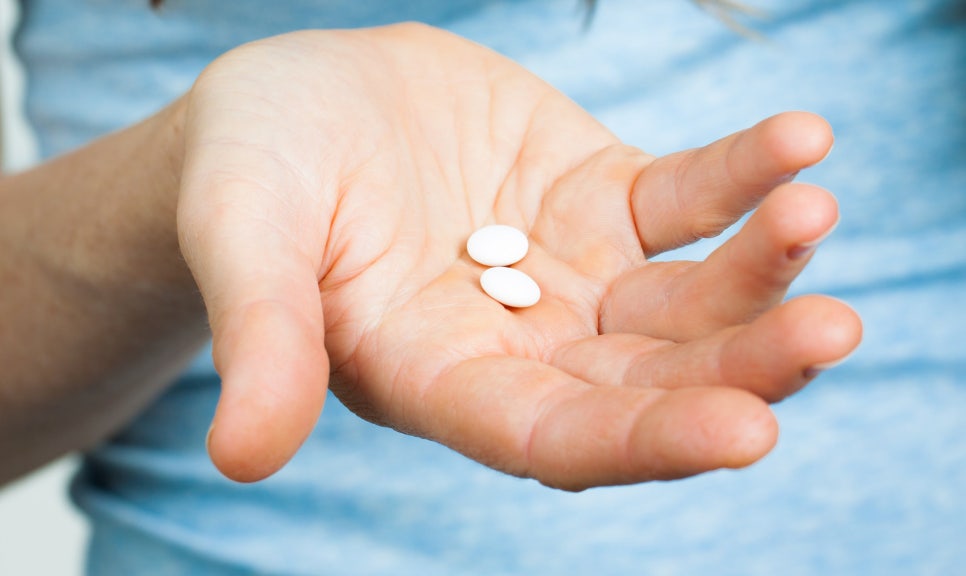
- Medication side effects
Many medications commonly taken by middle-aged and older adults,
including blood pressure medication, diuretics,
antidepressants, and allergy medication such as antihistamines,
can have the side effect of reducing saliva production.
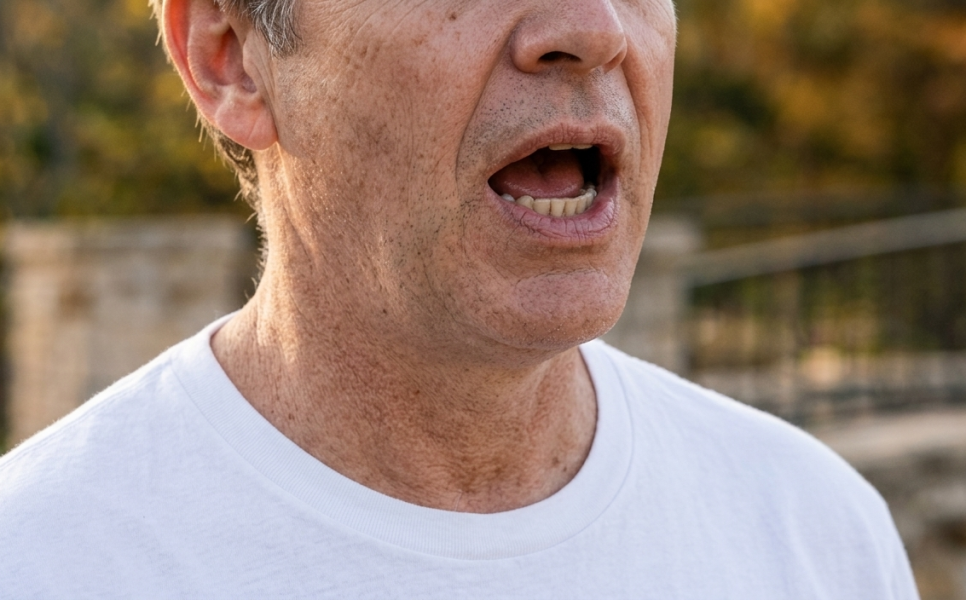
- The habit of breathing through your mouth (mouth breathing)
If your nose is blocked due to rhinitis or chronic sinusitis
and you constantly breathe through your mouth,
the passing air quickly evaporates moisture in your mouth.
- Stress and inadequate hydration
When you are extremely nervous or stressed,
salivary gland activity may decrease,
which can reduce saliva production.
Four ways to protect
your mouth from xerostomia

- Drink small amounts frequently
Rather than drinking a large amount all at once,
keep water nearby and drink it often
so that your mouth does not have a chance to become dry.
- Use sugar-free gum or candy
This can help stimulate the salivary glands
and encourage natural saliva production.
(However, please choose products without sugar!)
- Cut back on coffee, alcohol, and smoking
The caffeine in coffee and green tea, as well as alcohol,
can reduce moisture in the body
and make your mouth even drier.
Smoking is also a major contributor to dry mouth.
- Pay attention to indoor humidity
Especially if you sleep with your mouth open,
turn on a humidifier and keep the indoor humidity
comfortably maintained at 50–60%.
“My mouth is a little dry.
It should be fine, right?”
Many people leave it untreated,
only to develop several cavities within a few months
or experience a sudden worsening of their gum health
before visiting a dental clinic.
If your mouth keeps becoming dry, do not leave it untreated.
Having scaling and regular dental checkups
at slightly shorter intervals than usual,
while managing your oral health carefully,
is a wise way to protect
your precious teeth.
I am Kim Geun-il,
director of 365 Seoul One Top Dental Clinic.
Thank you.
📍 365 Seoul One Top Dental Clinic
4th floor, Dongmyeong M Building, 179 Gangseo-ro, Gangseo-gu, Seoul
Magok implants / Gangseo-gu dental clinic / Hwagok-dong dental clinic
A 1-minute walk from Exit 8 of Hwagok Station