Hello, this is Songjeong-dong Dental Clinic, greeting you from S Leader Dental Hospital.
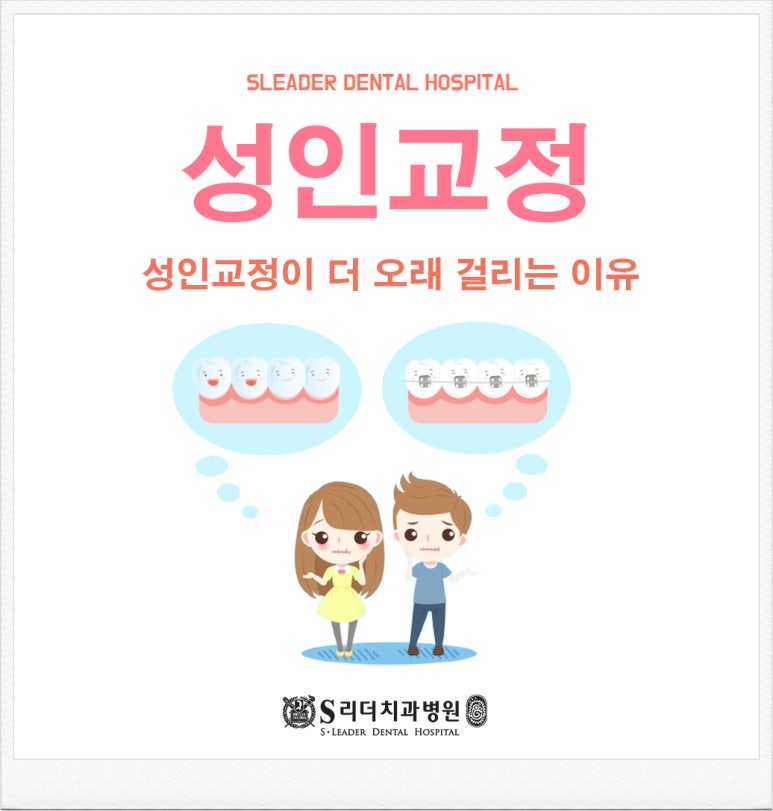
There is one question that adults considering orthodontic treatment ask first.
“Is it really true that orthodontic treatment takes longer for adults than for children?”
This is a question that comes up almost every time during consultations. Orthodontic treatment itself is possible regardless of age, but in reality,
adults often need a little more time.
So why is that?
It is not simply because you are “older,” but because various lifestyle habits, tooth conditions, and changes in the bones that are unique to adults all affect the orthodontic period.
Today, we will explain this more simply based on the questions many people ask at Songjeong-dong Dental Clinic, S Leader Dental Hospital.
- Because bones and teeth move at different speeds.
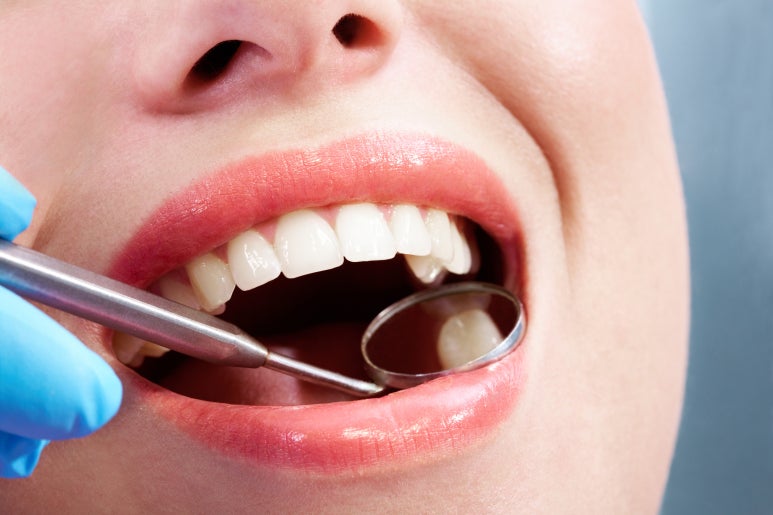
Orthodontic treatment is the process of gradually changing the position of teeth by applying a certain amount of force. A child’s jawbone is still growing, so it is soft and flexible, allowing teeth to move quickly. In contrast, an adult’s bone growth has already finished and the bones have become firm, so movement is inevitably a little slower.
It is somewhat like the difference between working with clay that has not yet hardened and carving into hard clay that has already taken shape.
Also, because the ligaments and gum tissues around the teeth in adults have stayed in the same position for a long time, moving them to a new position requires more careful and stable force control. If the teeth are moved too quickly, pain,
gum damage, and root resorption of the tooth may occur, so proceeding at a conservative pace is safer.
- Because long-standing habits and tooth conditions have an effect.
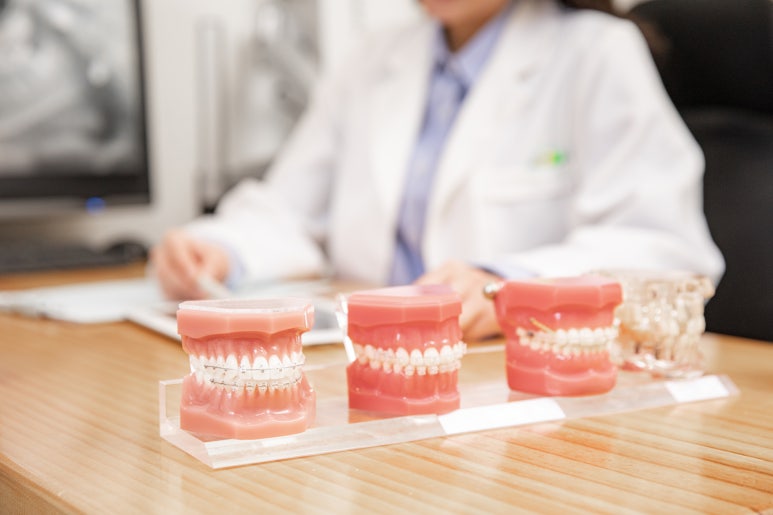
Adults have chewing habits that have been maintained for years, or even decades. Habits such as chewing on only one side, pushing the jaw forward or clenching the teeth, and grinding the teeth during sleep can affect not only the teeth but also the muscles around the jaw, interfering with orthodontic treatment.
When these habits are present, the muscles and ligaments create a stronger force that tries to return the teeth to their original position when movement is attempted, so a process of slow and repeated stabilization is needed. In other words, it is not about moving the teeth right away, but about taking extra time so that “once they move, they stay in place well.”
[Whether prosthetic work or cavity treatment is needed affects the speed of orthodontic treatment.]
Adults often have already experienced various dental treatments such as cavity treatment, resin, crowns, and root canal treatment, which also affects the orthodontic period. Treated teeth cannot be subjected to strong force, and existing prosthetics may no longer fit properly during treatment, so time is needed for adjustments.
If hidden cavities are discovered during orthodontic treatment, they must be treated first, and if the gum condition is poor, gum care may need to be started first as well. The more areas that need treatment, the longer the orthodontic period naturally becomes.
The “relapse tendency” that teeth want to return to their original position is stronger.
Orthodontic treatment does not end when the movement process is over. After the teeth are moved, a “retention process” that keeps them in place is absolutely necessary.
Children’s jawbones are still growing, so retention tends to adapt and stabilize more quickly, but adults have been using the same positions for chewing and speaking for a long time, so it takes longer for the new position to feel familiar.
In particular, adults show a stronger tendency for teeth to move back to their original position. This is because the surrounding muscles and ligaments “remember” the position they have been working in for a long time.
Therefore, adult orthodontic treatment generally requires wearing a retainer for a longer period, and even after the movement is finished, a stable fixation process without a “move and release” period is essential. In the end, when this retention process is included, the overall orthodontic period feels longer.
[Daily life patterns can also have an effect.]
Adults, unlike children, often have unpredictable schedules such as work, childcare, overtime, and schedule changes.
Orthodontic treatment involves regularly visiting the dental clinic for adjustments, and if appointments are delayed or schedules overlap, lengthening the interval between visits, the movement speed naturally slows down as well.
Adults also often prefer clear aligners because of appearance, but clear aligners must be worn consistently for more than 20 hours a day to move as planned. If wearing time falls short, movement will inevitably be delayed.
In other words, an adult’s real-world lifestyle pattern is one of the factors that determines the orthodontic period.
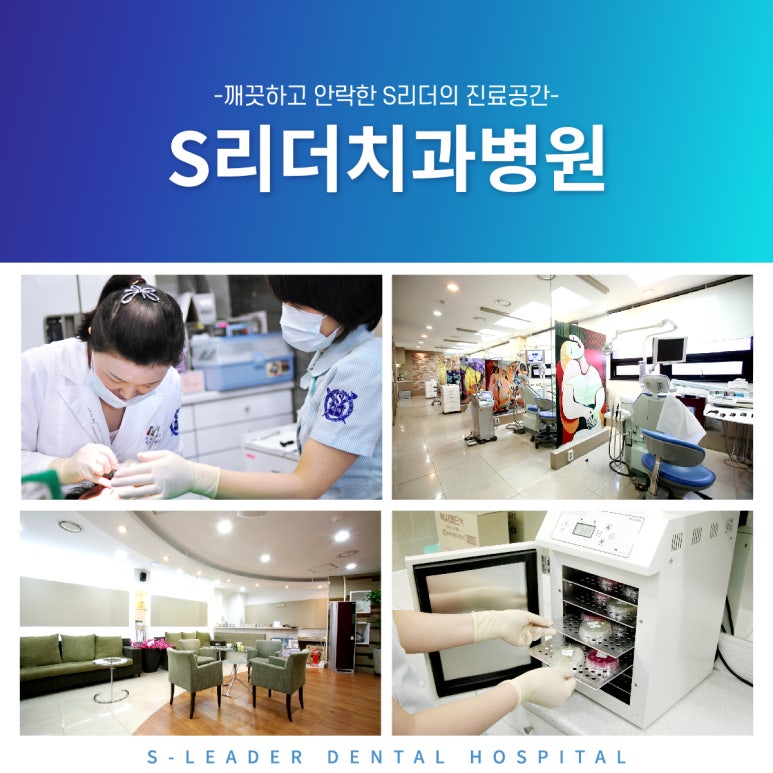
At Songjeong-dong Dental Clinic, S Leader Dental Hospital,
start adult orthodontic treatment more comfortably.
It is true that adult orthodontic treatment can take longer than treatment for children, but it is by no means too late. Adults tend to pay more attention to the condition and health of their teeth and manage them more carefully, so they often achieve even better results. What matters is not age, but accurately checking the current condition of the teeth and finding the method that is right for you.
At Songjeong-dong Dental Clinic, S Leader Dental Hospital, we see adult orthodontic treatment not simply as a process of straightening teeth, but as treatment that restores both function and aesthetics. For patients with weak gum conditions, we first stabilize gum treatment, and if there are existing prosthetics, we plan treatment by considering orthodontics and prosthetics together. We carefully reflect the patient’s lifestyle, occupation, and preferred appliances to help proceed at the most manageable pace.
If you are currently considering orthodontic treatment, it may be a good idea not to keep putting it off in your mind and instead have a light consultation. Regardless of age, teeth can change healthily in many ways, and that change can bring much greater satisfaction and confidence than you might expect.

Songjeong-dong Dental Clinic :: S Leader Dental Hospital