
Hello, this is Mary Plastic Surgery Clinic, which pursues natural and beautiful changes.
In modern society, it is said that the key to health management is the battle against stress.
This may be because the range of conditions caused by stress is gradually becoming more diverse.
Stress affects physical activity, but it has an even closer relationship with mental illnesses such as depression.
When you feel mild depression or stress, you are often advised to relieve it in a healthy way through a sound and regular lifestyle.
However, rather than such encouragement, eating刺激ive foods or sweets can sometimes feel more comforting.
Why do we look for sweets when we are depressed, and are they really helpful?
Today, let’s look at foods that help improve depression!
Why You Crave Sweets When You’re Feeling Down
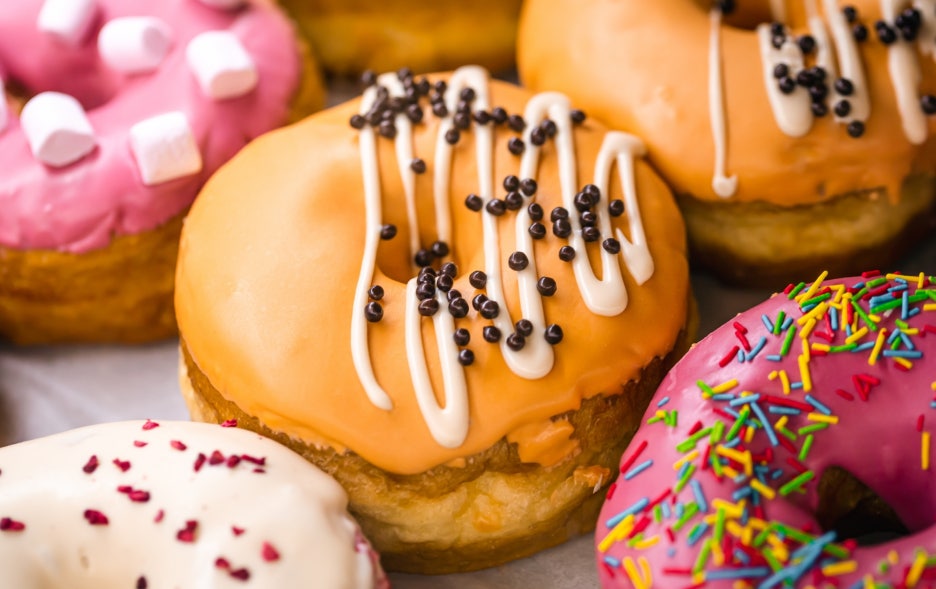
When people feel depressed or stressed, many also tend to reach for sweets.
This may give a temporarily soothing feeling, but in the end it is not a recommended method.
It is true that the sweetness spreads in the mouth and briefly calms the nerves, but afterward, as blood sugar rises, you become more sensitive.
That is why, instead of looking for sweets when you are feeling down, it is better to eat healthy foods that are actually helpful for depression.
In particular, snacks, bread, and high-calorie foods often eaten as desserts can cause blood sugar levels in the body to become unbalanced, and the process of a sharp drop in blood sugar can make you feel even more depressed.
So rather than seeking out sugar, choosing other foods that can replace it is more helpful for improving depression, and it is recommended to keep sugar intake under 25 g per day.
What Foods Help Improve Depression?
Dark Chocolate
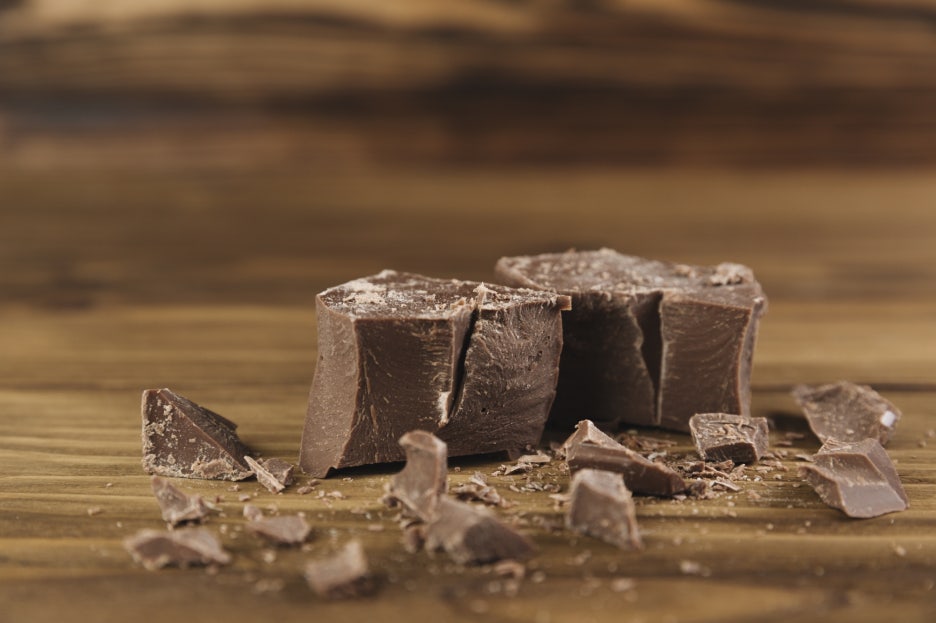
If you tend to crave sweets when you’re feeling down, dark chocolate can be a helpful choice.
Dark chocolate with fewer additives and less sugar contains phenylethylamine, a component that helps regulate mood by increasing the levels of endorphins and serotonin, and is said to be effective in improving depressed feelings.
In addition, dark chocolate contains tryptophan, an amino acid that helps promote sleepiness and appetite and is effective in improving mood.
It is also said to play a role in relaxing the nerves through the secretion of the neurotransmitter serotonin.
One of the representative ingredients in dark chocolate is flavonoids, a type of antioxidant.
Because they help suppress inflammation in the brain and oxidative stress, dark chocolate is often listed as a food that helps improve depression. However, depending on the additives, it is best to be careful not to consume too much sugar.
Vitamin D
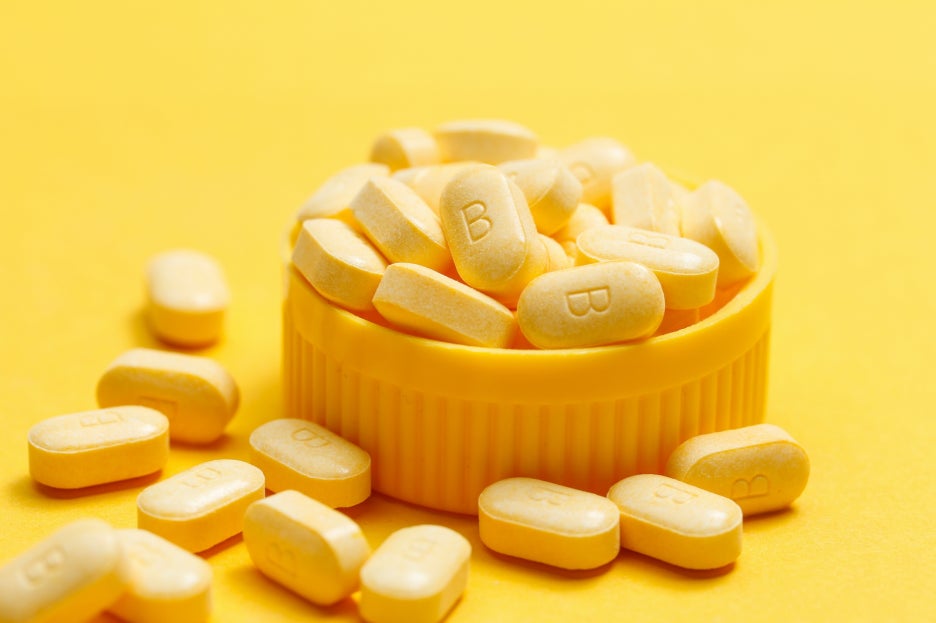
We have discussed vitamin D before.
Vitamin D is considered one of the ingredients that help improve depression.
Vitamin D, one of the nutrients modern people are easily deficient in, is an essential component for our bodies, as it helps maintain the hormonal system and promotes metabolic activity.
Since vitamin D actually promotes blood flow to the brain, it helps brain activity run smoothly and also aids in improving depression.
Vitamin D is synthesized in the body through sunlight, but because it must be exposed to UVB rays, absorption is actually difficult when using sunscreen and similar measures.
That is why we recommended getting it through foods rich in vitamin D, such as beef, salmon, eggs, and seaweed, or taking supplements.
Walnuts
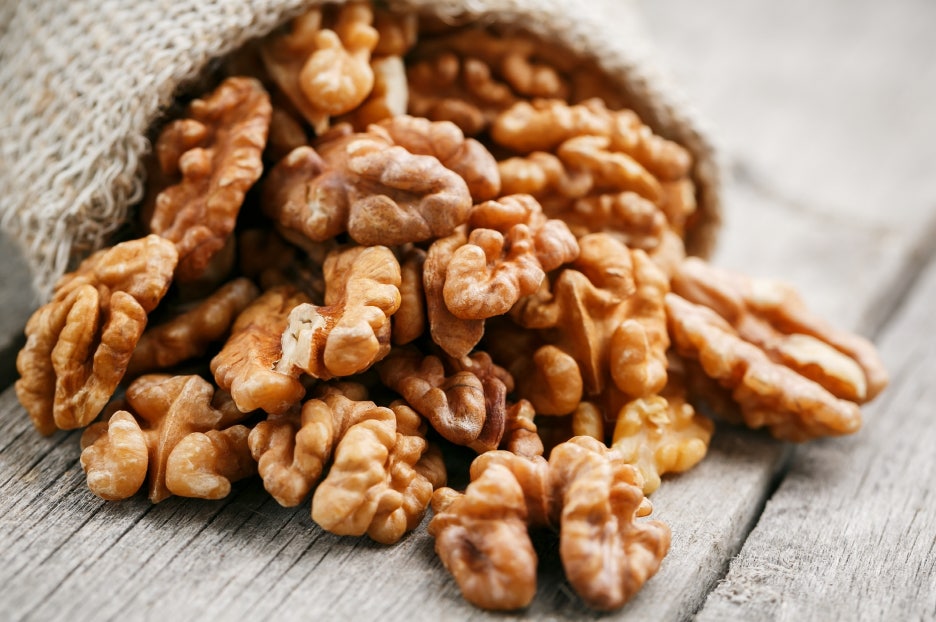
Among the foods that help improve depression are walnuts, which are good for brain health.
Walnuts are said to be effective in protecting actual brain function.
Rich in unsaturated fatty acids such as omega-3, walnuts help improve blood pressure and promote cerebral blood flow, making them effective in activating brain function.
Spinach
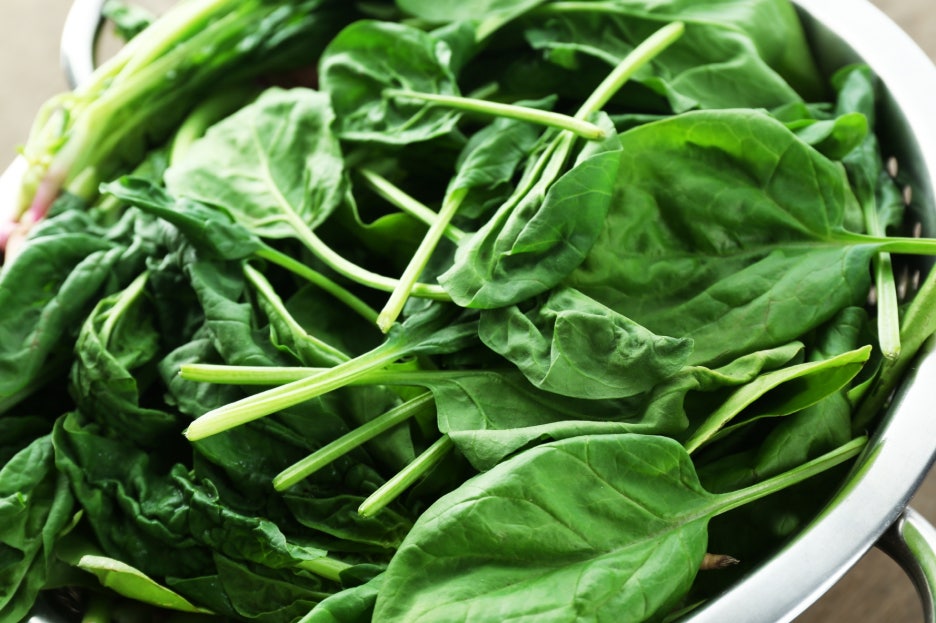
Green leafy vegetables, including spinach, are also one of the foods that help improve depression.
Spinach is rich in vitamins A, C, E, and K, as well as minerals, folate, and magnesium, so it helps improve the hormone secretion system and supports the production of neurotransmitters.
In particular, spinach contains abundant antioxidants, which help suppress the release of reactive oxygen species, a cause of stress.
In addition to spinach, green leafy vegetables include kale, lettuce, and asparagus, and because their nutrients can be easily destroyed when heated, it is recommended to eat them raw or only lightly cooked.
Berries
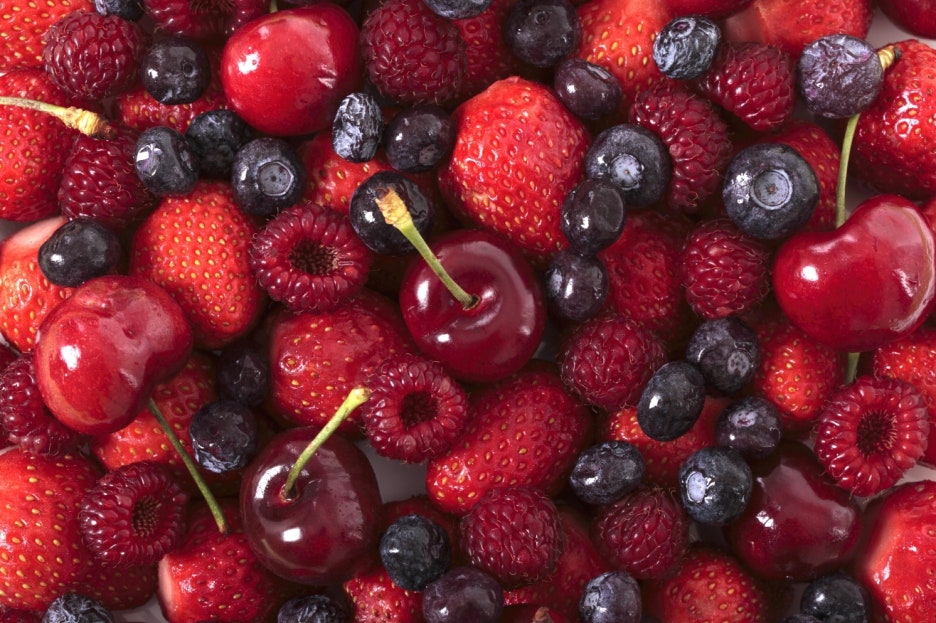
Lastly, berries are among the foods that help improve depression.
From berries with a bright red color, such as strawberries and raspberries, to blueberries and blackberries that appear purple or even black, anthocyanins are said to create these red tones.
Berries are rich in antioxidant compounds such as anthocyanins, beta-carotene, and polyphenols, and contain vitamins and minerals, helping to remove reactive oxygen species in the body and protect the brain.
Compared with their sweet taste, they are low in calories and carbohydrates, so they are an especially good alternative for people who tend to crave sweets when they feel depressed.
Today, we looked at foods that help improve depression.
In addition, many people try drinking alcohol or eating high-calorie foods when they feel down, but alcohol only temporarily numbs brain function so you do not feel depressed for a moment, and if it leads to excessive drinking, impulsivity increases and emotional control becomes difficult, so caution is needed.









Previous image
Next image