Hello. We are Mary Plastic Surgery Clinic, pursuing natural and beautiful changes.
If Western food culture has “sauce,” Korean food culture has had “jang.”
Jang can be seen as a legacy passed down by our ancestors through traditional fermentation.
Properly made traditional fermented jang is not only for adding flavor, but it is also said to allow us to consume ingredients that can help support health.
Among the traditional fermented jang types that are not especially divisive and are commonly found in households, there are doenjang, gochujang, and ganjang.
Beyond that, there was a traditional fermented jang with a much stronger aroma than the savory flavor of doenjang, which divides opinion: cheonggukjang.
Because of its distinctive strong smell, it can be difficult to cook at home, and even when eating it outside, the smell can cling to clothing and be troublesome for some people.
Today, I will explain the difference between cheonggukjang and doenjang, and also introduce the benefits of cheonggukjang, a traditional fermented jang.
What Is the Difference Between Cheonggukjang and Doenjang?
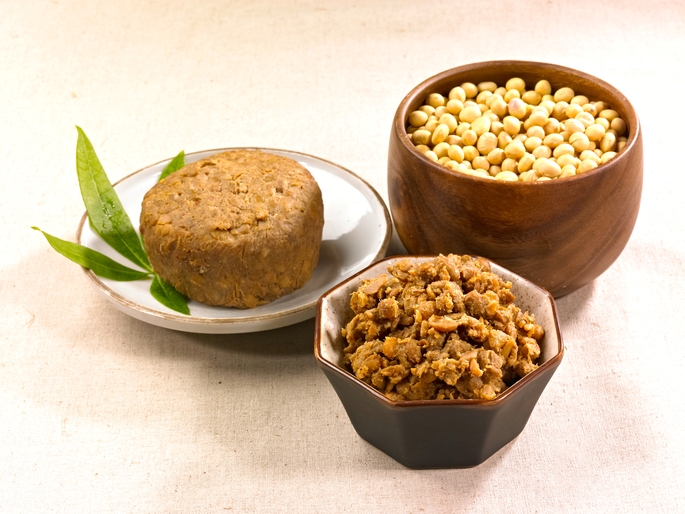
Cheonggukjang and doenjang are similar in the process of making them and even in the types of beneficial bacteria produced during fermentation, but there are various differences.
First, both cheonggukjang and doenjang are made by fermenting soybeans.
What we commonly know as maejukong, or yellow soybeans, refers to this soybean.
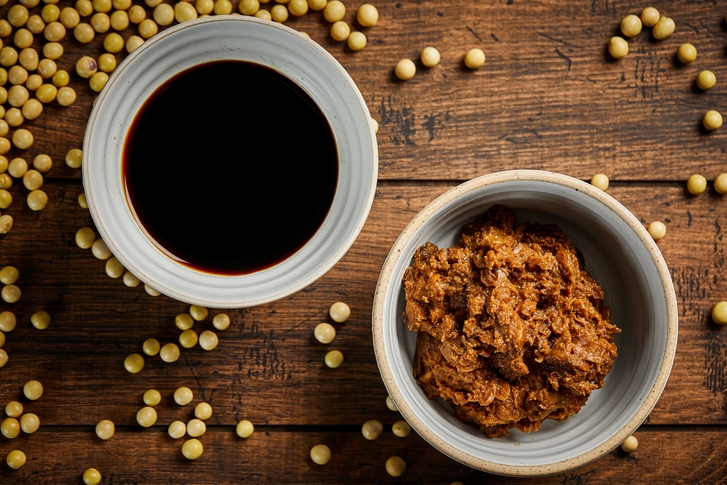
The difference between cheonggukjang and doenjang begins with doenjang, which starts by crushing boiled soybeans, shaping them, and drying them to make meju.
It is a traditional fermented jang made by storing thoroughly dried meju in saltwater or brine for a long time.
At this point, the softened meju becomes doenjang, while the brine that turns black becomes ganjang.
Because doenjang uses saltwater, it is characterized by a relatively high salt content.
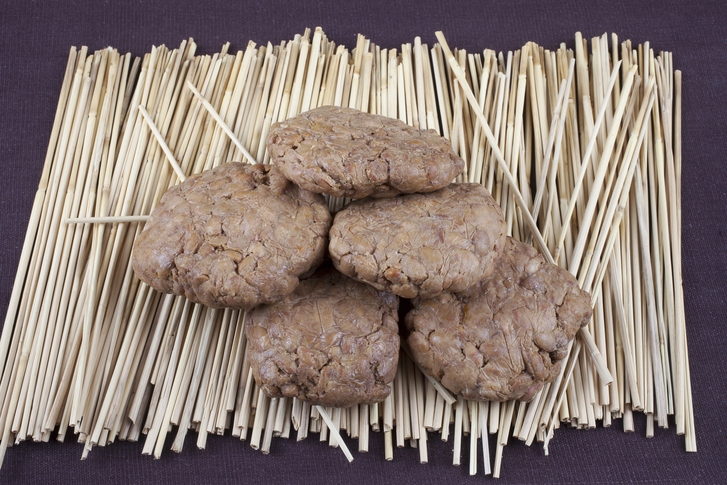
On the other hand, cheonggukjang is made by fermenting boiled soybeans with rice straw.
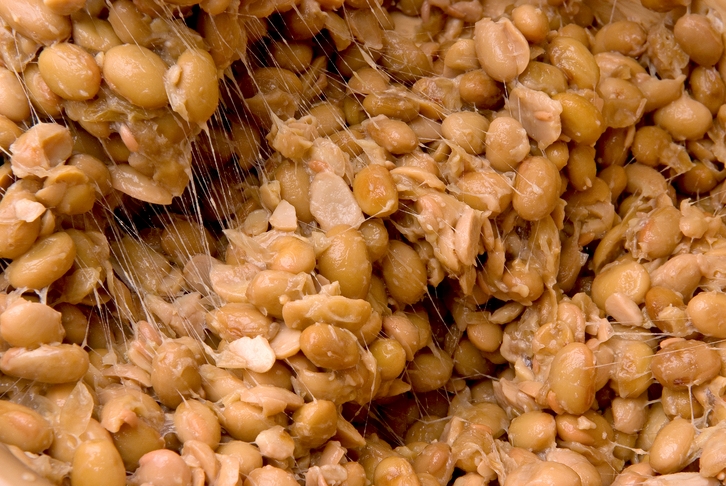
Doenjang is made by crushing soybeans and shaping them when making meju, but cheonggukjang is fermented with the beans left intact, so much of the original shape of the beans remains, and the texture is sticky and stringy.
As meju turns into doenjang, some of the beneficial components of the soybeans inevitably leach out into the saltwater.
Compared with that, cheonggukjang undergoes fermentation while keeping its original form, so the difference between cheonggukjang and doenjang is that you can consume beneficial bacteria more intact.
In particular, cheonggukjang is fermented using Bacillus subtilis, a bacterium that grows on dry grasses such as rice straw.
Bacillus subtilis acts as a beneficial gut bacterium like a probiotic and can promote the production of lactic acid and acetic acid in the body, which also helps suppress harmful bacteria.
What Are the Benefits of Cheonggukjang?
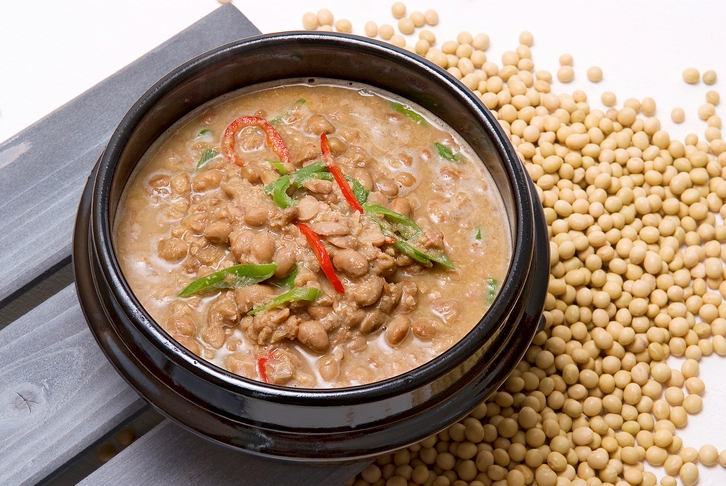
So, what are the benefits of cheonggukjang?
Cheonggukjang is characterized by containing soybeans, Bacillus subtilis, and fermentation byproducts in their entirety.
Because it retains the original shape of the soybeans, it is easier to consume protein and essential amino acids.
In particular, it is rich in dietary fiber and contains various beneficial bacteria, so it can help improve the intestinal environment, and may also be helpful for diet and diabetes.
Soybeans contain an antioxidant component called isoflavone.
This component is characterized by being called a natural female hormone.
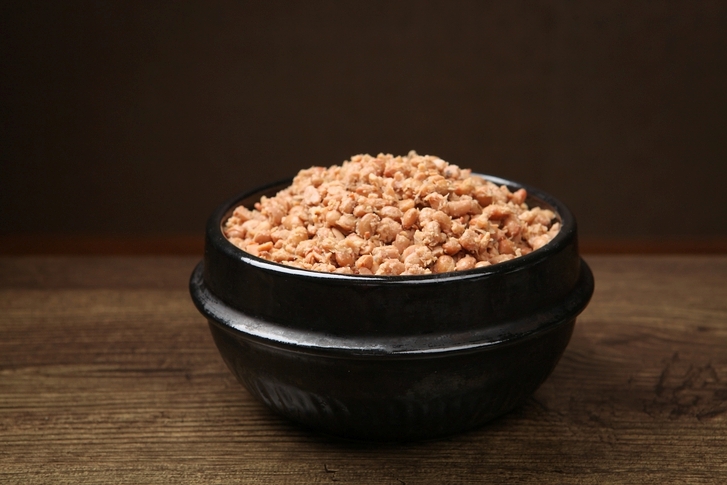
In addition, cheonggukjang contains fermented components such as genistein, nattokinase, vitamin K, and GABA.
Among them, nattokinase is the component that creates the sticky mucus texture felt in cheonggukjang and natto.
Nattokinase is said to be effective in inhibiting platelet aggregation and improving blood circulation.
Genistein also has antibacterial and anticancer effects, so for a while the anticancer effect was emphasized as one of the benefits of cheonggukjang.
As mentioned earlier, the difference between cheonggukjang and doenjang also lies in whether Bacillus subtilis is present.
Because the Bacillus subtilis in cheonggukjang plays a role in killing harmful bacteria, it is said to have helped protect health even in the past, before antibiotics were available.
Furthermore, GABA is known as a natural neurotransmitter and a component that can help stabilize the nerves, improve stress, and address insomnia.
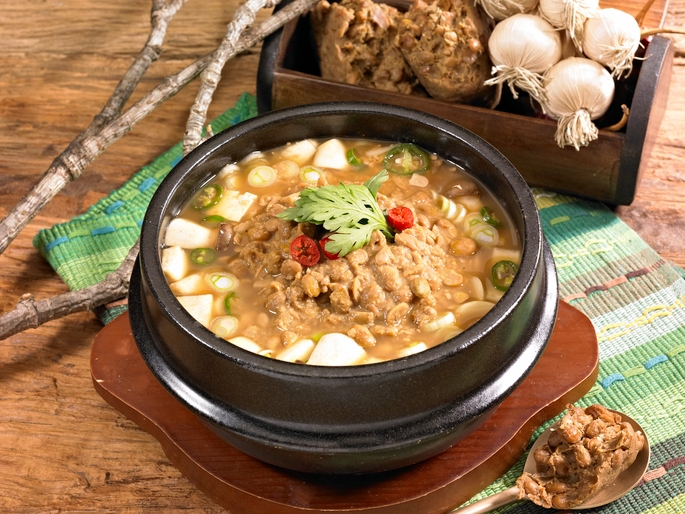
Today, we looked at the difference between cheonggukjang and doenjang.
Cheonggukjang, made by adhering to traditional methods, has less salt than doenjang, so it can also be helpful for people who need to watch their sodium intake.
However, commercially sold cheonggukjang may already be seasoned, so it is better to check the ingredients.









Previous image
Next image