Hello. We are Mary Plastic Surgery Clinic, which pursues natural and beautiful changes.
If sudden dizziness occurs, many people would first suspect fatigue.
However, if dizziness continues, the cause may lie in an underlying condition.
Anemia, a representative cause of dizziness, literally means that the blood is “empty” and refers to a state in which hemoglobin, which carries oxygen in the blood, is insufficient.
If anemia continues and becomes severe, it can interfere with daily life and also affect your health, so special care is needed.
As the body becomes short of the oxygen it needs, symptoms such as dizziness, headache, fatigue, shortness of breath, and pallor may also appear.
Today, let’s look at anemia as a cause of dizziness and also learn about foods that are good for improving anemia symptoms.
What Are the Causes of Dizziness, and What Are the Symptoms of Anemia?
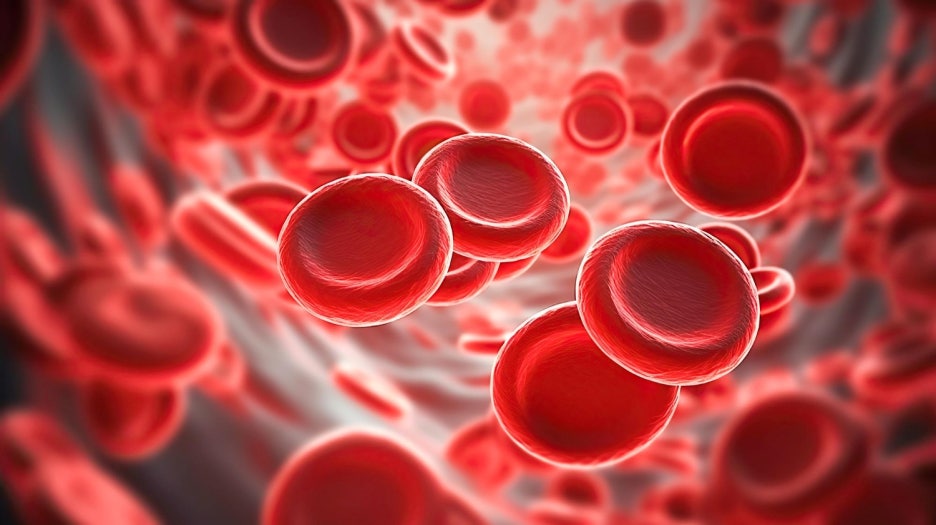
As mentioned earlier, anemia refers to a state in which hemoglobin in the blood is insufficient for some reason, so oxygen cannot be supplied smoothly throughout the body.
Symptoms include dizziness, headache, fatigue, shortness of breath, weakness, and pallor, but the type of anemia can vary depending on the cause.
🩸 Iron-deficiency anemia: Anemia caused by a lack of iron, the main component of hemoglobin.
🩸 Megaloblastic anemia: Anemia that occurs due to a deficiency of vitamin B12 and folate, which are needed to make DNA that forms blood cells.
🩸 Myelodysplastic syndrome: Anemia that occurs when the bone marrow’s hematopoietic stem cells are insufficient or the system develops abnormalities.
🩸 Anemia of chronic disease: Anemia that occurs because inflammation from chronic illness prevents blood formation even when there is enough iron.
🩸 Hemolysis, blood loss: Anemia caused by symptoms that exceed the compensatory ability of the bone marrow.
🩸 Others: In addition, anemia can occur due to a lack of erythropoietin, which stimulates red blood cell formation, because of kidney disease, tumors, and other conditions. In elderly patients, anemia causing dizziness can also occur due to benign or malignant diseases of the hematopoietic system.
What Tests Are Used for Anemia?
If anemia is suspected as the cause of dizziness, it can be diagnosed through blood tests.
In addition, diagnosis is also possible through hemoglobin tests, peripheral blood smears, serum iron tests, iron-binding capacity tests, and ferritin tests.
The World Health Organization (WHO) anemia diagnostic criteria can vary depending on whether the person is an adult or a child.
In general, it is classified as hemoglobin <11–13 g/dL, and in adult men or postmenopausal women, if iron-deficiency anemia is present, it is a good idea to additionally check for changes such as occult blood in the stool or gastrointestinal endoscopy.
Foods That Help Improve Anemia Symptoms
Today, we looked at the causes of anemia.
Since there is no way to prevent anemia, it is important to check your health in daily life.
In particular, iron-deficiency anemia is a symptom many people experience, so as foods that help improve anemia symptoms, we recommend eating foods rich in iron.
Typical foods that help improve anemia symptoms include the following:
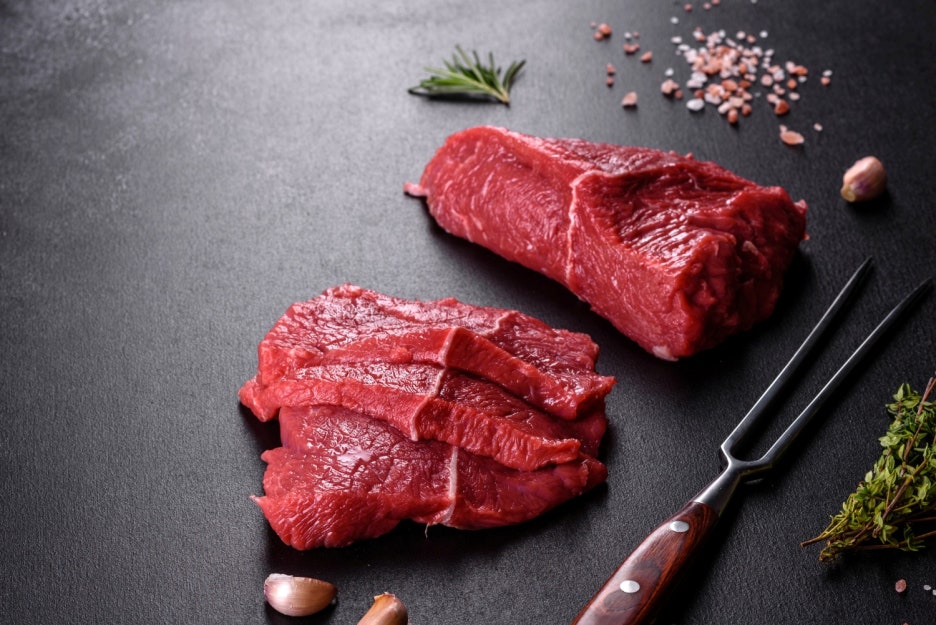
🩸 Red lean meats
Red lean meats, including beef, are rich in vitamin B12 and iron, which help activate folate and improve anemia.
🩸 Seaweed
Seaweed is also one of the foods rich in folate.
Because of this, it is often eaten for postpartum care after childbirth.
Seaweed and other sea vegetables are rich in folate and iron, and the heparin component is also known to help with blood circulation.
🩸 Spinach
Green leafy vegetables can also be considered foods rich in folate.
Among them, spinach is rich in folate, which helps produce red blood cells, and contains iron and manganese, making it a food that helps improve anemia symptoms.
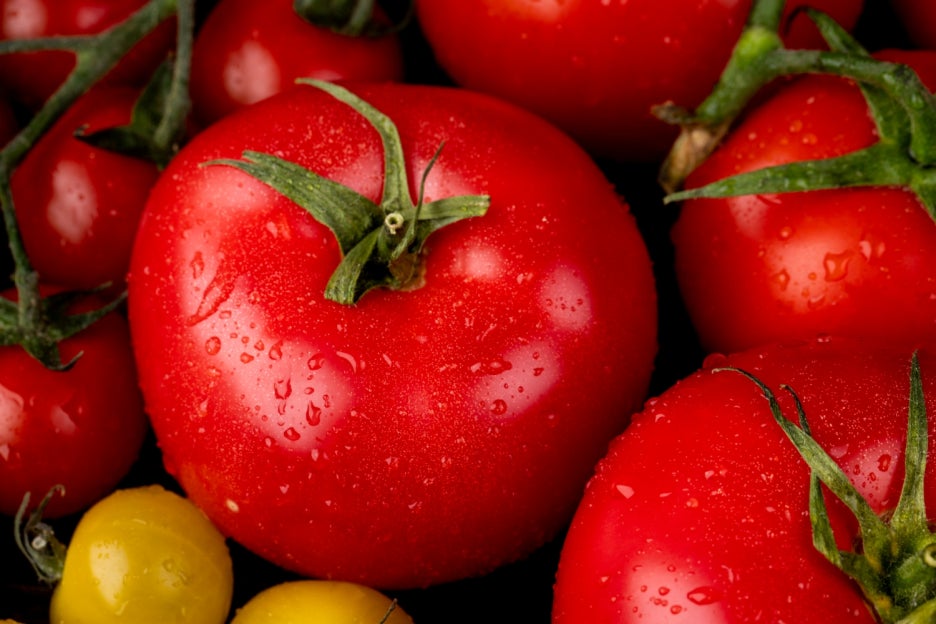
🩸 Tomatoes
Tomatoes are rich in iron, folate, vitamin C, and the antioxidant lycopene.
The vitamin C in tomatoes increases iron absorption, and folate is said to help vitamin C work more effectively.









Previous image
Next image