Hello. We are Merry Plastic Surgery Clinic, pursuing natural and beautiful changes.
Our body is made up of various tissues.
Among them, the spine, which supports the center of the body, plays a very important role.
From the cervical spine starting at the neck to the lower back, the spine supports the body and maintains balance, but it can also become deformed from its ideal shape due to lifestyle habits, body weight, posture, and other factors.
In particular, as the amount of time people spend using electronic devices has increased and more people sit and look at screens, spinal and cervical problems such as forward head posture and herniated discs have become more common.
Among these, I will explain how to perform a self-assessment test for scoliosis, a condition many people complain of.
What Is Scoliosis?
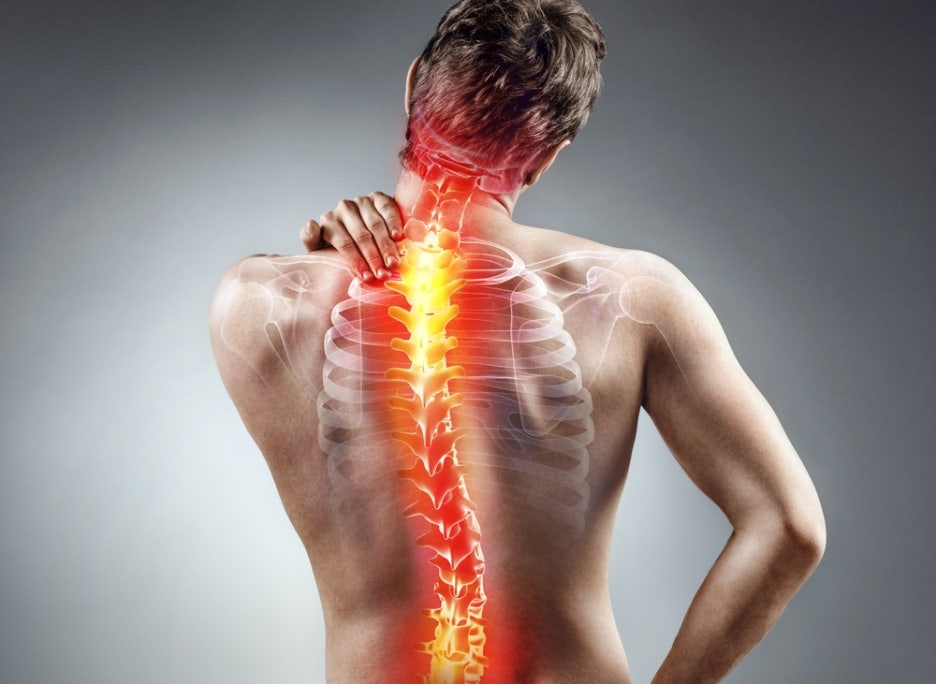
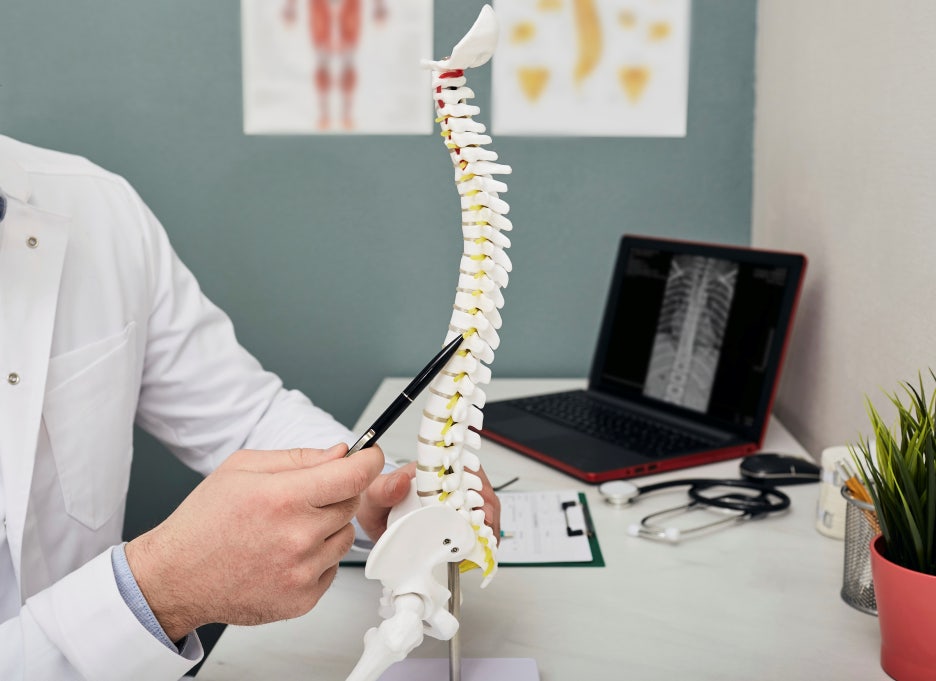
Scoliosis refers to a condition in which the spine bends for some reason and the body’s center becomes twisted.
When viewed from the front or back, the spine should form a straight line, but the 특징 of this condition is that this shape deviates excessively to the left or right, or front to back.
It is true that scoliosis can develop because of poor posture, but it can also occur for various other reasons.
In addition, depending on the cause of the symptoms, it can be broadly classified into structural scoliosis and non-structural scoliosis.
This is scoliosis caused by a problem in the spine’s structure itself, and because the cause is unknown, it is also called idiopathic scoliosis.
This is scoliosis that occurs due to various causes such as leg length discrepancy or stiffness in the hip joint. It can be corrected by improving the underlying cause and through physical therapy, and in severe cases, surgery may be necessary.
If scoliosis bends into a C or S shape by 10° or more, it can affect growth and body shape.
It can appear easily even in the early teens, so you need to be careful from a young age.
How to Perform a Scoliosis Self-Assessment Test
So, what are the ways to perform a scoliosis self-assessment test?
Scoliosis can also be self-assessed at home.
After standing facing forward, bend at the waist without bending your knees and slowly lower your upper body, then stretch both hands downward so that the tips of both fingers line up.
At this time, the examiner can observe the back and the shape of the spine from the front and back.
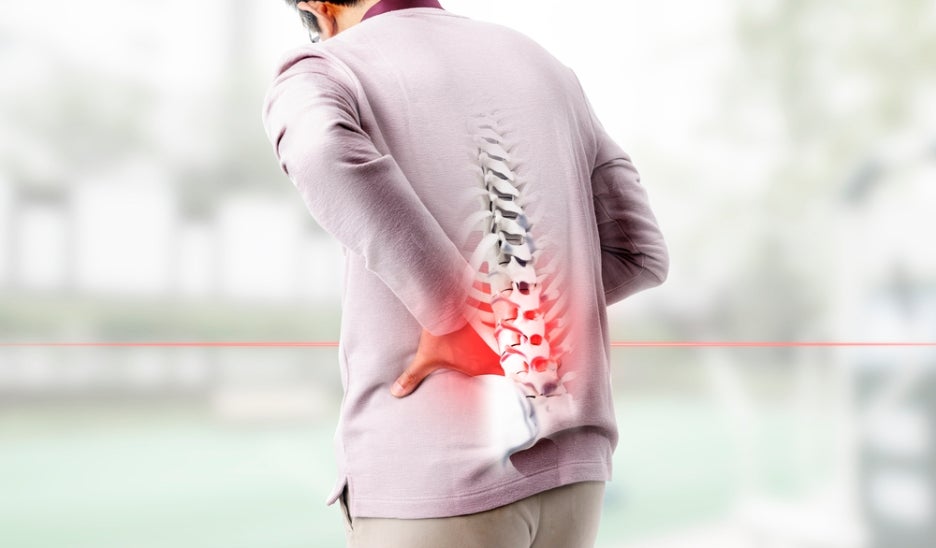
In people suspected of having scoliosis, the back and waist may appear asymmetrically raised.
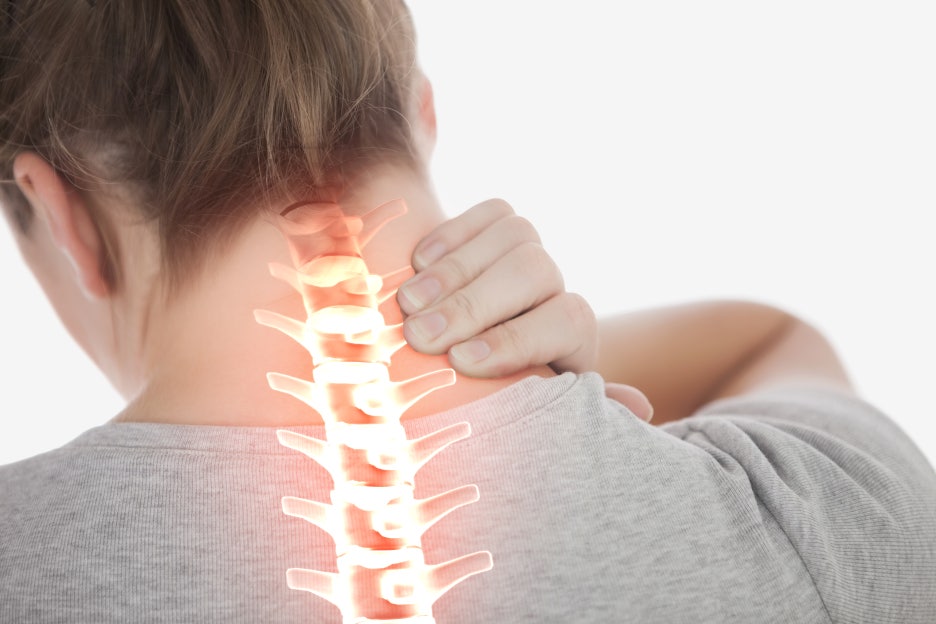
In addition, a scoliosis self-assessment test in daily life requires observing everyday habits.
If your body is usually tilted to one side, if your shoulders are at different heights when standing in front of a mirror or wearing a bag, or if there is pelvic asymmetry, scoliosis may be suspected.
Furthermore, if the heel of a shoe wears down on only one side, or if the shoulder blades and rib cage are asymmetrical when standing upright, this same problem may be present.
Treatment Methods for Scoliosis
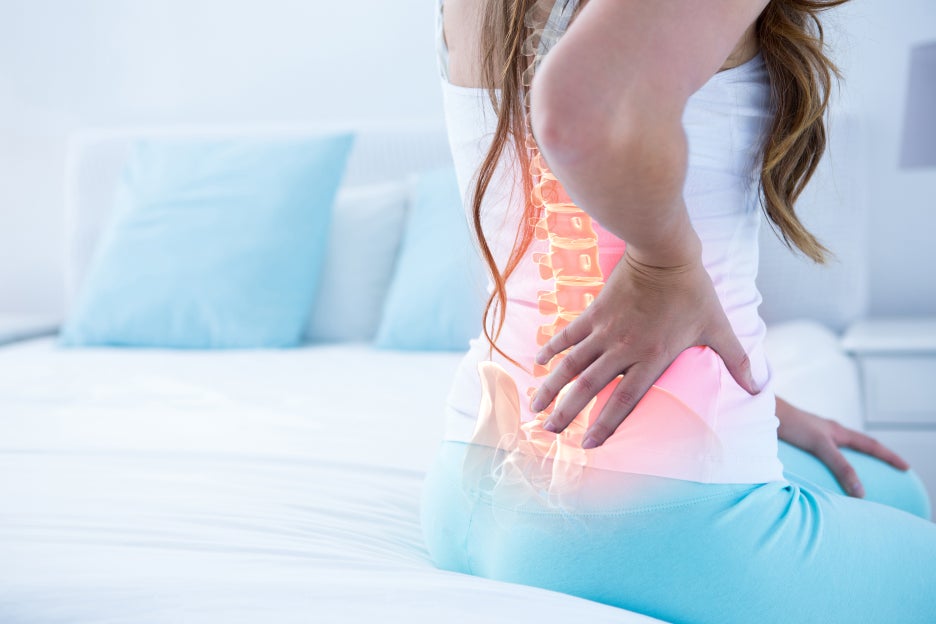
If scoliosis is suspected through the self-assessment test method introduced today, it is best to receive treatment before the symptoms worsen.
If you visit the clinic and receive a definitive diagnosis, the treatment method may vary depending on the type and the degree of skeletal maturity.
In general, curvature of 20° or less can be managed with regular observation, physical therapy, and improving the habits that cause it, but if curvature of 20–40° or more appears and pain is triggered, wearing a brace can also be an option.
If the spinal curve is more than 40°, surgery is needed to support the spine.









Previous image
Next image