Hello. This is Mary Plastic Surgery Clinic, pursuing natural and beautiful changes.
What kind of flavors do you like in your food?
Many people consider harmony of flavors important when eating a variety of dishes.
Among them, the sweet-and-salty combination was pleasing to the palate, but in fact it was not a healthy combination.
In particular, sodium has long been said to require adherence to the recommended daily intake.
Because of this, many people have tried low-sodium diets, but did you know that completely avoiding sodium is actually dangerous?
Today, let’s take a look at the recommended daily sodium intake and the benefits of sodium.
What Are Sodium’s Benefits?
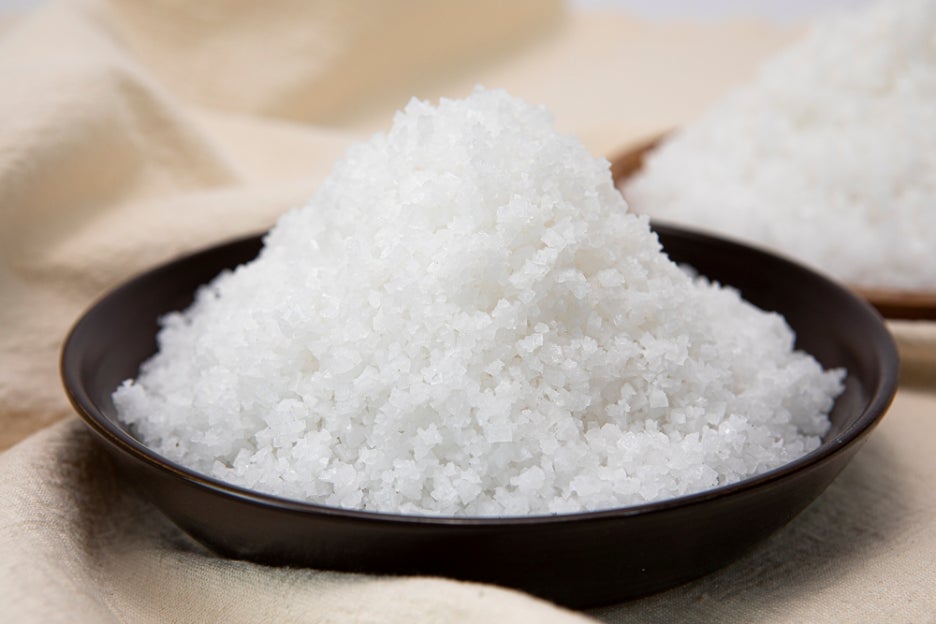
What are the benefits of sodium?
Sodium is one of the minerals that the body absolutely needs.
Sodium is essential for maintaining the balance of water and fluids, which make up 60–70% of our body, and is also necessary for nerve transmission and muscle function.
In particular, sodium is an essential mineral for maintaining electrolyte balance, so it is important to keep an appropriate level.
In addition to these benefits, sodium is said to help remove impurities from the stomach, support its function, and help suppress inflammatory responses.
What Are the Side Effects of Sodium?

Of course, as is well known, problems can also arise when sodium is consumed in excess.
Sodium and water need to maintain an appropriate balance.
If sodium is consumed in excess, it draws water into the body, increasing blood volume, which can lead to higher blood pressure and eventually hypertension.
If high blood pressure persists, the likelihood of exposure to cardiovascular diseases such as stroke increases, and the burden on the kidneys, which perform filtration, also rises, increasing the risk of kidney disease.
The condition commonly called swelling is also caused by too much sodium, which makes water stay in the body in excess as well.
What Is the Recommended Daily Sodium Intake?
So, what is the recommended daily sodium intake?
In general, the World Health Organization (WHO) recommends a daily sodium intake of about 2,000 mg for adults.
In fact, Koreans consume an average of about 4,880 mg of sodium, which far exceeds the recommended daily amount.
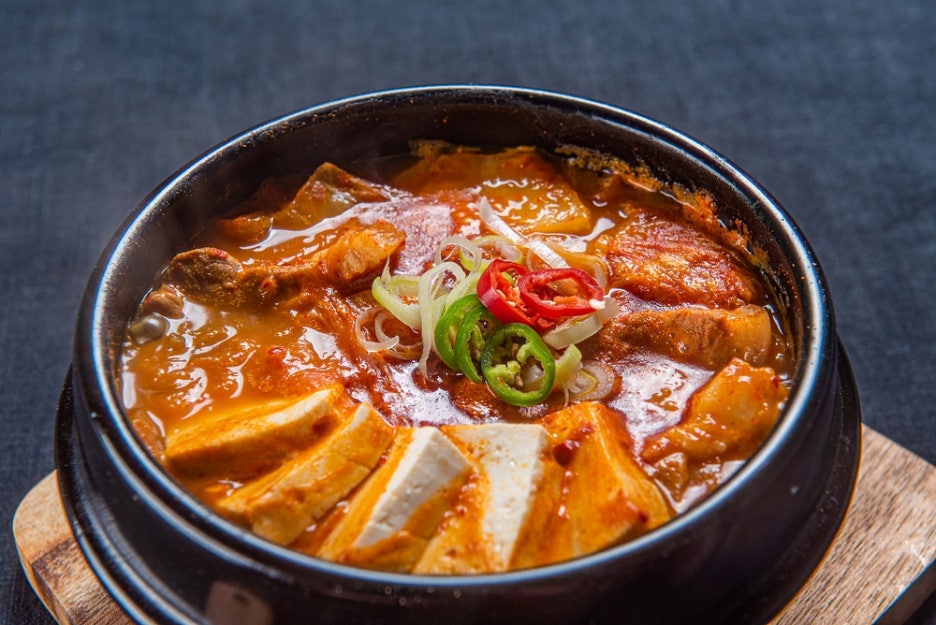
Looking at the Korean diet, stews and side dishes are often the main sources of sodium.
This is because pickled dishes, braised dishes, and broths contain a lot of sodium.
Therefore, when eating such meals, reducing sodium to an appropriate amount can be helpful for your health.
What Happens If You Don’t Consume Sodium At All?
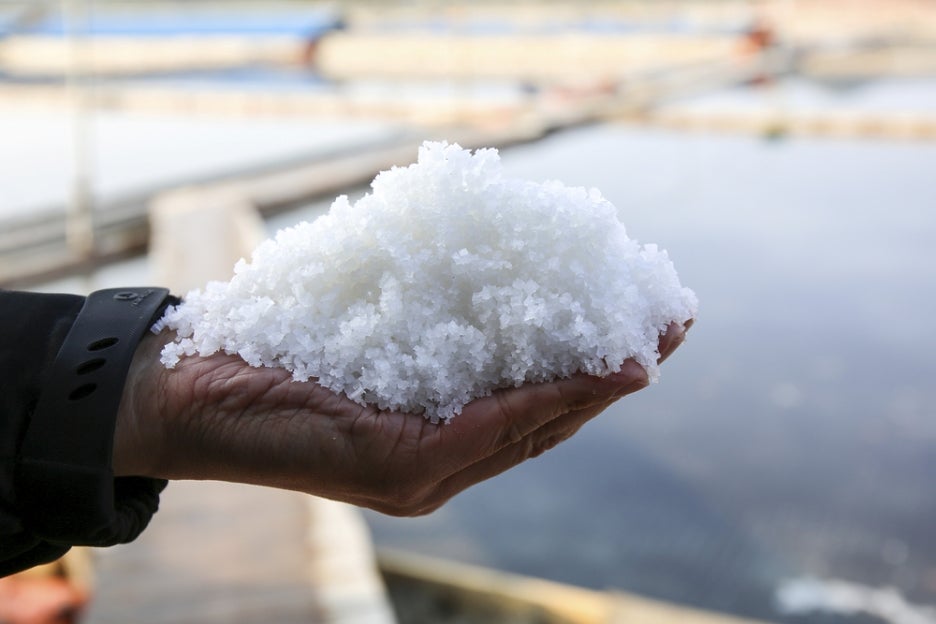
If you are dieting, some people go beyond a low-sodium diet and eat only plain, unseasoned raw foods.
As mentioned earlier about sodium’s benefits, sodium is an essential mineral that the body needs.
The water in our body has a salt concentration of 0.9%.
This is also why sweat, tears, and nasal mucus taste salty.
Therefore, to maintain the balance of body fluids, it is better to consume sodium in appropriate amounts.
Today, we looked at the recommended daily sodium intake.
To reduce sodium, one method is to reduce the amount of salt and use herbs, natural spices, and similar ingredients.
In particular, when consuming processed foods, it is necessary to pay even more attention to the sodium content.
Therefore, if you want to reduce sodium in your everyday diet, it is best to avoid processed meats as much as possible, and even if you do eat them, we recommend boiling them once in water before eating.
Also, in the case of Korean food, it is said that eating only the solid ingredients rather than the broth can be very helpful.









Previous image
Next image