
Hello. We are Mary Plastic Surgery Clinic, pursuing natural and beautiful changes.
In our daily lives, we often apply compresses in a variety of situations.
However, using a compress incorrectly can actually worsen pain, so caution is needed.
Today, let’s look at what method should be used for a bruise, along with the differences between cold compresses and warm compresses and the situations in which each is needed.
Cold Compress vs. Warm Compress

The difference between cold compresses and warm compresses is best organized by broadly separating them into acute pain and chronic conditions.
When you are suddenly injured while exercising or experience temporary swelling, a cold compress is used. When pain is easing and you are in the recovery process, or when muscle pain requires improved blood circulation and the pain is persistent, a warm compress is needed.
In other words, for bruises that people commonly encounter, using a cold compress is appropriate.
When Is a Cold Compress Needed?
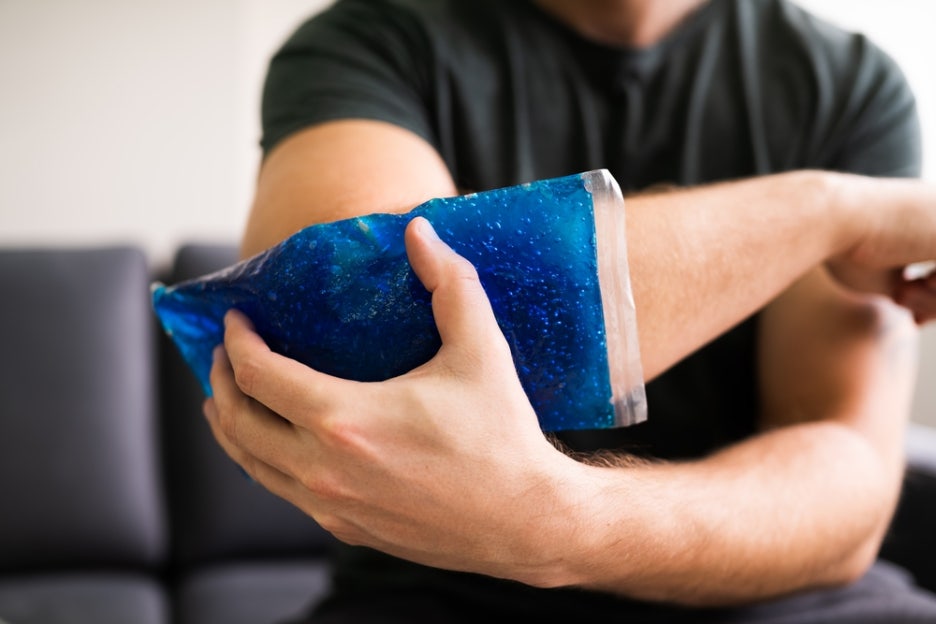
To explain in a little more detail, a cold compress is effective for improving heat and swelling in the affected area.
It is helpful for acute pain within 1 to 2 days after the injury occurs.
Because a cold compress constricts blood vessels and reduces the amount of blood flow to the injured area, it helps ease the risk of inflammation and reduce pain.
However, when using a cold compress, caution is needed because temperatures below 5 degrees Celsius can lead to tissue damage in the affected area or frostbite. Also, ice or a cold compress pack should not make direct contact with the injured area.
If you do not have a cold compress pack, you can freeze a towel dampened with water in the freezer and use that.
In this case, it is recommended to wrap it in a thin cloth or towel before using it.
If you are using a cold compress to reduce swelling, it is said to be more effective to position the compress area higher than the heart and rest while applying the compress.
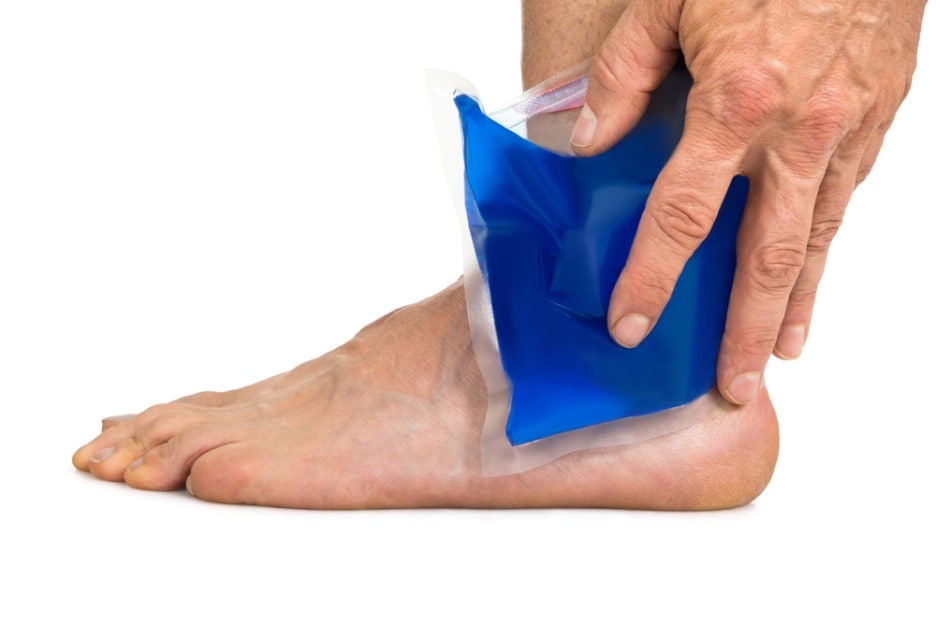
❄️ Bruises, fractures, traumatic injuries
❄️ Swelling, bruising
❄️ Sprains
❄️ Burns
When Is a Warm Compress Needed?

A warm compress can be expected to be effective for chronic conditions, recovery, and muscle pain.
Because a warm compress expands blood vessels, it can help blood circulation flow smoothly and relax stiff muscles.
It can also help remove waste products from the affected tissue, and as blood flow increases, nutrients are delivered more quickly, which can support recovery in the affected area.
However, a warm compress is best used during the recovery stage, after acute pain and swelling have subsided.
As with cold compresses, if the temperature is too high, there is a risk of burns.
Therefore, the temperature of the compress pack should be maintained at about 60 to 70 degrees Celsius, and directly soaking the affected area in warm water can also be helpful.
Also, if you apply a warm compress to an area with a sprain or swelling, inflammation and swelling may worsen, so we recommend using a warm compress only during the recovery process.

🔥 Menstrual cramps
🔥 Muscle pain, muscle tightness
🔥 Disc problems
🔥 Injuries without swelling
🔥 Chronic pain such as arthritis and frozen shoulder
Today, we have clearly explained the difference between cold compresses and warm compresses so you can apply them as needed.
However, for treatment related to a medical condition, we recommend proceeding fundamentally through consultation with medical staff.
Also, please remember that the affected area should improve through sufficient rest and proper measures!
Thank you.









Previous image
Next image