Hello. We are Merry Plastic Surgery Clinic, pursuing natural and beautiful changes.
It has only just reached mid-June, but the weather already feels like midsummer.
Daegu, nicknamed Daeprikaria, is already seeing temperatures above 36℃.
This summer is also expected to record extreme heat on a historic level, and at the same time, we can expect alert messages to keep sounding as well.
When alerts are issued due to extreme heat, many people tend to think little of them and simply say, "It’s hot again today," and move on. However, extreme heat is actually divided into two categories—advisories and warnings—and notification messages are sent accordingly.
Today, we will look at the difference between a heat wave advisory and a heat wave warning, and also introduce precautions to take during extreme heat.
Heat Wave Advisory vs. Warning

All weather alerts issued during extreme heat are collectively called heat wave advisories and warnings.
Heat wave alerts are issued based on the daily maximum apparent temperature (the highest temperature with humidity reflected).
So, what is the difference between a heat wave advisory and a warning?
☀️ Heat Wave Advisory (issued when one of the two cases below applies)
-
When the daily maximum apparent temperature of 33℃ or higher is expected to continue for at least 2 days
-
When serious damage is expected due to a rapid rise in apparent temperature or a prolonged heat wave

☀️ Heat Wave Warning (issued when one of the two cases below applies)
-
When the daily maximum apparent temperature of 35℃ or higher is expected to continue for at least 2 days
-
When serious damage is expected in a wide area due to a rapid rise in apparent temperature or a prolonged heat wave
The difference between a heat wave advisory and a warning can be said to be the daily maximum apparent temperature threshold, as well as the scale of the affected area caused by the heat.
What Should You Be Careful About During Extreme Heat?
So, what precautions should you take when a heat wave alert is issued like this?
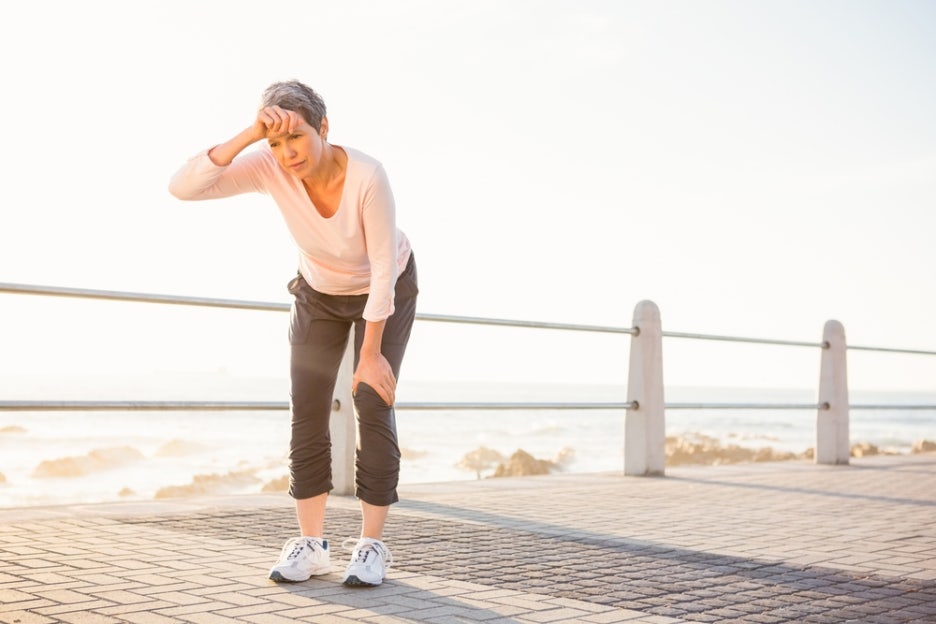
☀️ When Going Outside
When a heat wave alert has been issued, it is important to avoid outdoor activities during the time of day when the sun is high in the sky, if possible.
If you must go out during that time, prepare a hat, parasol, and similar items, and try to move through shaded areas whenever possible.
In summer, UV exposure becomes especially strong, so sunscreen should be applied carefully not only to the face but also to any exposed areas.
Above all, because dehydration can occur during hot weather, keep water or an ion drink containing electrolytes on hand, and if you feel dehydrated or dizzy, immediately rest in the shade and hydrate.

☀️ When Using a Vehicle
One of the precautions during extreme heat is to be careful when using a vehicle.
In actual cases, there have been a series of deaths from leaving a pet or child in a car without turning on the air conditioner and then stepping away, so special caution is needed.
Air trapped inside a vehicle rises to a very high temperature very quickly, which can lead to breathing difficulties, heat exhaustion, heatstroke, and more.
Therefore, even if you are not driving, if there is another person or animal inside the vehicle, make sure to turn on the air conditioner. Even when the air conditioner is running, prolonged exposure to direct sunlight can quickly raise the temperature, so it is best to park the vehicle in a shaded place with good ventilation whenever possible.
Also, even if there is no one inside the vehicle, leaving the window open just a little when parked allows air to circulate, helping keep the car in a more stable condition.

☀️ Indoors
Deaths caused by extreme heat occur every year in Korea as well.
In particular, there are not a few cases of elderly people dying from extreme heat after staying indoors without turning on the air conditioner.
During extreme heat, even the general public may experience symptoms such as fatigue, shortness of breath, dehydration, and exhaustion, so older adults and others with lower physical strength must be especially careful.
Therefore, in households with elderly family members, it is a good idea to learn in advance about nearby medical facilities that can provide emergency treatment.
Also, if the indoor air conditioner temperature differs from the outdoor temperature by more than 5℃, you may be exposed to air-conditioning illness, so it is recommended to keep the indoor temperature around 25℃ and ventilate periodically.









Previous image
Next image