
To stay healthy, it is important to maintain a certain level of blood pressure. If the result of your blood pressure measurement shows that your current reading is outside the normal range, you need to make efforts to manage it back to a normal level.
In particular, it is easy to think that blood pressure only needs attention in winter, but managing blood pressure in summer is also important. This is because the intense heat of summer can expand blood vessels and may lead to an increase in blood pressure. Today, let’s take a look at the normal blood pressure range and briefly go over how to manage blood pressure in summer.
Normal Blood Pressure Range
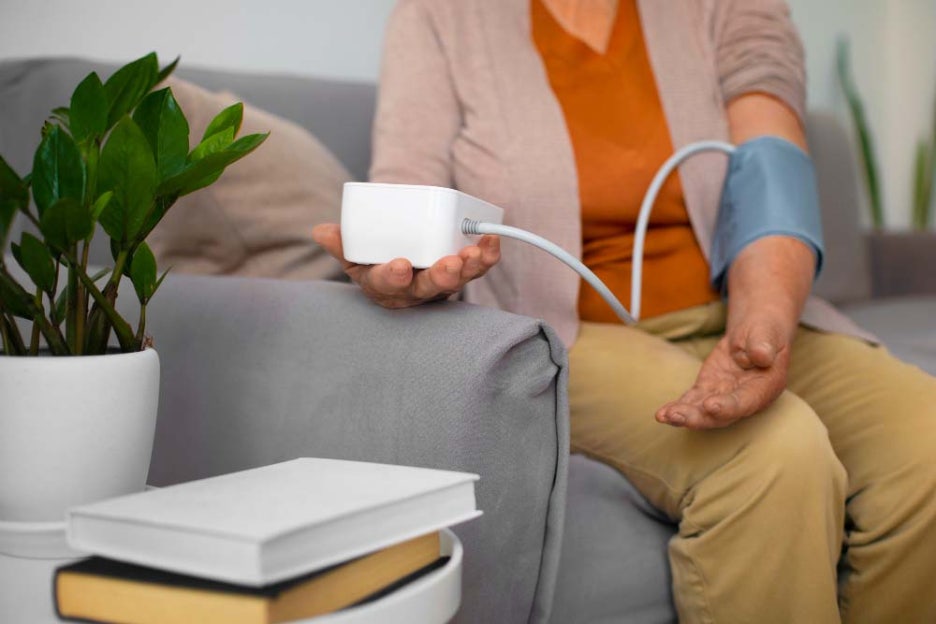
Knowing the normal blood pressure range can help you better understand your health during a checkup.
The hot summer environment these days can be a burden for people with high blood pressure, so if your blood pressure is outside the normal range and in the hypertension stage, efforts to manage it are necessary. For those in the prehypertension stage, lifestyle changes and effort are needed to prevent it from progressing to hypertension.
The following is the general normal blood pressure range.
-
Normal blood pressure: systolic blood pressure below 120 mmHg and diastolic blood pressure below 80 mmHg
-
Prehypertension: systolic blood pressure 120–129 mmHg and diastolic blood pressure below 80 mmHg
-
Stage 1 hypertension: systolic blood pressure 130–139 mmHg and diastolic blood pressure 80–89 mmHg
-
Stage 2 hypertension: systolic blood pressure 140 mmHg or higher, or diastolic blood pressure 90 mmHg or higher
Why Is Blood Pressure Management in Summer Important?

So far, we have looked at the normal blood pressure range. But why is blood pressure management in summer important? As mentioned earlier, in summer, blood vessels can expand due to the heat, which can raise blood pressure. In addition, there are other reasons why blood pressure management is important in summer.
- Temperature rise and blood pressure changes
The hot and humid summer environment can cause blood vessels to expand and raise blood pressure. This can be a burden on the health management of people who already have high blood pressure. Also, when there is a large temperature difference between indoors and outdoors, the body temperature changes frequently as the body adapts, which can affect blood pressure as well.
Intense heat and high humidity can also affect heart health. Not only people with high blood pressure, but also those with heart disease, should pay attention to their health in summer.
How to Manage Blood Pressure in Summer

- Drink enough water
Water is essential for keeping the body functioning properly. In particular, during summer, people sweat a lot because of the heat, so they need more fluid than usual. Drink at least 8 glasses of water a day to prevent dehydration and help ensure smooth circulation. Drinks such as caffeine or coffee can cause dehydration through their diuretic effect, so it is best to avoid drinking them excessively.
- Maintain an appropriate indoor temperature
In summer, because of the hot weather, air conditioning may be kept on for long periods indoors. This can create a large temperature gap between indoors and outdoors. Excessive temperature differences between indoors and outdoors put a burden on the body and can affect blood pressure.
- Eat a balanced diet
For managing blood pressure in summer, a balanced diet is important so that the body can receive enough of the nutrients it needs. A balanced diet helps keep blood pressure stable. Eat plenty of fresh fruits and vegetables rich in vitamins and minerals, and avoid excessive salt intake, which can raise blood pressure.
- Manage stress
Stress is one of the main causes of increased blood pressure. It is also important in summer to manage stress so that excessive stress does not repeat or build up. Manage stress in a way that feels comfortable to you, such as meditation, yoga, or breathing exercises, and get enough sleep to help relieve stress.
Conclusion

So far, we have looked at the normal blood pressure range and how to manage blood pressure in summer.
In summer, blood pressure management becomes even more important because of the hot weather and humidity. To maintain normal blood pressure, you should make an effort to manage your blood pressure in summer by drinking enough water, maintaining an appropriate indoor temperature, eating a balanced diet, and managing stress.








 Previous image
Next image
Previous image
Next image