Last year, it was found that more than half of the new human immunodeficiency virus (HIV) infections were among young people, which has caused shock.
The HIV virus is a virus that causes acquired immunodeficiency syndrome (AIDS). It enters the human body, destroys immune cells, and lowers immune function. After infection, it can take as long as 15 years or more to progress through the latent period and appear as AIDS symptoms, so early response may be delayed.
Today, we will look at the symptoms of the HIV virus, learn about the meaning of being an HIV carrier, which is different from an AIDS patient, and briefly review HIV treatment methods.
HIV Virus Symptoms

The course of HIV infection is classified into several stages. In the early stage, it is easy to overlook because it may seem similar to feeling unwell or having cold-like symptoms. As time passes, various infections, tumors, and nervous system complications may appear.
Stage 1 Symptoms - HIV enters the body
This is the stage in which the virus enters the body and hides inside cells. People at this stage may look healthy, but they are infectious and can spread it to others.
Stage 2 Symptoms - Antibodies appear in the blood
Antibodies appear after 2 to 3 months, and they can be detected through testing. HIV infection can be confirmed through antibodies, and this stage may last 1 to 5 years or longer.
Stage 3 Symptoms - Early HIV symptoms
Symptoms include weight loss, severe fatigue, persistent fever, and mild to severe sweating. If these symptoms appear after an inappropriate sexual encounter, proper testing is needed.
Stage 4 - AIDS
As the HIV virus destroys T immune cells, immunity drops significantly and AIDS symptoms appear. Common examples include pneumonia, cancer, and brain damage.
Meaning of an HIV Carrier
Not everyone with HIV virus symptoms or infection has AIDS. If a person only carries the HIV virus in the body, they are called an "HIV carrier."
The 기준 for an HIV carrier refers to someone who is infected with HIV, but whose CD4+ T lymphocyte count is maintained at 200㎣ or higher and who has no opportunistic infection, while also being capable of transmitting it to others. If no separate treatment is received, it may take an average of about 8 to 10 years for an HIV carrier to progress to AIDS.
HIV Treatment Methods

So far, we have looked at the symptoms of the HIV virus and the meaning of being an HIV carrier. There is still no complete cure for HIV, but it can be managed through a treatment called antiretroviral therapy (ART).
In general, treatment uses a combination of three or more antiviral drugs. By suppressing or killing HIV replication, it can help maintain immunity.
These days, HIV infection can be managed by taking medication every day, and if well managed, even people with HIV infection can be managed at a level comparable to the general public. ART treatment must be taken continuously for life, and regular checkups and blood tests are necessary.
HIV Prevention Methods
- Maintain safe sex
Because the HIV virus can be transmitted through sexual contact, practicing safe sex with condoms can help prevent HIV infection.
- Avoid sharing needles
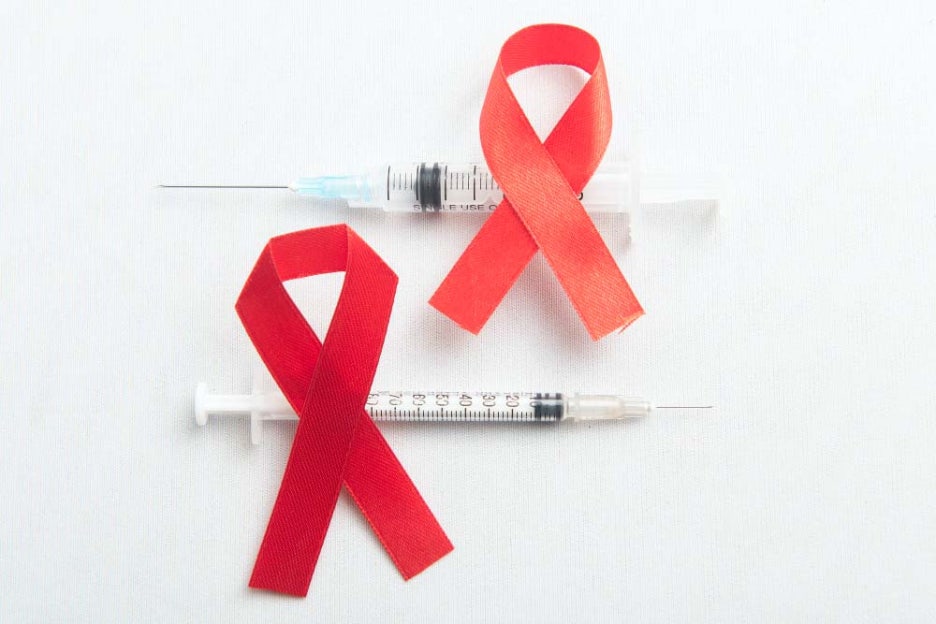
HIV virus symptoms can also enter through contaminated needles. Sharing needles should be avoided.
- Avoid contact with blood and bodily fluids
The HIV virus can also be transmitted through bodily fluids. Therefore, contact with the blood or bodily fluids of an infected person should be avoided. Do not let them come into contact with skin that has wounds, and follow safe methods for handling blood and bodily fluids.
- HIV testing
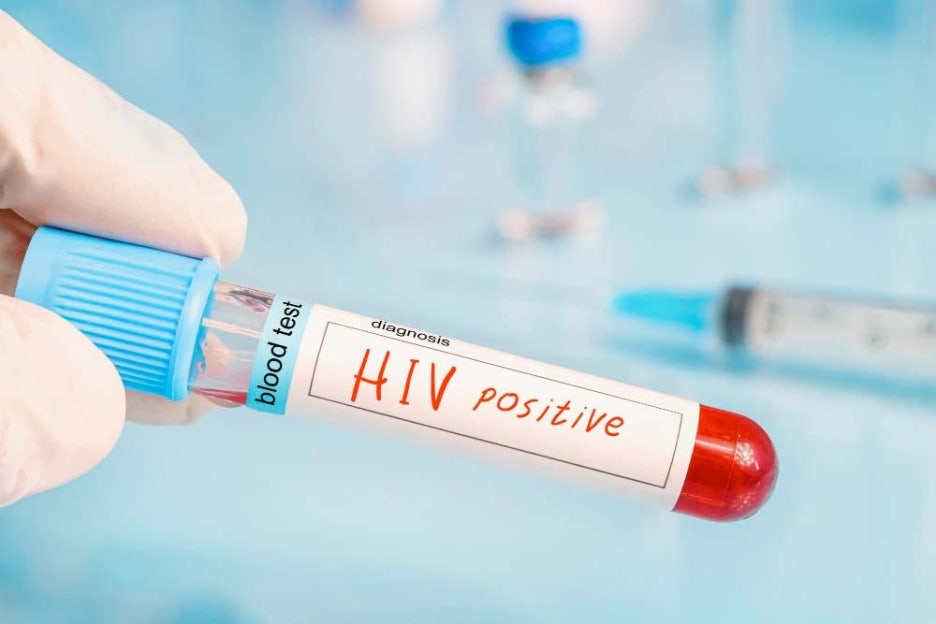
If HIV virus symptoms are suspected, it is a good idea to get tested at a nearby medical institution. Public health centers offer anonymous HIV testing.








 Previous image
Next image
Previous image
Next image