
In fact, the rainy season has ended and the full heatwave has begun, so the hours of air conditioner use are also increasing. If you use cooling devices for a long time, you may develop heat fatigue, so when using air conditioning, it is good to adjust the temperature carefully so that the indoor-outdoor temperature difference is not too large.
However, if you tend to feel the cold more than others, it is a good idea to take another look at your thyroid health. If you feel cold even in the hot summer, you may want to suspect symptoms of hypothyroidism.

The thyroid is a butterfly-shaped endocrine organ located in the center of the front of the neck. It promotes the body's metabolic processes and helps each organ in the body maintain its function. So if there is a problem with the thyroid, problems can occur in the body's metabolism.
Today, we will look at the symptoms of hypothyroidism, as well as the treatment methods for hypothyroidism and foods that are good for hypothyroidism.
Causes of Hypothyroidism

Hypothyroidism refers to a state in which the body does not produce enough to meet physiological needs.
There are three main causes of hypothyroidism. In general, there are three representative causes of hypothyroidism.
-
Autoimmune thyroiditis: This is when there is a problem with the thyroid itself, which produces thyroid hormones. It is one of the most common causes.
-
Thyroid removal through surgery: If the thyroid is removed through surgery, this can lead to hypothyroidism.
-
Complications from radioisotope therapy: Hypothyroidism can occur as a complication during radioisotope treatment.
Symptoms of Hypothyroidism

Because hypothyroidism lowers the body's energy metabolism due to a lack of thyroid hormone, various symptoms related to slowed metabolism can occur. If you have the following symptoms, you may suspect hypothyroidism.
✔ You get tired easily and lack motivation
✔ Your memory declines and you lack motivation
✔ Your body swells often and you gain weight even though you have no appetite
✔ You feel cold easily (unusually, compared with others)
✔ You do not sweat much and your skin is dry
✔ Your voice becomes hoarse and your speech slows down
✔ Constipation occurs frequently
✔ (For women) Menstrual flow has increased
✔ If decreased thyroid function continues for a long period, menstrual flow may decrease or amenorrhea may occur
As you can see, the symptoms of hypothyroidism are very diverse, and many of them overlap with symptoms seen in other conditions.
Also, hypothyroidism progresses slowly over a long period of time, so you may not clearly notice symptoms yourself. Therefore, it is advisable to check your thyroid health status through regular testing.
Treatment Methods for Hypothyroidism

If hypothyroidism is suspected, it can be diagnosed by measuring thyroid hormone levels through a blood test. If I am diagnosed with hypothyroidism, what are the treatment methods for hypothyroidism?
Hypothyroidism can be treated by appropriately supplementing the 부족한 thyroid hormone to maintain normal thyroid hormone levels.
✅ Taking thyroid hormone
The 부족한 thyroid hormone is supplemented with medication. In this case, treatment must continue for life, like blood pressure medication, so you should not stop taking it on your own.
✅ Lifestyle adjustment
For weight control, reduce calorie intake, and to improve constipation symptoms, include more foods rich in fiber in your diet. It is also good to drink enough water, and if iodine intake is insufficient, it is recommended to eat foods high in iodine.
✅ Foods good for hypothyroidism
Eating foods that are good for hypothyroidism can also help. Foods good for hypothyroidism include the following.
Recommended Foods for Hypothyroidism
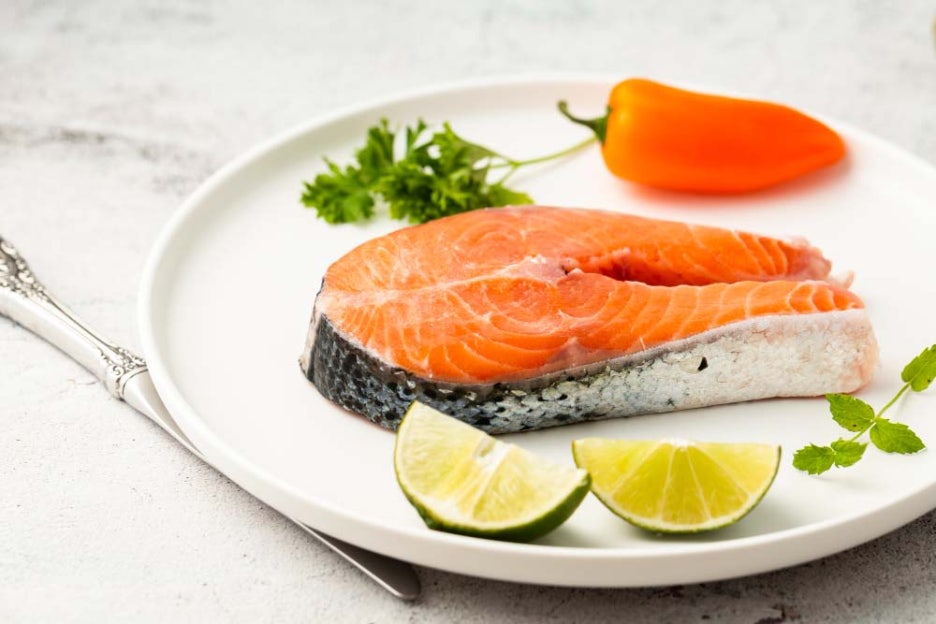
Seafood
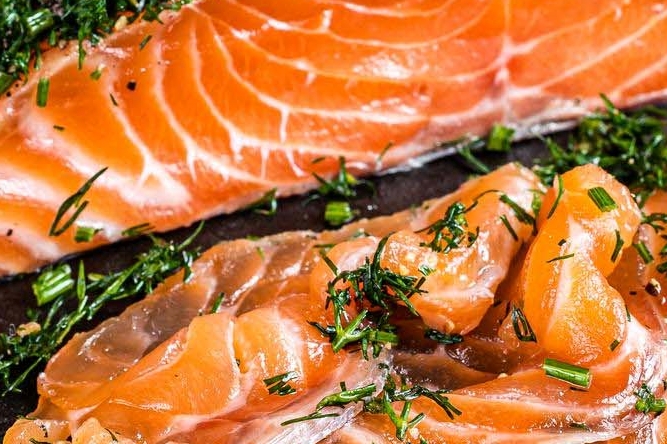
Iodine is needed for thyroid hormone production. Seafood is rich in iodine, making it a good food for people with hypothyroidism. Representative examples include salmon, mackerel, sardines, and tuna.
Nuts and seeds
Almonds, walnuts, sunflower seeds, and chia seeds are rich in nutrients that support thyroid function, making them one of the good foods for hypothyroidism. In particular, zinc plays an important role in thyroid hormone production and activation.
Green leafy vegetables
Folate plays an important role in thyroid hormone production. Green leafy vegetables are rich in vitamin A, C, and K, as well as folate and calcium, so they are good for hypothyroidism. Examples include spinach, kale, lettuce, and broccoli.
Legumes
Lastly, there are legumes. Representative examples include lentils and chickpeas. They are rich not only in plant-based protein but also in minerals such as zinc, selenium, and iodine that help thyroid function, so they are worth recommending as good foods for hypothyroidism.

Previous image
Next image