Have you been sleeping well last night? I’m sure many of you would say no. The reason is the ongoing tropical night phenomenon. Due to the persistent tropical nights, there was even news that a power outage caused by a transformer problem affected many households in an apartment complex in downtown Seoul in the middle of the night, causing inconvenience.
Tropical nights not only affect daily life like this, but can also affect health, so you should be careful about managing your health until the tropical nights end. Today, let’s take a look at the criteria for tropical nights, the period when they occur, and how to deal with tropical-night insomnia.
Tropical Night Criteria
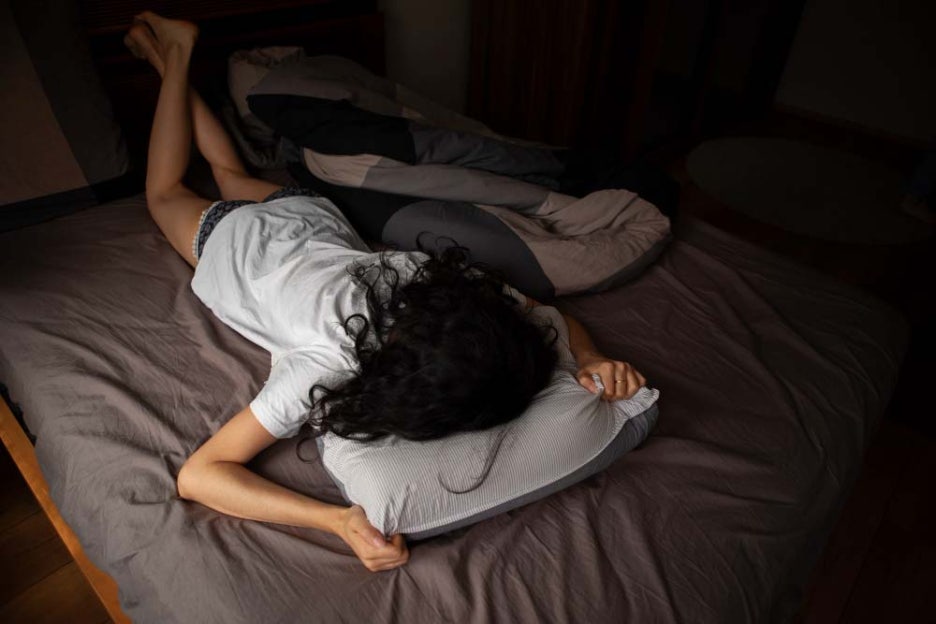
A tropical night refers to a night when the temperature remains high even after the sun sets and it should be cool, making it feel like a night in the tropics.
It occurs during the hottest part of summer. Because heat accumulated during the day is not released at night, the temperature stays high even at night, so it is more common in urban areas with fewer mountains and trees than in rural areas.
So how is the tropical night criterion determined?
The tropical night criterion is judged based on the temperature at which people feel discomfort.
When defined by the Korea Meteorological Administration, it generally refers to when the minimum temperature remains at 25 degrees Celsius or higher from 6:00 p.m. to 9:00 a.m. the next day.
Tropical Night Occurrence Period
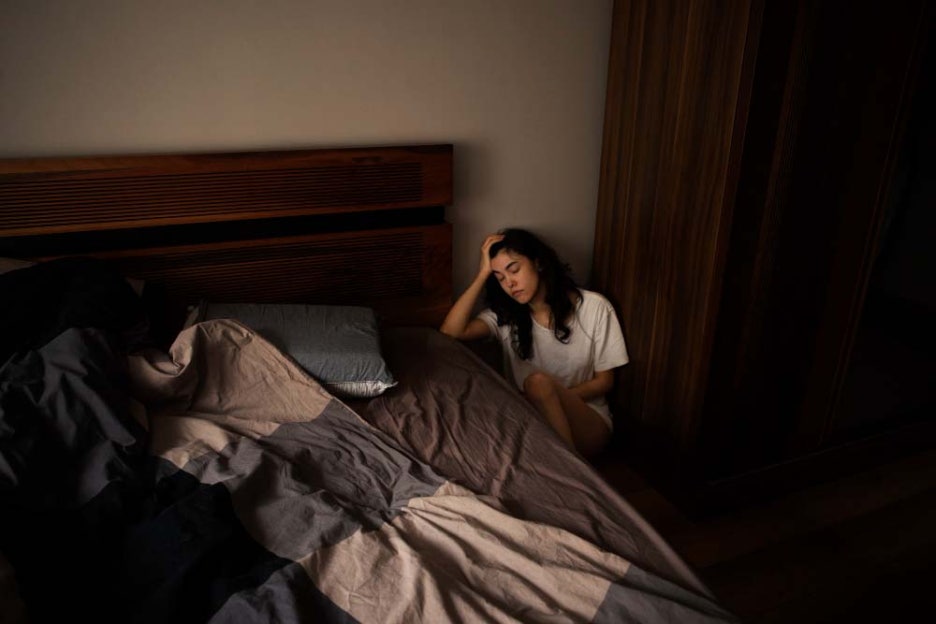
So far, we have looked at the criteria for tropical nights. Then when do tropical nights occur?
Tropical nights occur worldwide, but in Korea they are mostly common in midsummer.
In Korea, tropical nights usually occur from mid-July to mid-August.
During this period, summer heat reaches its peak, daytime temperatures often exceed 30 degrees Celsius, and nighttime temperatures often do not fall below 25 degrees Celsius.
These days, climate change caused by environmental pollution is raising the temperature of the entire planet, so the onset of tropical nights is getting earlier and their duration is getting longer. Elderly people and those with weak health should pay special attention to their health during tropical nights.
How to Deal with Tropical-Night Insomnia
If tropical nights continue, it becomes difficult to get deep sleep, and fatigue from lack of sleep can build up. As a result, summer can also bring health deterioration due to insomnia. If you are having trouble sleeping properly because of persistent tropical nights, we hope the following methods for dealing with tropical-night insomnia will help you sleep more comfortably.
- Light exercise
Exercising vigorously in high temperatures can be dangerous. This is because the risk of dehydration and muscle cramps increases. It is better to do low-intensity exercise that moves the joints during early morning or late evening hours, when the temperature drops significantly.
- Take a shower with lukewarm water
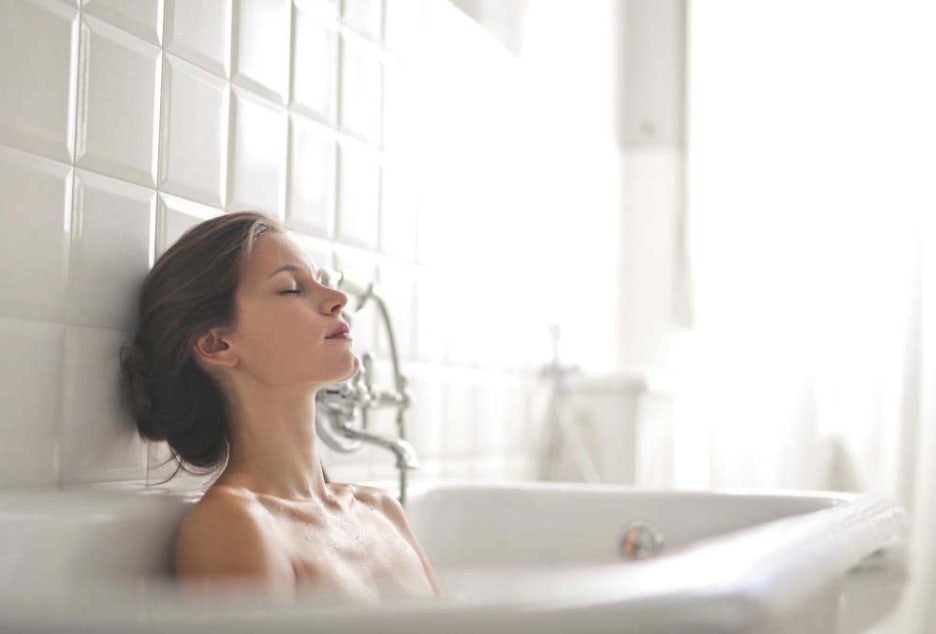
One way to deal with tropical-night insomnia is to take a shower. At this time, rather than using very cold water, lukewarm water is better. Cold water may help refresh you, but it is not ideal for deep sleep. This is because cold water rapidly constricts blood vessels and muscles, generating more heat. Lukewarm water helps relax the muscles, allowing body temperature to drop gradually and creating a better condition for sleep.

- Wear breathable sleepwear
In hot weather, clothing that allows good airflow is better. The same applies to sleepwear. Not wearing anything can interfere with temperature regulation, so wearing breathable sleepwear helps with deep sleep.
- Drink enough water
If tropical nights continue, heat may not leave the body easily, increasing the risk of exposure to heat-related illness. Even if you do not feel thirsty, it is good to keep drinking water.
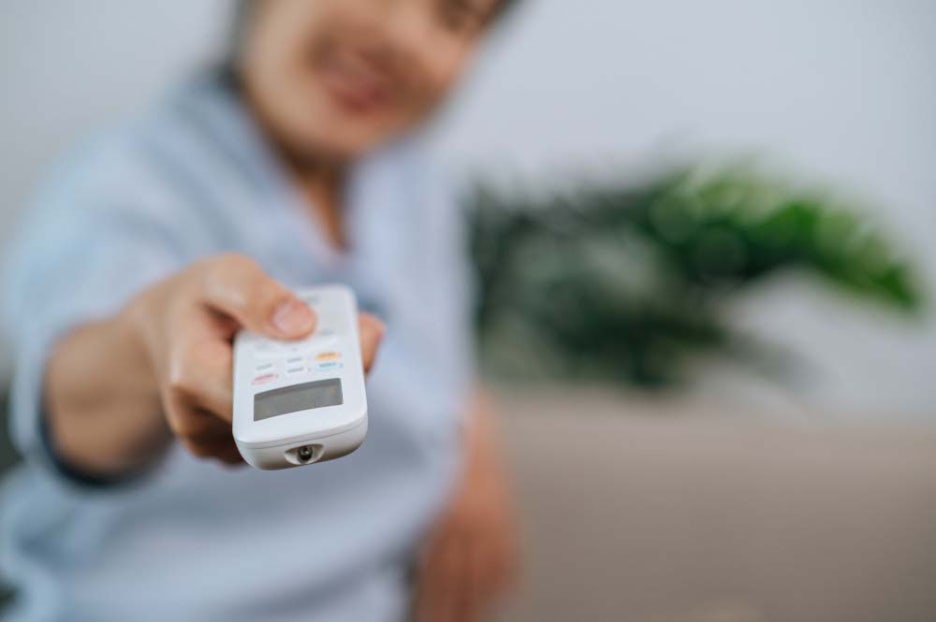
- Use cooling devices appropriately
When tropical nights continue, many households use air conditioners at home. In this case, it is good to use cooling devices appropriately. From one hour before going to sleep, set the bedroom temperature to the proper indoor range of 24 to 26 degrees Celsius, and do not let the air conditioner blow directly on you from too close.
- Drink a glass of milk
Among the ways to deal with tropical-night insomnia, drinking milk, which contains various nutrients such as calcium, protein, and vitamins, may help with deep sleep. If you can drink milk, a glass before bed may help with tropical-night insomnia.




Previous image
Next image