Everyone knows that blood pressure is important in health management.
People usually think only high blood pressure is dangerous to health, but in fact, blood pressure that is too low is also not good for your health.
For our bodies to function properly and stay healthy, a certain blood pressure must be maintained. Blood pressure refers to the pressure that blood flowing through the blood vessels exerts on the vessel walls.
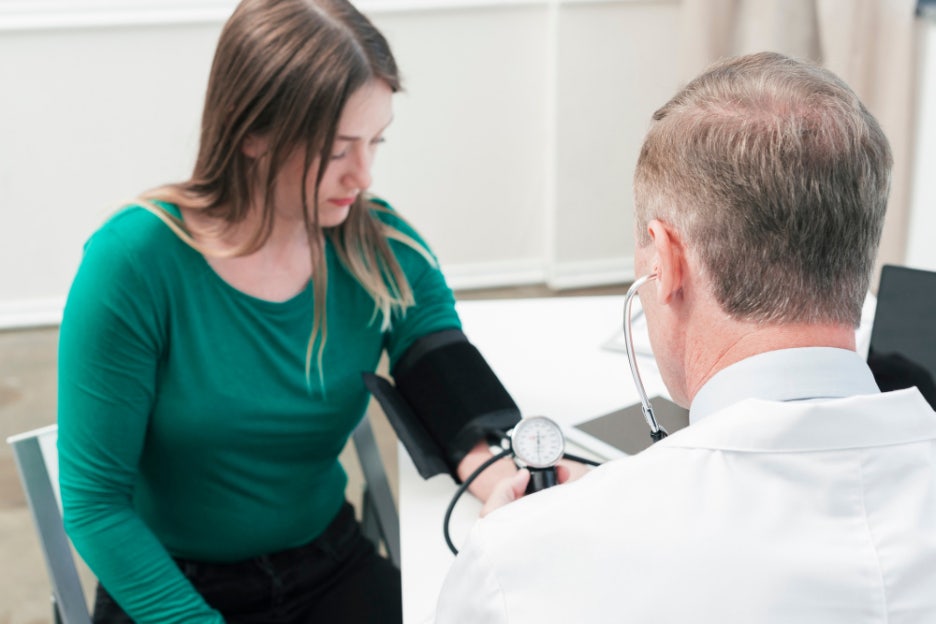
If this pressure is too high, it can cause serious damage to the blood vessels, heart, brain, and more. If it is too low, blood may not flow smoothly to each organ, which can lead to reduced function. Today, we will take a brief look at the normal blood pressure range, normal blood pressure values, reasons for low blood pressure, and the criteria for hypotension.
Normal Blood Pressure Range
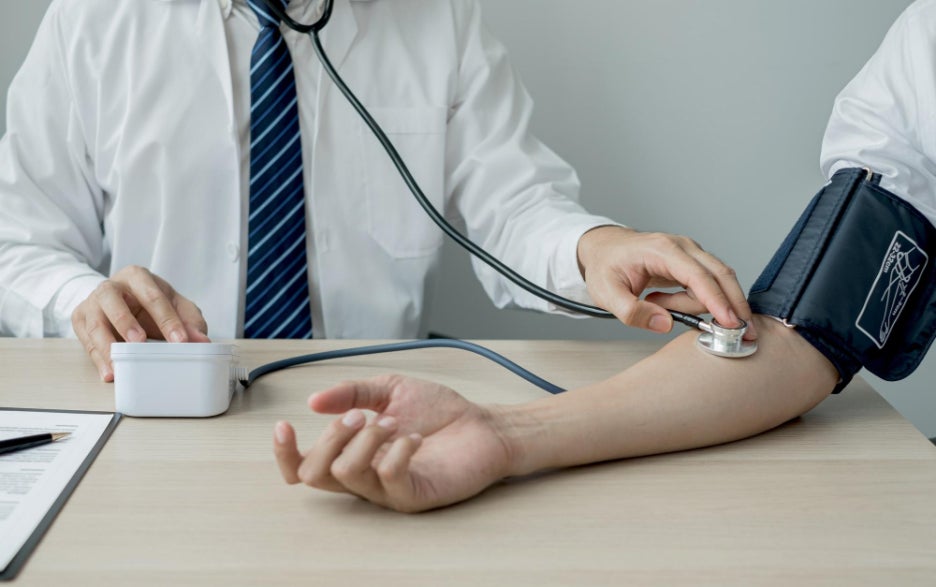
In the past, hypertension was seen as something that mostly affected older adults because it was more common with age.
But these days, it can also develop early at a young age.
Because high blood pressure places serious strain on and damages blood vessels, it can have a devastating effect on health, so it must be managed within the normal blood pressure range. So, what are normal blood pressure values?
Normal Blood Pressure Values
-
Normal blood pressure: systolic pressure under 120 mmHg / diastolic pressure under 80 mmHg
-
Prehypertension: systolic pressure 120–139 mmHg / diastolic pressure 80–89 mmHg
-
Stage 1 hypertension: systolic pressure 140–159 mmHg / diastolic pressure 90–99 mmHg
-
Stage 2 hypertension: systolic pressure 160 mmHg or higher / diastolic pressure 100 mmHg or higher
Blood pressure can vary depending on factors such as age, sex, and height.
Although there may be some differences in the normal blood pressure range depending on age, it is advisable to keep it within normal blood pressure values.
Reasons for Low Blood Pressure
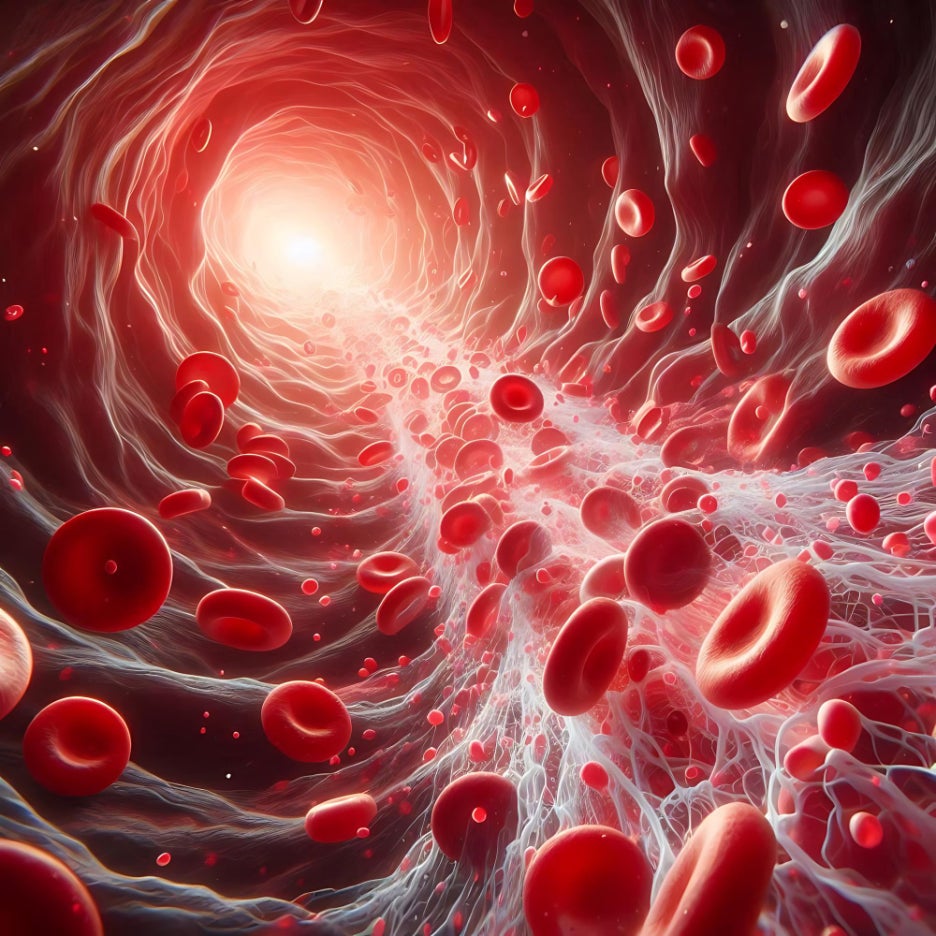
Conversely, blood pressure that is lower than the normal blood pressure values is called 'hypotension.'
Some people naturally tend to have lower blood pressure than others, but there are also people who have low blood pressure for the following reasons. In such cases, insufficient blood flow can prevent oxygen from being delivered smoothly to major organs, which may negatively affect health.
🔍 Genetic reasons
One reason for low blood pressure may be family history. If a parent or sibling has hypotension, your blood pressure may also be low.
🔍 Body type and lifestyle
People with a slender body type or those who exercise a lot may have relatively low blood pressure. Poor nutritional status can also be a reason for low blood pressure.
🔍 Endocrine problems
Problems with thyroid function can also appear as a reason for low blood pressure. Endocrine disorders such as hypothyroidism, adrenal insufficiency, and diabetes can cause hypotension.
🔍 Side effects of medication
Medications that lower blood pressure, diuretics, antidepressants, and heart medications can cause hypotension. In particular, these medication side effects may appear more noticeably in older adults or people with weaker physical strength.
Criteria for Hypotension

So, what condition is considered hypotension?
Hypotension is generally diagnosed when systolic blood pressure is below 90 mmHg or diastolic blood pressure is below 60 mmHg.
Hypotension itself may not be obvious, but because it can cause dizziness, headaches, reduced kidney function, digestive problems, chronic fatigue, and in severe cases fainting, it is advisable to manage it appropriately.
Conclusion
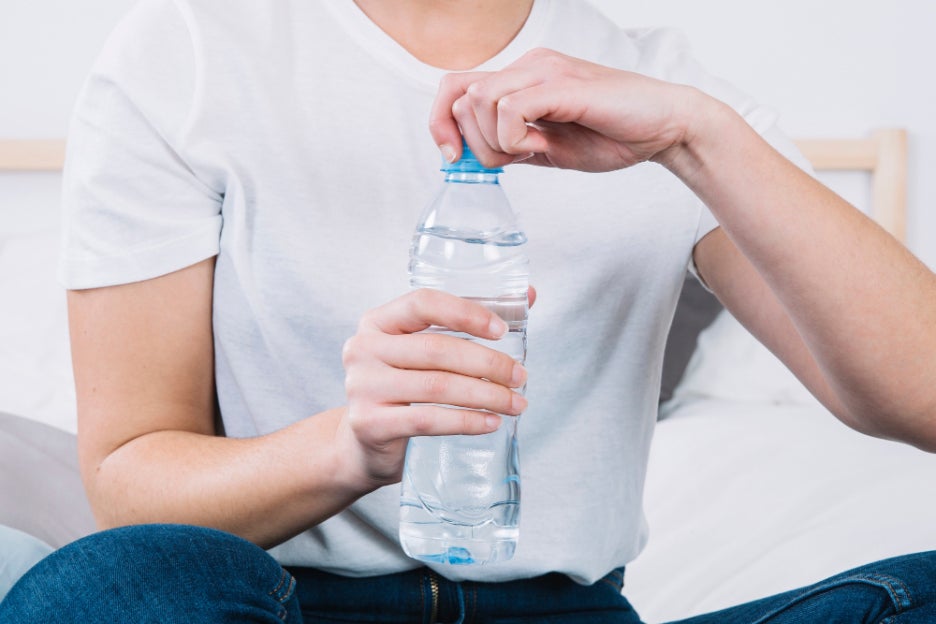
Those who meet the criteria for hypotension can try to raise their blood pressure.
To raise blood pressure, it is important to drink enough water.
To avoid dehydration, it is good to drink enough water, at least 2 liters a day. Adequate fluid intake can increase blood volume and help manage hypotension within the normal blood pressure range. In addition, you can make efforts such as the following.
- Small amounts of sodium intake
Increasing salt intake may help raise blood pressure. In managing high blood pressure, sodium intake can be harmful, but in a hypotensive state, a small amount of sodium intake may help raise blood pressure and keep it within the normal range.
- Eat small meals frequently
For people with hypotension, it is better to eat small amounts of food more often rather than having large meals at once. This can help prevent blood pressure from dropping sharply.
- Regular exercise
Exercise can help manage blood pressure by promoting blood circulation and getting the heart and blood vessels moving. In particular, aerobic exercises that require a lot of oxygen, such as walking, swimming, and cycling, are good.







 Previous image
Next image
Previous image
Next image