
The liver is known as the “silent organ.” That means that when something happens to the liver, it is often detected late. Unlike other organs, where abnormalities may show early symptoms and allow early action, that is not easy with the liver.
In particular, modern people are easily exposed to lifestyles that can overwork the liver, so the risk of developing fatty liver may be high. Today, let’s take a look at fatty liver, fatty liver liver enzyme levels and symptoms, and briefly review foods good for fatty liver.
What Is Fatty Liver
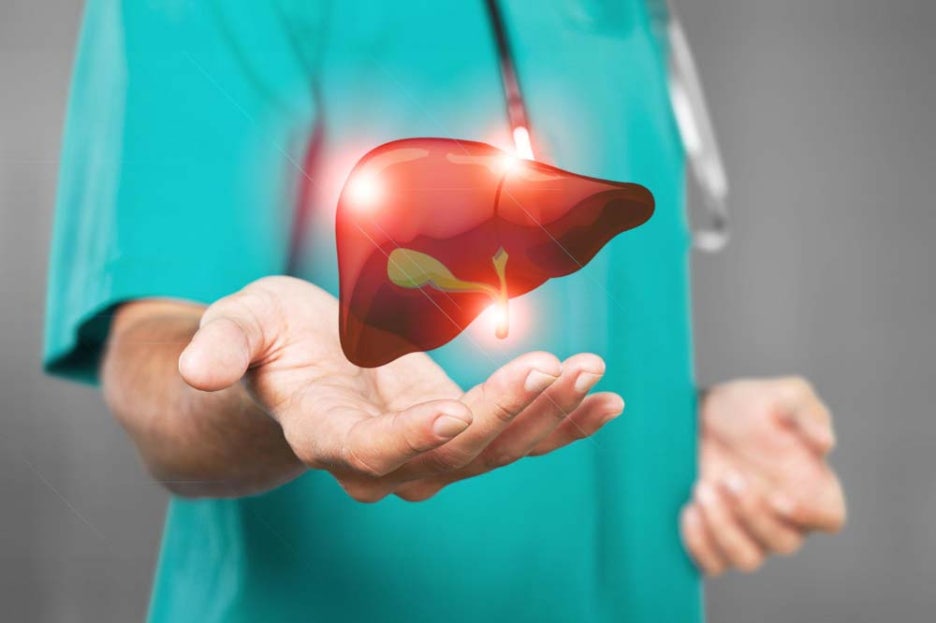
Fatty liver refers to a state in which excess fat has accumulated in liver cells. In general, when the fat content of the liver exceeds 5%, it is diagnosed as fatty liver. If you have fatty liver, it may show up through liver enzyme levels, so regular checkups can help identify the condition early and manage liver health.
Harmful substances are secreted from the fat accumulated in the liver, and in 2 to 4 out of 10 people, it can progress to hepatitis, liver cancer, and other conditions. Therefore, for those diagnosed with fatty liver, it is advisable to manage liver health through proper care.
🔍 What causes fatty liver?
The main causes of fatty liver are drinking and obesity. In addition, it can also appear along with conditions such as severe nutritional deficiency, hyperlipidemia, and diabetes, and steroid medications or female hormones can also cause fatty liver.
Fatty Liver Liver Enzyme Levels
If more than 5% of the liver is fat, it is diagnosed as fatty liver. Also, if between 5% and less than 1/3 of liver cells are made up of fat, it is diagnosed as mild fatty liver; if 1/3 to 2/3, moderate fatty liver; and if more than 2/3, severe fatty liver. In the past, it was often seen in people who drank heavily, but these days even people who hardly drink can develop it in the form of “non-alcoholic fatty liver,” so care is needed for overall health management.
📝 Fatty Liver Liver Enzyme Information
If you have fatty liver, ALT (alanine aminotransferase) and AST (aspartate aminotransferase) levels may increase on liver tests.
📝 Normal Range for Fatty Liver
-
ALT: Men 10–40 U/L, Women 7–35 U/L
-
AST: Men 10–34 U/L, Women 9–30 U/L
📝 Fatty Liver Liver Enzyme Levels
- AST: Adults 35–40 U/L or higher, Children (boys) 26 U/L, (girls) 22 U/L or higher
Fatty Liver Symptoms
So far, we have looked at fatty liver liver enzyme levels.
Because fatty liver can be revealed through liver enzyme levels, it is a good idea to check them through regular screenings. It is usually hard to notice liver symptoms early, but if the following symptoms persist for a long time, it is advisable to check liver enzyme levels through a blood test.
✔ Frequent fatigue
✔ Discomfort or pain in the upper right abdomen
✔ Weight loss
✔ Loss of appetite
Foods Good for Fatty Liver

We have also looked at fatty liver symptoms so far. Since fatty liver is heavily influenced by lifestyle and what you eat, it may help to often eat foods good for fatty liver that can support liver health. Below is a summary of foods good for fatty liver. If you are concerned about liver health, it is a good idea to eat the following foods often.
-
Olive oil
It is rich in unsaturated fatty acids and helps lower blood cholesterol, which can help manage fatty liver.
-
Nuts
Nuts such as walnuts and almonds are rich in omega-3 unsaturated fatty acids and are good for liver health.
-
Fish
Fatty fish such as mackerel and salmon contain a lot of omega-3, which is good not only for liver health but also for overall health.
-
Chives
The beta-carotene abundant in chives is said to help with liver detoxification and the removal of free radicals, helping protect the liver. In addition, B vitamins are said to help relieve fatigue and are also good for anti-inflammatory and antioxidant effects.
-
Garlic
Garlic is also one of the foods that help with fatty liver and liver health. Ingredients such as allicin and selenium in garlic help strengthen the liver, and in particular, selenium removes free radicals, helping not only with detoxification but also with boosting immunity, which is good for health.
How should fatty liver be managed?

So far, we have looked at fatty liver liver enzyme levels, fatty liver symptoms, and foods good for fatty liver.
If left untreated, fatty liver can increase the risk of hepatitis, liver fibrosis, cirrhosis, liver cancer, and more. So if you have been diagnosed with fatty liver or your liver enzyme levels have risen, it is a good idea to manage your health for the sake of your liver.
No drinking
In the case of alcoholic fatty liver, abstaining from alcohol is the most effective approach. Stopping alcohol early helps liver function recover, so it is important to quit as soon as possible.
Weight loss
Among cases of non-alcoholic fatty liver, if obesity is present, weight loss is necessary. Rather than losing weight through extreme dieting, it is more effective for maintaining overall physical health to proceed without strain by slowly reducing body weight by about 10% over 3 to 6 months.
Exercise therapy
Exercise is good for managing fatty liver. It is best to start with low-intensity exercise and gradually increase the intensity and duration. Aerobic exercises that burn fat, such as jogging and swimming, should be done enough to last at least 30 minutes per session, at least 3 times a week.






 Previous image
Next image
Previous image
Next image