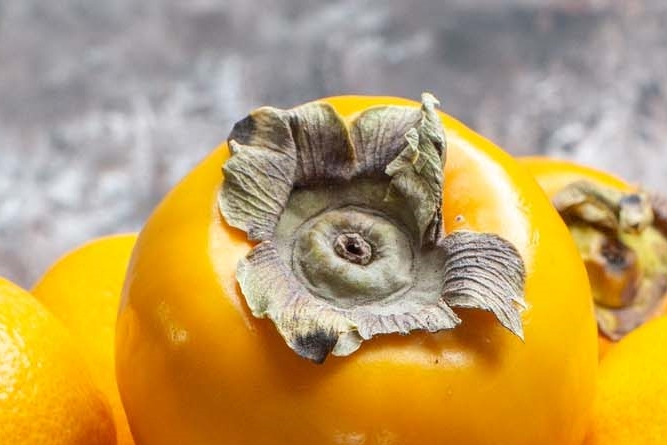
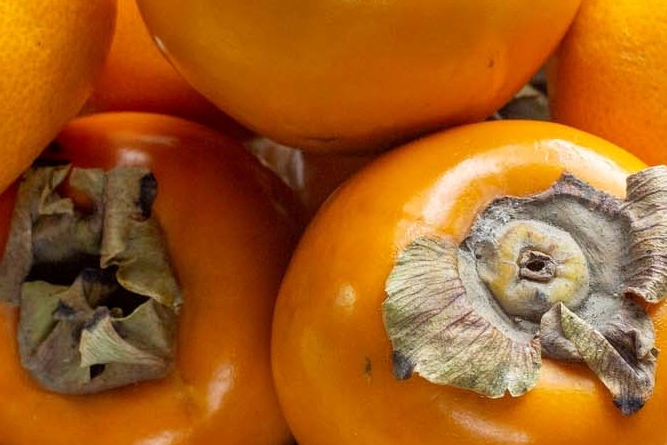
When it comes to autumn, persimmons are one of the representative fruits. The coming October is also the peak season for sweet persimmons. There are more than 400 species distributed around the world, and it is said to be one of the crops most widely cultivated in Korea, following apples and tangerines.
They are delicious eaten as sweet persimmons, but they can also be processed into soft persimmons and dried persimmons, so many people enjoy persimmons as a seasonal delicacy in autumn. Sweet persimmons with a crisp texture and sweet taste, soft persimmons that are easy for older adults to eat because of their soft texture, and chewy yet sweet dried persimmons will soon be available.
These delicious persimmons also have many health benefits, so it is good to enjoy them as a seasonal fruit. Today, let’s look at the benefits of persimmons and soft persimmons, and also the constipation related to persimmons that you should be careful about when eating them.
Benefits of Persimmons
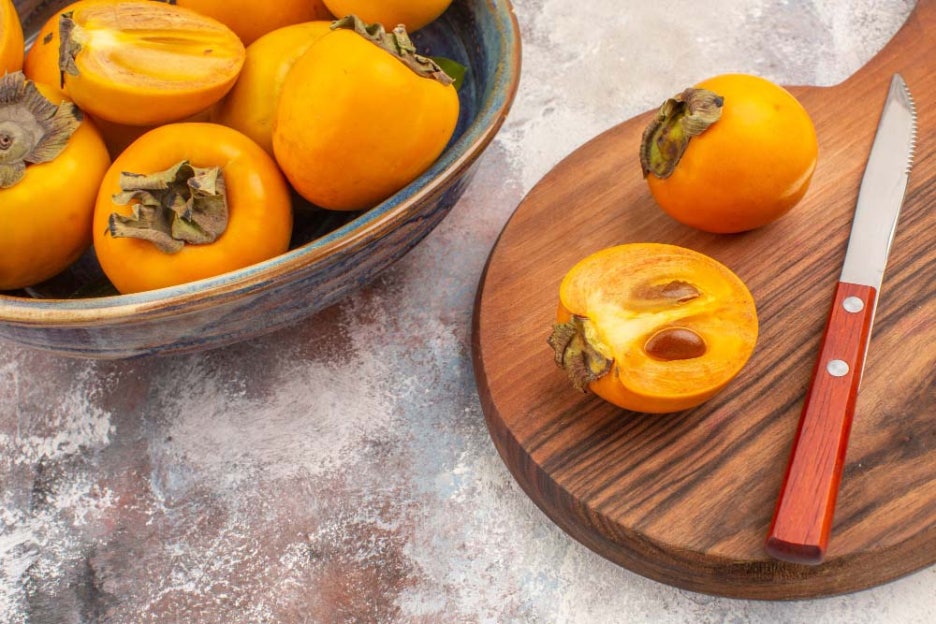
- Relieving hangovers
Some people may not know that persimmons have hangover-relief benefits. Persimmons are rich in vitamin A, vitamin C, and beta-carotene, which are said to help the detoxification process that breaks down alcohol. They may be effective in helping prevent liver damage caused by alcoholic hepatitis and illnesses such as colds.
- Gut health, constipation prevention
Persimmons may also help gut health. This is because they are rich in dietary fiber, which can help intestinal peristalsis. They also contain tannins, so they may be helpful for people with diarrhea or stomach ulcers. However, eating too much may cause constipation from persimmons, so it is best to be careful.
- Anti-aging
Did you know that persimmons also have an anti-aging effect? This is due to the flavonoids in persimmons. These help protect cells and remove free radicals in the body, which is said to help prevent aging. If you are concerned about skin health, eating persimmons in moderation may be helpful.

- Diet support
Persimmons are also said to help with dieting. At 44 kcal per 100 g, which is lower in calories than soft persimmons, they can help with dietary control when eaten as a snack. Eating them in moderation rather than excessively may help with dieting.
- Eye health
Persimmons are also said to help eye health. They are rich in vitamin A, which is good for the eyes, so they may help students or office workers who spend a long time looking at computers take care of their health.
Benefits of Soft Persimmons
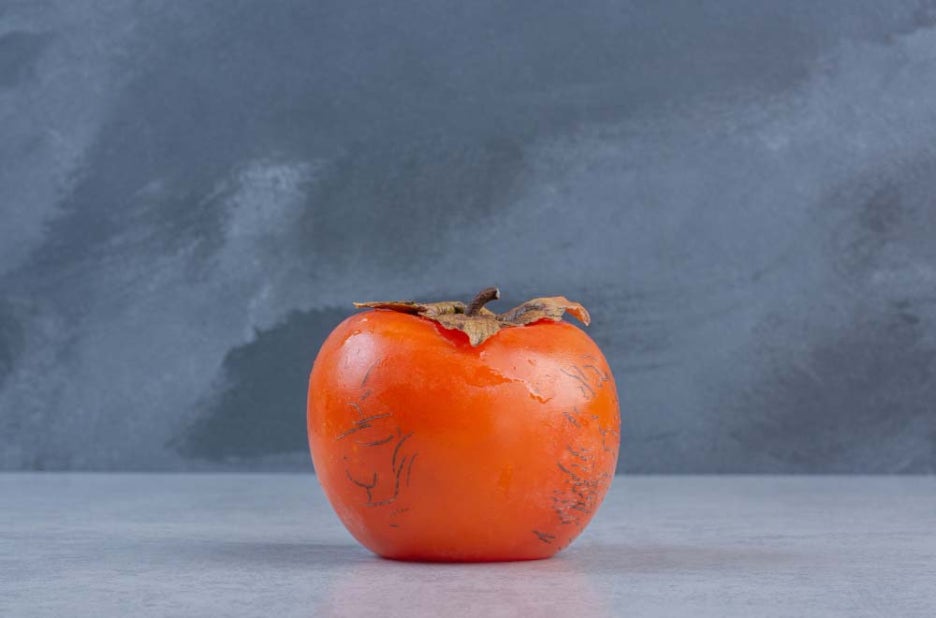
Soft persimmons are made by ripening sweet persimmons. Ripened at room temperature, these soft persimmons have a tender skin and soft flesh, so they are easy for older adults to eat. Soft persimmons that are properly ripened have tender flesh, a sweet taste, and can also be used in other dishes, making them even more enjoyable in a different way. The benefits of soft persimmons include the following.
- Strengthening capillaries
The tannins in soft persimmons are said to help strengthen capillaries, which is beneficial for vascular health.
- Relieving hangovers
Soft persimmons also have hangover-relief benefits. The fructose and vitamin C in soft persimmons can help oxidize or break down alcohol, which may help relieve hangovers.
- Strengthening immunity
Soft persimmons also help strengthen immunity. Persimmons are said to contain about 10 times more vitamin C than apples. In addition, they are rich in vitamins such as vitamin A, B1, and B2, so they may also help prevent colds that are common during seasonal transitions.
- Antioxidant benefits
Since soft persimmons are made by ripening sweet persimmons, they can also be expected to have antioxidant effects like persimmons. They are said to suppress free radicals and help prevent aging and support skin health.
Be Careful of Constipation as a Side Effect of Persimmons
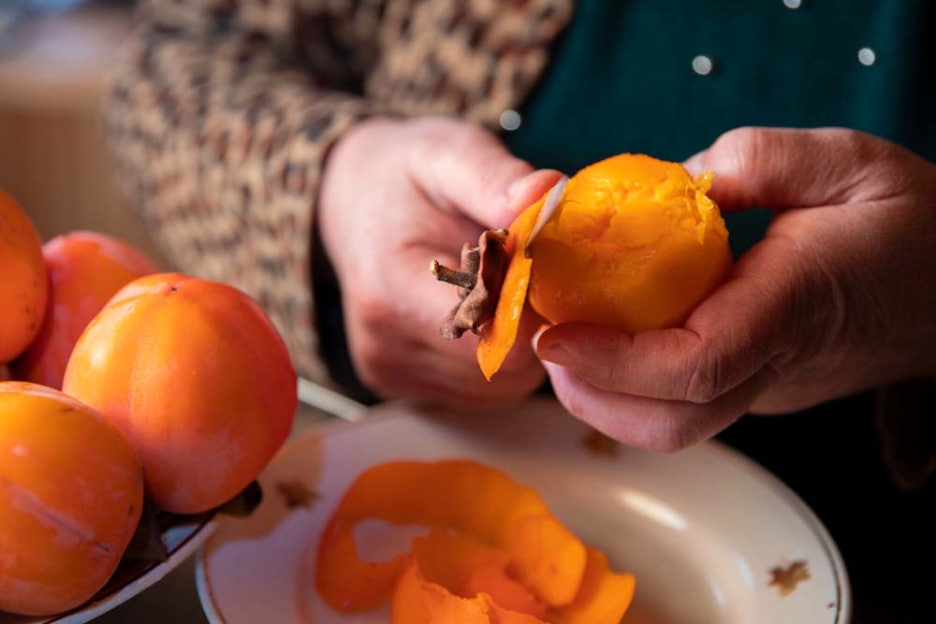
So far, we have looked at the benefits of persimmons and soft persimmons.
Persimmons and soft persimmons have these health benefits, but if consumed excessively, they can cause constipation, so you should be careful not to eat too much. The 'tannin' in persimmons can bind with various substances and draw water in the large intestine, which can cause constipation.
In addition, people who are usually low in iron or have anemia should also be careful not to consume too many persimmons.
Tannins in persimmons interfere with iron absorption in the stomach, so if you have iron deficiency anemia, it is best to avoid persimmons.
So far, we have looked at the benefits of persimmons and soft persimmons, as well as side effects such as constipation from persimmons.



 Previous image
Next image
Previous image
Next image