
There is a food so rich in nutrients that it is even called “milk of the sea.” It is none other than oysters.
Right now is oyster season, so interest in oysters is increasing.
When the cold wind starts to blow, oysters begin appearing in markets in earnest. The colder the weather gets, the more it becomes oyster season, so it is a good idea to enjoy oysters as a seasonal food for health. However, when eating oysters raw, you should be careful to avoid exposure to oyster norovirus. Today, let’s briefly look at oyster season, the health benefits of oysters, and how to prevent oyster norovirus.
Oyster Season
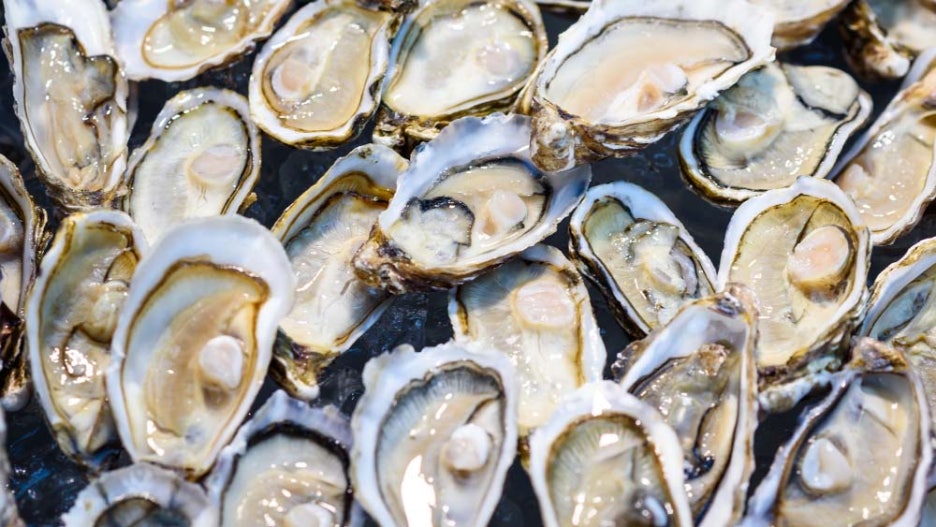
The Ministry of Oceans and Fisheries says oyster season runs from November to April.
In Korea, oysters usually begin to be shipped in earnest starting in November.
Oysters eaten in season are said to be good for the body because they are both tasty and nutritious. In particular, they are high in zinc, so they are also regarded as a stamina food.
Especially in December, oysters are large and meaty, so you can enjoy the best flavor of oysters. If you like oysters, it may be helpful to keep oyster season in mind.
Oyster Benefits
- Stamina boost
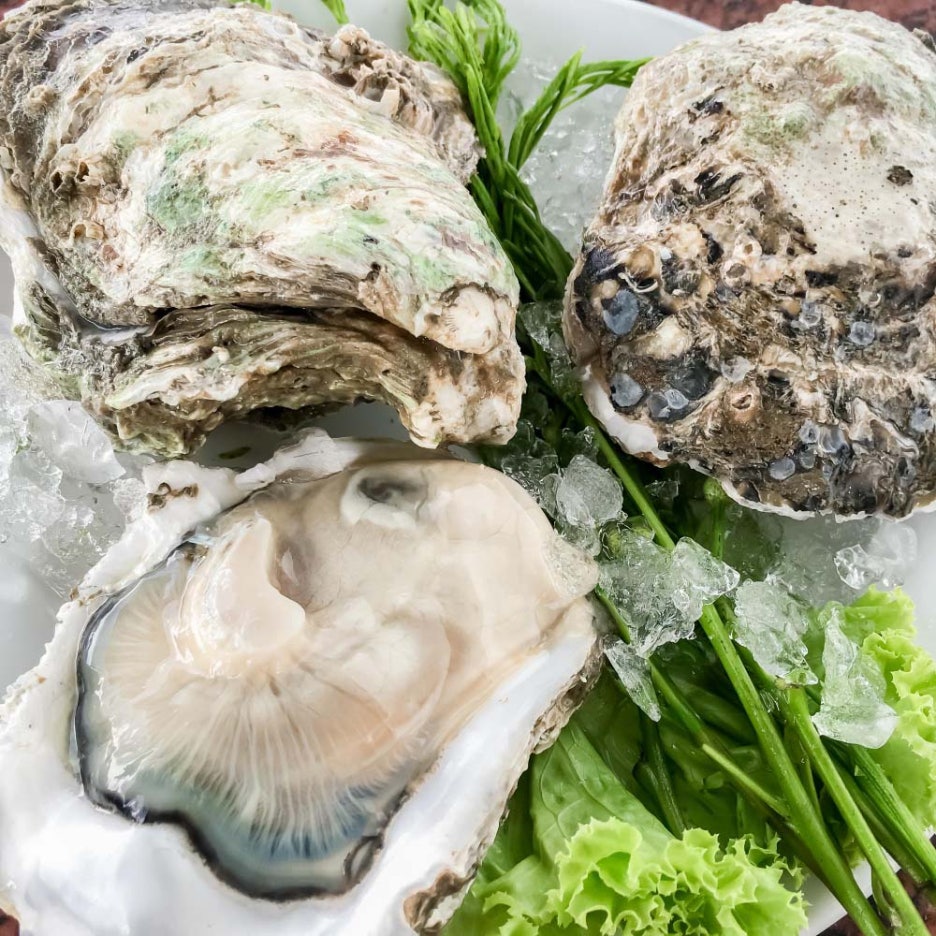
Among their many components, oysters are rich in zinc. Zinc plays an important role in producing the male hormone testosterone, so it is said to be good for increasing stamina.
- Skin care
Oysters are also said to be effective for skin care. Raw oysters contain various vitamins and minerals, which may help collagen production and inhibit the formation of melanin cells, helping keep the skin clear.
- Bone strengthening
As mentioned earlier, oysters are nicknamed “milk of the sea.” They contain nutrient levels comparable to milk. In particular, they are rich in calcium, which helps strengthen bones, and also contain minerals such as protein, zinc, magnesium, and iron, so they are said to help not only bone health but also prevent anemia.

- Immune support
During seasonal changes and in winter, the immune system can weaken easily. Oyster benefits are said to be effective for boosting immunity during such times. Because they are rich in nutrients such as zinc, iron, calcium, and iodine, they are considered a good food for immune support. In particular, the zinc in oysters is said to help protect respiratory epithelial cells and protect the immune system from chronic disease.
- Brain health
Oysters are also said to help with brain health. This is because oysters are rich in taurine, DHA, and zinc, which help activate the brain. DHA, which is effective for improving memory and brain development, is said to help improve brain functions such as cognitive ability and memory, and may also help prevent dementia.
Be Careful About Oyster Norovirus

So far, we have looked at oyster season and the benefits of oysters.
Oysters have many health benefits, but there is something to watch out for.
That is, the risk of norovirus infection.
Oysters are one of the main carriers of norovirus in winter.
Therefore, when eating raw oysters, you should choose fresh ones and, if possible, eat them after cooking them with heat.
How to Prevent Oyster Norovirus
- Disinfect cooking tools such as cutting boards and knives before use.
- Be sure to cook shellfish such as oysters and clams thoroughly before eating.
- Wash your hands before and after cooking, and before eating.
- Use separate cutting boards for foods such as vegetables and fish.
- Thoroughly wash clothes, towels, blankets, and similar items used by people infected with norovirus.
Conclusion
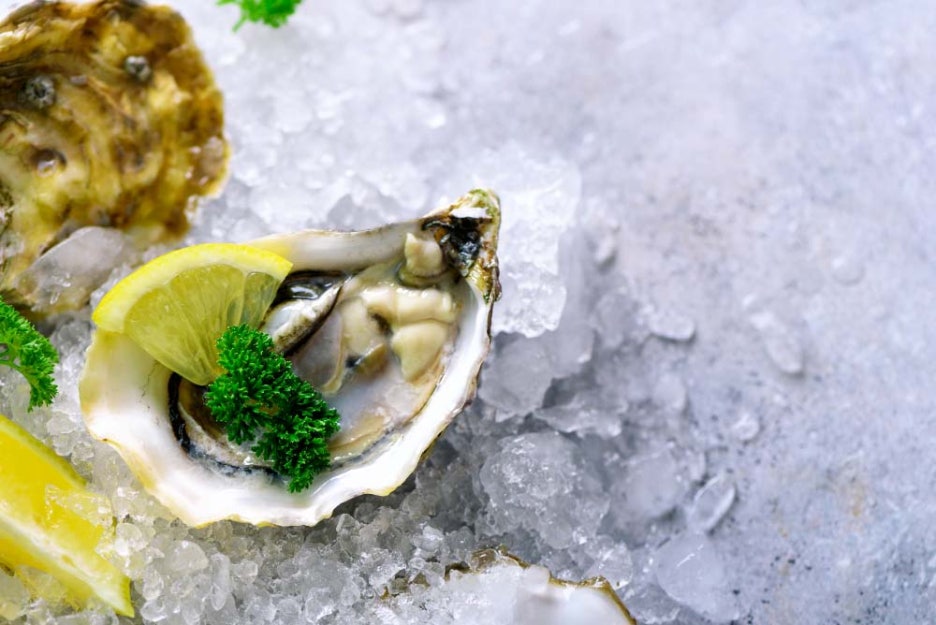
So far, we have looked at oyster season, the benefits of oysters, and how to prevent oyster norovirus.
Eating too many raw oysters can cause symptoms such as diarrhea, abdominal pain, and vomiting. Therefore, you should be careful not to eat them excessively.
Oysters can be toxic during the spawning season in spring and summer, so it is better to eat fresh oysters in autumn and winter if possible.








 Previous image
Next image
Previous image
Next image