Hello, this is Merry Plastic Surgery Clinic, glad to meet you.
On Lunar New Year’s Day, eating a variety of foods with many people is part of the joy.
And then...
Sometimes people unexpectedly overeat and end up visiting the emergency room with indigestion and abdominal pain,
and for people with diabetes, blood sugar can rise too high, leading to a hyperglycemic crisis and an ER visit.
Holiday foods are made up of oily jeon, carbohydrate-heavy rice cakes, and high-calorie meat dishes,
so you end up eating and eating...
It’s not easy to stop at a moderate amount.
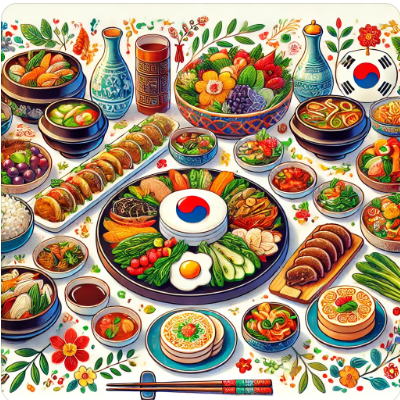
Lunar New Year is already next week, and I came across a paper I’d like to introduce.
It says that during the holiday period, an average weight gain of 2 to 3 kg occurs,
and that a large portion of this is caused by consuming oily foods.
However, using proper meal strategies can help prevent weight gain.
Seoul National University Graduate School of Public Health study
Holiday food calories: let’s know them before we eat
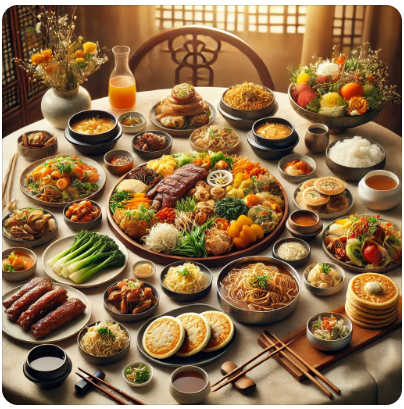
Let’s look at the calories per serving of Lunar New Year foods.
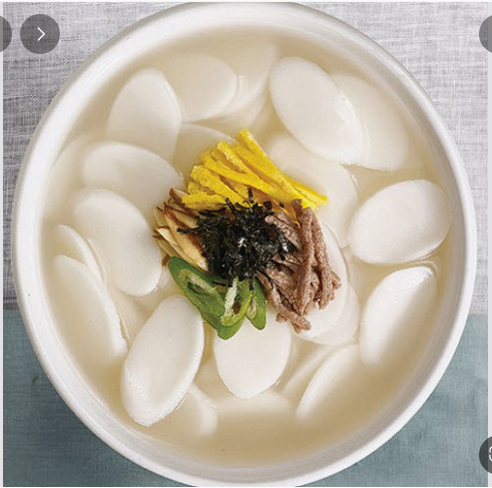
Tteokguk (one bowl): about 400–500 kcal
Tteokguk, made with rice cakes, meat, and broth, varies in calories depending on the amount of rice cake and the saltiness of the broth.
Dongtaejeon (1 slice, about 50 g): about 120–150 kcal
Donggrangttaeng (1 piece, about 50 g): about 150–180 kcal
Hobakjeon (1 slice, about 50 g): about 80–100 kcal
Japchae (1 plate, about 200 g): about 300–350 kcal
The calories aren’t light at all because of the glass noodles and oil-based seasoning.
Galbijjim (1 serving, about 200 g): about 400–500 kcal
It is high in protein and fat because of the meat and seasoning.
Desserts are incredibly high in calories too.
Sikhye (1 cup, about 200 ml): about 120–150 kcal
Hangwa (1 piece): about 50–80 kcal
Songpyeon: about 90–120 kcal
Baekseolgi: about 100–150 kcal
Yaksik: about 200–250 kcal
Then you also eat fruit,
and probably have a drink as well?
How can you avoid gaining weight even after eating holiday foods?
The order of eating matters.
If you eat foods mainly made of protein and vegetables first, you can avoid a blood sugar spike,
and if you eat high-calorie foods once you’re already starting to feel full, you can reduce how much you consume.
Eat vegetables and lean protein first, carbohydrates later
If you start your meal with fresh seasoned vegetables or other vegetables, you can feel fuller and prevent yourself from eating too much.
Eat the vegetables first and save the tteokguk for last.
Drink water before meals
Drinking enough water before eating helps control how much food you consume. That’s because you feel less hungry.
Increase activity
After eating, don’t lie down. Go for a walk nearby with your family or try some holiday games.
According to research, people who exercised during the Lunar New Year period had a much smaller increase in weight.
Avoid stimulating drinks
Try to reduce sugary drinks and alcohol as much as possible. It’s better to replace them with water or herbal tea.
Shall we put together a healthy holiday meal?
Side dishes: 1–2 kinds
Meat dishes: about a palm-sized portion
Tteokguk: keep the broth minimal and limit the rice cakes to 1–2 pieces
Dessert: 1 piece of fruit
We first looked at the calories, and they’re really high.
I’d also like to introduce several ways to reduce calories.
For various types of jeon, use an oil spray and cook with the minimum amount of oil,
or when reheating, use an air fryer without adding oil.
For tteokguk, reducing the amount of rice cakes by half and using less broth can help with calories and swelling caused by sodium.
When making japchae, you can use konjac noodles instead of glass noodles, and when seasoning seasoned vegetables, reduce the salt and oil.
It would be great to resist eating rice cakes and snacks as dessert after a meal... but that’s hard, right?!
If so, how about cutting yukgwa or hangwa into a small piece just to taste, or switching to fruit that is rich in fiber instead?
Even small actions can make a big difference.
"Have a healthy and enjoyable Lunar New Year!"
If you have any questions for your healthy Lunar New Year, please leave them in the comments.
If you want more tips, add us as mutual neighbors and let’s create a healthy holiday together. 😊
Merry members, Happy New Year!!
This has been Merry Plastic Surgery Clinic, glad to meet you.
#LunarNewYearFood #HealthyHoliday #CalorieManagement #Diet #PreventIndigestion #PreventWeightGain #LunarNewYearDiet #HolidayFoodManagement