Hello, this is Merry Plastic Surgery Clinic, always glad to see you.
When spring comes, many people suffer from itchy eyes, nose, and mouth. But among those with pollen allergies, some also experience sudden itching and discomfort in the mouth after eating fruits or vegetables.
Have you ever experienced something like this?
Your lips swell right after eating an apple
The roof of your mouth itches after taking a bite of peach
Your throat feels itchy and uncomfortable while chewing raw carrots
These symptoms may be caused by "Pollen-Food Allergy Syndrome (PFAS)."
Pollen-Food Allergy Syndrome (PFAS) — Can a pollen allergy lead to a food allergy?
Our immune system recognizes proteins in pollen as a "threatening substance" and reacts to them. The problem is that some fruits and vegetables also contain proteins that are structurally similar to pollen.
So, when a person with pollen allergy eats fresh fruits or raw vegetables that are structurally similar to pollen, areas where the food touches the body, such as the mouth, lips, throat, and tongue, may become itchy or swollen. This phenomenon is called cross-reactivity.
Which pollens are associated with which foods?
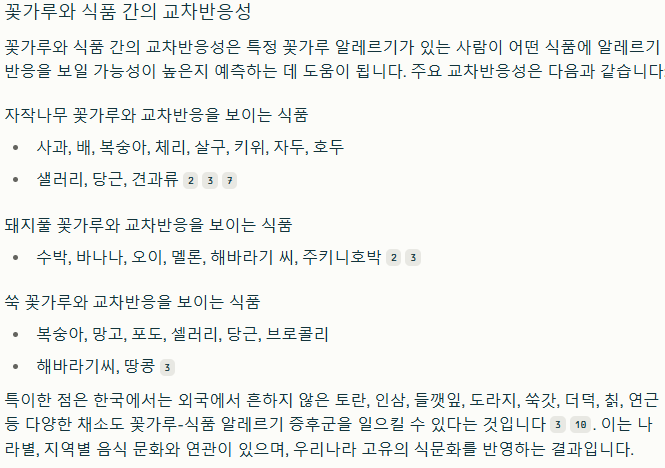
If symptoms occur when the foods listed above are eaten raw, PFAS may be suspected.
What are the symptoms of pollen-food allergy syndrome?
-
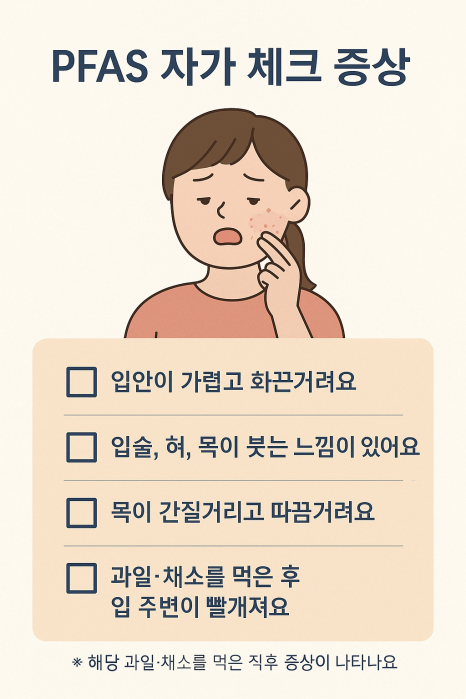
Itching or burning of the lips, tongue, or roof of the mouth
-
Itchy and stinging throat
-
Swelling or a rash around the mouth
-
In rare cases, systemic reactions such as coughing, difficulty breathing, and abdominal pain can also occur
Usually, symptoms appear within 5 to 10 minutes after eating and often improve on their own within a few minutes to an hour. However, in some patients (about 9%), severe cases can progress to a systemic allergic reaction (anaphylaxis), so caution is needed.
So, are there ways to prevent it and respond to it? This part is the most important.
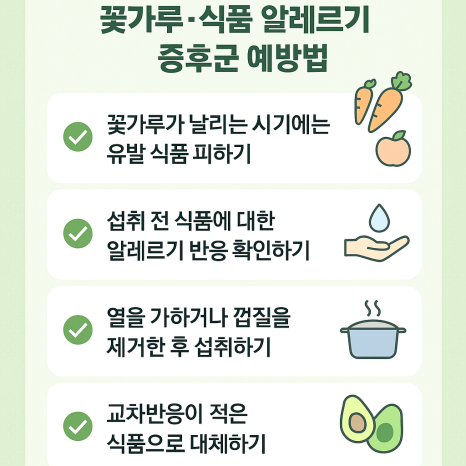
- Avoid related foods
For example, if you are allergic to birch pollen, it is best to avoid raw apples, peaches, plums, and similar foods.
- Eat them cooked
In most cases, the proteins that cause the allergy are heat-sensitive, so cooking them often makes them safe to eat.
- Keep a record of suspected symptoms and get an allergy test
A precise diagnosis is made through skin prick testing or specific IgE antibody testing, and in some cases, an oral food challenge is performed to directly consume the food and observe whether symptoms occur.


- Prepare for emergencies
If you have previously experienced difficulty breathing or hives, it is a good idea to carry an antihistamine or a self-injectable epinephrine device.
Also, we recommend carrying a medical bracelet or card with your allergy information in your wallet, and informing family members or people around you about your allergy so that you can get help in an emergency.

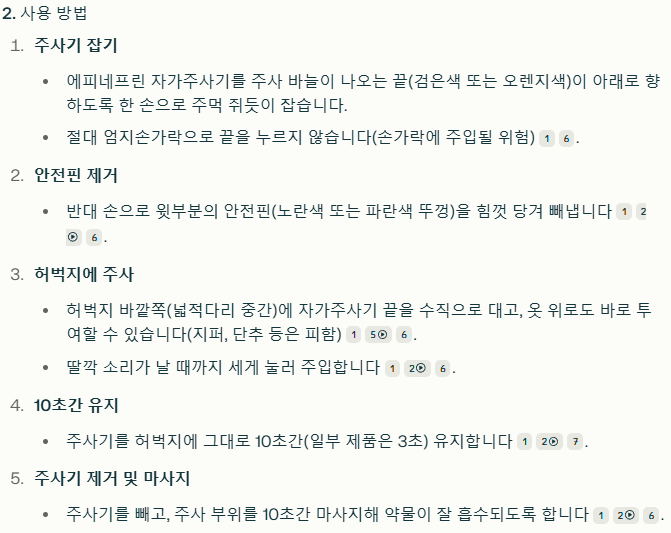
How to use a self-injectable epinephrine device
If you thought you only had a pollen allergy but then food starts causing problems too, it can be very surprising. But if you understand the cause and characteristics of PFAS and manage it well, you can go about daily life without much worry.
If you have any questions, please leave them in the comments, and if you add us as a mutual blog friend, you can receive more seasonal allergy and immune-related health information.
This has been Merry Plastic Surgery Clinic.
#MerryPlasticSurgeryClinic #GangnamPlasticSurgery #GangnamStationPlasticSurgery #ApgujeongStationPlasticSurgery #SinsaStationPlasticSurgery
#MerryPlasticSurgeryClinicSlowAgingCenter #SlowAgingCenter #PollenAllergy #FoodAllergySyndrome #PFAS #SpringAllergy #AppleAllergy #PeachAllergy #CrossReactivity #CautionWithAllergyFoods #ItchyMouth #BirchAllergy