The materials used in nose surgery can be broadly divided into two categories: those derived from the human body and those that are not. In other words, they can be divided into human tissue and artificial tissue.
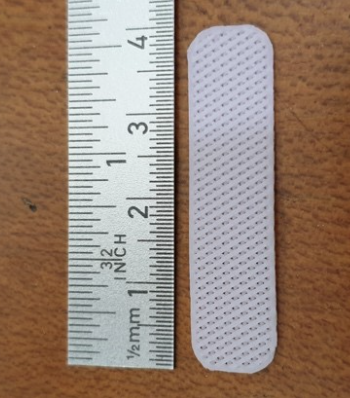
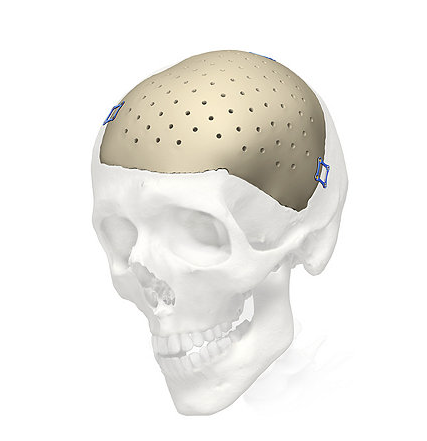
First, let’s look at artificial tissue. 'Medpor' and 'mesh' are the two representative products. Both were mainly used for reconstructing the skull as tissue that could replace damaged skull bone, but as they began to be used in nose surgery and side effects appeared, their use has recently decreased significantly. Using these two products is not an incorrect method, but the drawback is that if side effects occur, recovery is difficult and takes a long time.
Previous image
Next image
Left) mesh, Right) medpor
So what kinds of human tissue are there?
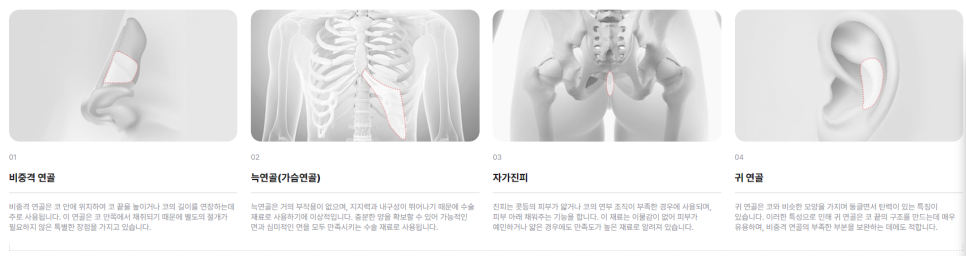
First, there is septal cartilage inside the nose, then costal cartilage from the ribs, ear cartilage, and autologous dermis, which is part of the skin. When these human tissues are used, side effects are less common than with artificial materials, and even if side effects do occur, the likelihood of lasting problems is lower. So when having nose surgery, if possible, using human tissue is recommended.
Then what about the materials used for the bridge of the nose?
The materials used for the bridge of the nose are actually used at different frequencies. The bridge can also be augmented using human tissues such as autologous costal cartilage or autologous dermis. These materials also have fewer side effects. However, they are often absorbed over time, so the bridge height may change, and it can be difficult to create a beautiful line or prevent the nose from looking wide from the front. That is why silicone is still used most often for the nasal bridge. When silicone is used, there can be side effects related to inflammation, but the side effect rate is also low, around 3–4%. If the silicone is removed immediately when inflammation occurs, the nose can return to a state similar to the one before surgery, so there is no need to worry too much.