
Philtrum surgery is not about changing the eyes or the shape of the nose itself, unlike double-eyelid surgery or nose surgery. Its general purpose is to shorten a philtrum that is longer than average, helping the overall balance of the face fall into a more ideal proportion. Even a reduction of 0.5 mm to 1 mm in this area can create a noticeable difference, so the procedure must be performed with great care. If it is reduced too much, it can lead to rhinoplasty revision for philtrum reduction, so please refer to A Top Plastic Surgery reviews and proceed carefully with the first surgery to complete it properly.
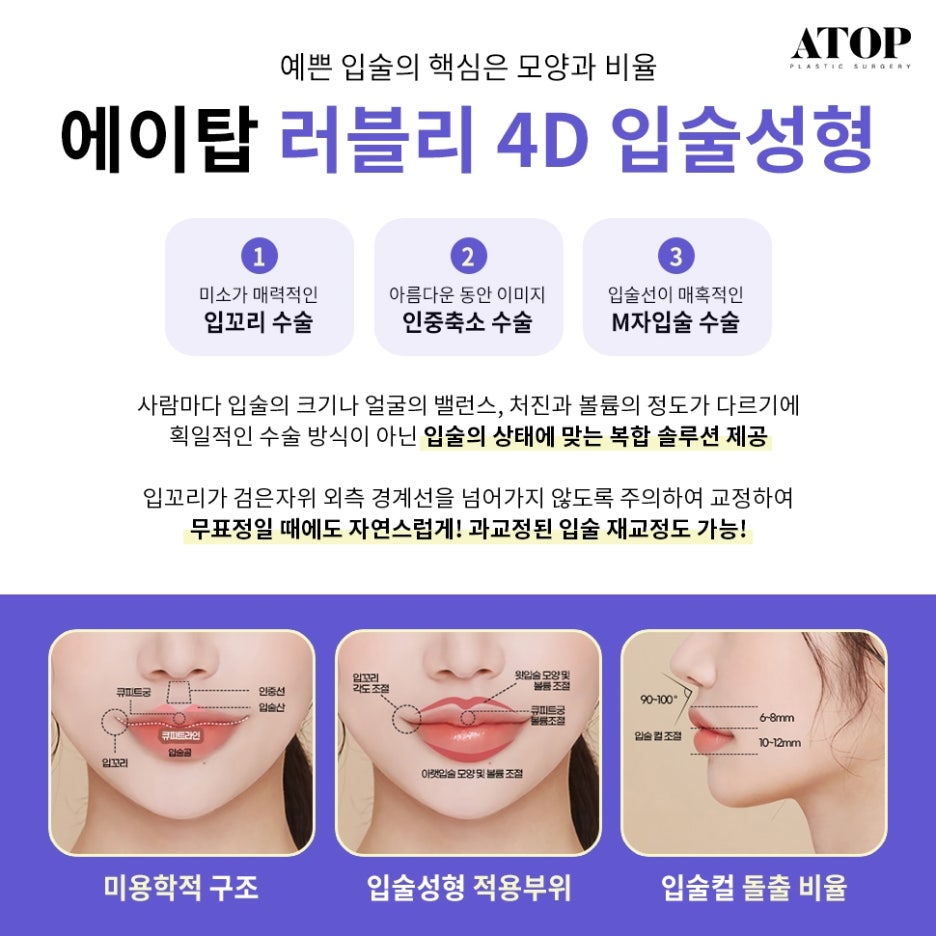
A Long Philtrum Due to Various Causes
The philtrum can be long due to congenital or acquired causes. Congenitally, the philtrum itself may simply be long from birth, but acquired factors account for a large share. As time passes and the face changes with age in both impression and proportion, some people decide to undergo surgery, and if the first surgery goes wrong, they may need rhinoplasty revision for philtrum reduction.
Among acquired factors, aging has a significant effect. As skin elasticity decreases and the entire area sags downward, this part naturally appears longer. After dental orthodontic treatment or surgical procedures such as orthognathic surgery, the mouth may move inward, which can also make this area appear longer. There are also cases where a previous reduction surgery was performed, but after orthodontic treatment or jaw surgery the area sags again, leading to rhinoplasty revision for philtrum reduction.
Because the degree of stretching, sagging, and length differs from person to person, revision surgery is not always necessary. However, if the impact on facial proportions or appearance is significant, surgery may be worth considering. Preventing this area from stretching in advance is in fact quite difficult, so if it becomes excessively long and disrupts the facial balance, surgery may be considered.

The Need for Philtrum Reduction Surgery
A long philtrum does not actually cause major functional inconvenience in daily life. It does not interfere with everyday activities, but even a few millimeters of extra length can disrupt facial proportions and make the face look older. The length of the midface and the overall face may appear longer, and the impression of looking older becomes a cosmetic concern.
In particular, if you were satisfied after the first surgery but it stretches again, the stress of looking older than before may make rhinoplasty revision for philtrum reduction unavoidable. For those who are deeply stressed by their appearance and troubled by an imbalanced face, this can be a worthwhile procedure to consider. However, since this surgery is intended for aesthetic satisfaction rather than improving functional discomfort, failing to decide carefully may lead to the need for revision surgery, so please make your decision only after sufficient consultation.
Rhinoplasty Revision for Philtrum Reduction, Why It Is Needed
When people need to undergo this surgery again, it is often because the overall balance of the face was not properly considered. Of course, this is a surgery to reduce the length of the philtrum itself, but it should not simply shorten the area. The length, the angle of the nasal tip, the length of the midface, and the proportions of the upper, middle, and lower face must all be taken into account. By analyzing these factors, the design should be adjusted to an appropriate length and proportion that fits the facial balance.
If the previous surgery simply shortened the length without considering these factors, there is a possibility that the result was not satisfying. That is why rhinoplasty revision for philtrum reduction becomes necessary. In other cases, if the previous surgery was not performed carefully and the sutures were not secured firmly, the area may stretch again, leading to revision surgery.
Because this is a procedure that involves making an incision, pulling the tissue, and suturing it, it should ideally be completed in one surgery rather than repeated several times in order to achieve a natural result.

Design Factors to Consider for Philtrum Reduction Surgery
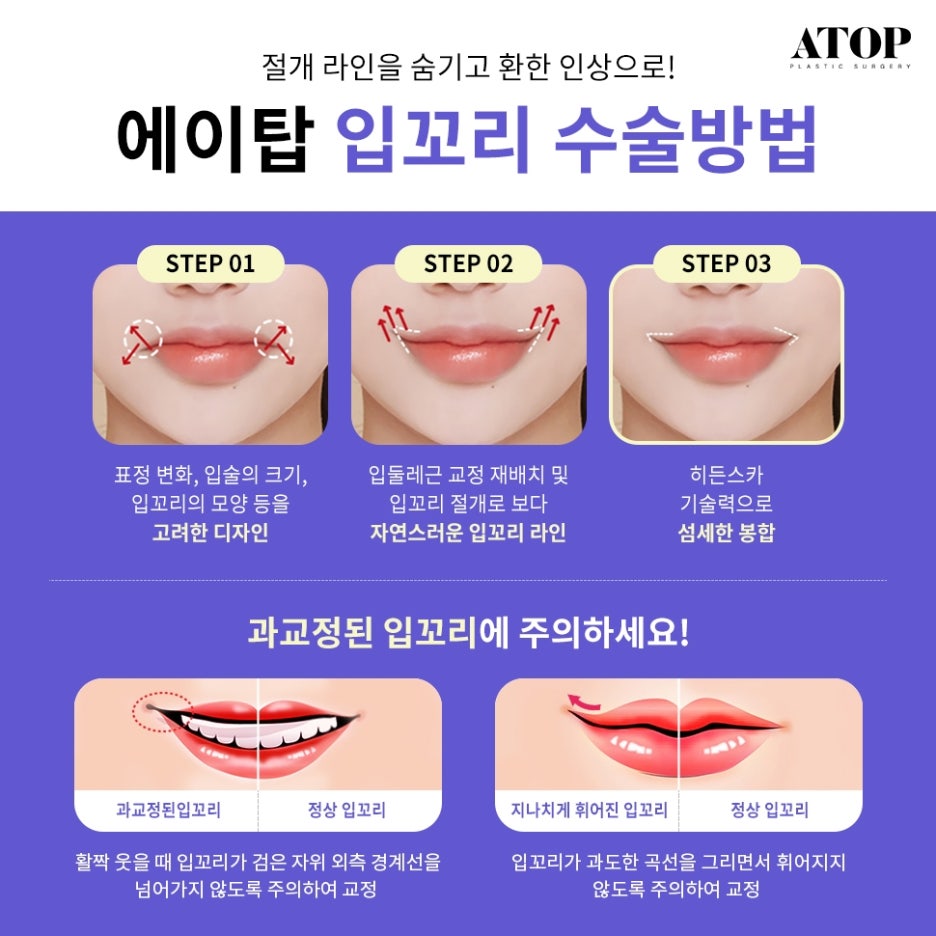
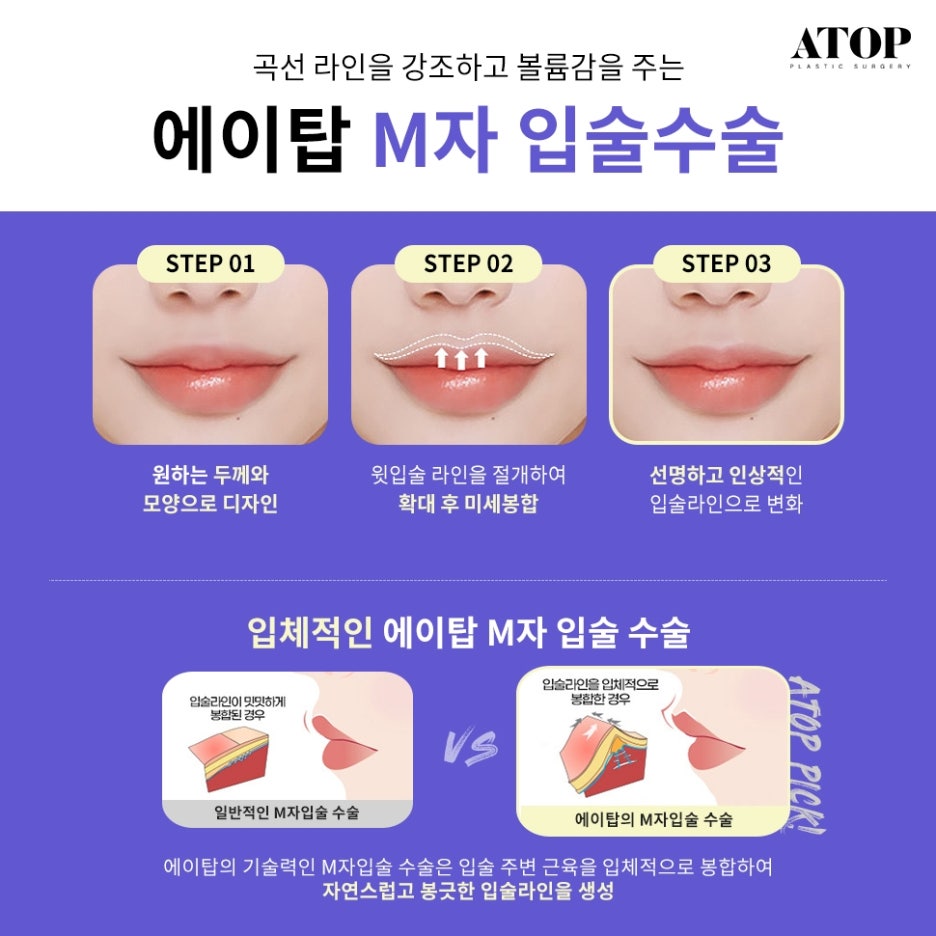
For the philtrum to have a normal length and proportion, the appearance from the front and side must also be considered. The curvature of the lips should remain natural and soft, and to achieve this, when shortening the length, the upper lip should be slightly lifted to create a more voluminous improvement. This can help restore lip volume, soften the curvature, and make the Cupid’s bow and the overall lip line more attractive.
Also, although this is a surgery to reduce the philtrum, side effects such as nostril sagging or an upturned nasal tip may occur afterward. To prevent this, the facial bones should be used as a fixed anchor for double fixation. It is important to strongly secure the area with a double-fixation suturing method that anchors the fascia, dermis, and epidermis at once, reducing side effects such as an upturned nasal tip, alar sagging, or incision line separation after surgery, so that rhinoplasty revision for philtrum reduction does not have to be repeated.
Things to Check Before Philtrum Reduction Surgery
For the philtrum to have a natural length and shape, a length of about 10 to 10.5 mm should remain. In addition to this length, surgery should be decided by considering each person’s facial characteristics. If it is reduced too much, the upper lip may become thicker or take on a peaked shape, and the corners of the mouth may appear droopy. The teeth may become exposed, creating an unnatural look, and the proportions may actually appear more unbalanced. Therefore, you should have a thorough consultation with a specialist, establish the surgical plan first, and proceed with a shape, length, and proportion that suits you.
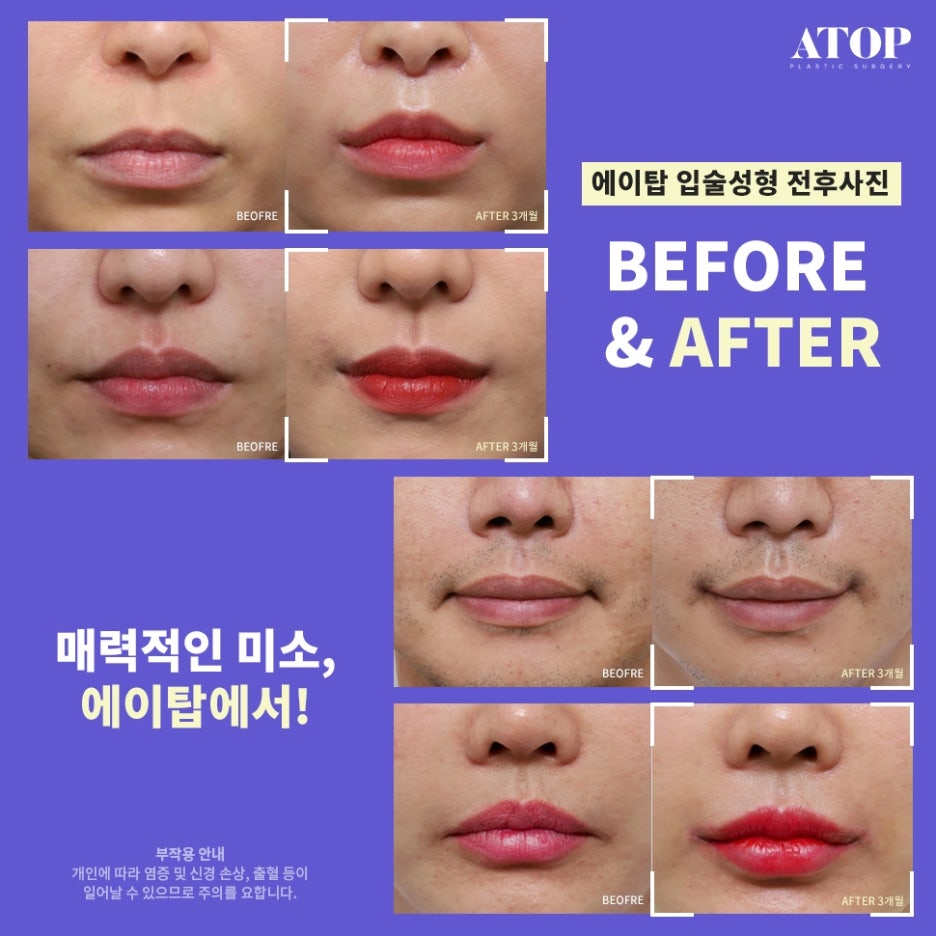
I hope that by undergoing philtrum reduction surgery, which includes a tiny incision beneath the columella so the incision site is not visible and lifts the upper lip by pulling only as much as needed, you can have beautiful results from the area below the nose to the lip line, as in A Top Plastic Surgery reviews.










 Previous image
Next image
Previous image
Next image










Previous image
Next image