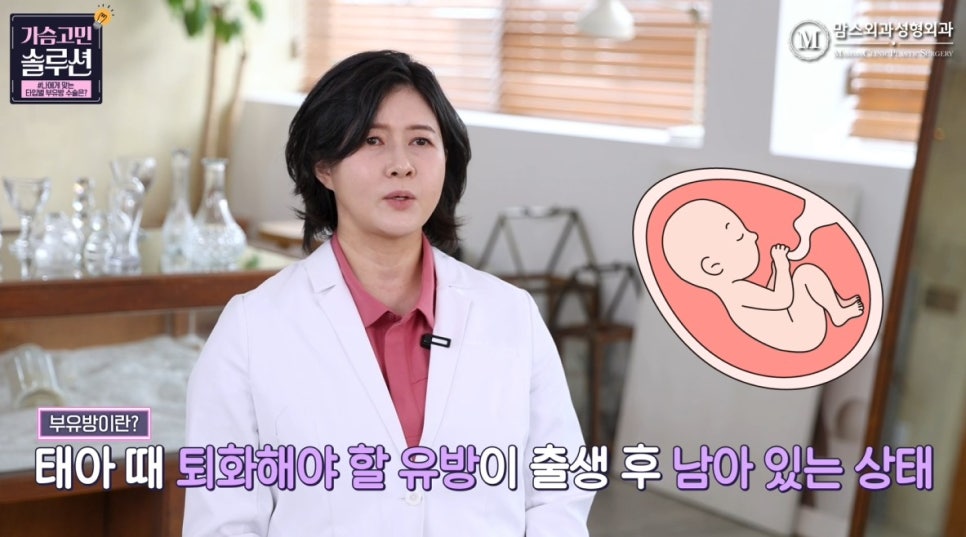
Accessory breast tissue is supposed to regress
while the fetus is developing
and disappear after birth,
but it remains even after delivery.
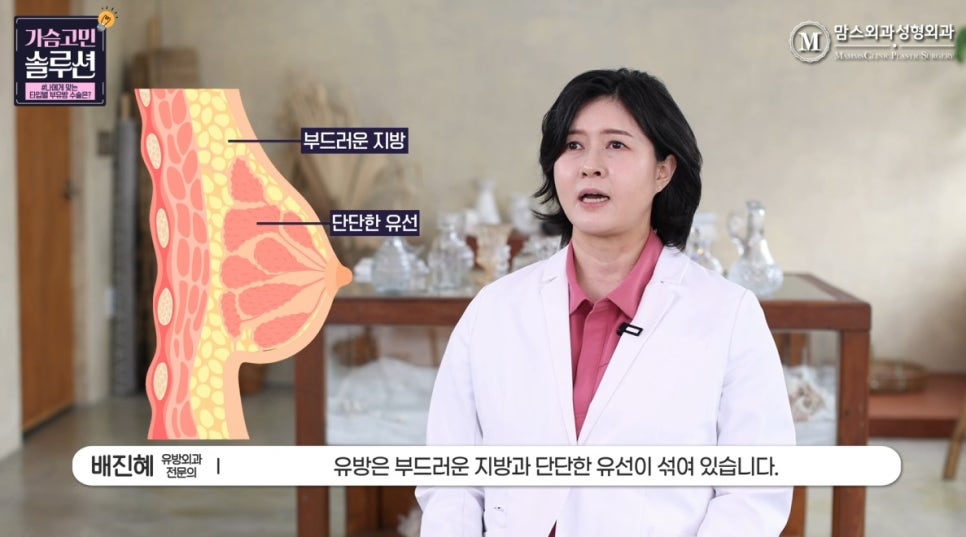
The breast is made up of soft fat
and firm glandular tissue.
Sagging in the armpit area
is mostly due to accessory breast tissue.
Whether there is more fat or more glandular tissue
depends on each person’s degree of regression.
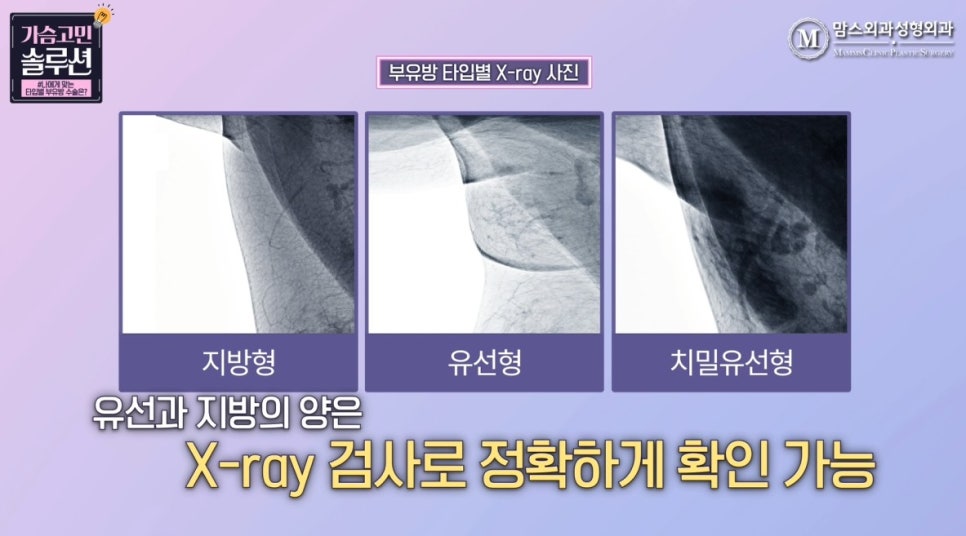
This can be confirmed through X-ray examination.
Before surgery, it is important to assess
the thickness and density of the accessory breast tissue
through an examination,
and then perform a procedure
that suits each individual’s condition.
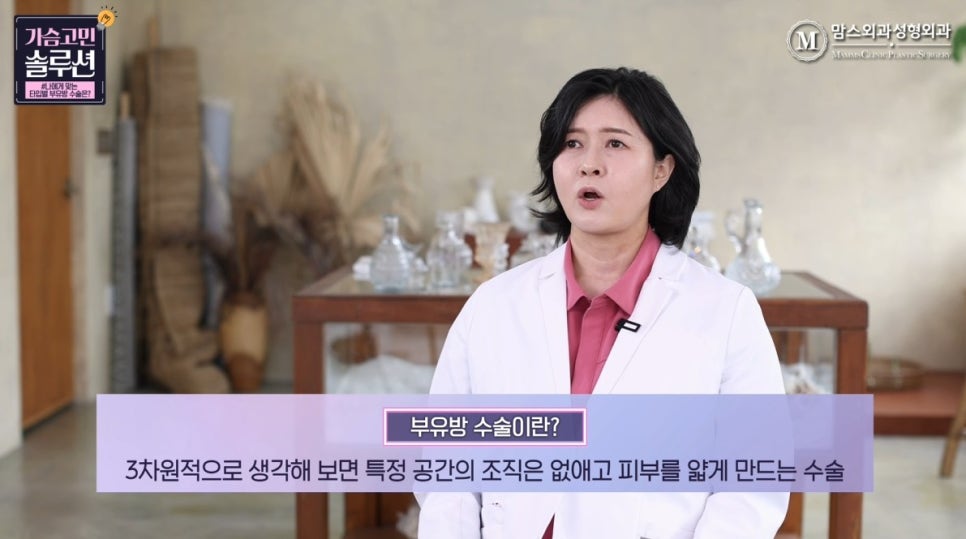
If you think about accessory breast surgery in three dimensions,
ultimately it is a surgery that removes tissue from a specific space
and makes the skin thinner.
However, due to blood circulation,
some thickness must remain.
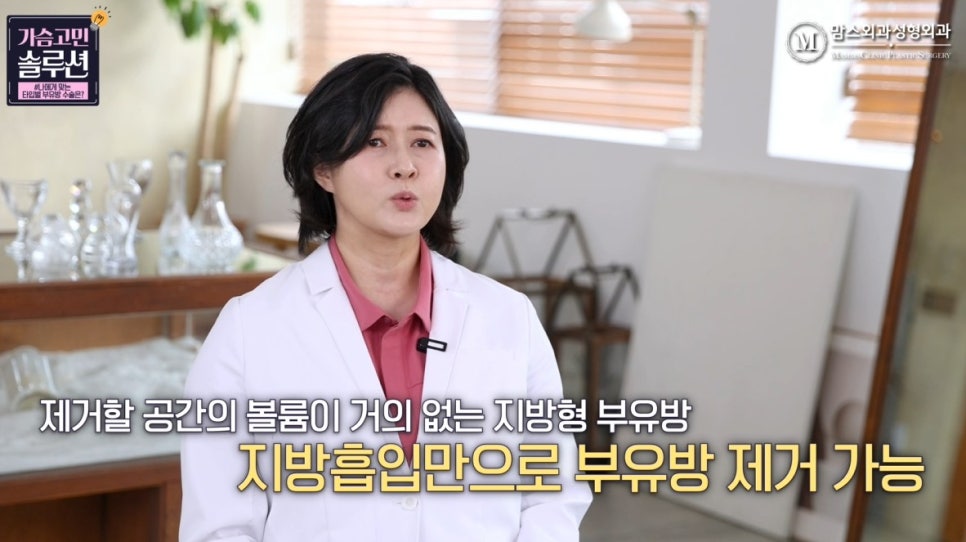
But if it is a fat-type accessory breast
with almost no space to remove,
it can be sufficiently removed with liposuction alone.
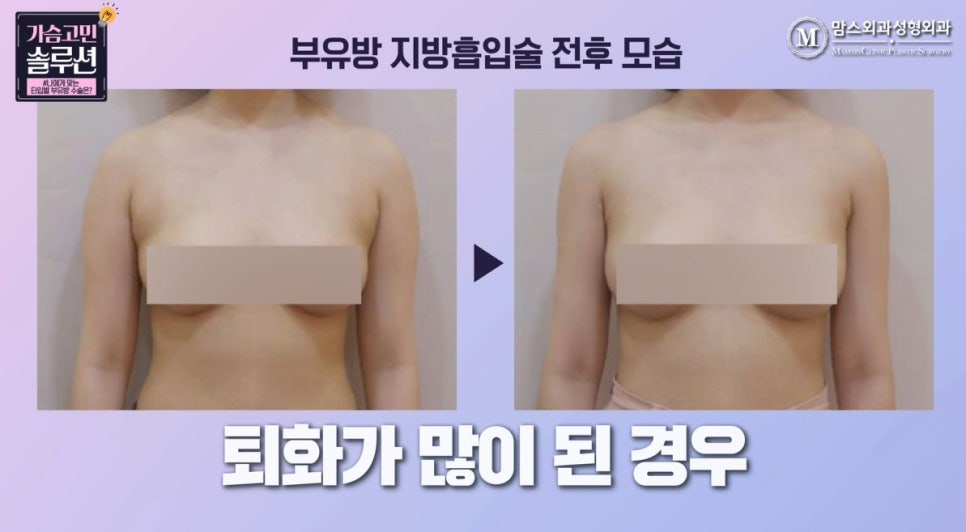
In such cases,
the glandular tissue is actually very small.
In other words, it can be considered a case
where regression has progressed significantly.
So when I say,
"This is a small accessory breast,"
almost everyone is surprised and says,
"Mine is big."
Perhaps that is because it is an unsightly area
and they worry the surgery will not be effective.
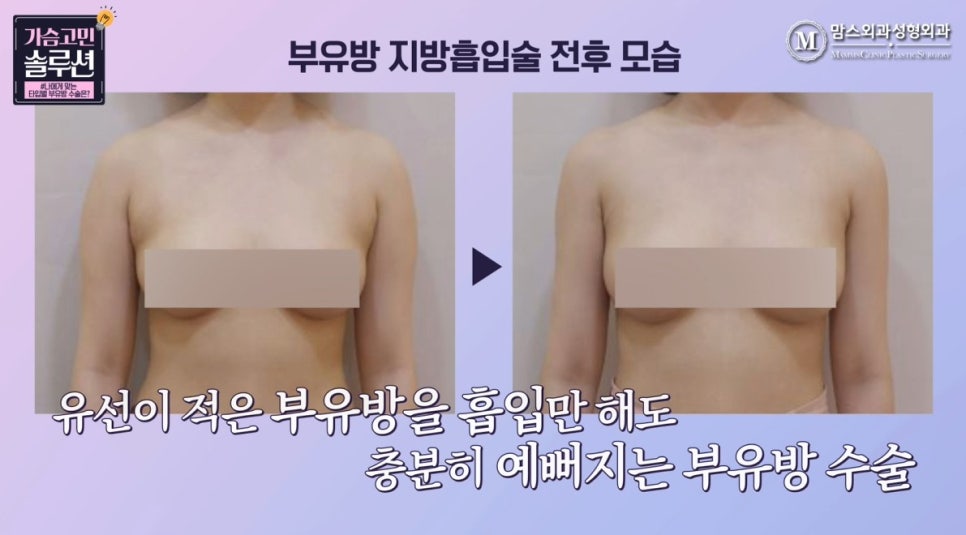
Accessory breast surgery is a procedure that removes
bulging in the armpit and creates a normal body contour,
so accessory breasts with little glandular tissue
can become sufficiently improved with liposuction alone.
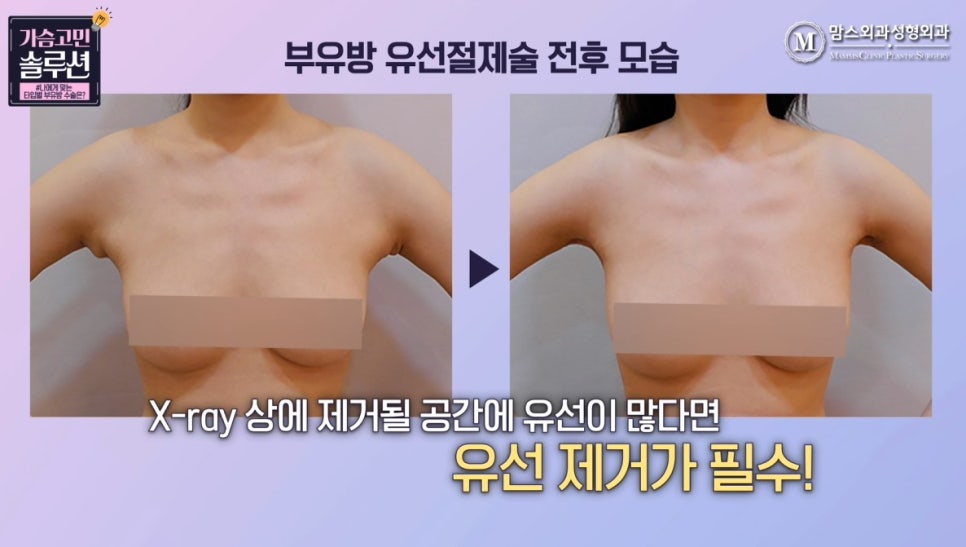
If an X-ray shows that there is a lot of glandular tissue
in the area to be removed,
the glandular tissue must be removed.
If only liposuction is performed,
firm glandular tissue will remain,
leaving a lump-like feeling in the armpit
and making it appear as though it was not completely removed.
This is because glandular tissue cannot be removed
with liposuction alone.
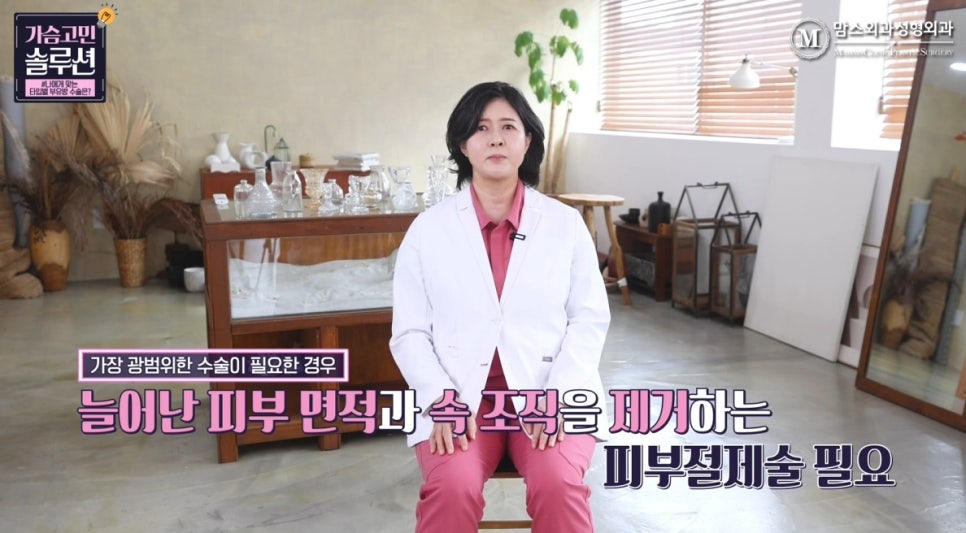
Lastly, when the most extensive surgery is needed,
a skin excision procedure is required
to remove the stretched skin area and the underlying tissue.
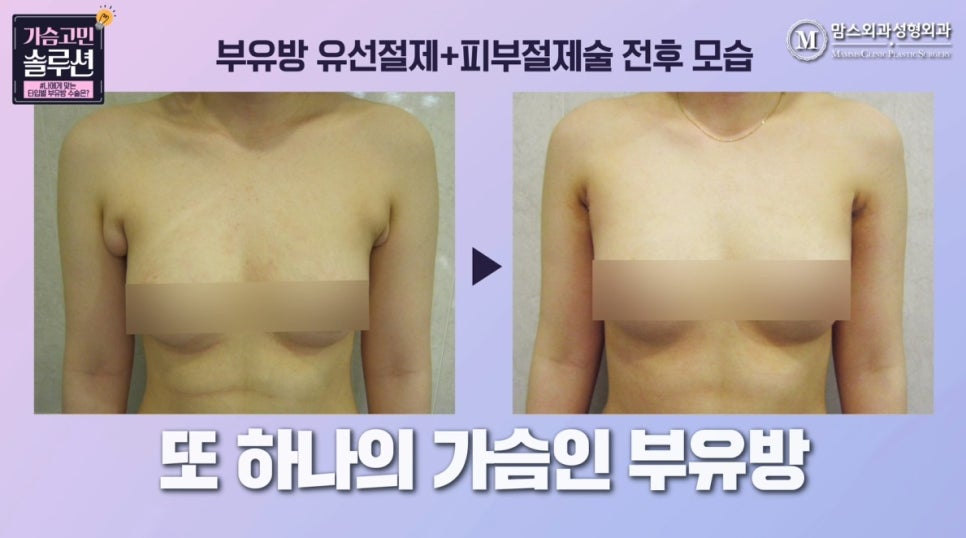
Accessory breast tissue is another breast.
Just like the real breast,
it can sag over time.
If there is a lot of heavy glandular tissue
or if weight is repeatedly gained and lost,
the accessory breast can also gain fat.
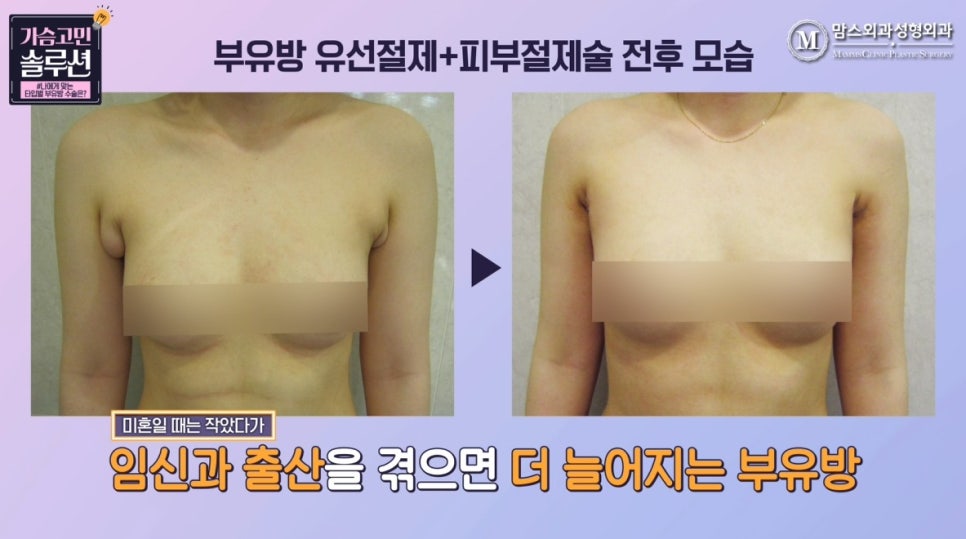
Also, it may have been small when unmarried,
but after pregnancy and childbirth,
it can become more stretched and saggy.
The symptom of saying,
"My accessory breast has gotten bigger,"
does not mean that the glandular tissue is growing like a tumor;
it means the accessory breast is sagging.
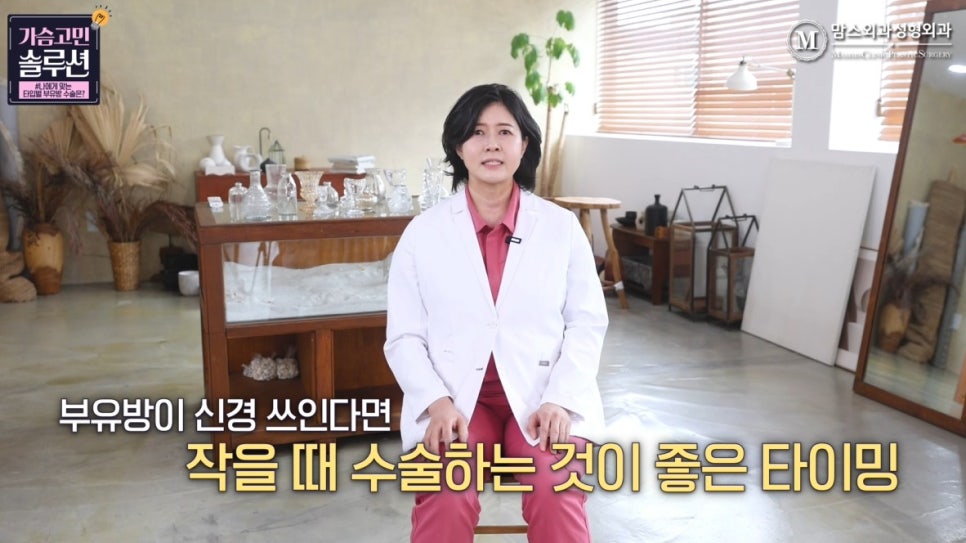
In some cases, the skin loses its elasticity,
and accessory breast surgery cannot be performed
without skin excision.
Therefore, if accessory breast tissue is bothering you,
it is better to have surgery while it is still small,
if possible.
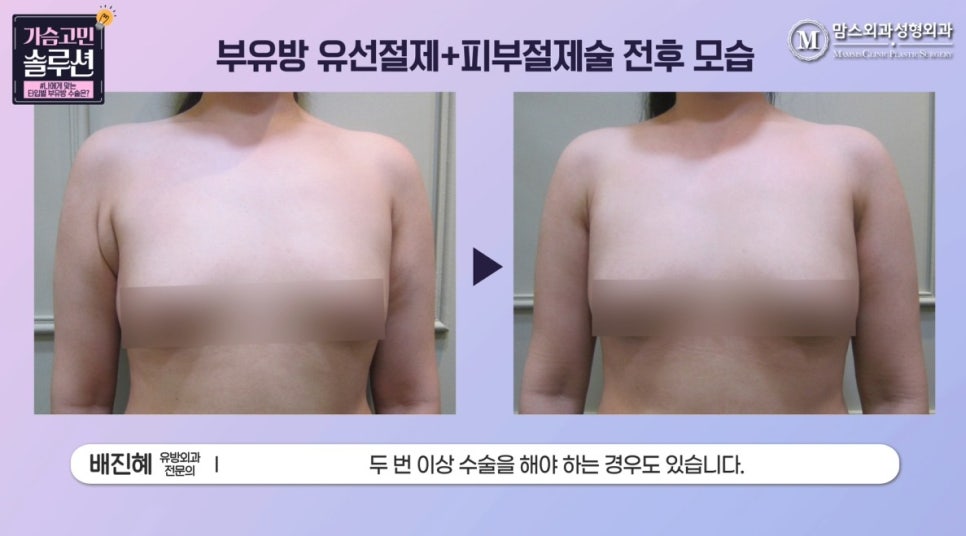
If you wait until it becomes larger and saggier and then have surgery,
loose skin may remain,
so even after surgery it may look like the accessory breast
has not been completely removed,
or there may be scarring, making skin excision unavoidable.
The most unfortunate case is when,
even with skin excision,
not all of the stretched skin can be removed,
requiring two or more surgeries.
Therefore, through X-ray examination,
it is important to assess both the tissue density
and the degree of skin laxity
and perform the appropriate surgery
based on the patient’s condition.
The final goal is to make it seem
as if the accessory breast had never been there.
So please remember that
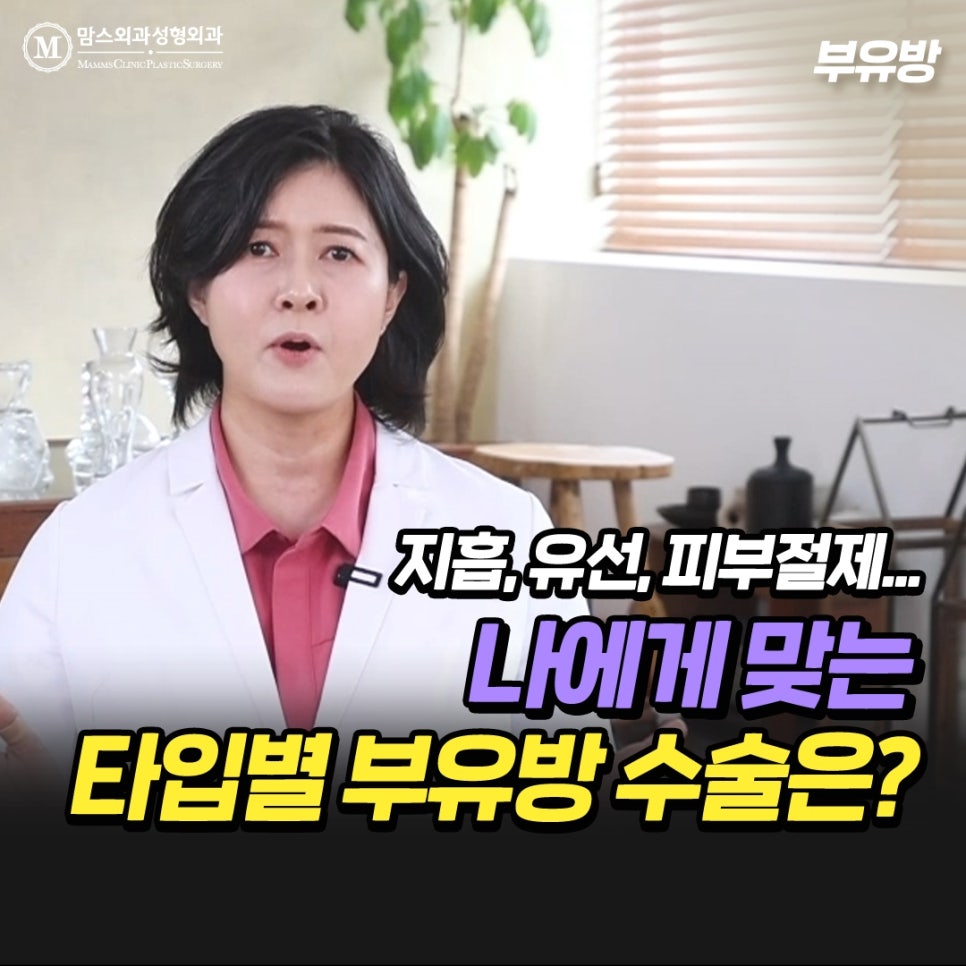
the surgical method can vary depending on the type of accessory breast.