
After breast cancer surgery,
various unwanted stresses
often follow.
Changes in the breast after surgery are upsetting,
but asymmetry between the two sides
can be an even greater source of stress.
When asymmetry occurs,
clothes and underwear may not fit properly,
which can be uncomfortable,
and the neck, shoulders, and waist may gradually lean to one side,
leading to further problems over time.
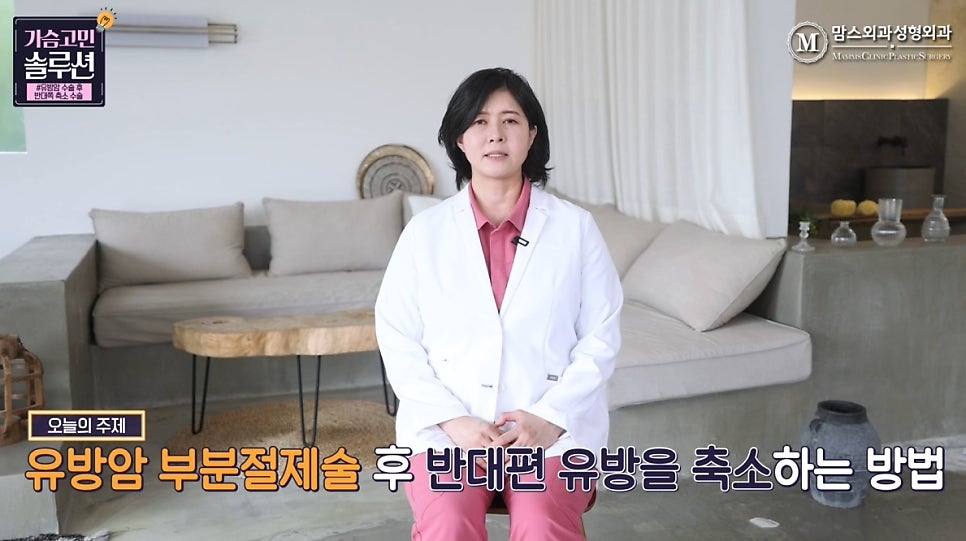
There are quite a few ways to correct
this asymmetry after breast cancer surgery.
Depending on the size and the extent of the remaining tissue,
there may be several different approaches,
but today we will look at
reducing the opposite breast after partial mastectomy.

When correcting asymmetry after breast cancer surgery,
it is best to reduce both sides at the same time.

Because reduction surgery also improves the shape
as it corrects sagging,
if only one side is reduced,
the operated side may look lifted and aesthetically pleasing,
while the opposite side may appear relatively saggy,
leaving an unsatisfactory asymmetry.

Therefore, although there may be differences in the amount removed,
performing surgery on both sides together
can lead to more satisfying results.
When breast reduction surgery is performed in breast cancer patients,
the location of the original cancer,
specifically which quadrant it was in,
has a significant effect on the postoperative shape and symmetry.

Among these, the most unfortunate case
is surgery for cancer in the lower inner quadrant of the breast.

In fact, when it comes to breast shape,
the most important part
is the rounded curve of the lower breast.
How beautifully and elegantly this area is formed
can be said to determine the beauty of the breast.
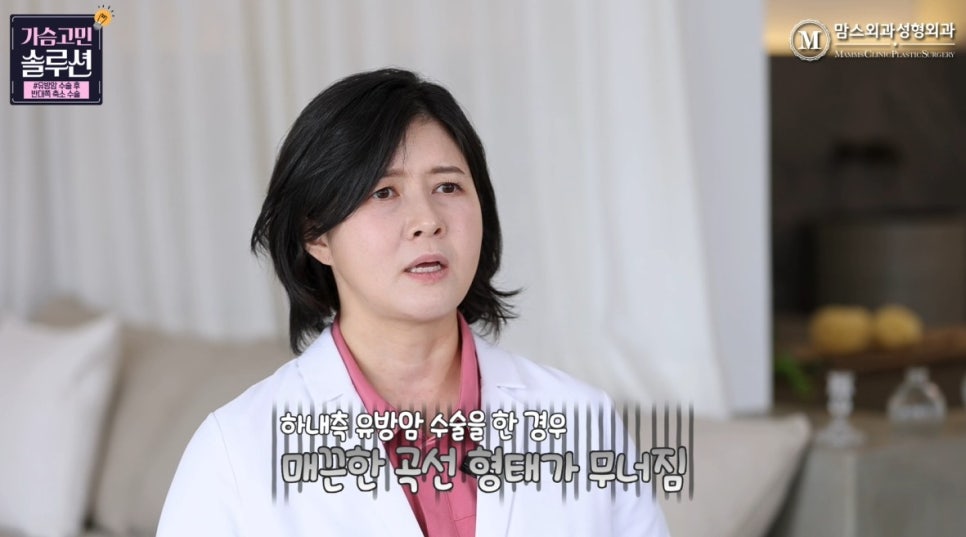
However, when surgery is performed for cancer in the lower inner quadrant,
this smooth curved shape is inevitably disrupted.
If a hollow or deformity develops in this area,
correction becomes very difficult.

Because breast cancer surgery usually requires removal of the skin around the cancer as well,
the tension in the remaining skin increases.
Once deformity occurs in this area,
even if you try to cut and tighten the tissue to reshape it,
correction is difficult because there is not enough extra skin.

So even if both breasts are reduced,
it is difficult to expect a normal rounded lower curve.
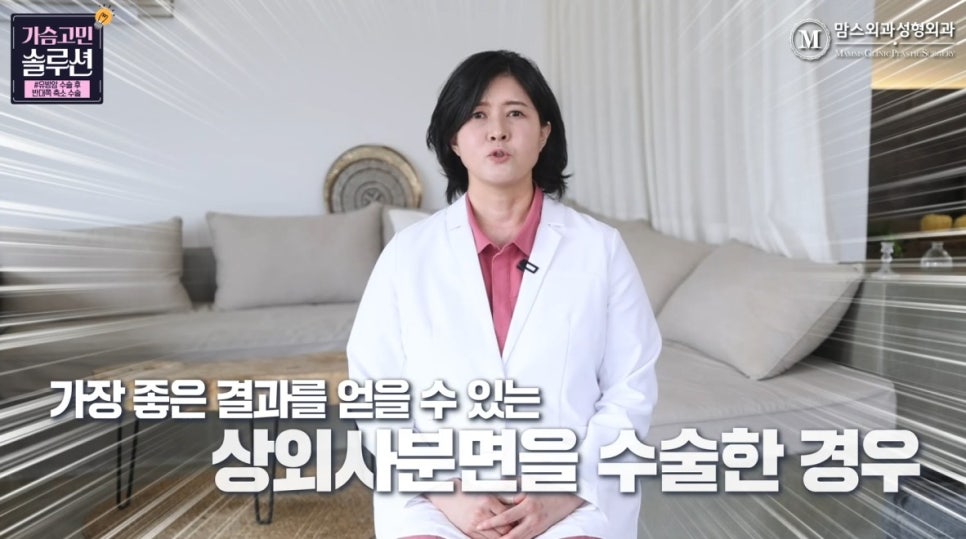
On the other hand, a case that can produce good results
is surgery for cancer in the upper outer quadrant.
In simple terms,
this means surgery for cancer near the armpit area.

In breast reduction surgery,
the main target areas are the outer tissue
and the sagging in the lower part.
In such cases, surgery can be performed with relatively few limitations,
and good results can also be expected.

Although there are these special considerations depending on
the location of the breast cancer,
from an overall perspective,
the cases most likely to achieve good results with reduction surgery after breast cancer surgery
are those in which the patient originally had larger breasts.
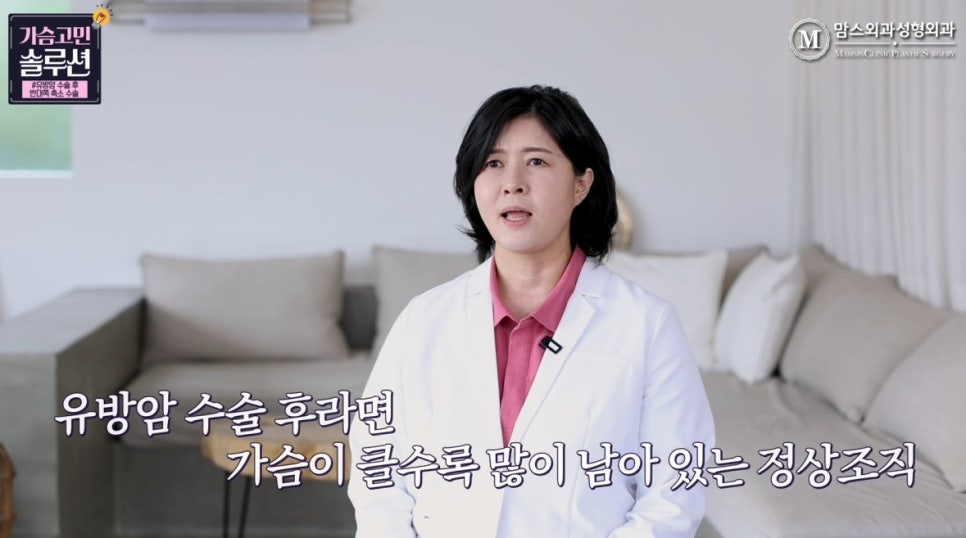
In general, the larger the breasts,
the more difficult reduction surgery can be,
but in patients who have undergone breast cancer surgery,
the larger the breasts, the more remaining normal tissue there is.
In these cases, better surgical results can be achieved.
In such cases,
results similar to those of ordinary reduction surgery
may be obtained.

Many people may be struggling
with asymmetry caused by breast cancer surgery.
I hope this is of some help to those people.
Thank you.