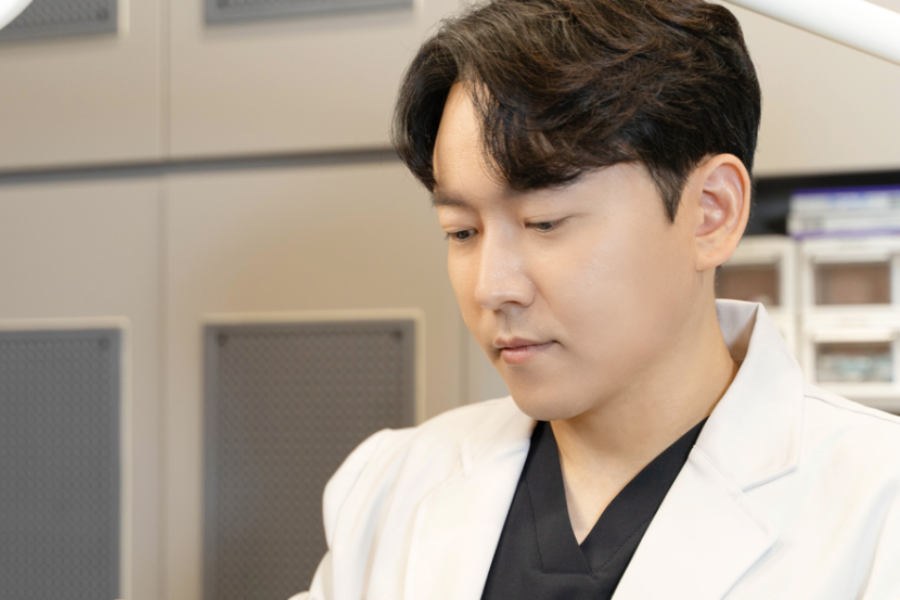
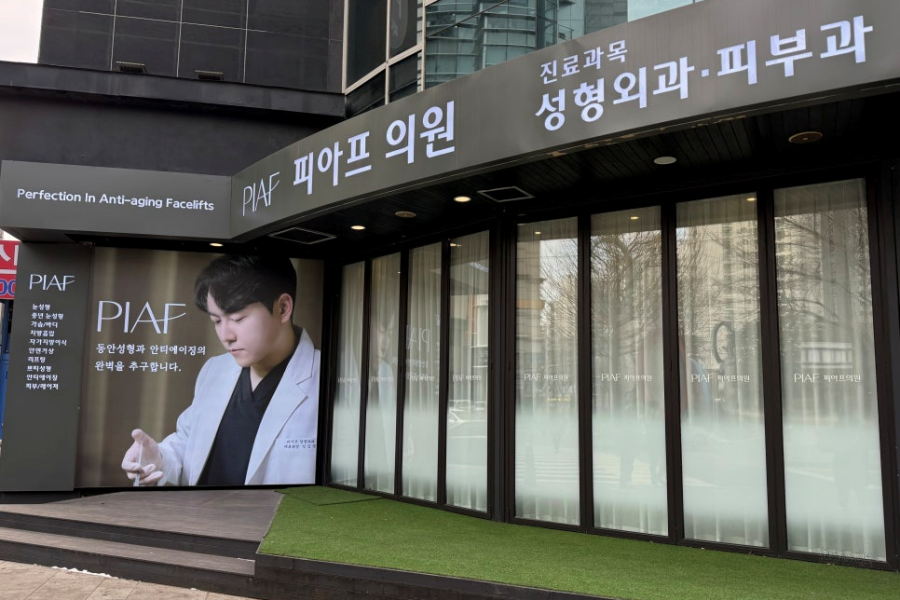
Hello. I am Lim Jin-young, the director of 피아프의원.
Botox is a procedure that involves injecting a small amount of medication into the dermal layer, which can help reduce fine lines, improve pores, and refine skin texture.
Speaking as a plastic surgeon, two things are particularly important for achieving good results with Botox.
-
The thickness of the dermal layer
-
Resistance
If Botox wears off too quickly or its effects do not last as long as expected, these two factors should be checked.
As a plastic surgeon who performs Botox procedures at Jamsil Station, I would like to discuss this topic, so please take three minutes to read on.
- Jamsil Station Botox: Why the Thickness of the Dermal Layer Matters

The thickness of the dermal layer varies from person to person. When performing skin Botox across the entire face, it is the foremost factor determining effectiveness.
Although there are individual differences, the dermal layer is generally very thin, measuring approximately 1–2 mm.
You can think of it as being about as thin as a sheet of A4 paper, and the medication must be injected precisely into this thin layer.
What happens if the injection goes deeper than that?
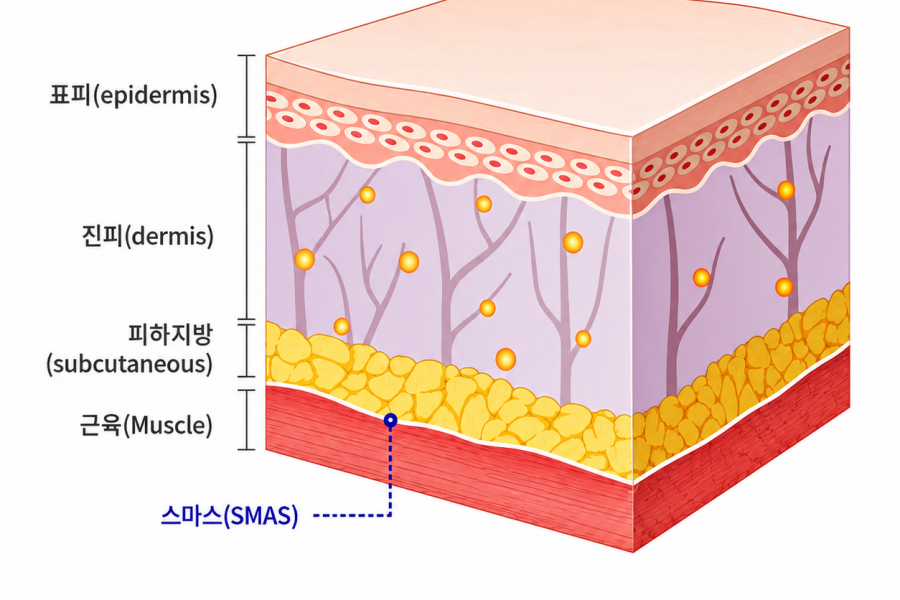
The medication may flow into the muscle layer below. When this happens, the muscles can become stiff, resulting in unnatural effects such as awkward facial expressions or asymmetry of the corners of the mouth.
The dermal layer must be targeted precisely so that a natural appearance can be maintained while fine lines and pores are smoothed and tightened.
Therefore, how accurately the medical professional can gauge the thickness of the dermal layer through the sensation at their fingertips determines how natural the result will be.
- Resistance: The Key Factor Affecting Duration
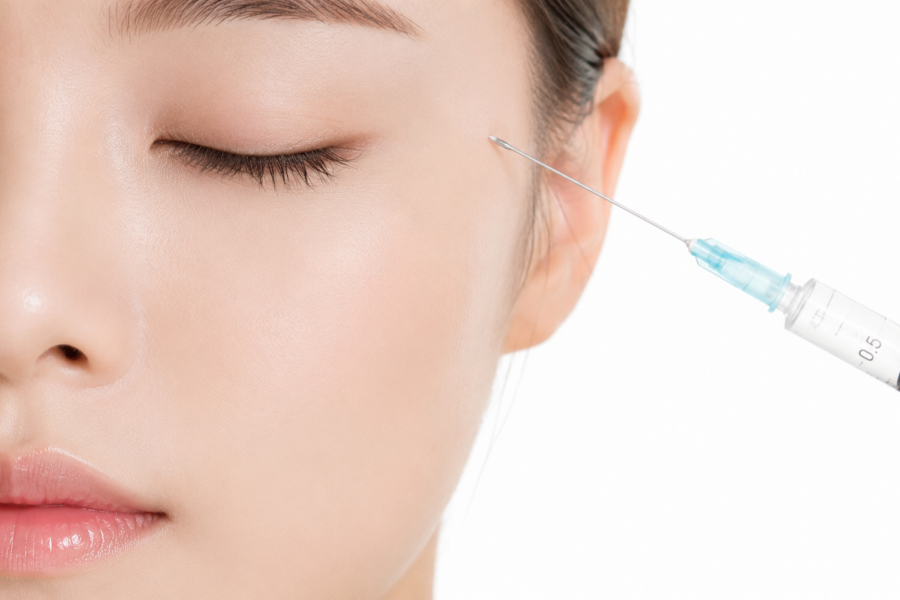
I believe anyone who has considered this procedure knows how important Botox resistance is.
Even if the medical professional is highly skilled, once antibodies to the complex proteins develop in the patient’s body,
any medication can simply become “plain water.”
Resistance develops because of the “complex protein” components contained in the product.
It generally occurs in the following situations.
-
Receiving a high dose at one time, such as for the calves, trapezius muscles, or other body areas
-
Receiving frequent touch-up treatments at short intervals—within 2–3 months—because the effects seem to be wearing off
In these cases, a large number of antibodies can be produced at once, causing the rate of resistance to rise sharply.
- How to Achieve Better Results

To explain how to maintain the effects for a long time while avoiding antibody formation as much as possible, I recommend following the most basic principles.
- Use purified toxin for your first treatment.
Even if you switch from a conventional toxin to a purified toxin, such as Xeomin or Coretox, after suspecting resistance, the purified toxin will also be ineffective if antibodies have already developed.
I recommend choosing a product without complex proteins from the beginning.
- Follow the “minimum three-month” rule between treatments.
The habit of frequently visiting a clinic because you are worried that the effects have weakened slightly can lead to antibody formation.
An interval of at least 3–4 months should be left for wrinkles, and six months for square jaws or body treatments.
- Avoid clinics that always inject high doses.

It is my principle not to inject a high dose simply because the patient requests it.
Rather than completely paralyzing muscle movement, I precisely target and inject an “appropriate amount” that limits movement only to the extent that it does not cause inconvenience in daily life.
This is because the less medication is injected, the lower the likelihood that the immune system will generate an antigen.
What if an antibody response is suspected?
An experienced medical professional will perform a “test treatment” and observe the response.
A very small amount—4–8 units—is injected into a specific point on one side of the forehead or between the eyebrows where wrinkles form, and the patient is asked to return after 1–2 weeks.
If wrinkles do not form only on the injected side, the result is diagnosed as an “insufficient dose.” If wrinkles form equally on both sides, it is judged to be “true antibody development.”
If true resistance is suspected, the procedure should be stopped decisively and a break of at least one year should be taken.
Instead, during that period, the appropriate approach is to use a skin booster that can improve wrinkles and elasticity as a substitute for Botox.
This process helps minimize Botox resistance as much as possible while still allowing you to see results.
I have discussed Botox resistance and effectiveness from the perspective of a plastic surgery clinic at Jamsil Station. Was this helpful?
These are basic procedures, but surprisingly, many clinics do not follow them, so please keep this in mind before visiting a dermatology or plastic surgery clinic.


| Contact Information |
|---|
| Main number: 02-420-8883 |
