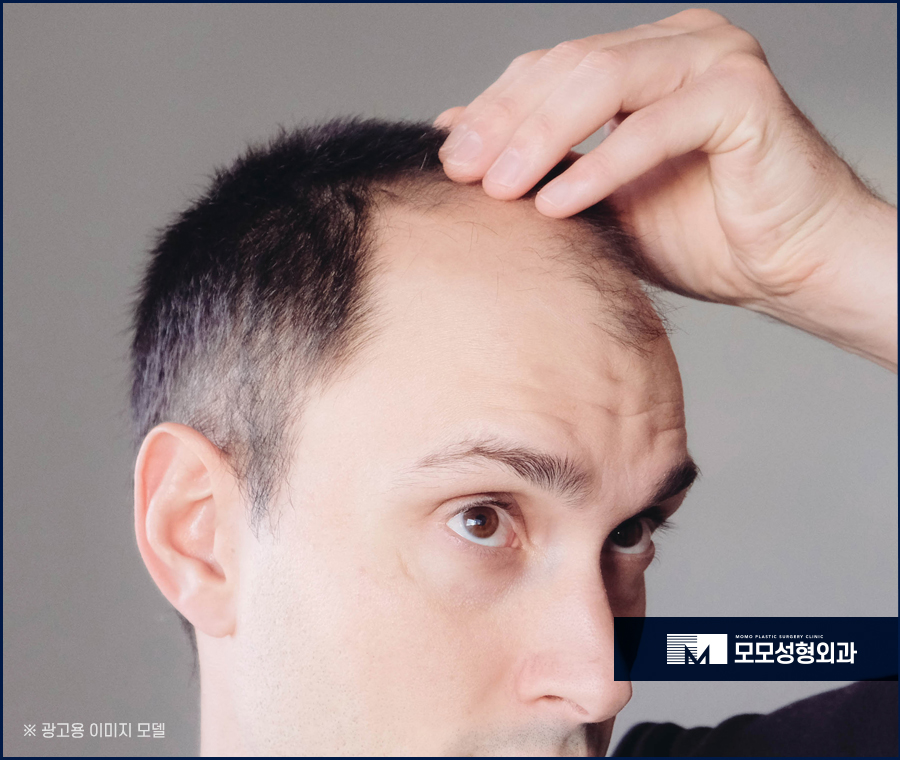
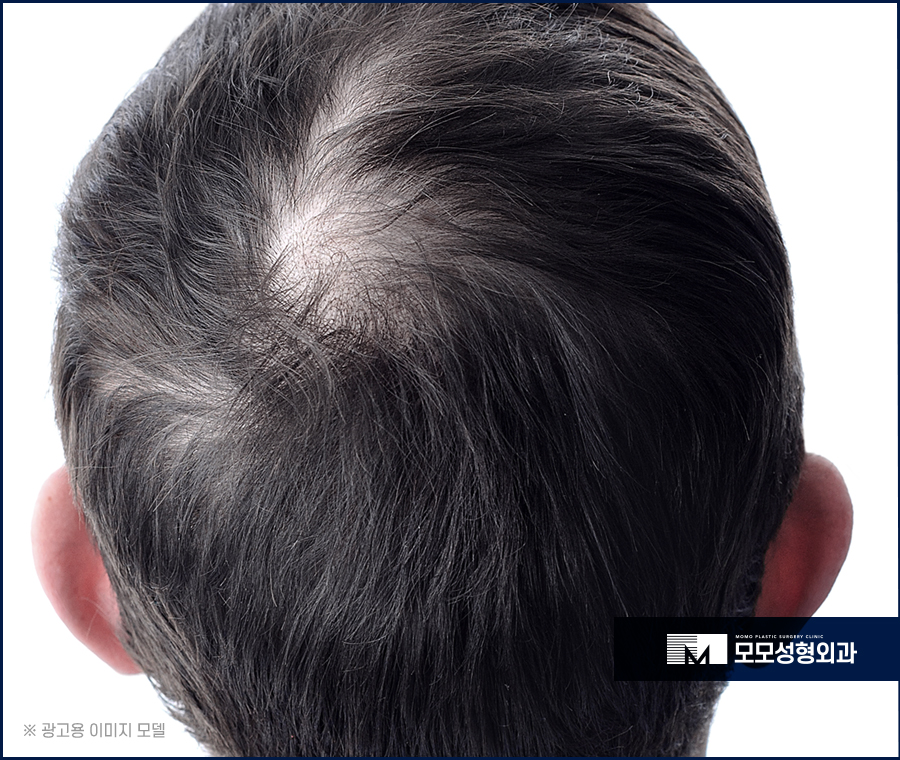
As the number of people experiencing hair loss has recently been increasing,
many try various methods seen on social media, the internet, or broadcasts
to improve the condition and hope for recovery. Since articles have said that
one-fifth of Korea’s population has symptoms, it is a disease that is commonly
seen around us, so people use functional products or take hair loss medication,
and if there is no improvement, they also look into non-shaven hair transplants.
First, medications can be divided into oral medications and topical products
applied to the skin. In the case of oral use, there are representative drugs in the
finasteride and dutasteride categories. The products include Propecia and
Avodart, respectively, and dutasteride can be said to have stronger effects,
while finasteride is often classified as the level most people take.
The difference between the two depends on how much of the ingredient is
contained, and in general, people first take products with standard effects and,
if there is no improvement, move on to stronger medication. However, rather
than patients deciding this on their own, medical staff observe the progress and
judge it through prescriptions, so please do not change anything on your own.
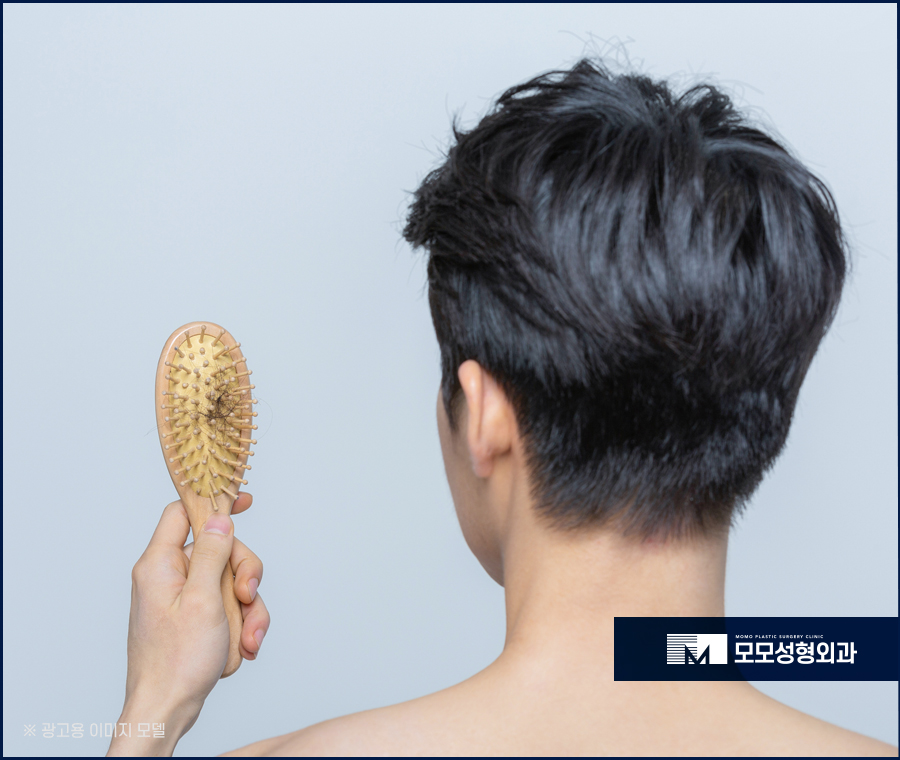
Neither of the two can be considered completely free from side effects, and the
stronger the effect, the greater the possibility that problems may arise. Next is a
topical product, and a representative one is minoxidil. Although it is a topical
form, it is ultimately still a medication, so it is better to use it through a
prescription from the doctor in charge. If you recognize that hair loss symptoms
have appeared, rather than relying on functional products or folk remedies, it may
be better to visit a medical institution for a diagnosis and receive appropriate
measures.
If recovery does not happen even with these methods, improvement may also be
expected through a process of transplanting natural hair, such as a non-shaven
hair transplant. However, it is still surgery, and since it also requires a
considerable amount of cost, it is important to think carefully in advance and
make a choice.
As the word suggests, a hair transplant is a procedure that moves and implants
hair. It refers to the process of collecting healthy follicles from the back of the
head and transplanting them to the desired area. At this point, it is divided into
two methods: whether the scalp is incised to collect the follicles, or whether the
follicles are extracted one by one and implanted without cutting the skin. Depending
on the patient’s condition and the surgeon’s judgment, the two methods may also
be combined.
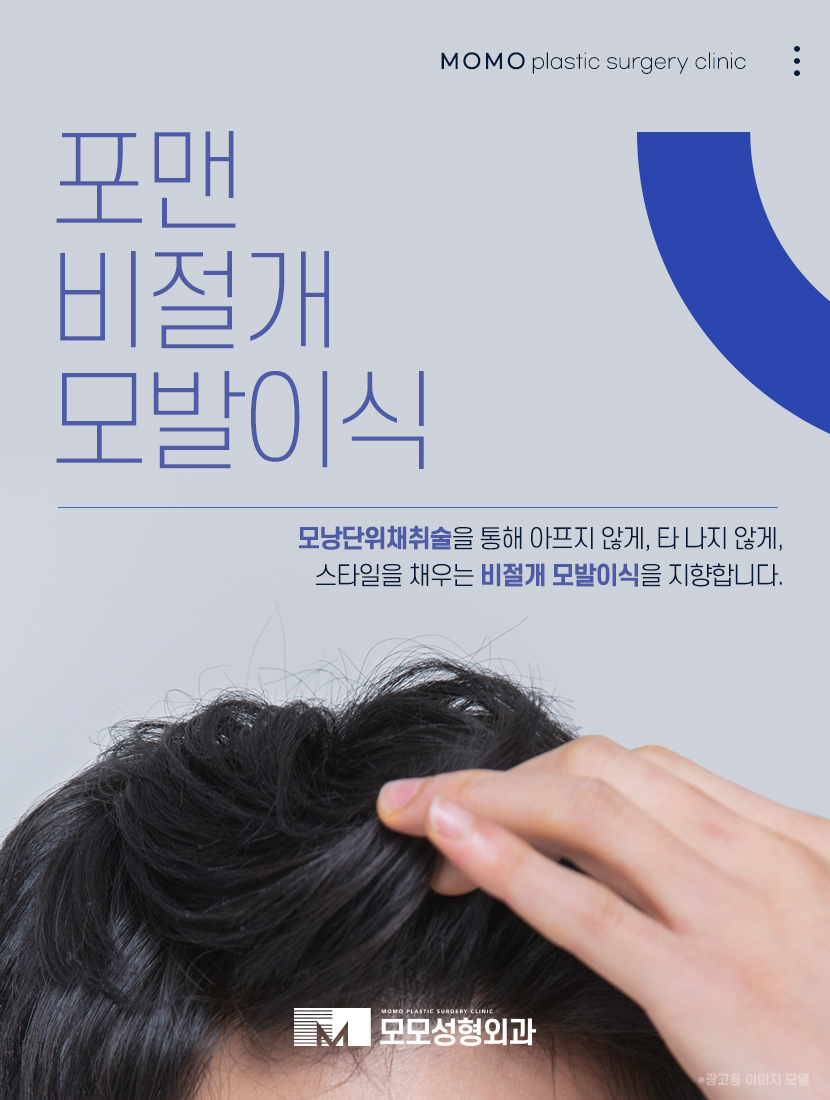
Compared by price, the non-cutting method is more expensive because the procedure
takes longer and costs more since the follicles are obtained one by one. It also has
advantages: quicker return to daily life, scars are less visible, and there is less
bleeding and pain. Even with the same method, clinics differ in whether they cut the
hair, perform a cut, or do a non-shaven hair transplant.
You may be wondering what the scalp-incision method is like. Since it involves
cutting, scars, bleeding, and pain are unavoidable. That does not mean the previous
technique is inferior, and it also has its own advantages and characteristics. First,
the cases in which it is necessary are those where a large number of grafts need to
be implanted stably, when hair density in the back of the head is low, or when hair
loss is progressing faster than expected; it is decided only through a thorough
diagnosis by medical staff.
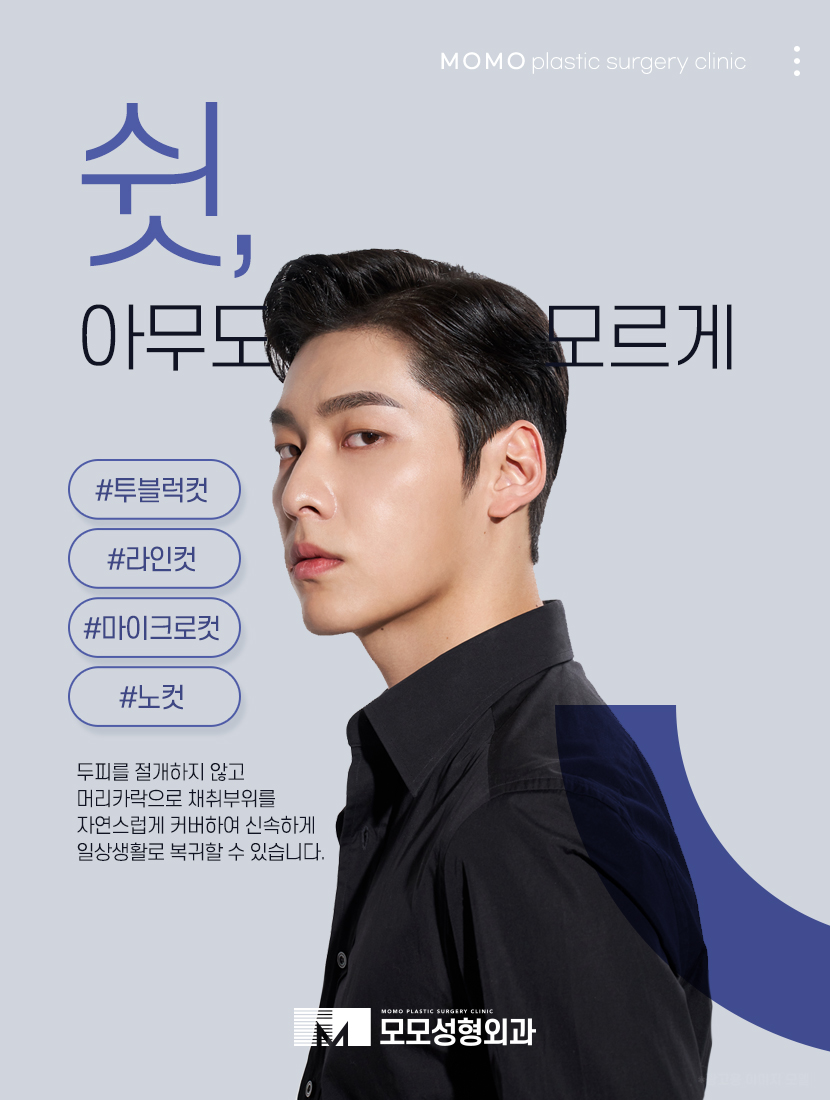
In addition, the double-lock suturing method is used to minimize marks and bleeding,
and by suturing down to the subcutaneous tissue, it helps prevent scars from
widening and is expected to reduce pain caused by pulling.
Also, when connecting the incision line, the tissue in that area is kept alive,
allowing natural hair to grow there and cover the mark. Its advantages include a
shorter operation time, reduced cost, and the option of a non-shaven hair transplant.
It minimizes tissue damage and helps with stable graft survival.
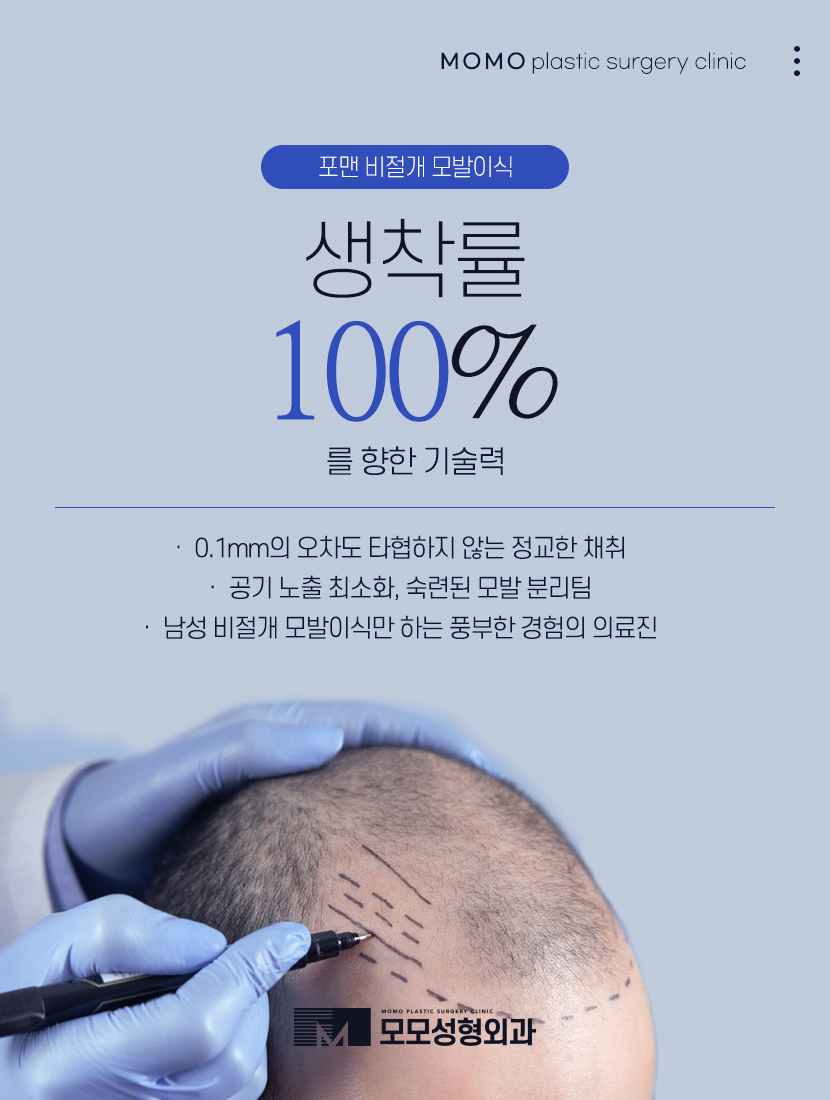
Some people say that the incisional method has a higher graft survival rate. That
may have been true in the past, but with the advancement of medical technology,
the difference between the two methods is now almost negligible. Since each has its
own characteristics and advantages, it is better to visit a related medical center and
make a decision after sufficient examination and diagnosis.
1 DAY Non-Shaven No-Cut
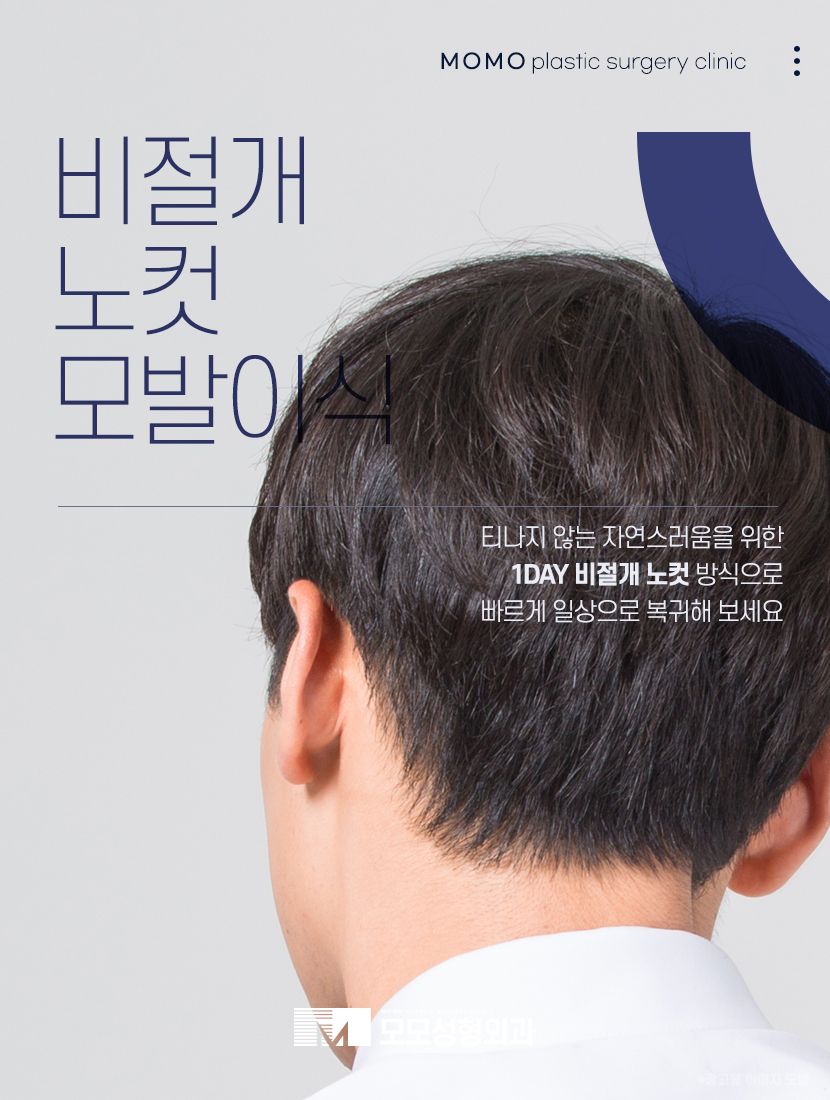
What emerged to meet the needs of people who are too busy to make much time is the
One-Day Non-Shaven No-Cut method. Without changing the existing hairstyle, only the
tissue needed from the permanent area is collected using a circular tool called a
punch with an inner diameter of 0.8–1.2 mm.
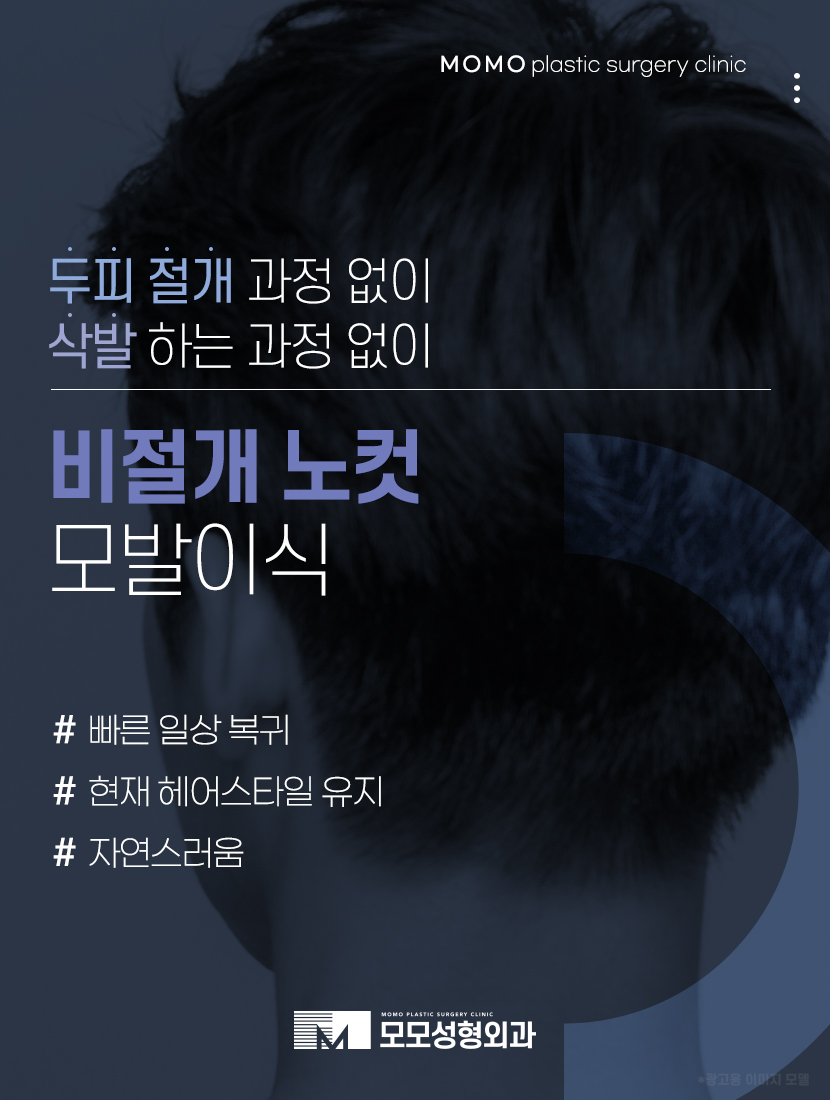
As the name suggests, because no cutting is performed, when the hair is let down,
it does not show on the outside, allowing the procedure to remain unnoticeable and
supporting quick recovery. This is why it can be called a non-shaven hair transplant
that enables an early return to daily life.
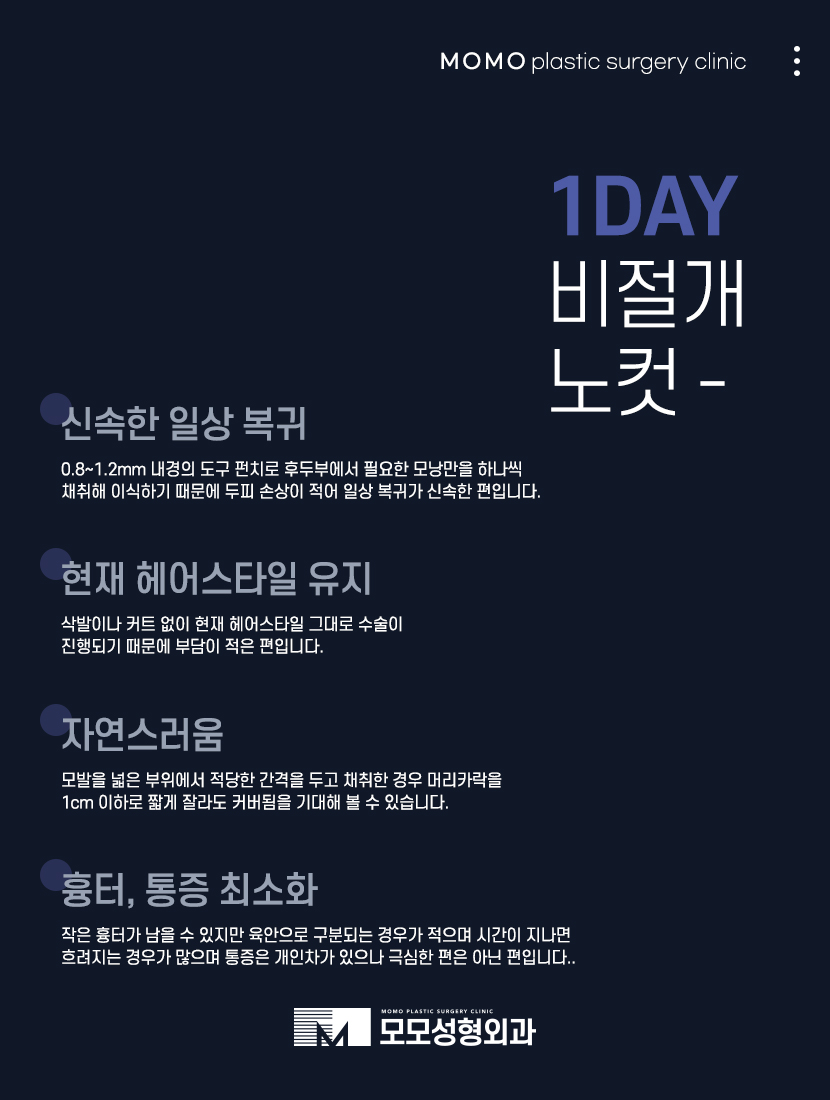
Because selective harvesting is performed, healthy follicles can be chosen and
collected, and since no incision is made, it is also a method that greatly helps
reduce damage to the scalp. Since the procedure can be done without changing the
current hairstyle, it may be suitable for those who feel burdened by cutting their
hair or who want a natural look.
Because the hair is collected at appropriate intervals, even if the hair is cut to
less than 1 cm, the scar is not very noticeable. For this reason, it has recently
been drawing attention among busy office workers, people in jobs that involve a lot
of face-to-face interaction, and hair loss patients who feel a heavy burden about
undergoing the procedure, and demand is increasing accordingly.
As for pain, after a non-shaven hair transplant, when you return home and the
anesthesia wears off, you may feel a bit of pain. The medical institution prescribes
painkillers to help control the level of discomfort. In general, for 2 to 3 days,
there may be some stinging or pain when washing your hair or lying down, but since
it is mild, it often does not interfere with sleep, and it gradually decreases over
time.
Even if the procedure is completed successfully, a period is needed for the grafts to
stabilize. If care is not taken properly during that time, the hair may fall out
again, so it is important to pay attention until the period the doctor advises you to
be careful has passed. Examples include drinking alcohol, smoking, and strenuous
exercise. If you follow these instructions well, you may be able to expect the
desired outcome.