What causes stress-related hair loss?

Recently, the number of cases of people in their 20s and 30s experiencing a condition that causes hair loss has been increasing.
According to data from the National Health Insurance Service, the age group that accounted for the largest share of patients who received treatment at medical institutions last year was people in their 30s, and people in their 20s also accounted for 20.6%. The proportion of women is also said to be increasing.
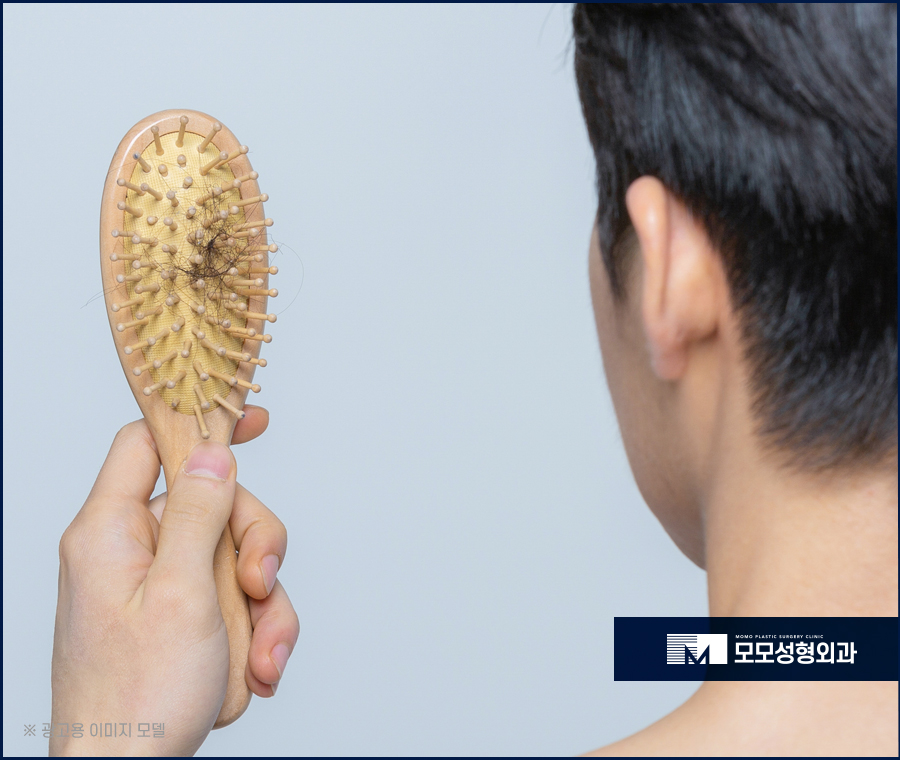
The commonly known cause is a congenital reason due to family history, and many people understand it as something that often occurs in middle-aged and older men. Let’s take a look at why it can also appear in younger age groups.
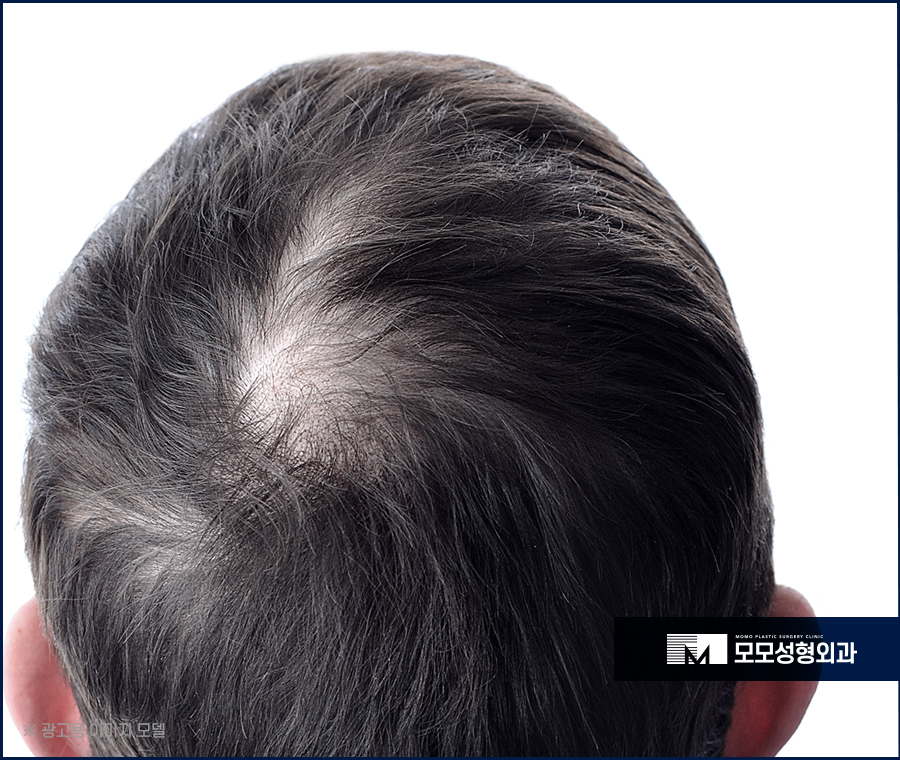
Office workers who spend every day racing against time and living busy lives, students who stay focused on studying from morning until night, and people in various occupations who lead hectic lives these days often go through difficult days. When you end up living while being overwhelmed by work or study, there are cases where you cannot even take proper rest. As this continues, the body gradually becomes exhausted and stress builds up, and this, which has even earned the nickname of the root of all diseases, can also affect stress-related hair loss, a symptom of hair falling out.
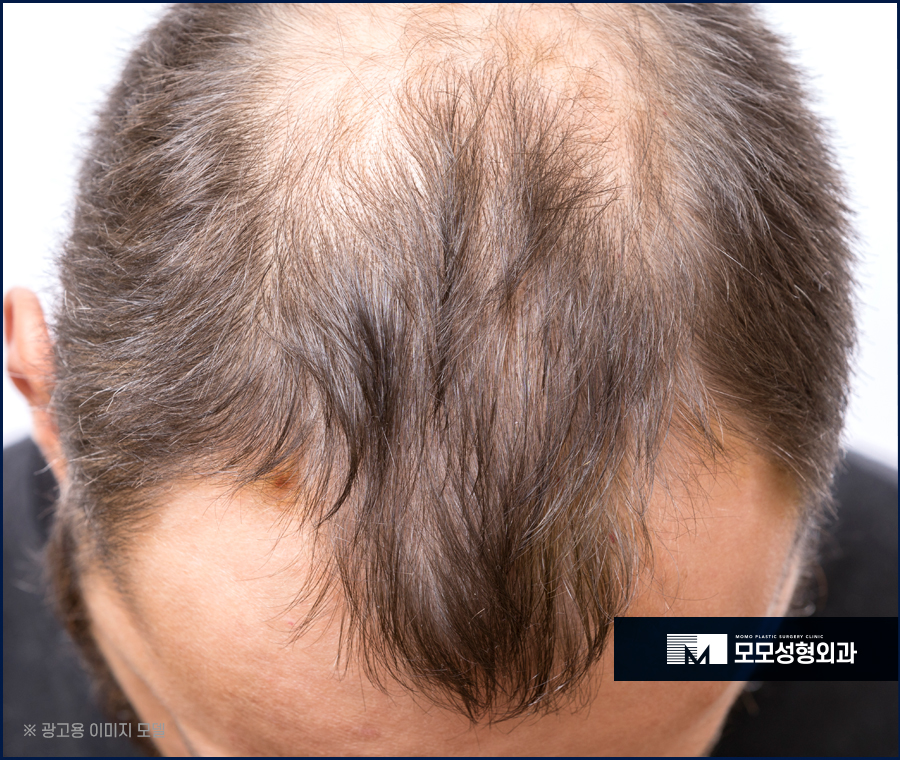
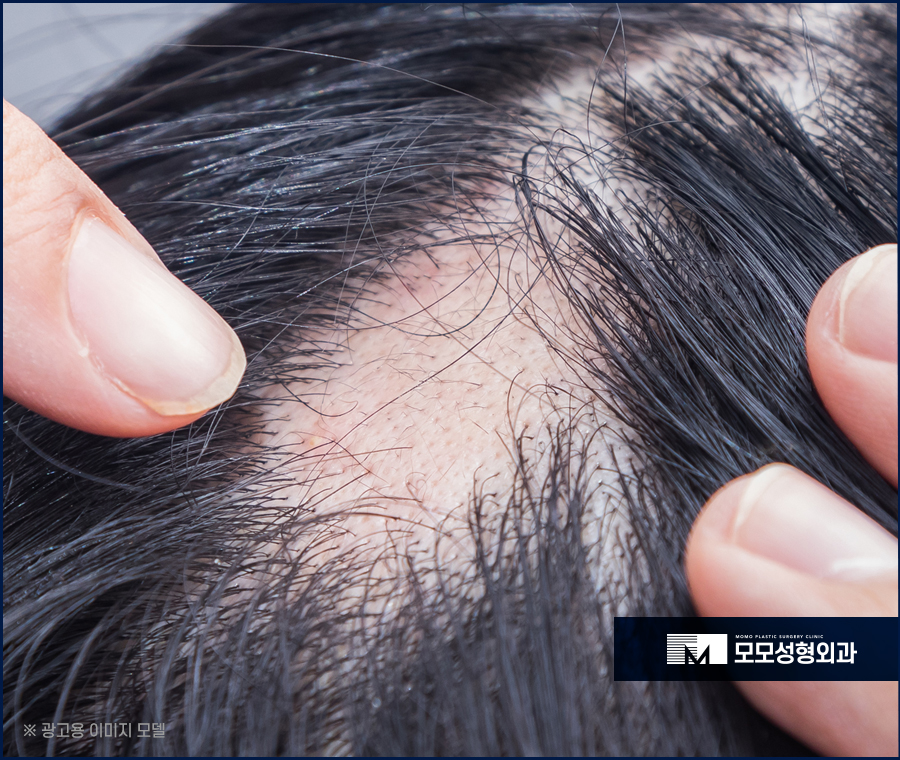
Let’s look at what kind of pattern stress-related hair loss, caused by psychological emotions, tends to take. It usually appears in a circular form, with sudden loss of natural hair in a coin-sized area on the crown of the head.
If this symptom appears, it may have occurred for psychological reasons, so if you find emotional stability and resolve the underlying problem, you may experience natural recovery.
That said, even if a circular patch appears, it is difficult to conclude unconditionally that the cause is emotional. This is because, up to now, the academic community has regarded it as an autoimmune disease caused by a disruption of the immune system. So if a problem occurs, rather than judging it on your own, it may be better to visit a medical institution for detailed consultation and diagnosis.
Stress-related hair loss does not appear suddenly and all at once like conditions caused by other reasons; rather, it has the characteristic of progressing slowly. The thickness of the natural hair gradually becomes thinner, and more hair than usual falls out, leaving the skin exposed in a circular patch. Usually, this is a temporary shedding case, but when stress is present, the blood flow and nutrients reaching the hair follicles decrease, and the speed at which the roots of the hair grow becomes gradually slower.
As a result, newly growing natural hair inevitably becomes thinner than before, and if this process is repeated, it can gradually worsen. So if your hair feels thinner than before when you touch it and more of it seems to be falling out, you need to suspect whether the symptom is occurring. If you think it is just shedding more because of the changing seasons, or assume it is growing more as a result, and leave it untreated, the treatment period and cost when you visit a medical institution may become greater than before.
To prevent this condition, first of all, it is important to manage psychological anxiety or feelings of threat that arise in everyday life or social activities. If you work at a company or study, it is impossible not to encounter such emotional issues, but it is good to find your own method and, if you have a good approach that suits you, relieve stress through that method.
Ways to improve stress-related hair loss include intense exercise that makes you sweat, eating foods you like, or relieving stress through hobbies. The shampoo you use when washing your hair can also be important, and using a product that does not suit your scalp type well may cause problems for the skin. Just as you first identify your skin type when choosing cosmetics for facial care and then select suitable products, it is recommended that you also consider appropriate items when purchasing shampoo.
It is also good to consider changes in eating habits when recovering from stress-related hair loss. Foods that contain a lot of fat are not good for natural hair or the skin, so it is best to avoid fried foods or fatty meats. It is also important to consume very salty, sweet, and spicy刺激ing foods only in moderation.
On the other hand, foods such as seaweed, fruit, nuts, blue-backed fish, and seaweed provide good benefits for scalp health, so please consume them often.
As mentioned earlier, not every circular-type hair loss is caused by stress-related hair loss. So if you notice something unusual, rather than worrying about how to restore it using a certain method, it is better to quickly visit a medical institution and, based on detailed consultation and diagnosis, find out together with the medical staff whether it was caused by psychological reasons or by another cause. Then, receiving treatment through the appropriate procedure should help you achieve the hairstyle you want.