If you feel that the number of hairs falling out has been increasing since some point,
and you can see that your hair volume is gradually becoming thinner,
many people try to consume foods that help prevent or improve hair loss,
or use functional products, hoping for recovery.
These measures are usually effective only in the early stages, so if the condition has progressed to some extent,
it may be effective to visit a medical institution and use the methods obtained through consultation.
If even that becomes difficult to respond to because the condition has worsened,
considering a procedure may also be one option.
This procedure is performed by obtaining tissue from the back of the head and transplanting it to the area that is lacking hair.
Because it can effectively restore a previous appearance, patient satisfaction is high.
However, to achieve the desired design, it is important to look into which hair transplant method to choose in detail
and consider various factors.
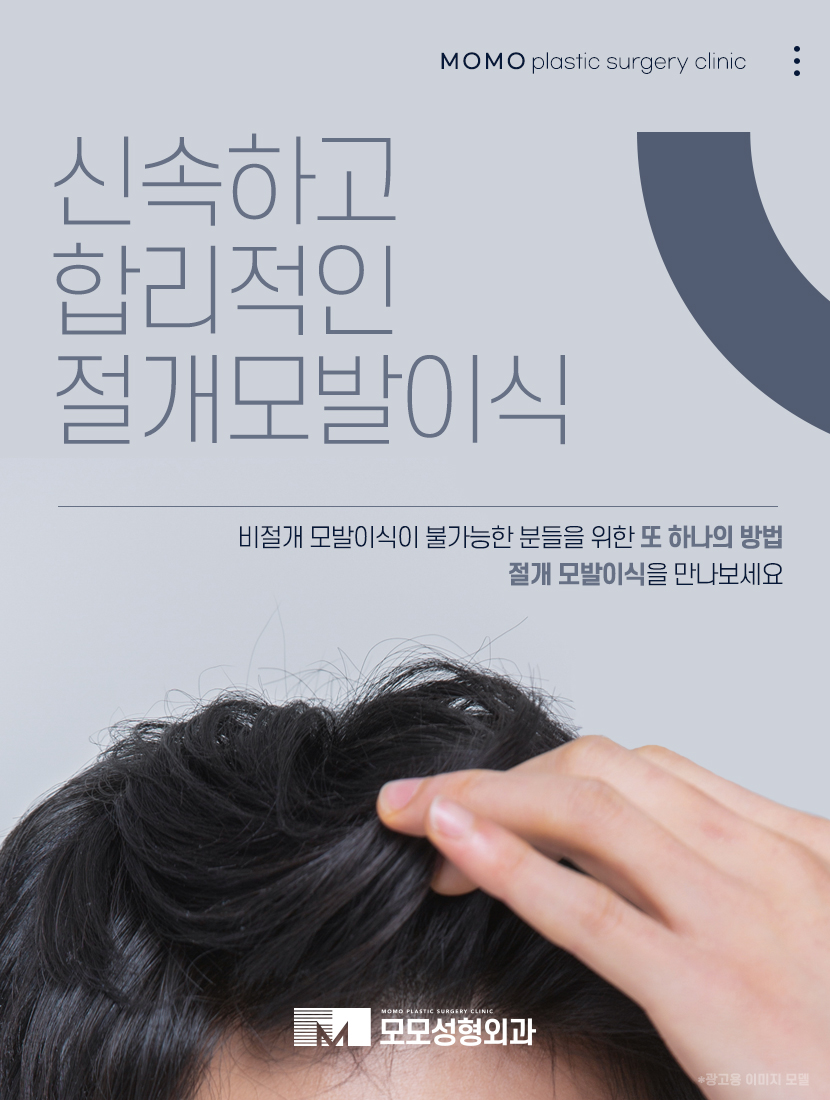
Hair transplant methods are usually divided into incision and non-incision methods.
In the former method, the procedure is performed by cutting and removing the necessary skin from the permanent area in the back of the head,
then obtaining tissue from that area and transplanting it.
It is often chosen by people who need to transplant a large amount of natural hair because the affected area is wide,
or by those who want to undergo surgery quickly.
Patients also decide to undergo the procedure when there is insufficient tissue in the permanent area,
when they want to receive it without cutting to maintain their hairstyle,
or when the cost is a burden.
However, because it is performed through a surgical process, even if it is stitched closed again,
you may feel a pulling pain in the skin, and some people worry about the prognosis because scars remain.
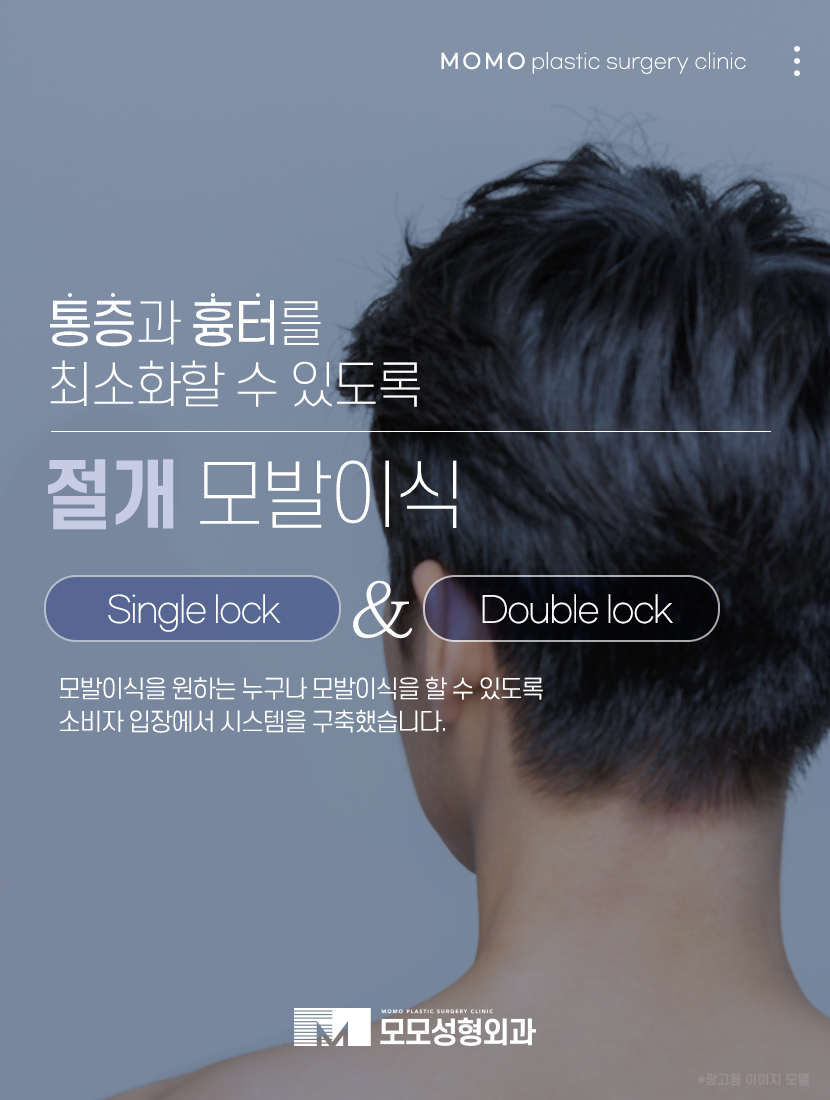
For that reason, the Double Lock suturing method can be used to reduce pain and tie the subcutaneous tissue as well,
which can help hair grow in that area and cover the trace.
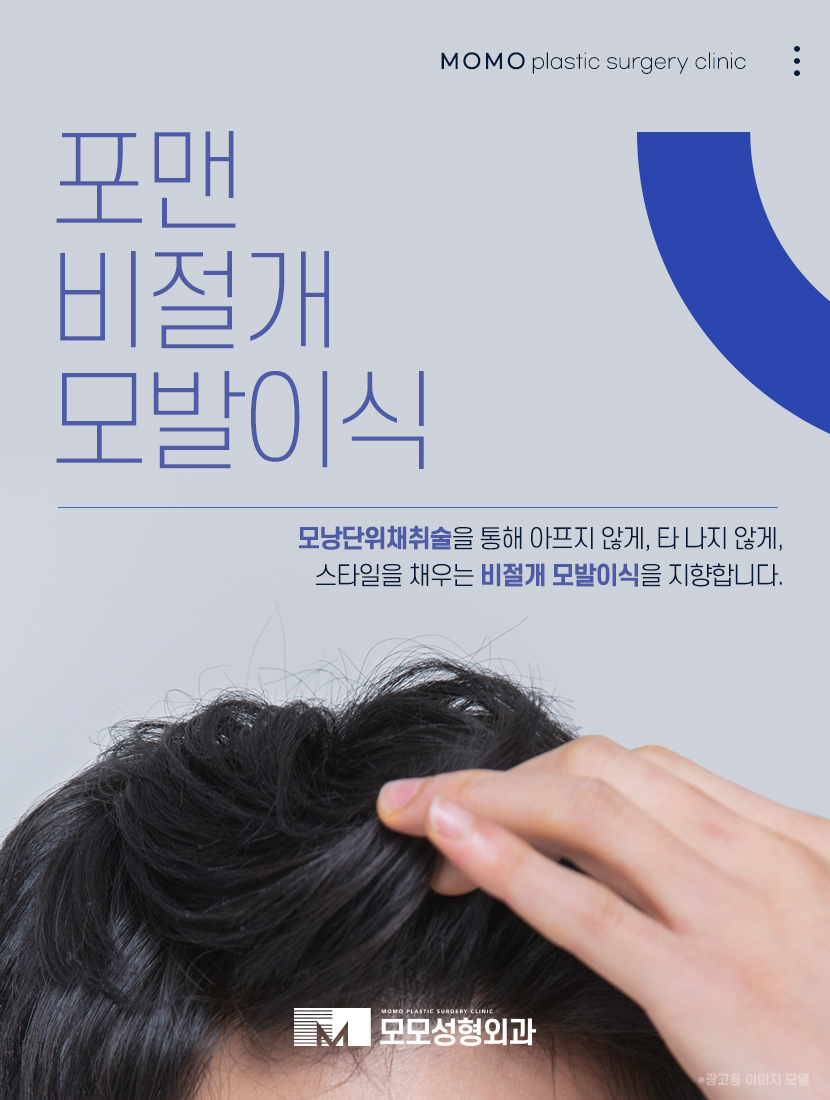
If the former hair transplant method feels burdensome, there is also the option of the non-incision method.
Rather than removing skin, this method uses a device called a punch to extract follicular units one by one
and transplant them to another area.
Because tools with an inner diameter of 0.8 to 1.2 mm are used, there is little visible scarring,
and it can be said that traces or pain decrease within as little as 1 to 2 days, and generally within one week.

As mentioned above, the previous technique is said to be performed without cutting,
but that does not mean the method requires shaving the head.
To make it look natural, cutting is performed.
There is a method of shaving the lower back of the head and cutting it in a two-block style,
there is a method of shaving in a line pattern at 1 cm intervals,
and there are also techniques such as taping one line at 1 to 2 mm intervals, making micro-cuts with scissors, and then extracting it,
so that it can be covered without being noticeable.
Because the two methods are different, you may think the graft survival rate will also differ,
and may feel resistant to the medical team’s recommendation.
However, only the process of obtaining tissue is different, and there is no special difference in graft survival rate.
The differences are in factors such as whether cutting is needed, whether there is pain,
cost, and the time required for recovery.
Rather than deciding on your own, it is important to consult with the doctor in charge,
listen carefully to the explanation, and then choose the hair transplant method carefully.
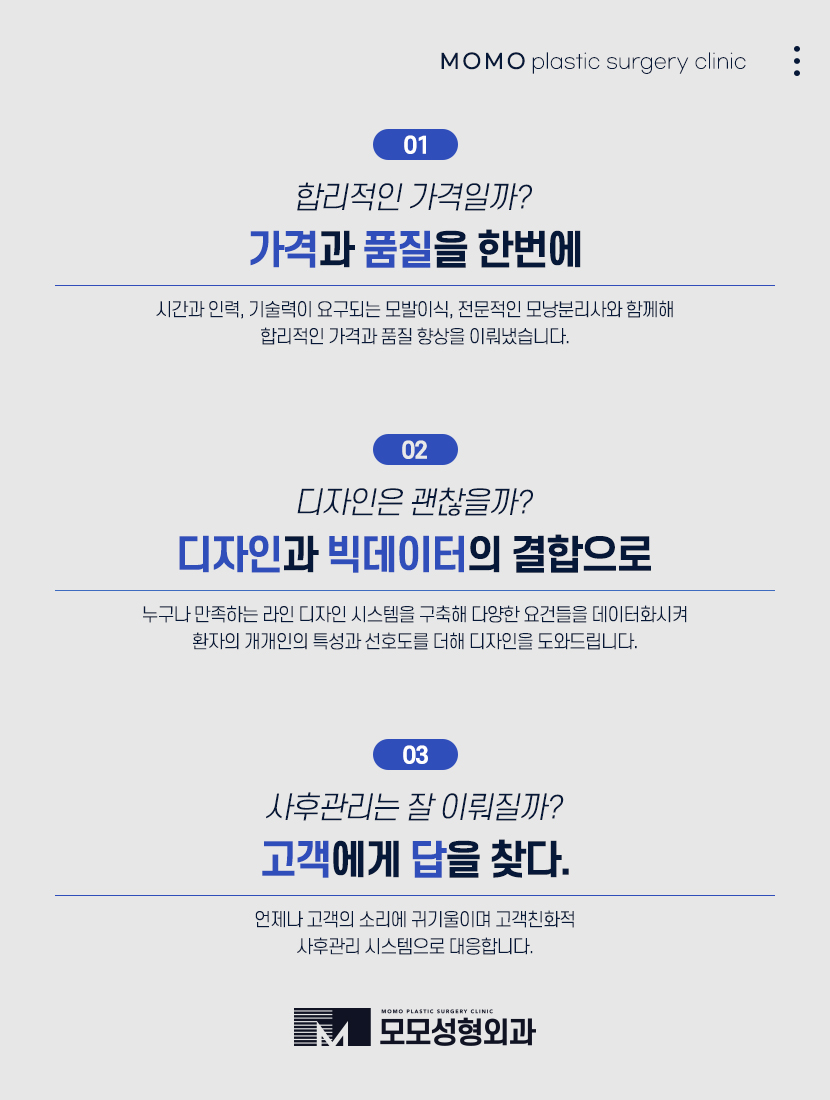
The most important thing is that if a problem occurs during the procedure, a repeat procedure becomes more difficult,
and the cost also becomes more burdensome.
Therefore, it is necessary to check whether there is a medical team with excellent experience and skill,
consider it sufficiently, and then visit the relevant institution.

Until recently, when the hair transplant method used the non-incision approach,
one problem was that the treatment time was long.
However, as medical technology has advanced, one-day non-incision no-cut procedures are also possible.
Because there is almost no trace left, damage to the scalp is minimized, and there is less pain,
it is possible to return to daily life quickly.
In addition, because the surgery can be performed without separately cutting the hair,
you can expect a natural appearance without it being noticeable.
That does not mean there is absolutely no pain or scarring.
A punch mark of about 1 mm, that is, a small circular trace, may remain.
However, it is difficult to distinguish and is not easily visible to the naked eye,
and like most scars, it fades over time, so there is no need to worry too much.
As for pain, some discomfort may be felt as the anesthesia wears off,
but it can be controlled with the painkillers prescribed.
For about 2 to 3 days, there may be stinging when washing your hair or when lying down to go to sleep,
but it is not at a level that causes major problems, so please keep that in mind.

The procedure itself is not the only important part.
Whether graft survival is properly achieved afterward also requires post-procedure care.
By removing waste, follicle mites, and dead skin cells present on the scalp,
inflammation is reduced, and the transplanted area is carefully checked for any other abnormalities.
A dedicated personal care team provides customized care so that even a single hair can grow well.
If, as time passes, you feel dissatisfied with the design, it may also be helpful to check whether there is a guarantee program that provides retouching,
which I think will help you achieve the result you want.

The hair transplant method is important, but since the prognosis can also differ depending on where and by whom the procedure is performed,
please consider carefully and then visit the clinic.