The autumn when the maple leaves turned beautifully has passed,
and winter, with temperatures hovering below freezing, has already arrived.
If we compare life to the seasons,
spring, when sprouts begin to grow, is similar to childhood,
and the bright summer days are like youth,
while the autumn days when we look at falling leaves and feel loneliness
can perhaps be compared to middle age.
And the winter days, when only bleak bare branches remain,
may be likened to old age.
Depending on how we spend menopause, which is like the change of seasons somewhere
between middle age and old age, the springtime of life may return,
or the cold winter days may continue.
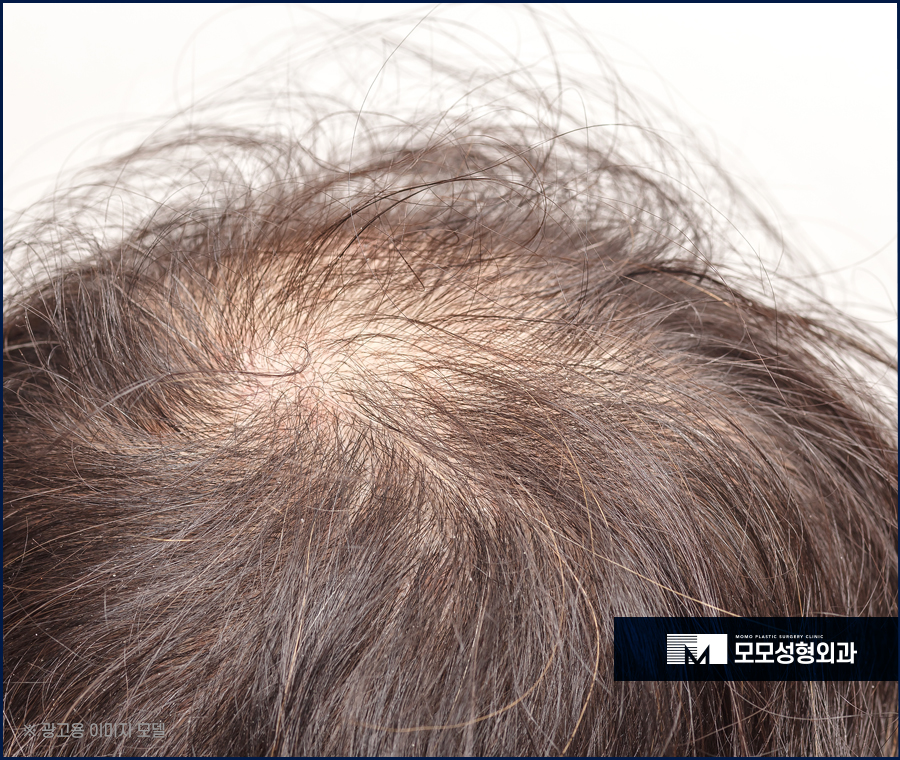
Menopausal hair loss, which appears at the stage when aging begins in earnest as we move from maturity into old age, is often simply regarded as a bodily change caused by getting older. However, it is important to keep in mind that it is classified as an official disease code: N50.80 for men and N95.1 for women.
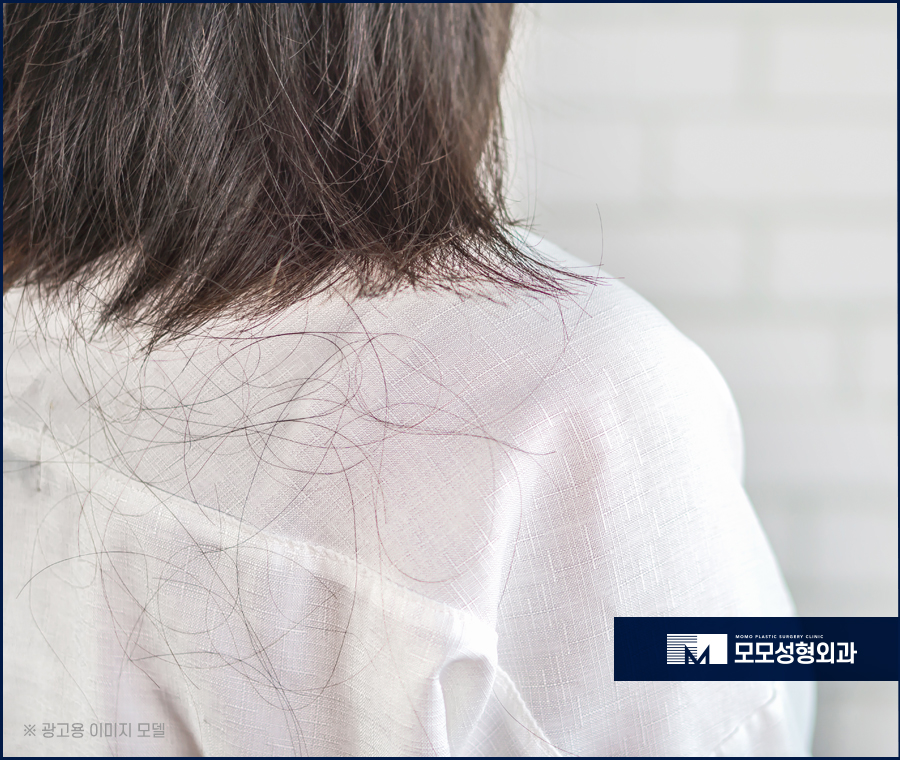
In women, it is known that a sharp drop in estrogen secretion causes hormonal imbalance, leading to symptoms such as menopausal hair loss and menopause.
Although estrogen is not a hormone involved only in the reproductive organs, many people tend to focus on its role in menstruation and the uterus, and often overlook the fact that it also affects the musculoskeletal system and cardiovascular system, which are among its most important functions. Experts also say that if appropriate hormone therapy is combined during this period, it can greatly help overall metabolic activity and women’s health later on.
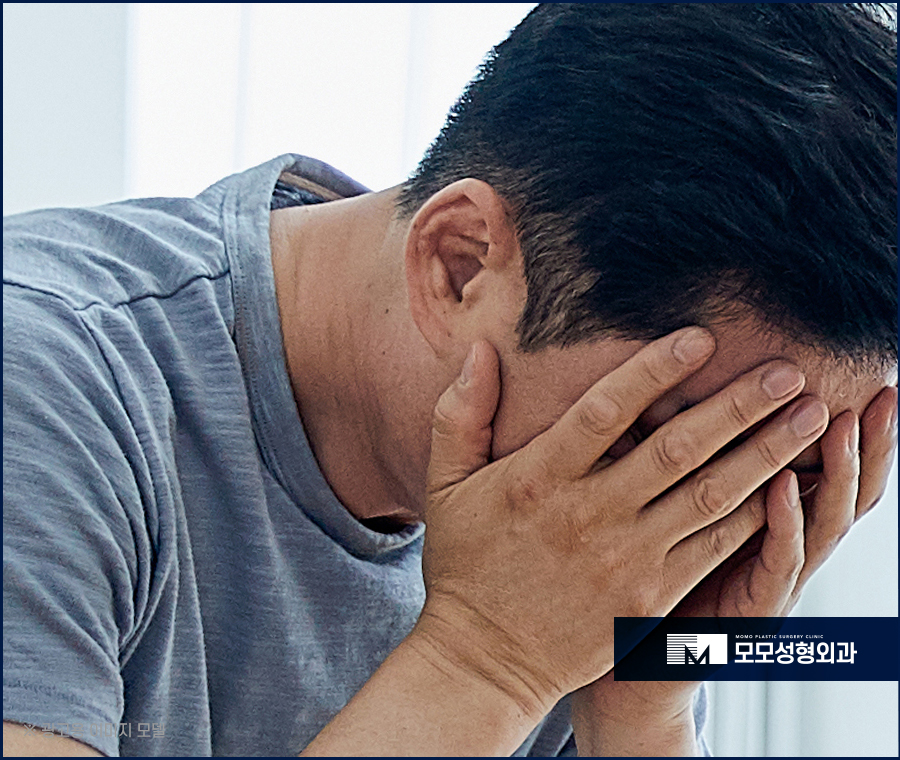
The same applies to men: as aging progresses, testosterone secretion drops sharply, and if the resulting imbalance is corrected through treatment, it is known that symptoms such as sexual dysfunction, depression, and urinary disorders that may be triggered by this can be prevented, leading to a better prognosis.
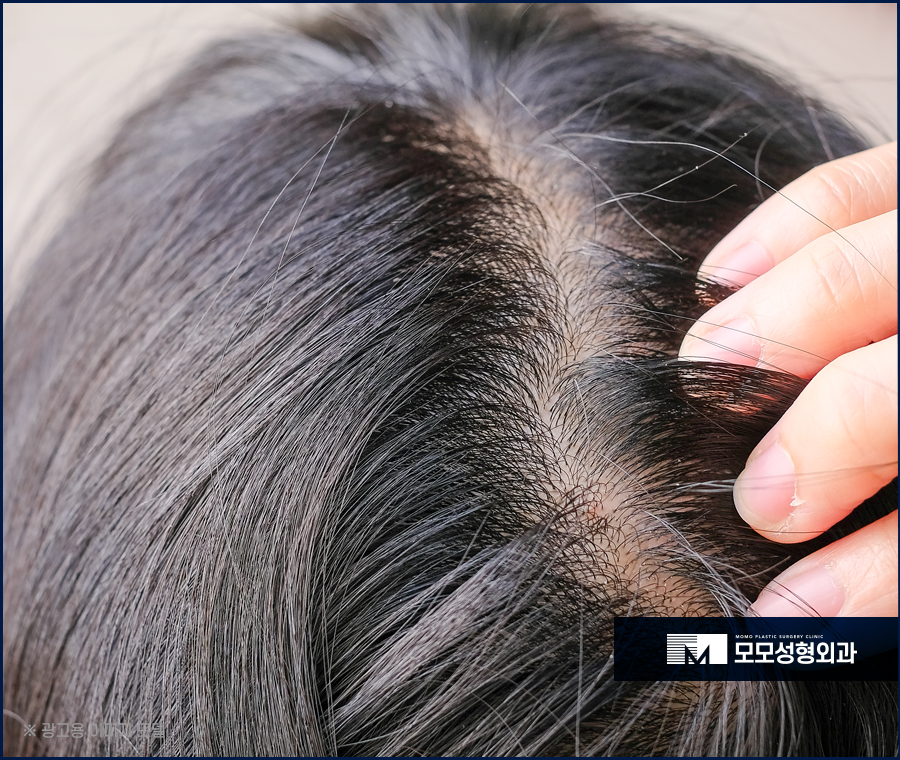
However, in modern society, where appearance is competitiveness, menopausal hair loss, which causes a major aesthetic setback, can only bring great feelings of loss and depression to anyone.
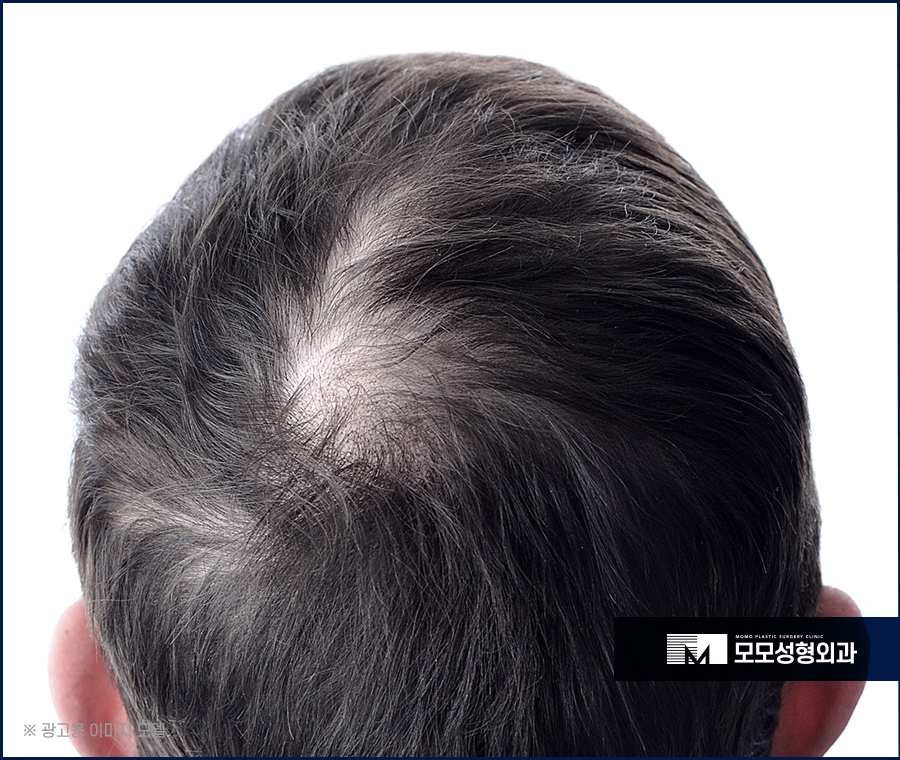
For women, a characteristic pattern is that the front hairline is maintained, but as the hair around the parting becomes thinner and loses elasticity, the part gradually becomes wider and more pronounced.
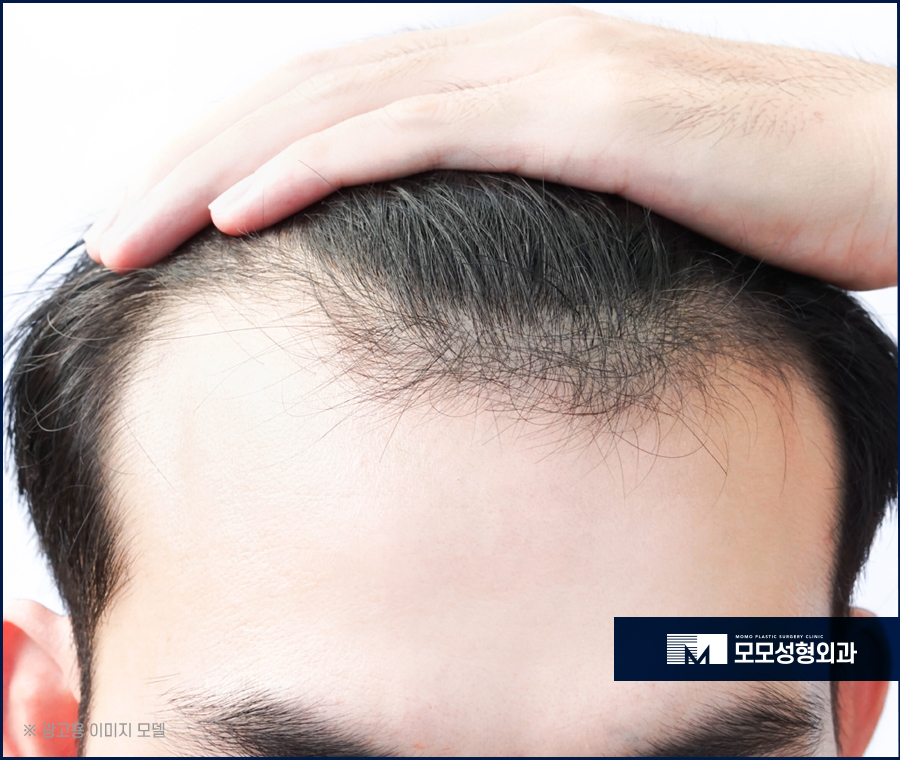
In men, two typical patterns can be cited: the M-shaped frontal hairline gradually recedes, and the hair on the crown becomes thinner, or the area on the crown gradually expands into an O-shaped pattern.
Recently, as medical technology continues to advance, there has been an increase in cases of resolving the root cause and improving symptoms through hair transplantation. Menopausal hair loss, which causes deep concern regardless of gender, is often left untreated and has already progressed significantly by the time people seek help, so many cases require a large-volume hair transplant even when they receive surgical treatment.
In addition, because this type of menopausal hair loss, which affects a wide overall area, is not only difficult to perform but also has a limited number of occipital follicles that can be used, it is considered necessary to receive a diagnosis from a medical team with abundant expertise and experience.
Of course, accurate treatment is important, but for the patient’s sake, it seems advantageous to receive help from a physician with excellent technical skill who can collect the minimum number of follicles while preserving as much hair as possible.
One more thing to keep in mind here is that, while receiving this medical support, you should also maintain proper lifestyle habits to minimize hormonal imbalance.
Reducing stress as much as possible and getting enough sleep to rest are known to be the best habits. In addition to making an effort to go to bed before midnight and wake up early, it is also necessary to keep the body’s rhythm from being disrupted through regular exercise.
You should also manage your diet well so that nutrients can be supplied smoothly to both the scalp and the hair by eating a balanced variety of nutrient-rich foods.
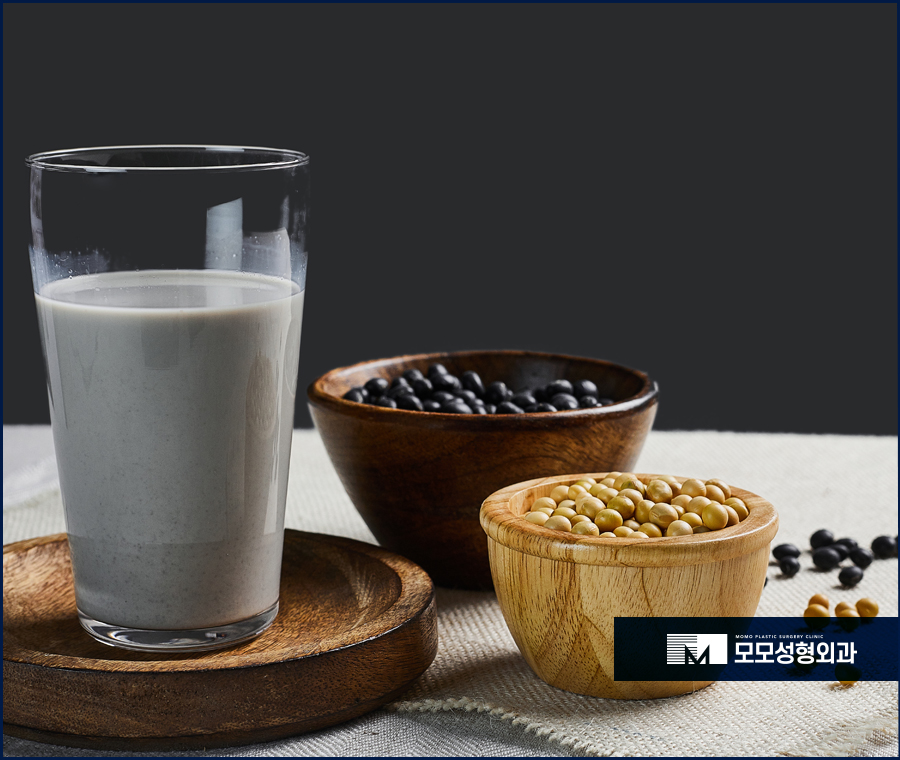
Rather than spicy and greasy foods, it is important to remember that frequently eating foods such as black beans, black sesame seeds, and kelp can be very helpful for hair health.
When preparing a balanced diet every day feels overwhelming, supplements can be used to make up for any lacking nutrients.
Omega-3 helps protect the structure of the hair, vitamin B helps with hair growth, and biotin may cause skin problems and hair loss when deficient, so keep this in mind and make sure to replenish any lacking nutrients.
Many people regard menopausal hair loss as a sign of the beginning of old age, but its original meaning is said to be a time for living a new life.
I sincerely hope that many readers of this article will not forget the essence and will fully enjoy a new life as intended.
In addition, I hope that 2023 will be a healthy year in which you achieve everything you set out to do.
Happy New Year, and I hope you have a good day and an enjoyable afternoon today.