
The white hairs that appear in younger people are called gray hairs.
When these bright white strands push through among natural black hair,
they are not aesthetically pleasing, so they can become a source of stress
without you even realizing it. People try pulling them out or covering
them with color, but before long they stand out again. In recent years,
this has been happening frequently even among people in their teens and
those in their 20s and 30s, so no one may be completely free from
worrying about how often to dye gray hair.
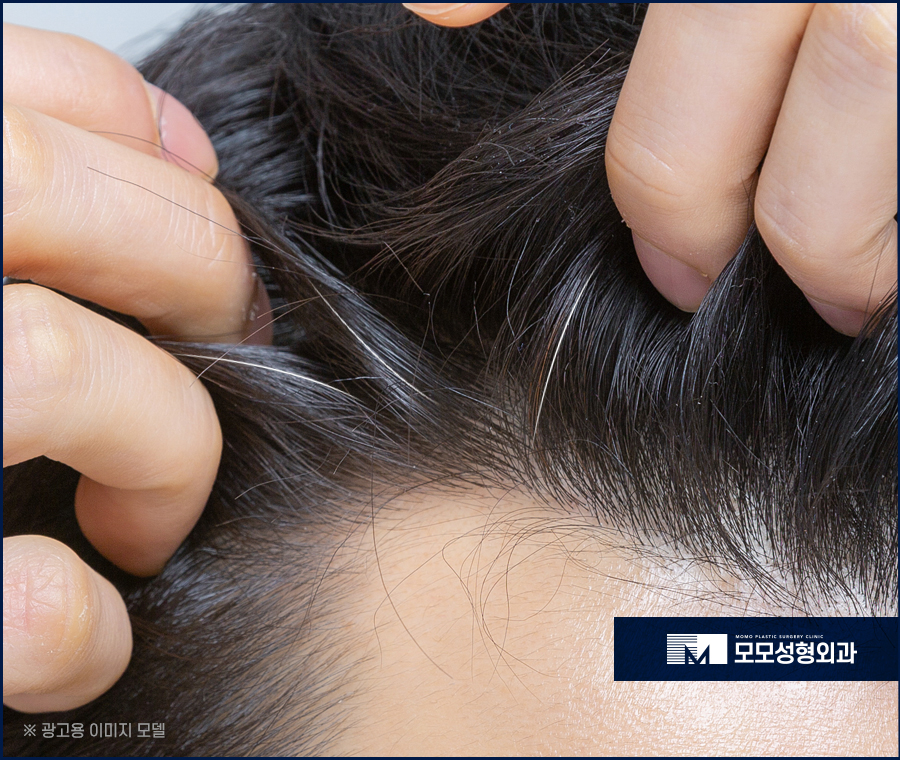
This is only a common term; medically, it is synonymous with white hair.
Even if it is not necessarily due to aging, there are many causes of hair
loss or changes in hair color, but in general it is said to be a normal
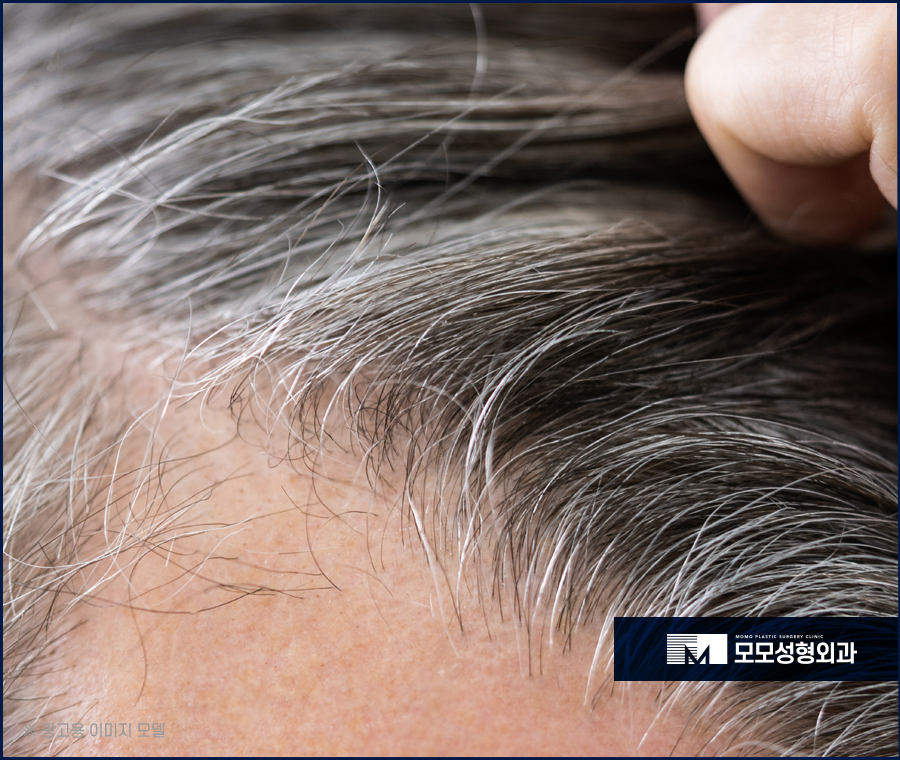
sign of hair deterioration that appears with age. Melanocytes in the hair
follicles, the pockets where hair grows, determine the color.
Because these cells synthesize melanin pigment, the more melanin there
is, the deeper the color becomes. As we age, the number of cells that
synthesize melanin decreases and their function declines, so the hair
comes in white rather than black.
Because increasing white hairs are not pleasing to the eye and can make
you look older, people often respond with a simple cosmetic method. But
if you dye gray hair too frequently and at too short of an interval, it
can place considerable stress on the scalp. The chemicals used work on
the hair by taking advantage of the structure of the hair cuticle. Regular
products remove the existing hair color and apply the chosen shade, while
products for gray hair are formulated to neutralize first and then apply
a darker color right away.

Usually, when changing color in a typical way, two chemicals consisting of
ammonia and hydrogen peroxide are mixed and applied to the hair.
The difference between the two products lies in the amount of alkaline
agent contained in the formula.
For products for gray hair, the goal is to minimize differences in hair
color, brightness, and saturation and make the natural hair color as
even as possible, so they contain relatively less alkaline agent and are
formulated so that color can be applied immediately. This allows the dark
shade to last longer. The effect of colored hair generally lasts from as
short as 2 weeks to as long as about 4 weeks, and since natural hair
grows about 1 cm per month, we recommend doing it at least once every
2 to 3 months as the most suitable interval for the health of the scalp.
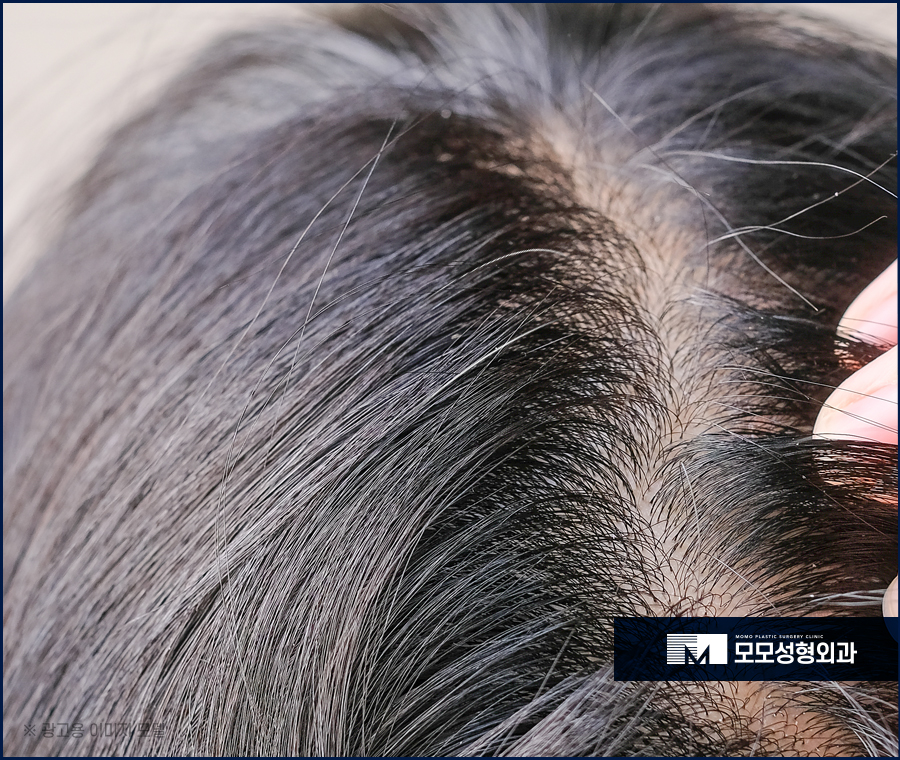
When covering only part of the hair or coloring only the newly grown
areas, it may be appropriate to set the interval for dyeing gray hair at
about 5 weeks. However, using chemicals can shorten the interval compared
with a general method, and the number of times you need to do it may
increase. So it can be important to keep the process to a short period,
about 15 minutes, to minimize stress on the scalp.
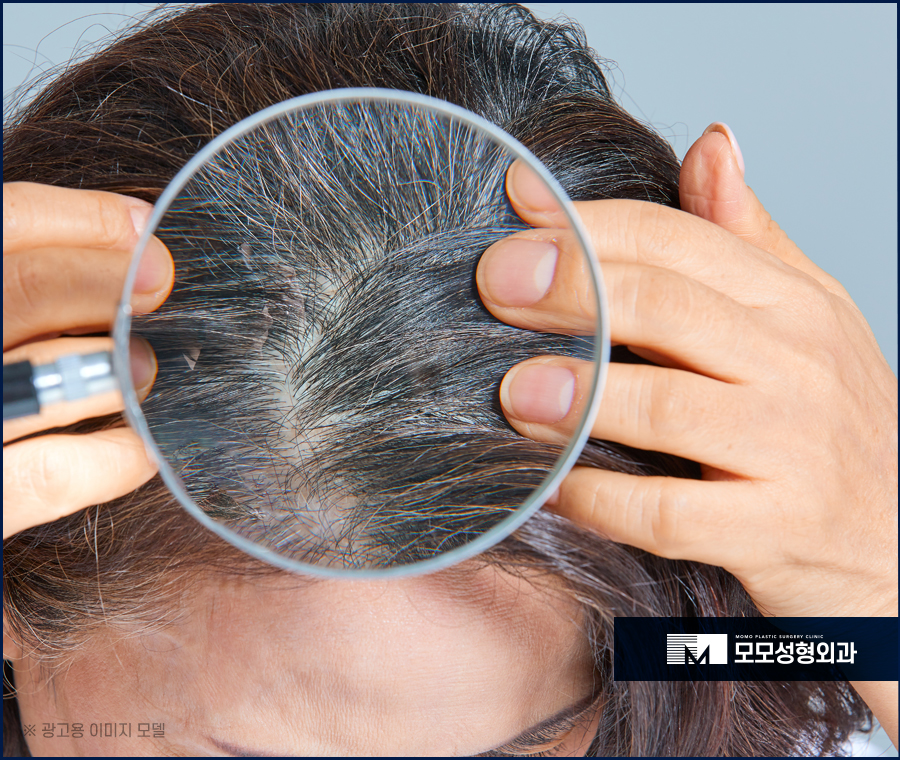
Most products sold on the market are said to be harmless to the skin, but
PPD (Para Phenylene Diamine) is one of the representative ingredients
that can cause allergies and may sometimes trigger allergic dermatitis on
the scalp, face, or neck. Because it can cause itching or inflammation if
it touches the skin, we recommend applying a small amount behind the
ear or on the inside of the elbow before treatment, then observing for
more than 48 hours to see whether any symptoms occur before using it.
After carrying out the above test, we recommend using it according to the
proper gray-hair dyeing cycle. If there is inflammation, wounds, or atopy
on the scalp, or if you are pregnant, it may have a negative effect on
the fetus, so it is better to avoid proceeding.
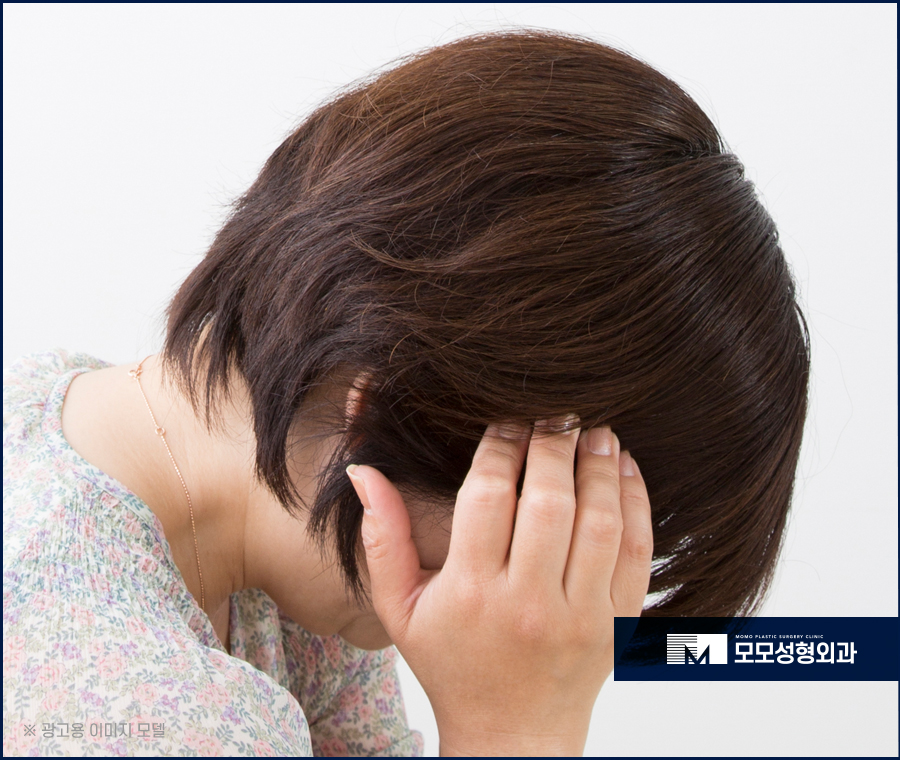
To provide nutrition to hair damaged by frequent gray-hair dyeing,
it is advisable to use care products every 2 to 3 days after the
procedure so that they can be well absorbed from the ends of the hair to
the scalp. After shampooing, be sure to use conditioner so that the hair
will not become brittle or damaged, and it is good to apply essence
regularly. It is also recommended to use an essence containing protein,
which continuously supplies moisture and helps regenerate the cuticle of
damaged natural hair.
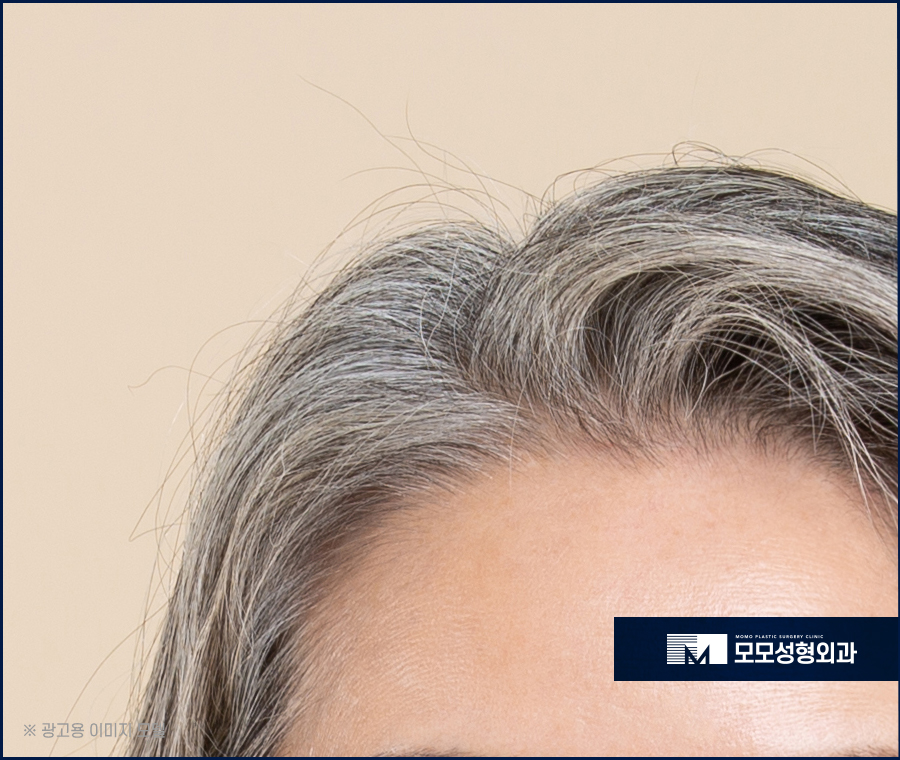
It is difficult to determine the exact reason for gray hair, so treatment
and prevention methods are not clearly established. However, hormonal
imbalances such as hypothyroidism can be a cause, and stress, fatigue,
high blood pressure, pernicious anemia, diabetes, kidney disease, and
family history can also have an effect. That said, if gray hair appears at
a very early age, there is also a possibility that it is related to a
specific disease, so it is recommended to see a doctor.

If you reduce stress in daily life, eat enough seaweed and vegetables,
and consistently massage the scalp to help smooth blood circulation in
the upper body, it may help supply nutrients to the hair and improve the
condition.
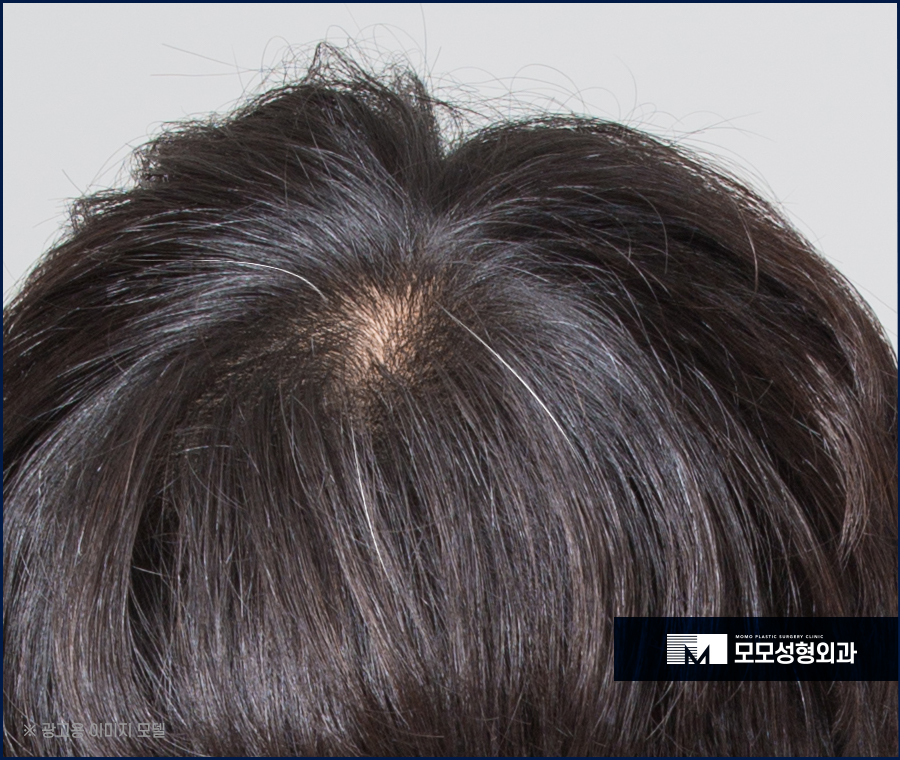
Many people are worried about gray hair and about how to set the right
interval for dyeing it, as well as whether it will cause even greater
stress. If you think it is difficult to decide on your own, or if your
natural hair condition is already poor due to frequent color changes, or
if the scalp has been heavily irritated to the point that many hairs are
falling out, getting examined at a medical institution that provides
focused care may also be a good alternative.