In winter, dry weather often causes itchy skin in many parts of the body. In particular, during periods like now, when low temperatures continue in the morning and evening, not only the skin but also the scalp around the head tends to become dry and sensitive. Especially when heating devices are used, the warm but dry air creates a big difference in temperature and humidity between outdoors and indoors, causing the capillaries in the scalp area to constrict. As a result, the supply of oxygen and nutrients to natural hair decreases, and over time this can even lead to weakened hair strength.
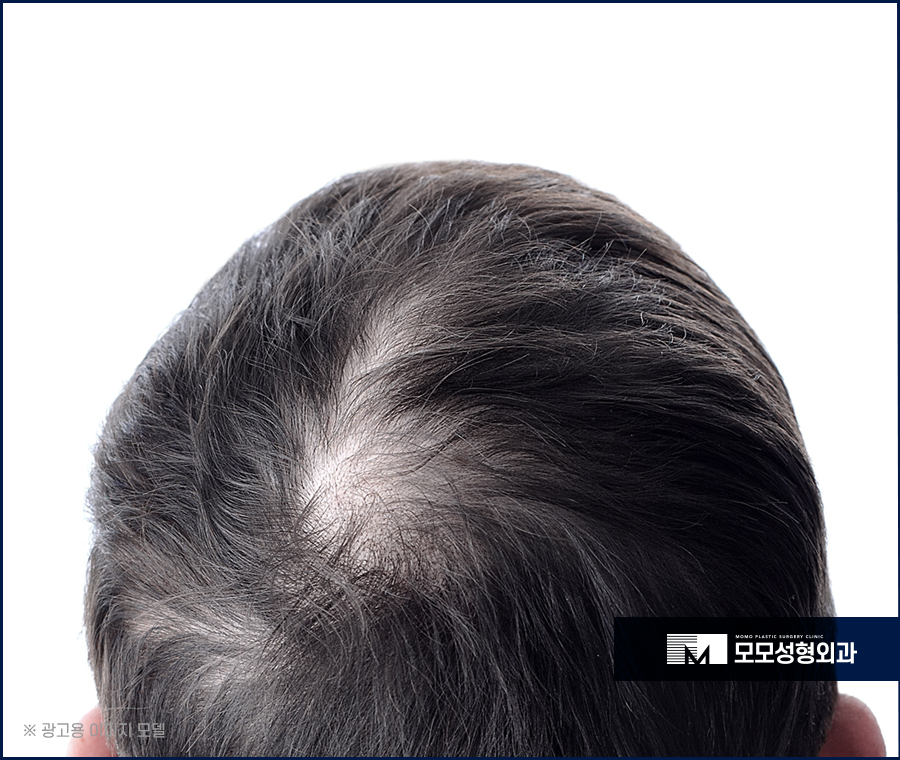
It also strips away both moisture and oil, leaving the scalp dry and out of balance, which makes it look dull and rough. To protect this area, the scalp may secrete more sebum than necessary.
This condition often leads to winter scalp itchiness. As a result, dandruff can develop, and if you unconsciously scratch the dry area with unclean hands, it can lead to a secondary infection and may even develop into seborrheic dermatitis.
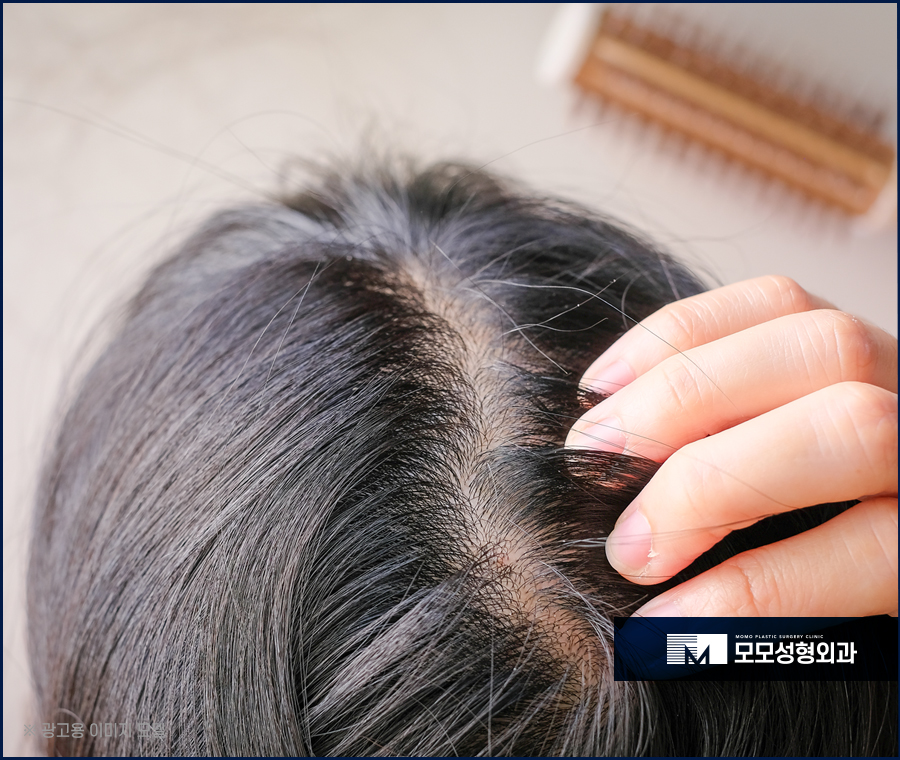
It is especially important to pay closer attention if you already have hair loss or are in the process of losing hair, because this can act as a factor that worsens the symptoms. In this way, the likelihood of being exposed to various conditions increases. In cold weather, dry air can irritate the scalp and cause winter scalp itchiness, which in turn may bring on other symptoms you did not previously have. So you should always try to keep the scalp clean and comfortable.

When the temperature drops, our body minimizes metabolic activity in order to conserve energy. As the metabolic rate decreases, the balance of oil and moisture in the skin is disrupted, increasing the likelihood of dandruff.
Seborrheic dermatitis is similar to psoriasis in context, but unlike psoriasis, it appears only on the scalp. When the condition develops, the scalp may become excessively red, and folliculitis may occur, causing a rapid increase in flakes and dead skin.
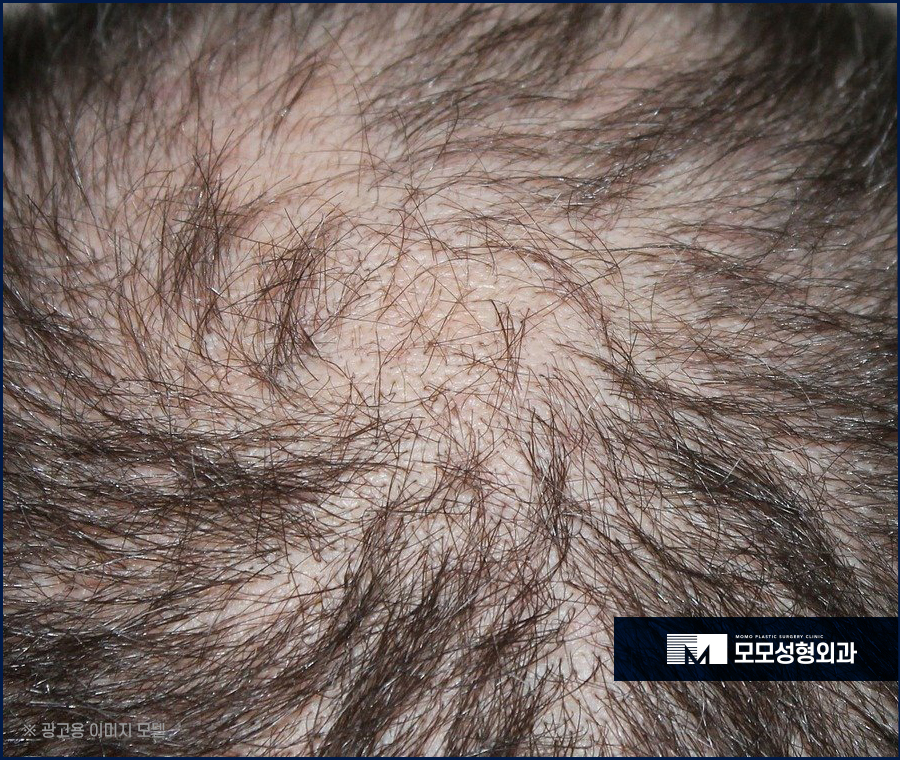
In severe cases, the chance of hair loss also increases, so it is not something to overlook. At first, winter scalp itchiness may appear only mildly or as a slight itch, but if left untreated and it becomes serious, it can develop into inflammation. Then even very small and weak stimuli can make the entire area feel painful, turning it into a sensitive condition.
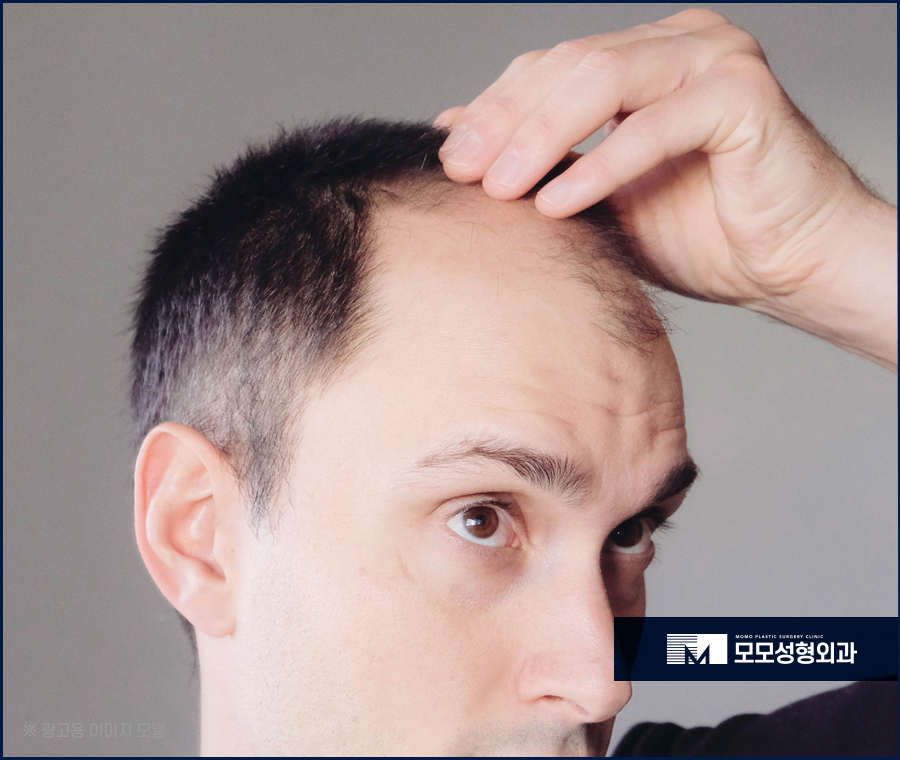
When inflammation appears, the hair follicles are damaged and hair growth is blocked, which can lead to hair shedding. This can also progress into chronic hair loss, so you need to stay alert. Rather than continuing to deal with winter scalp itchiness, you should use various methods to relieve it and make an effort to pay attention to it.
Care methods also differ depending on the condition of your hair. If you have an oily scalp with a lot of sebum, the pores can become blocked due to sebum secretion, which may lead to hair loss, so even in the dry winter weather, proper care is important. Also, since the amount can vary depending on hormones, it may help not to use only shampoo made for oily scalps, but to alternate with products that contain moisture.
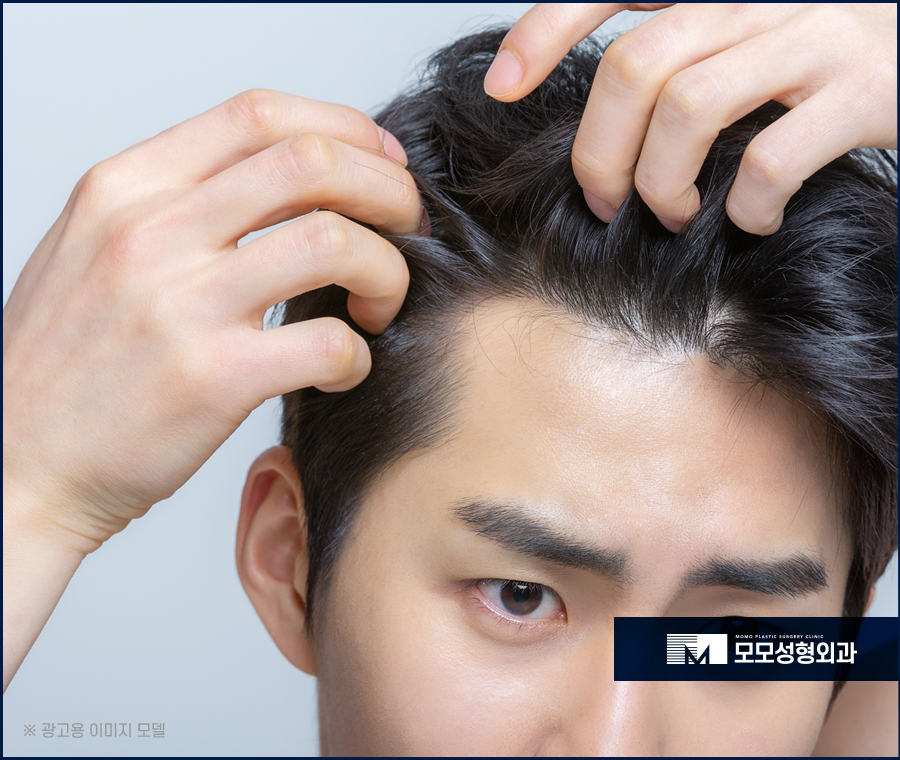
It is also best to avoid oily and stimulating foods. Since seborrheic symptoms involve more sebum secretion and inflammation than is typical, they are more likely to lead to hair shedding. Rather than managing it on your own at home, it may be more helpful to receive a diagnosis from a doctor at a relevant medical institution and receive treatment in parallel to improve the symptoms.
On the other hand, for people with dry scalps, sebum secretion may not work properly, which can allow foreign substances to build up and block the pores. It can also become more sensitive, so it is better to use shampoos or essences that can provide enough moisture.
Another major cause of winter scalp itchiness is the use of heating devices. During winter, indoor heating use rises sharply. As the indoor air becomes dry due to the heat, irritation can intensify and symptoms may worsen. You should frequently ventilate the dry indoor space and keep the air flowing smoothly, which can also be very helpful in maintaining healthy natural hair.
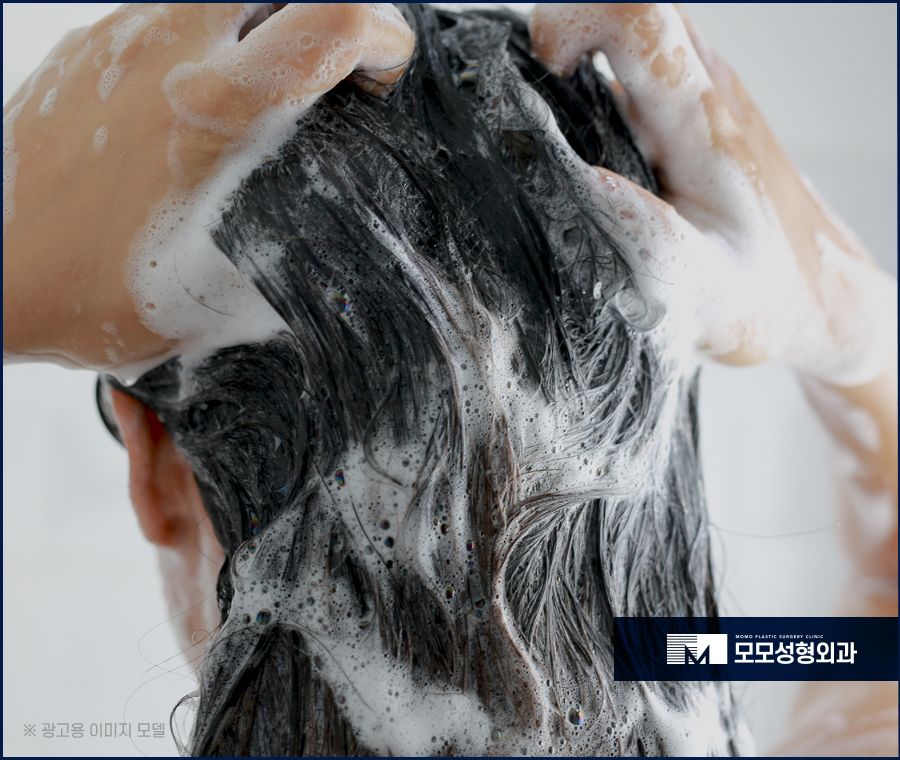
When the weather gets cold, internal bodily activity and muscles become tense and do not move as well. The head is no exception, so poor blood circulation means nutrients are not supplied properly, which is true everywhere. Therefore, if you spend a short amount of time once a day, or gently stimulate the entire scalp with a brush or the tips of your fingers while shampooing, it can help activate metabolism, and this can also help promote better blood circulation.
After shampooing, it is important to dry the hair completely all the way to the inside of the scalp using warm or cool air rather than hot air, so that it stays clean and comfortable.
Since the scalp condition of someone whose energy level is low and whose scalp is not healthy is proportional to winter scalp itchiness, maintaining proper daily habits can also help. Therefore, you should avoid smoking and drinking as much as possible, and be aware that frequently eating spicy, salty, or otherwise irritating foods, as well as refined carbohydrates or foods containing a lot of flour, is not good. You also need to get enough sleep so that fatigue and stress can be relieved.

Taking supplements such as vitamin D, omega-3, and zinc may also help. If winter scalp itchiness persists and develops into seborrheic inflammation, it can cause inconvenience and pain in daily life, so rather than leaving it untreated, it would be better to visit a relevant medical institution and receive appropriate treatment through consultation with a doctor.