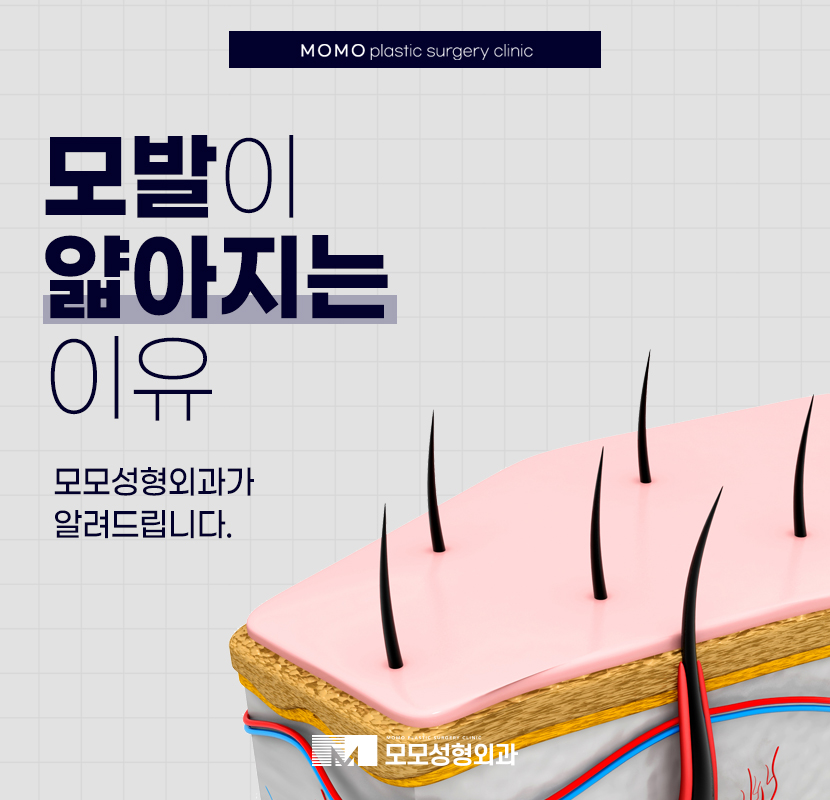
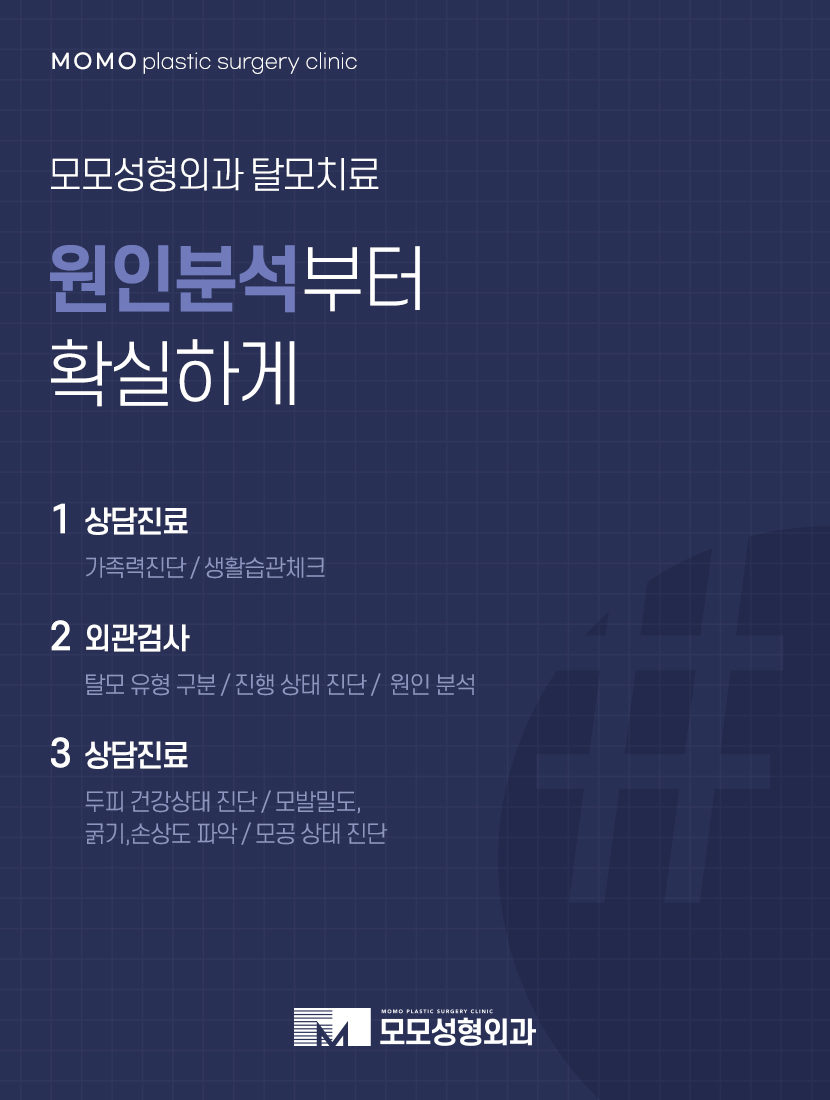
More serious than hair loss itself
is the symptom in which the hair strand itself
becomes thinner, known as hair miniaturization.
These days, modern people living in
the current era are accumulating stress and fatigue
due to more difficult living conditions caused by
job hunting, work, and sharply rising prices, and
they are often maintaining poor physical condition.
Because of this, irregular eating habits that make it
hard to eat regular meals on time and lack of sleep
are frequently undermining health. Perhaps for this
reason, concerns about hair loss among young people
in their 20s and 30s are reportedly increasing rapidly.
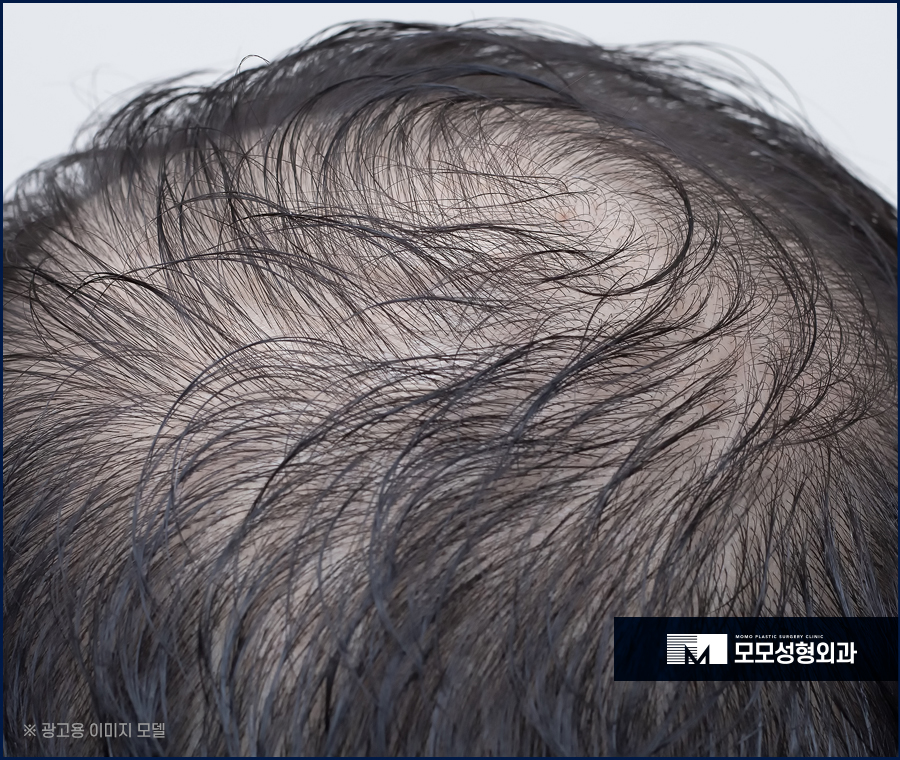
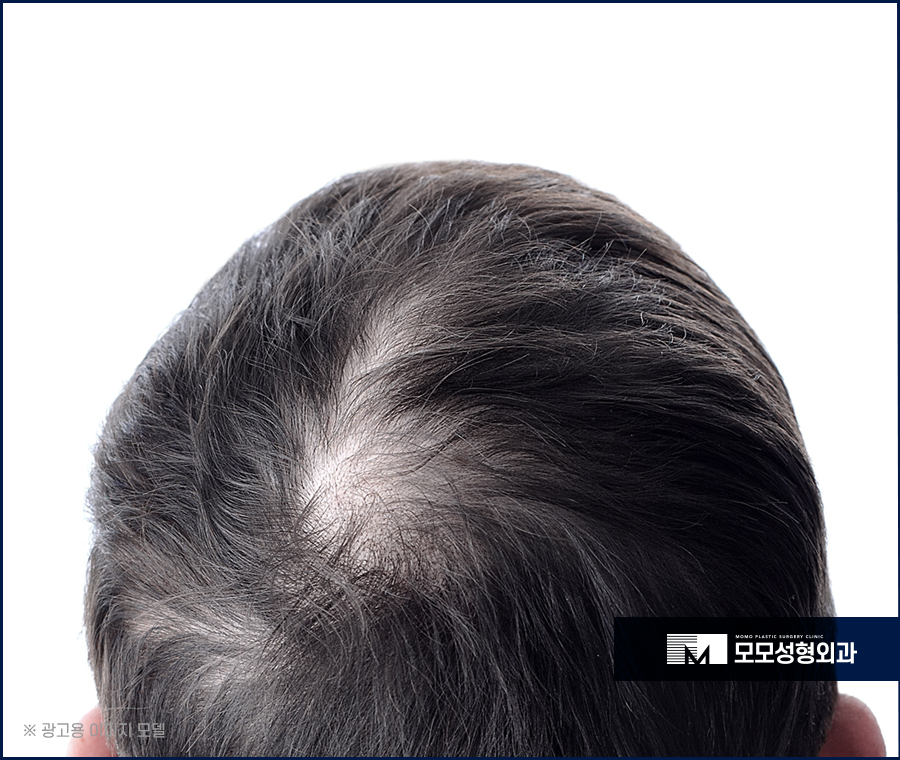
Even if there is no problem with the scalp, natural
hair goes through repeated growth cycles such as the
growth phase, catagen phase, resting phase, and
formation phase, so about 70 strands on average fall
out per day. However, if more than 100 hairs a day
continue to fall out, or if the hair gradually becomes
thinner and loses strength, this may indicate that hair
loss has occurred, and you can suspect early symptoms.
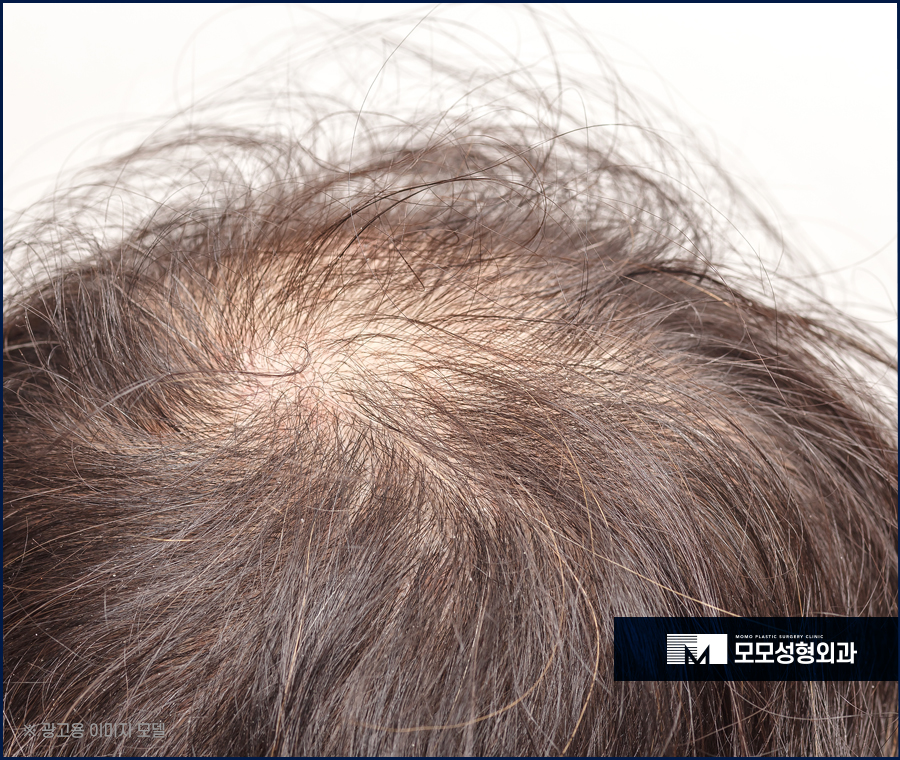
Compared with usual, you may experience a situation
where the number of natural hairs falling out increases,
or rather than the shedding speed becoming faster,
only the thickness of the natural hair becomes thinner.
Generally, when people think of hair loss, they tend to
think only of a large amount of hair falling out or the
appearance after it has already fallen out, but thinning
hair can be considered one of the symptoms of hair loss.
If the symptoms have already appeared, it is advisable
to recognize this as a warning sign that requires prompt
response and manage it quickly.

The reason hair becomes thinner may also occur when
changing hairstyles. If you frequently get perms or dye
your hair, strong chemicals can irritate and weaken the
hair roots and natural hair, and sebum concentrated
around the hair follicles may not spread evenly.
Also, as aging weakens cell regeneration, damaged
natural hair gradually loses strength and becomes
thinner, and as breakage repeats, it can eventually
develop into hair loss.
In addition, pulling natural hair too hard or tying it up
as you normally do can also be one of the causes of
why hair becomes thinner. Therefore, rather than
repeating frequent style changes over a short period of
time, it may be advisable to proceed with sufficient
intervals through consultation with the physician in
charge.

You may think that genetics is the biggest factor in hair
loss. If you have a family history, you should focus on
the condition of your natural hair and the reasons why
hair becomes thinner. Since hair loss is greatly affected
by male hormones, it is recommended that you adjust
lifestyle habits that excessively increase testosterone.
For those who have already been diagnosed, rather
than delaying and worsening the symptoms, it may be
better to visit a related medical institution quickly and
receive a prescription for medication. If a lot of hair has
already been lost, it may be worth considering a
transplant procedure, etc.
At a related medical institution, treatment and care can
be carried out at the same time, so you can receive an
accurate diagnosis of the current reason your hair is
becoming thinner and its condition, prevent the overuse
of medication, and combine it with care that can
maximize various effects. This may be the most precise
and effective method. This is because there are cases
where the situation worsens due to incorrect care based
on one’s own judgment. Therefore, if you consistently
follow the guidance and continue care, you can expect
the thickness of natural hair to return and proper growth
to resume.

Just as the body becomes healthier overall when blood
circulation is smooth, the same applies to the scalp: the
hair follicles become healthier and natural hair can grow
well. The reason hair becomes thinner may be that the
nutrients that should be delivered to the hair are not
being properly transferred, causing it to gradually look
dry and thin. Therefore, massaging the scalp evenly with
your fingers during daily life or when washing your hair
can help blood flow reach the hair follicles. Applying
pressure gently for about 3 minutes, 2 to 3 times a day,
may also be helpful.
If an oily scalp is the reason hair becomes thinner,
sebum and dust can block the hair follicles and have a
negative effect on condition and health, so scalp scaling
can be helpful. On the other hand, for dry scalps, rather
than removing flaking skin, it may be more effective to
softly calm it through moisturizing and strengthen the
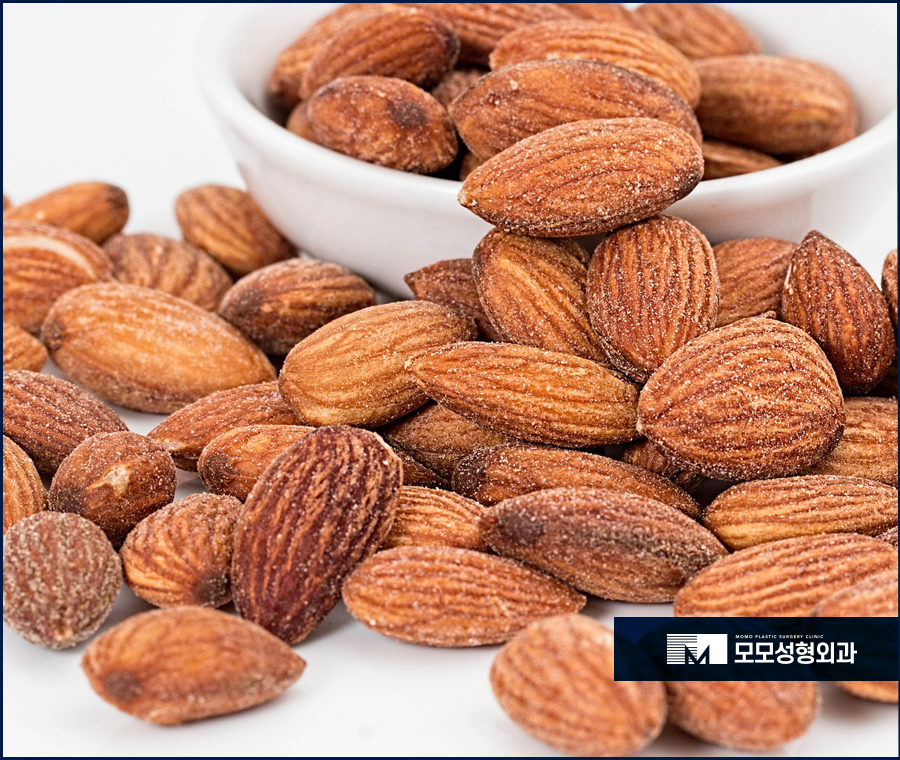
skin barrier. In addition, to keep the strength of the hair
roots supporting the hair from weakening, improving
eating habits and making sure to consume sufficient
protein and B vitamins will likely work favorably for
strengthening.
Getting enough sleep is also beneficial, so it is good to
make an effort to improve sleep quality, and it is
recommended that you take proper rest so that stress
and fatigue do not build up.
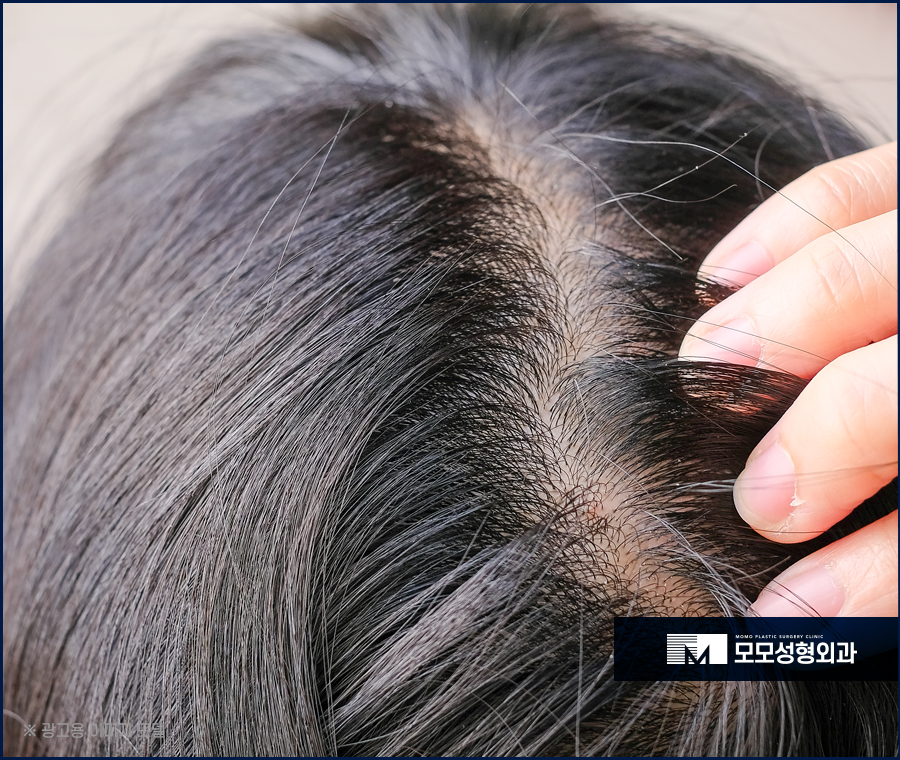
In fact, even among people undergoing hair loss
treatment, rather than focusing on the number of hairs
disappearing, they sometimes pay attention to each
individual strand and focus on thickness. This is because
the treatment plan differs depending on the current
condition, and the effect can also vary.
If thinning hair is causing you significant concern,
changing your basic lifestyle habits may also be helpful,
and this may in turn lead to improvement in the current
reason for concern about hair becoming thinner.