Hair loss, which once felt like a problem only for middle-aged people—something that might come with becoming a so-called “older man” or “older woman”—
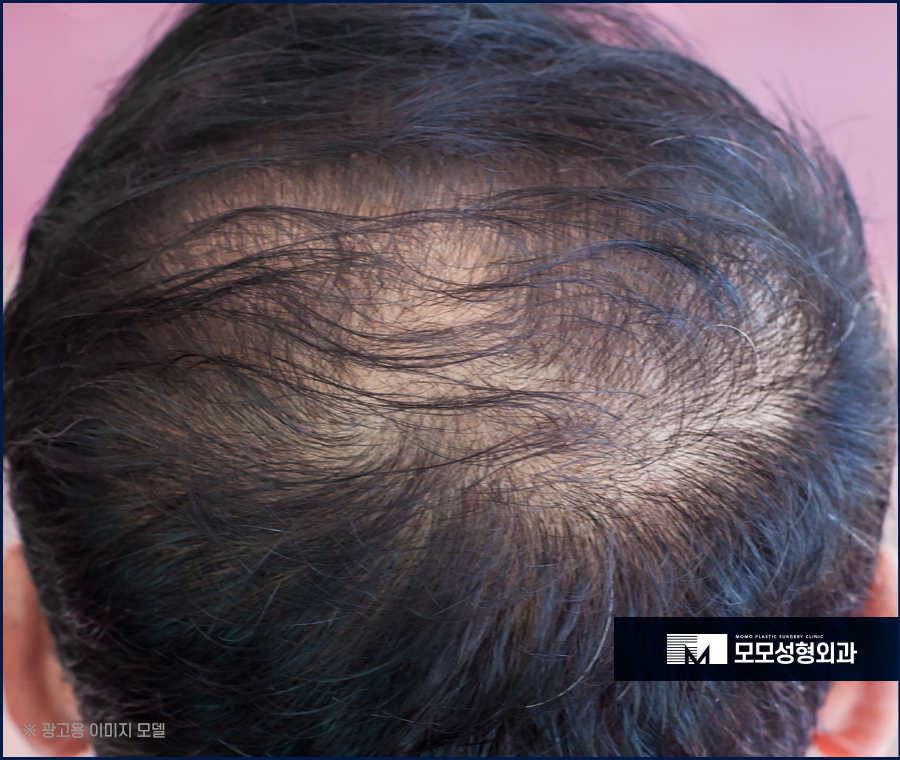
has recently become a source of stress and concern for people of all ages and genders. As of 2021, the number of hair loss patients in Korea reportedly reached an all-time high of about 243,609, increasing by 2.8% every year since 2016. Hair loss caused by natural hair shedding is not just a men’s issue; among patients, about 107,764 people, or 44.2%, were women. The overall issue of hair loss is something that concerns people not only in Korea but also around the world.
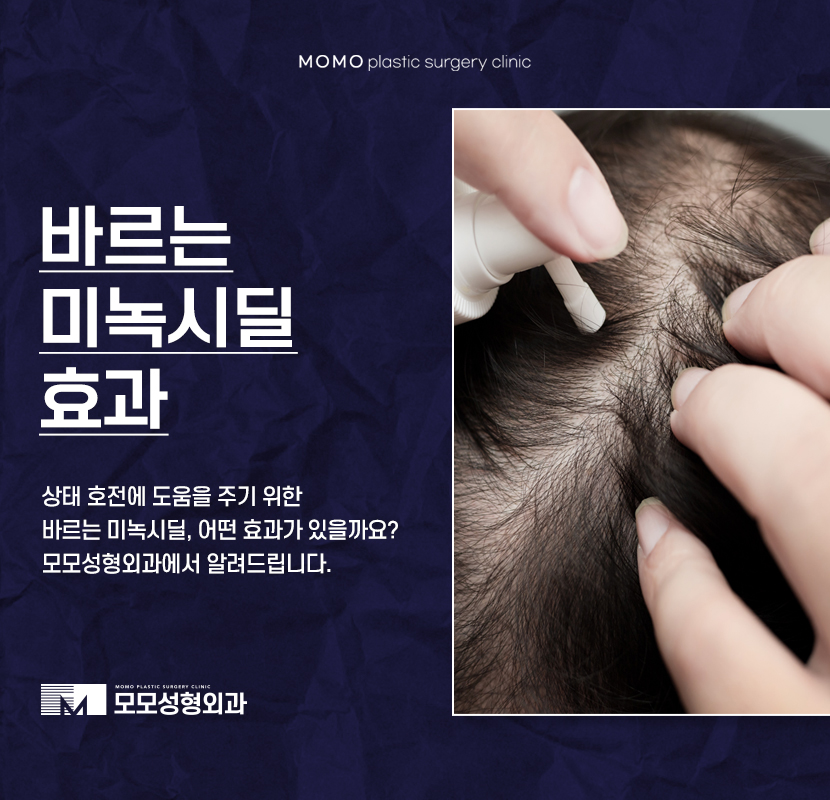
It is said that papers presenting treatment methods by studying this condition from various angles have continued to be published over the past five years. It is no exaggeration to say that we have entered an era in which people no longer try to hide it, but rather recognize natural hair loss positively and can improve it through various measures, including treatment methods. This time, we will look into topical minoxidil, one of the methods that can help ease hair loss.
Before looking into the effects of topical minoxidil, the first thing to understand is information about minoxidil itself, so I would like to explain it in detail. Minoxidil was originally developed in the 1950s as a treatment for ulcers, then found to have excellent blood vessel dilating properties. After modifications, it was re-released as an oral medication for hypertension. During testing, hypertensive patients who took this drug showed an unexpected side effect called hypertrichosis. A pharmaceutical company that paid attention to this conducted research on the drug as a hair loss treatment, and as a result it received FDA approval under the name Rogaine.
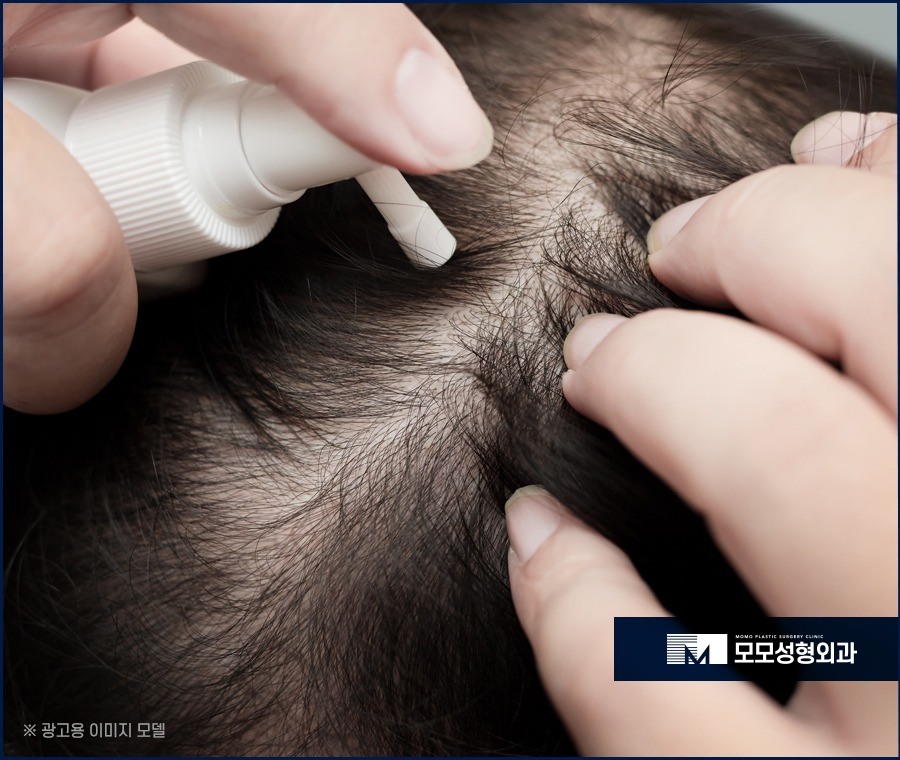
This medicine helps blood circulation in the applied area, allowing nutrients to be supplied well and helping hair grow. If the scalp lacks nutrients due to a restrictive diet that does not provide a balanced intake of nutrients, its effectiveness may be reduced. For this reason, some of the products released recently are said to also help with scalp nourishment. To briefly explain how topical minoxidil works, the medicine absorbed through the scalp expands blood vessels and helps increase the amount of blood flowing to the hair follicles. It also helps prevent follicle shrinkage and stimulates the movement of follicles in the resting phase. These follicles grow and generate natural hair through blood, so a sufficient blood supply is a great help in improving hair loss.
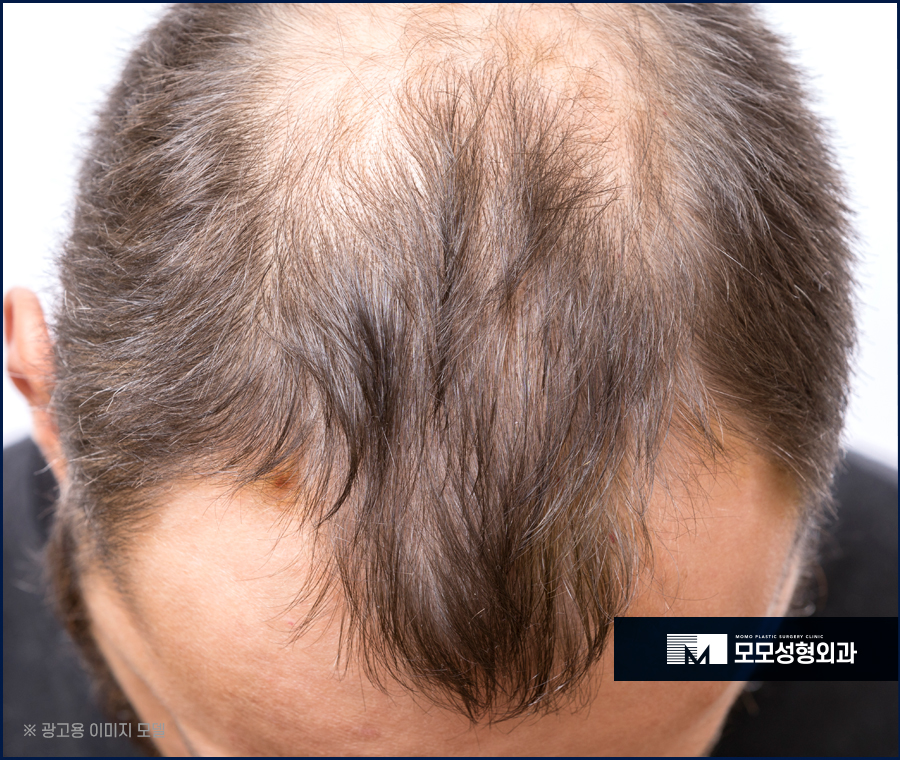
The effects of topical minoxidil do not show an immediate change right after use, but improvement appears gradually over time. It is said that it takes about two months for terminal hair to grow. If you stop using it arbitrarily in the middle of treatment, it will only provide minimal benefit, so after completely drying the hair and scalp, you must consistently use it regularly according to the prescribed method, twice a day in the morning and evening. Although this varies depending on each person’s hair growth rate and cell regeneration rate, terminal hair generally begins to grow in a fine, downy form after about 3 to 4 months of use.
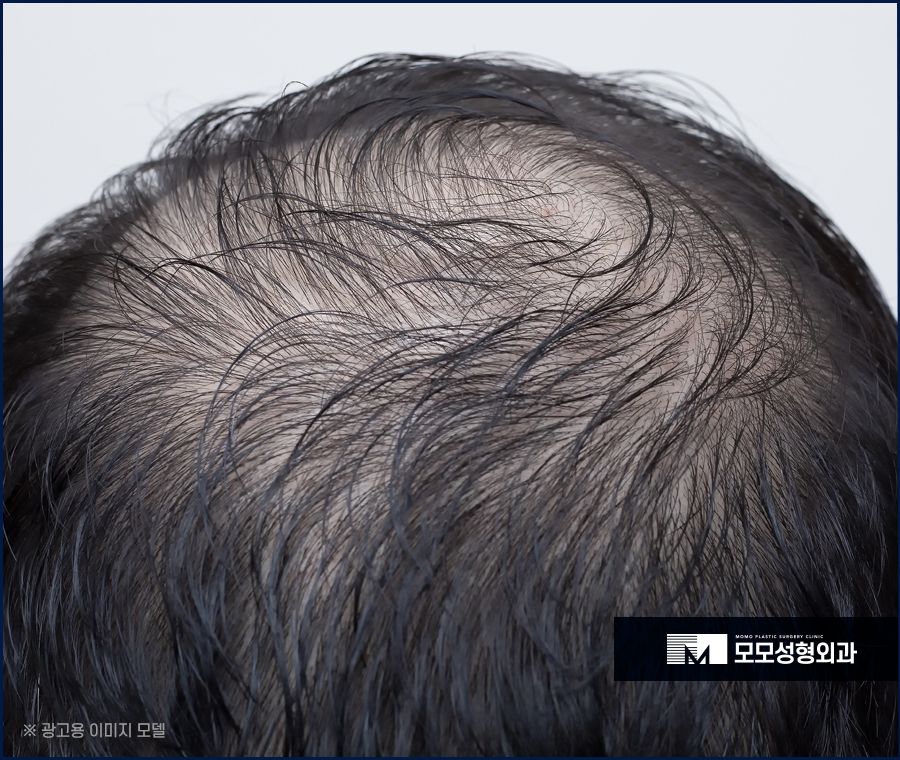
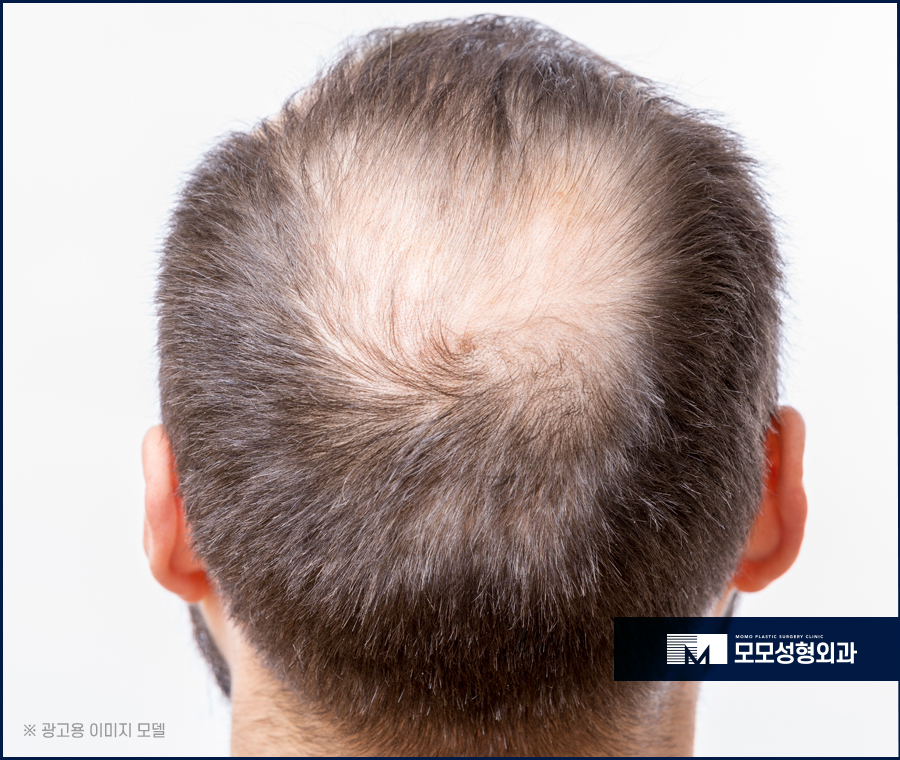
It comes in gel forms at 2% and 5%, and liquid forms at 2%, 3%, and 5%. It can be used by both men and women. In general, 5% is classified for men and 3% for women. Women can use 5%, but depending on how it is applied, a side effect called hypertrichosis may occur, so it is recommended to use the slightly lower 3% concentration. In addition, it is said to be especially effective for crown hair loss rather than M-shaped hair loss. Of course, there are cases where people do see the effects of topical minoxidil, but there are also cases where they do not. One of the best-known side effects is shedding.
Shedding refers to the process in which existing weak natural hair falls out so that healthy new hair can grow. Since the hair suddenly falls out while using the topical agent, it may feel like things are getting worse. However, the occurrence and timing of side effects vary greatly from person to person. In addition, since it is in liquid form, if it runs down the scalp and gets into the eyes, it may cause reduced vision or eye irritation, so this is one of the precautions to keep in mind. Furthermore, as mentioned earlier, the mechanism of the topical agent is to expand blood vessels, and this function may also be involved in causing low blood pressure. Although the probability is extremely low, it is something to be aware of in advance.
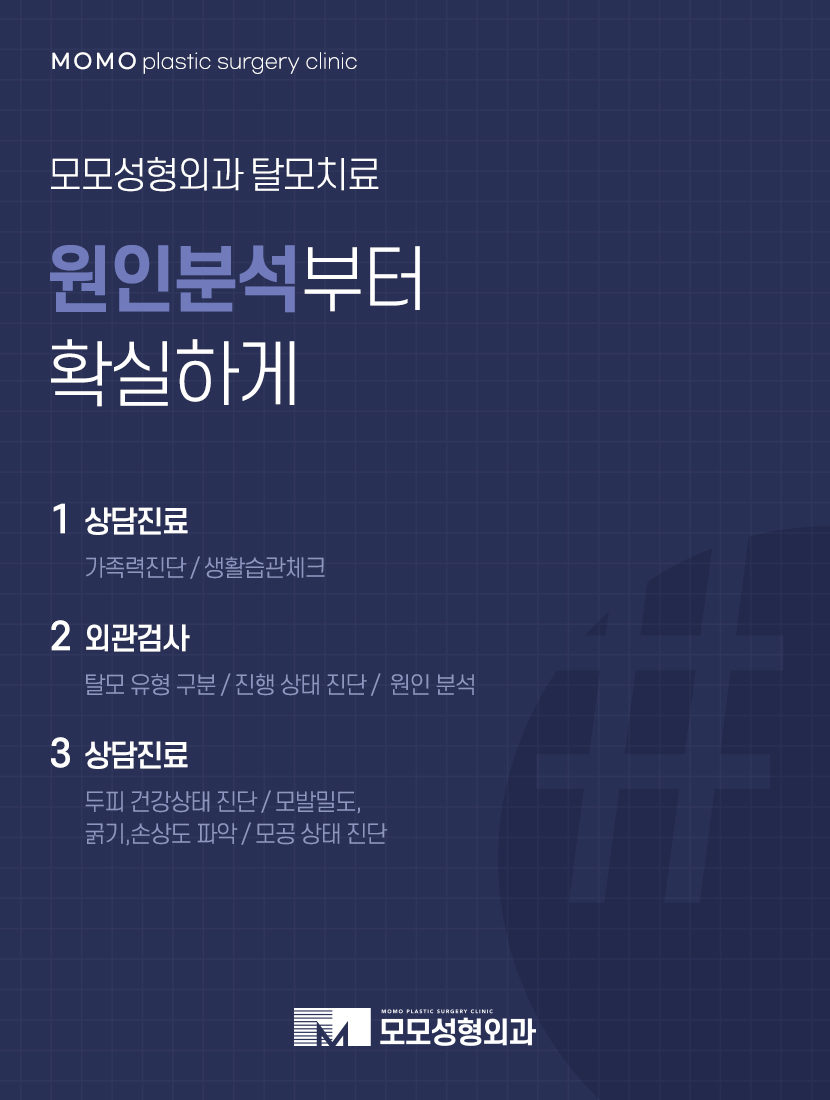
To get the proper effects of topical minoxidil, you must follow the recommended amount of use. This is especially true for women, who should not exceed the proper dosage. Compared with men, it tends to have a stronger effect, so if you use a higher concentration or too much of the medicine, body hair may instead grow thicker. Also, if any suspected symptoms of other side effects appear during the period of applying the topical agent, aside from the shedding phenomenon mentioned earlier, you should immediately stop self-treatment and visit a clinic or hospital to receive a diagnosis through consultation. While topical hair-growth products can help hair grow, you should keep in mind that overall efforts are needed to alleviate hair loss, including regular lifestyle habits, eating habits, and stress management that can support hair growth.